
What Side of the Aisle Do You Sit On at a Wedding? Understanding Tradition and Family Dynamics
When attending a wedding, you might wonder about the seating arrangement at the ceremony. Traditionally, guests sit on the bride’s side to the left and the groom’s side to the right when facing the altar. This seating rule helps distinguish between the two families and is a common practice in many cultures.
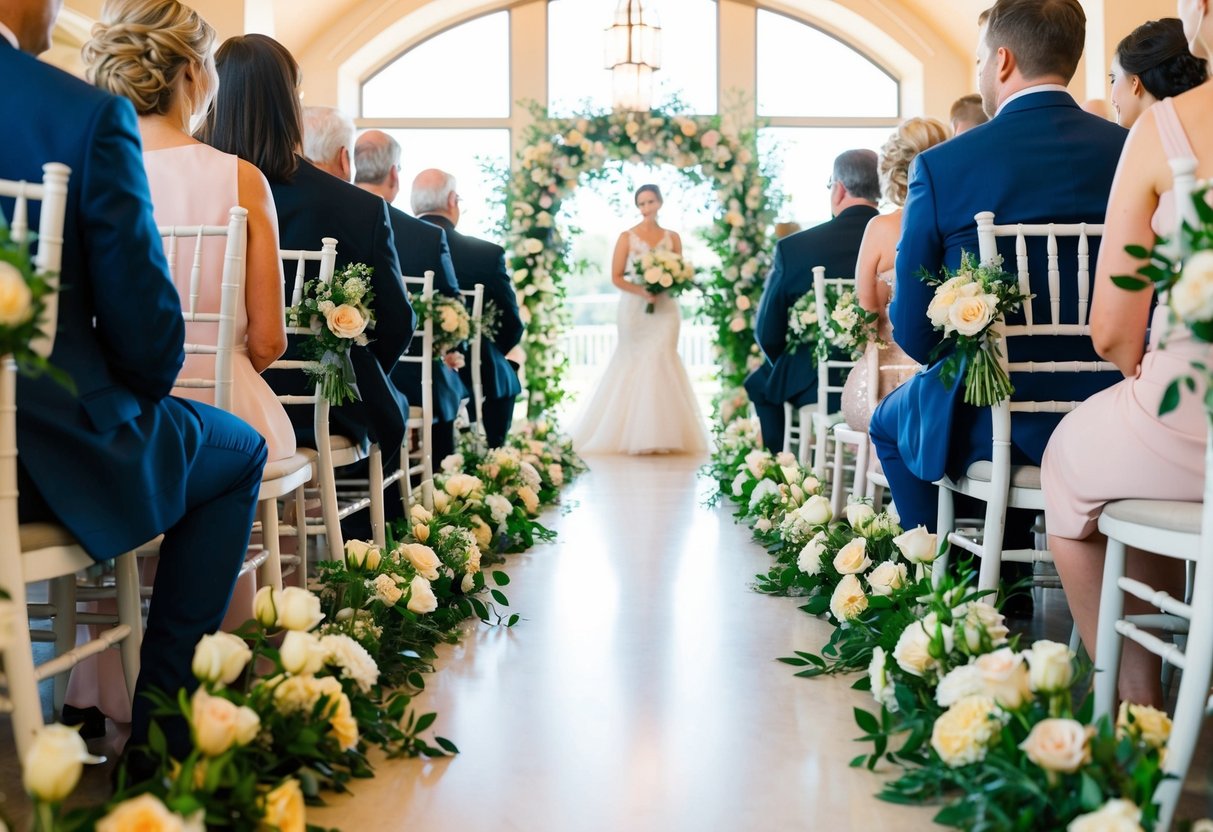
Understanding proper etiquette can make your experience smoother and more enjoyable. If you have a close connection to one side, it’s best to sit where you feel most comfortable. Keep in mind that some couples may choose to mix things up for their special day, so it’s always a good idea to check for any instructions from the couple or their families.
As you prepare for the ceremony, think about how the seating choices reflect the couple’s wishes. With this knowledge, you’ll feel more at ease knowing where to sit, making the wedding day even more memorable. Enjoy the celebration and the love that brings everyone together!
Understanding Wedding Seating Etiquette

When attending a wedding, knowing where to sit can be important for respecting traditions and social norms. Different weddings may have unique seating arrangements based on cultural practices. Also, ushers and groomsmen play key roles in helping you find your seat and ensuring a smooth process.
Seating Arrangements in Different Cultures
Seating at weddings often reflects cultural traditions. In most Christian weddings, the bride’s family sits on the left side of the aisle while the groom’s family sits on the right. This arrangement symbolizes the joining of two families.
For Jewish weddings, the seating may differ. Guests often sit in a mixed arrangement, with close family members sitting near the couple. This encourages unity and connection among families.
Each wedding may have its own unique twist, so pay attention to any specific requests made by the couple. Respecting these traditions makes the day more enjoyable for everyone involved.
Roles of Ushers and Groomsmen
Ushers guide guests to their respective sides and provide assistance. They ensure everyone knows where to sit, making the process smoother and less stressful.
Groomsmen may also help by directing people and even assisting with seating for family members. They often sit at the front near the couple, making it easy for guests to recognize where to go.
Proper etiquette suggests that you follow the guidance of ushers and groomsmen. They are there to help you enjoy the celebration while respecting the couple’s wishes.
The Ceremony Seating Layout
When planning your wedding, understanding the seating layout is important for your guests’ experience. It’s about making sure friends and family find their places easily and are comfortable during the ceremony.
Traditional Christian Ceremonies
In traditional Christian ceremonies, the seating arrangement is quite straightforward. The bride’s family and friends typically sit on the left side of the aisle while the groom’s sit on the right. This layout symbolizes unity but can also be flexible based on your preferences.
Important Notes:
- First Row: Parents of the couple often sit in the front row on their respective sides.
- Bridesmaids and Groomsmen: They may sit on the bride’s side or alternate sides after walking down the aisle.
If you have a large wedding party, keep in mind seating for the maid of honor, best man, and other attendants.
Ceremony Seating for Jewish Weddings
Jewish weddings often have different customs regarding seating. Traditionally, men and women sit separately during the ceremony.
Seating Rules:
- Men on One Side: Typically, men sit on one side of the aisle.
- Women on the Other Side: Women sit across from them.
You might also wish to have a dual layout if your guests include both Jewish and non-Jewish attendees. Feel free to mix traditions to suit your needs.
Adjustments for Same-Sex Couples
For same-sex couples, the seating layout can be personalized based on individual preferences. You might want to assign sides based on family names or simply place friends on either side.
Suggestions:
- Assign Roles: You can still have roles like a maid of honor and a ring bearer.
- Custom Signs: Use signs to indicate which side is which (like “Bill’s side” or “Kevin’s side”).
Decide what feels right for you and your partner, as this is your day to celebrate.
Incorporating Special Roles
When planning your seating, be sure to think about those with special roles in your wedding. The flower girl, ring bearer, and other important figures need designated seating.
Considerations:
- Primary Seats: Usually, special roles sit in the first few rows to see the ceremony clearly.
- Family Considerations: Depending on family dynamics, it’s good to consider where these guests will feel most comfortable.
This layout helps create a warm and inviting atmosphere for everyone attending your ceremony.
Bridal Party and Family Seating Considerations

When planning the seating arrangement for a wedding, it is important to consider where the bridal party and families will sit. This helps create a lovely visual and ensures that everyone feels included and comfortable.
Seating the Bridal Party
The bridal party typically sits on the left side of the altar. This includes the bride, bridesmaids, and any groomsmen who might stand at the front. This arrangement creates a clear line of sight for everyone involved.
Make sure to reserve seats for parents and grandparents in the front row, as they hold significant roles. Depending on the size of your bridal party, designate seating that allows for both comfort and interaction. You can even create a small list for placement to avoid confusion on the big day.
Accommodating the Families
Traditionally, the groom’s family sits on the right side of the aisle. This helps establish a neat visual separation between the two families.
Ensure that close relatives, like siblings and grandparents, have priority seating in the front rows. You can use signs to help guests identify which side they should sit on. If there are younger guests, consider giving them special roles, like being the flower girl or ring bearer, which can make them feel more involved.
By keeping these seating tips in mind, you can create a harmonious setup that honors both families and the bridal party.
Outdoor and Unconventional Wedding Seating
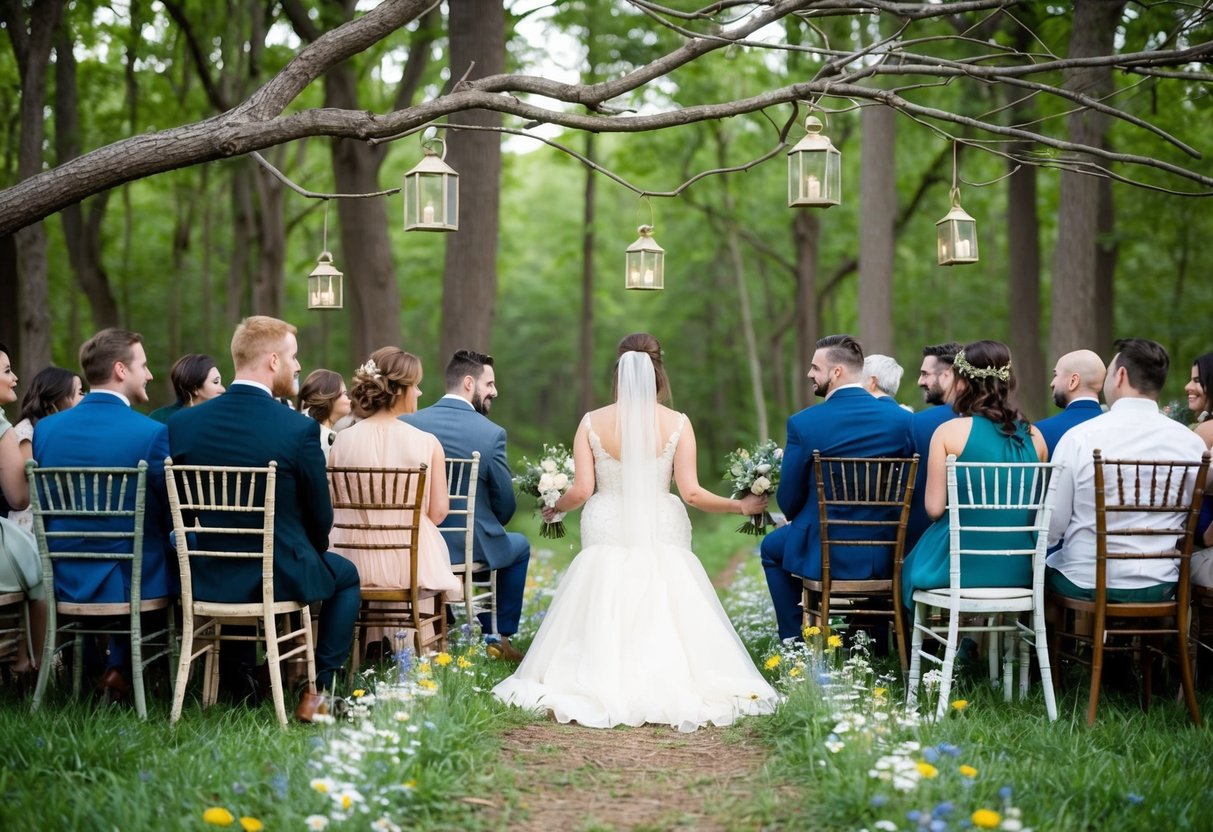
Choosing seating for an outdoor wedding can be a fun way to personalize your event. With the right arrangements, you can create a warm atmosphere for your guests.
Consider circular seating. Instead of rows, arrange chairs in a circle around the couple. This setup invites everyone to feel included in the moment.
You might also explore picnic-style seating. Using blankets and cushions can give a relaxed vibe. It’s perfect for a casual outdoor event, making guests feel like they are at a picnic in the park.
If you prefer traditional seating, you can still add a twist. Use different chair styles, such as folding chairs or benches, to mix things up. An event planner can help you achieve this unique look.
When assigning seats, remember that the groom and groomsmen typically stand on one side, while the bride and her party are on the other. This is a common practice, even with unconventional setups.
At the wedding reception, keep your seating arrangements flexible. You can create small lounge areas with sofas or unique chairs. This way, guests can relax and socialize throughout the celebration.
No matter what style you choose, ensure your seating reflects your personality and love story. Your guests will appreciate a thoughtful setup that makes them feel at home.