
What Size Are Most Brides? Understanding Bridal Size Trends and Choices
When it comes to your wedding day, finding the perfect wedding dress is a big part of feeling beautiful. Most brides typically wear a dress size between 8 and 14. This can vary depending on the designer and the bridal shop, but knowing this range can help set your expectations when shopping.
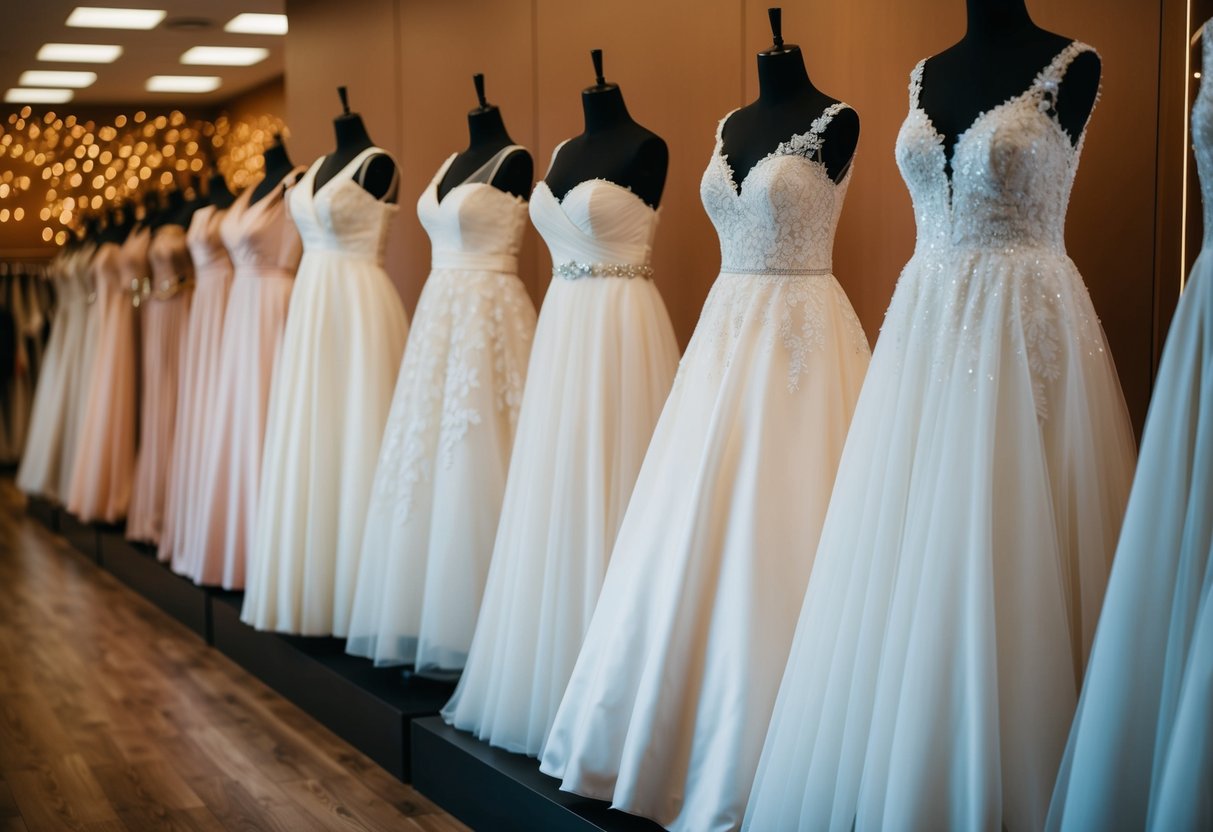
It’s essential to remember that bridal sizes often don’t match regular clothing sizes. Many brides find they need a size or two larger in wedding dresses than in everyday clothes. This is completely normal, so don’t be discouraged if the numbers don’t line up with what you’re used to.
Understanding common size ranges can help you feel more confident during your dress fittings. No matter what size you are, the focus should always be on how the dress makes you feel on your special day. Embrace the journey to find a dress that makes you shine!
Understanding Bridal Sizing
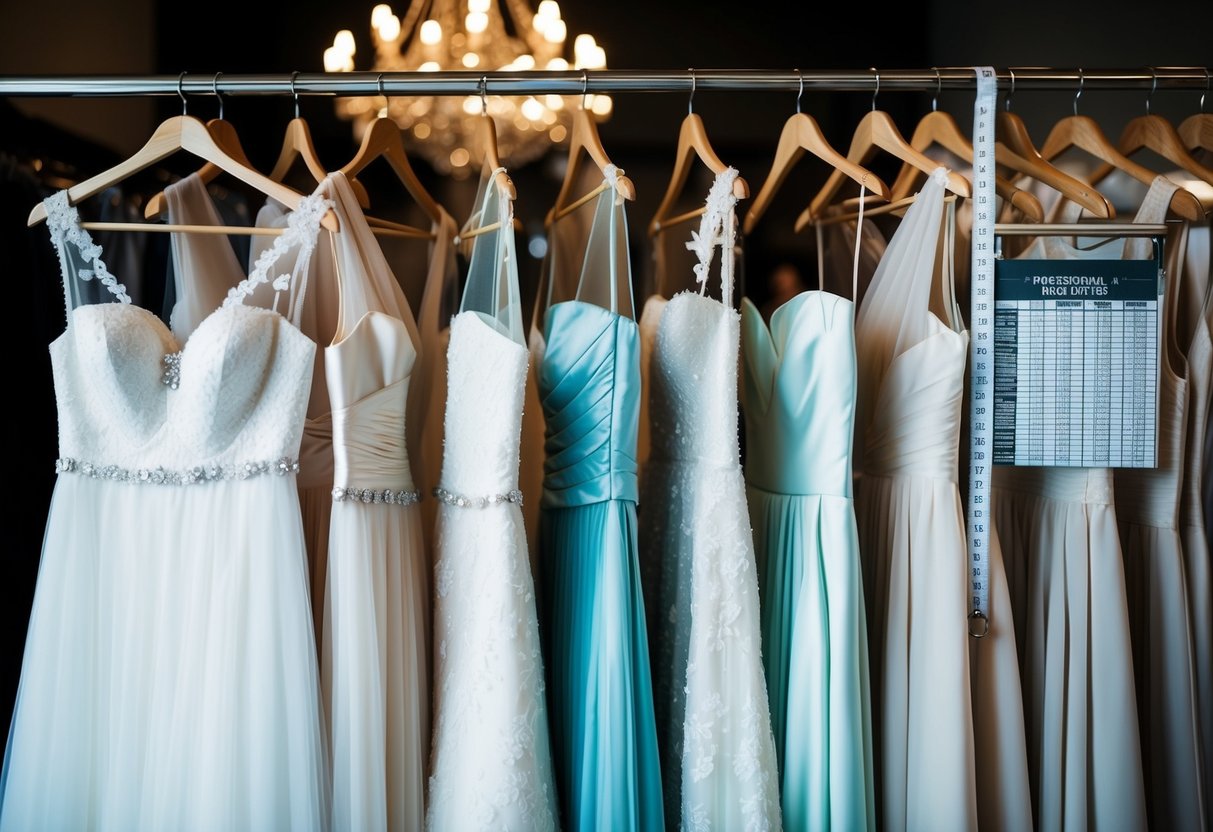
Bridal sizing can be tricky for many brides. You might find that your size in regular clothing doesn’t directly match your bridal dress size. This section will help you grasp the aspects of bridal sizing and how it compares to everyday sizes.
The Concept of Bridal Sizes
Bridal sizes often differ from standard clothing sizes. They are usually labeled differently, which can cause confusion. Common bridal sizes may range from 6 to 12, but these numbers do not always match what you wear in everyday garments.
Many designers use their unique sizing charts. This means you could be a size 8 in one brand and a size 10 in another. It’s essential to keep this in mind while shopping for your wedding dress.
When trying on dresses, remember that many bridal shops offer sample sizes. These can help you get a feel for how the dress will fit you, but adjustments might still be necessary. Your bridal consultant can guide you in finding the right size based on the designer’s chart.
Comparing Bridal and Street Sizes
Bridal sizes typically run larger than ready-to-wear sizes. For example, if you wear a size 8 in regular clothing, you might need a bridal size 10 or 12. This difference can often lead to stress, but it’s important to understand that this is normal in the bridal industry.
To make shopping easier, always measure yourself before trying on dresses. Knowing your bust, waist, and hip measurements can help you choose the right size.
Here’s a simple guide to bridal vs. street sizes:
- Street Size 2 = Bridal Size 6
- Street Size 4 = Bridal Size 8
- Street Size 6 = Bridal Size 10
- Street Size 8 = Bridal Size 12
This sizing discrepancy emphasizes the need for a fitting. Your wedding dress can be tailored to ensure the perfect fit for your special day.
Finding Your Wedding Dress Size
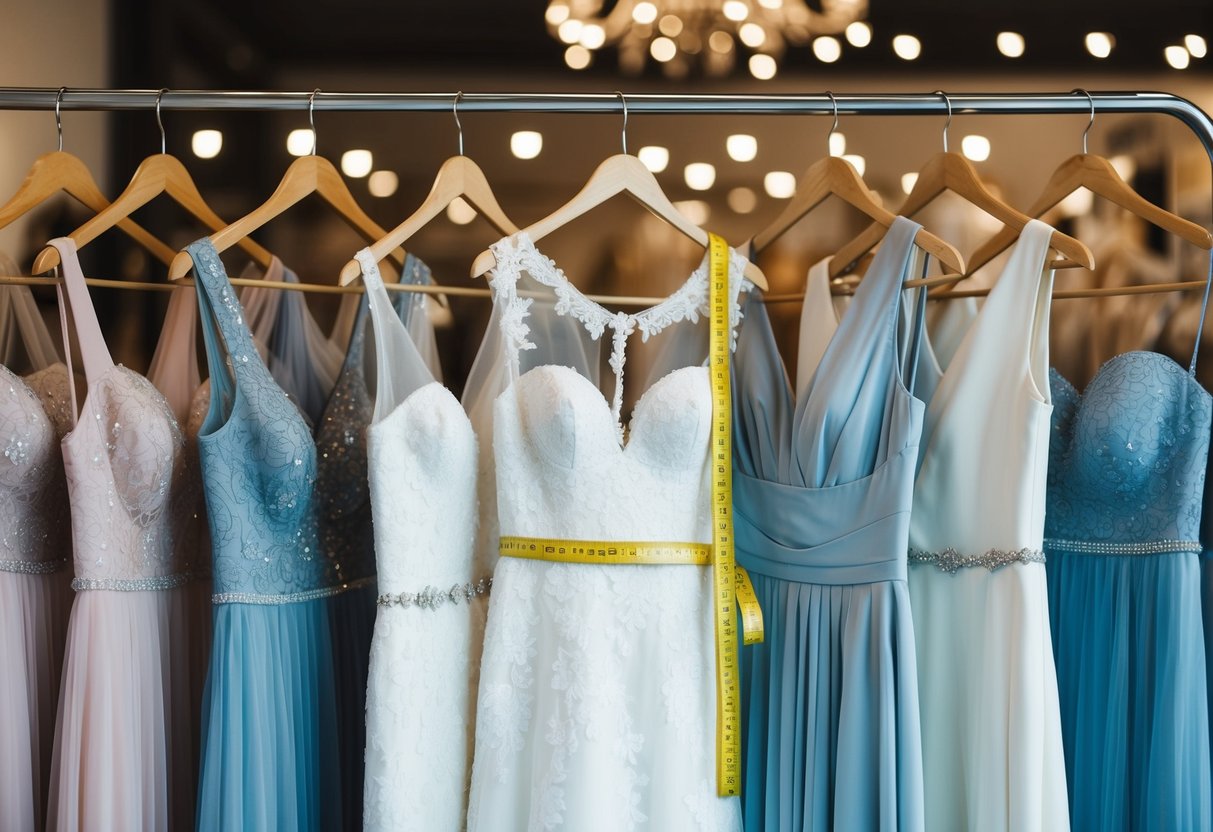
Choosing the right wedding dress size can feel challenging, but knowing how to take your measurements and understand size charts can simplify the process. This section will guide you through accurate measurements and navigating sample sizes.
Taking Accurate Measurements
Before you shop for a wedding dress, it’s essential to take accurate measurements. Start by measuring your bust, waist, and hips. You’ll want to wear proper undergarments for the best fit. Here’s how you can do it:
- Bust: Measure around the fullest part of your bust, keeping the tape level.
- Waist: Find your natural waistline, which is usually just above your belly button. Measure around this area.
- Hips: Measure the widest part of your hips, keeping the tape level and snug.
Having these three measurements will help you understand where you fit in different bridal sizes. Remember, bridal sizes often run one to two sizes larger than street sizes, so don’t be surprised if you need a bigger size than usual.
Navigating Size Charts and Sample Sizes
Every bridal designer has their own sizing charts, so understanding them is crucial. Most bridal sample sizes range from sizes 6 to 10, which correspond to street sizes 2 to 6. When visiting a bridal boutique, ask for their specific size chart to make the best choice.
It’s also helpful to know that wedding dresses usually fit differently than regular clothes. For example, if you wear a size 12 in street clothes, you might need to try on sizes 14 or 16 in bridal wear. To further complicate things, dresses may use different sizing systems depending on the country. Always clarify if the store uses US, UK, or European sizes.
Personalizing Your Dress
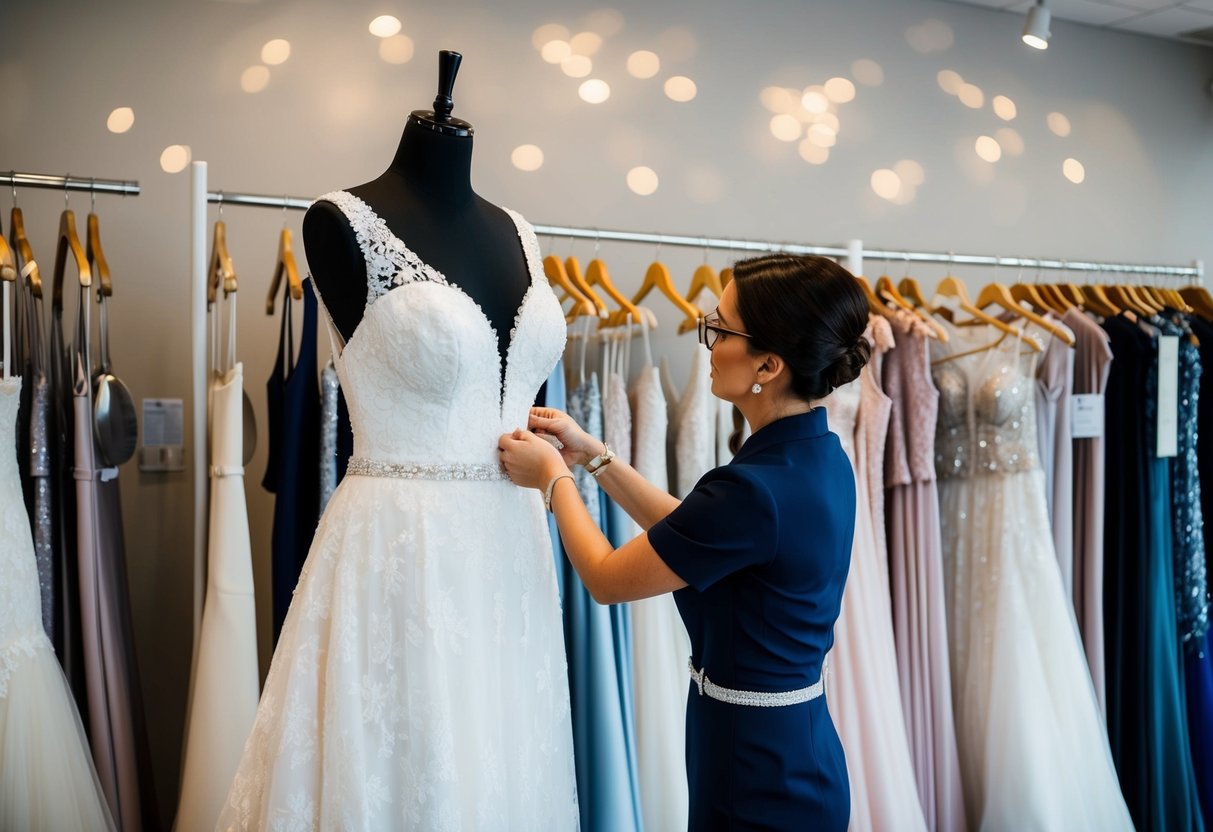
Personalizing your wedding dress is essential to ensure it fits you perfectly and reflects your style. Two key aspects to consider are the role of alterations and working with a bridal stylist. These elements can make a significant difference in your overall experience and look on your big day.
The Role of Alterations
Alterations are a crucial part of getting your dress to fit just right. Every gown, whether it’s a sleek silhouette or a flowing ball gown wedding dress, often requires adjustments. Your dress should fit snugly without being too tight.
Common alterations include adjusting the dress length and taking in or letting out the seams. For a unique touch, consider adding a lace-up corset back. This allows you to customize the fit and adds a romantic flair. Be sure to schedule your fitting appointments well in advance so that your dress is perfectly tailored before your wedding day.
Working with a Bridal Stylist
Collaborating with a bridal stylist can enhance your experience as you personalize your dress. A stylist understands various gown styles and can guide you to options that suit your body shape and preferences.
They can recommend specific silhouettes that highlight your best features. A bridal stylist also helps you visualize how alterations will change the look of the dress. This way, you can make informed decisions about adjustments. Their expertise can be invaluable in finding details like fabric, embellishments, and layering that complement your vision.
The Bridal Shop Experience
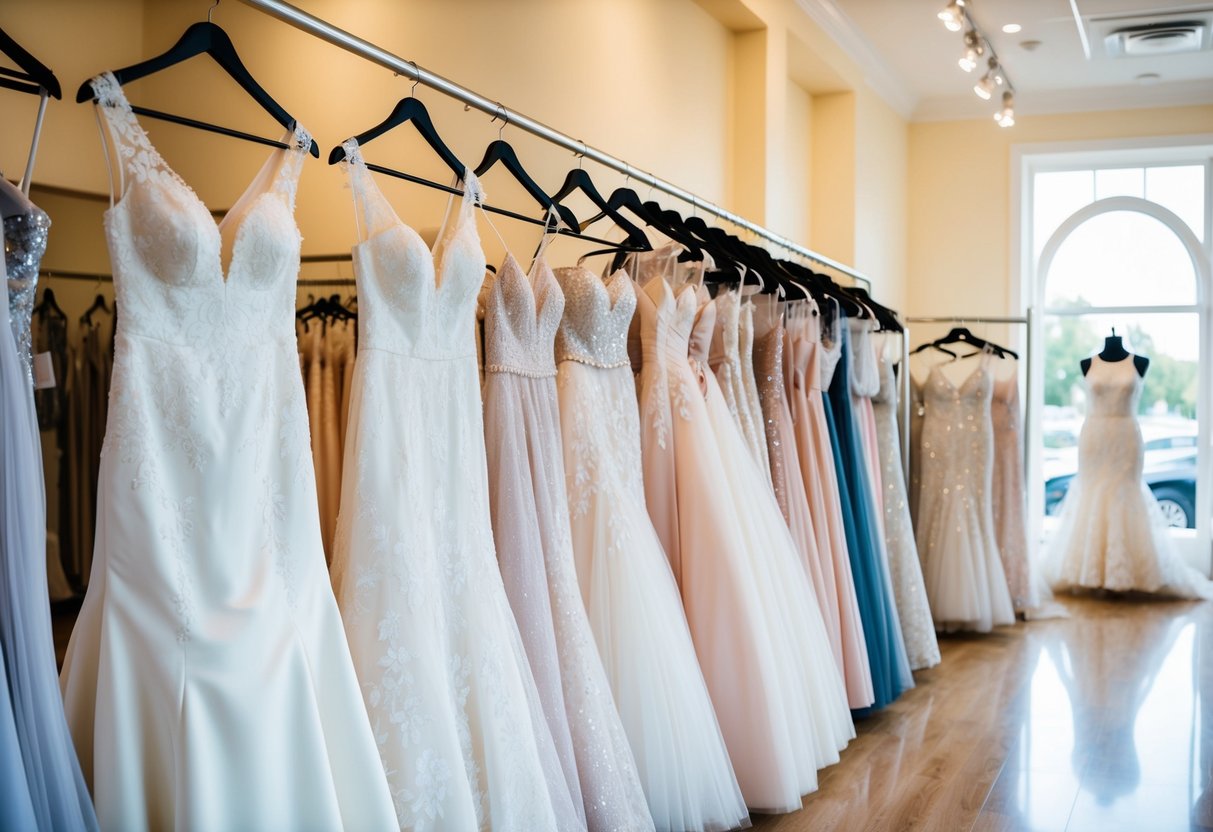
Finding the perfect wedding gown is an exciting journey. Your experience at a bridal shop can greatly affect how you feel about your choice. Below are key aspects to make your visit more enjoyable and successful.
Scheduling a Bridal Appointment
Before you head to a bridal shop, it’s essential to schedule an appointment. This allows the staff to prepare for your visit and dedicate time to assist you. Most bridal boutiques recommend booking several weeks in advance, especially if you want to attend a trunk show featuring various bridal designers. When scheduling, mention your dress size, unique body shape, and any specific styles you’re interested in.
A bridal appointment typically lasts around one to two hours. During this time, you’ll try on wedding gowns in a comfortable setting with the guidance of a bridal attendant. Bring along any important accessories, such as shoes or shapewear, to see how they pair with your dress options. Don’t forget to ask questions about dress sizing; bridal sizes often differ from regular clothing.
Choosing the Right Bridal Shop
Selecting the right bridal shop can enhance your dress shopping experience. Research local bridal salons and read reviews to find ones that focus on your style and needs.
A good boutique will offer a variety of sizes, including options for those needing larger sizes. When visiting, check the shop’s selection of wedding gowns. Look for brides who are similar in body shape to yours in their photos.
If you find a shop that showcases diverse options, you can test how different styles fit your frame. Ensure they have experienced staff who can help measure you accurately with a measuring tape. This will assist in finding the best fit and ensuring comfort on your big day.