
What Song Did Queen Elizabeth Walk Down the Aisle To? A Look at the Royal Wedding Music
When thinking about royal weddings, music often plays a vital role in setting the tone. You might wonder what song Queen Elizabeth walked down the aisle to on her big day. The melody she chose was “Lauda Anima,” which is linked closely with the grand hymn “Praise My Soul, The King of Heaven.” This choice reflects a deep sense of tradition and reverence that surrounds royal ceremonies.
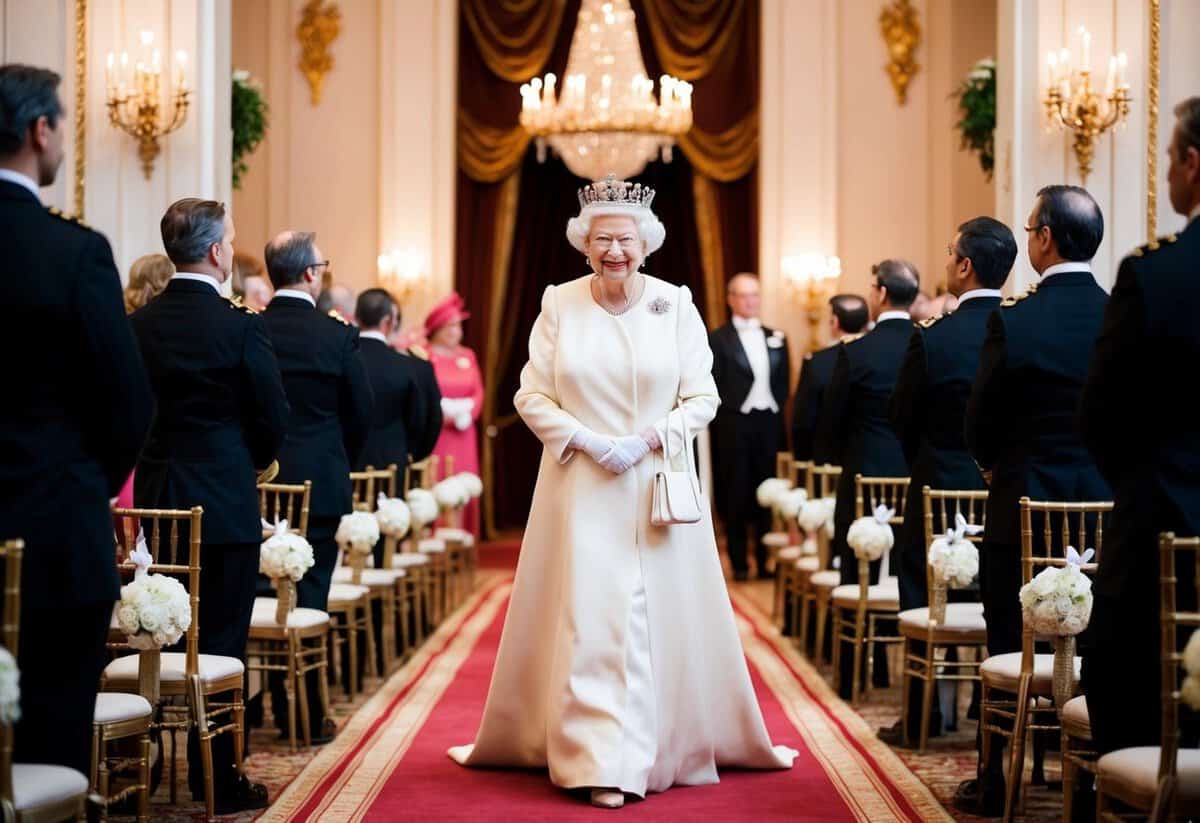
When you explore the significance of royal wedding music, you’ll find that it is more than just a backdrop; it enhances the emotional and ceremonial aspects of the day. For Queen Elizabeth, the selection of “Lauda Anima” added a layer of majesty to an already historic occasion. Through this piece, you can sense the grandeur and importance of the moment, marking the beginning of a new chapter in her life.
Delving deeper into the significance of this song, you can see how music weaves through the fabric of royal history. It connects past and present royals, showcasing their values and traditions. Understanding this adds greater appreciation for the caring thought put into such a monumental event.
The Royal Wedding Ceremony
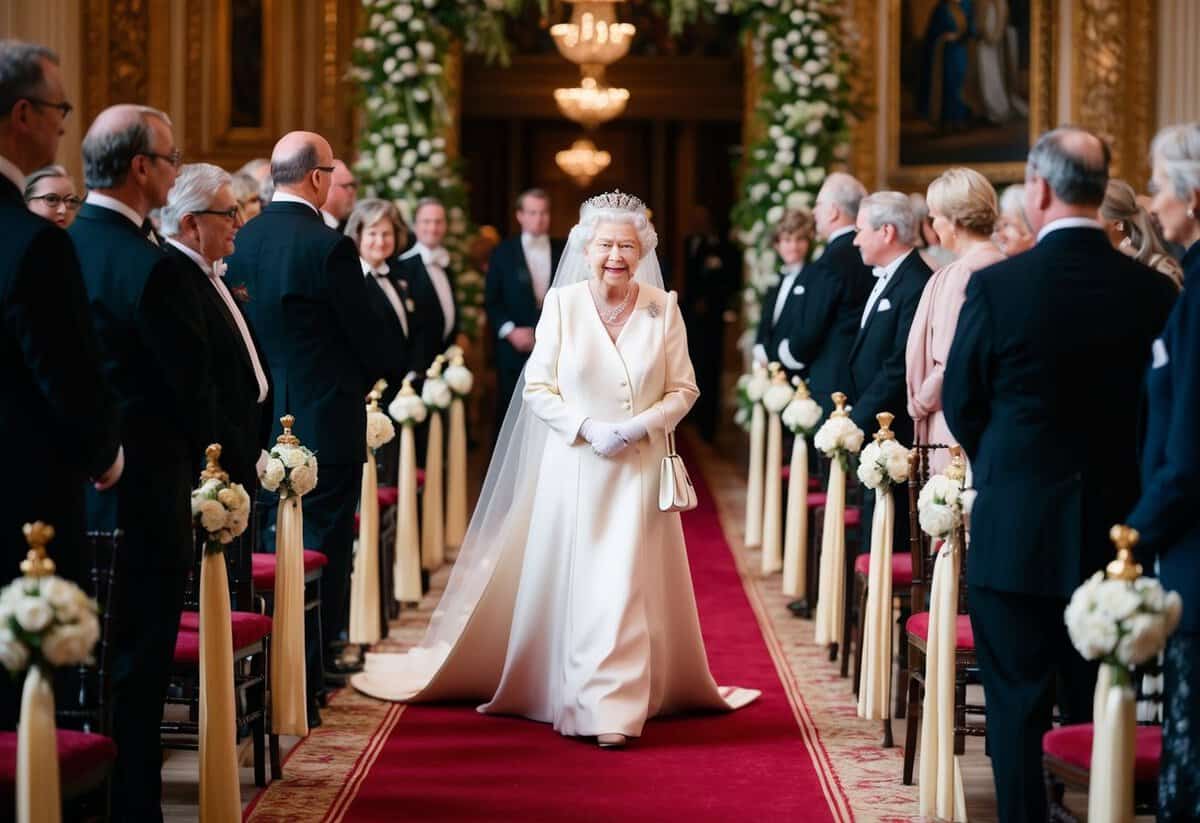
The royal wedding of Queen Elizabeth II and Prince Philip was a significant event filled with rich traditions and memorable moments. It took place at St. George’s Chapel in Windsor Castle, offering a picturesque setting for the ceremony. The music played during this special occasion added to its beauty and grandeur.
Historical Significance
Queen Elizabeth II’s wedding on November 20, 1947, marked a pivotal moment in British history, coming just two years after World War II. The couple’s union symbolized hope and stability for a nation in recovery. The ceremony at St. George’s Chapel was attended by many dignitaries and royal family members, reflecting the importance of the event.
The choice of music during the ceremony was also deeply significant. A regal melody accompanied the bridal procession, enhancing the sense of majesty. This wedding set the stage for future royal ceremonies and became a reference point for royal traditions.
The Bridal Procession
As Queen Elizabeth II walked down the aisle, the atmosphere was filled with admiration. The bridal procession featured the choir, accompanied by a beautiful arrangement of wedding music. This special moment highlighted the elegance and formality of the occasion.
The couple later appeared on the Buckingham Palace balcony, where they greeted an enthusiastic crowd. This joyful moment allowed the public to share in their happiness. The ceremony, along with the iconic balcony appearance, became etched in the minds of millions, embodying the spirit of royal love.
Music Selections
The music chosen for royal weddings is not just about melody; it carries deep significance and tradition. In this section, you’ll discover the key hymns and notable composers that shaped the musical landscape of Queen Elizabeth’s wedding.
The Importance of Hymns
Hymns play a crucial role in royal ceremonies. They reflect the values and beliefs of the monarchy. One notable hymn is “Praise My Soul, The King of Heaven,” which was selected for Queen Elizabeth’s wedding to Prince Philip in 1947. This hymn’s majestic tune is uplifting and evokes a sense of reverence.
Another cherished hymn is “The Lord Is My Shepherd,” often associated with comfort and faith. It contributes to the solemn yet celebratory atmosphere of such occasions. These selections bring together the family’s history and the royal tradition, making every wedding unique.
Featured Performances and Composers
The music for royal weddings often features compositions from renowned musicians. George Frideric Handel is one such composer whose works are beloved by the royal family. His piece “I Was Glad“ has been performed at various royal events, adding a layer of grandeur to the ceremony.
Additionally, the hymn “Eternal Source of Light Divine” is celebrated for its uplifting message. The musical selections are not just about the songs; they involve skilled performers. The Queen’s favorite singer often adds a personal touch, creating an unforgettable experience for everyone involved.
Notable Attendees and Traditions
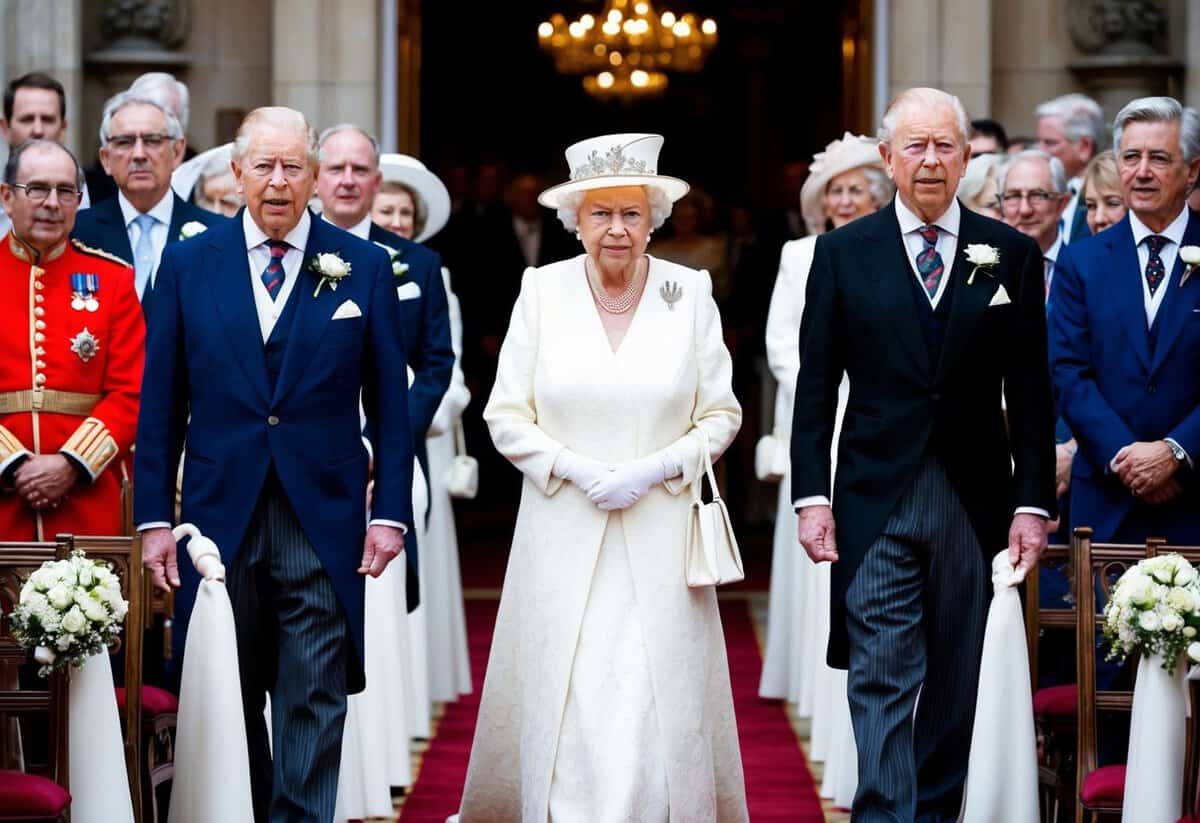
Queen Elizabeth’s wedding in 1947 was a grand affair attended by many important figures. The presence of royal family members and dignitaries highlighted the significance of this event. Additionally, the wedding set the stage for traditions that would influence future royal ceremonies.
Royal Family Members and Dignitaries
At Queen Elizabeth’s wedding, numerous members of the royal family and notable dignitaries attended. Key figures included King George VI, Elizabeth’s father, and Queen Mary, her grandmother.
Other notable attendees were Princess Margaret and Prince Philip, who later became the Duke of Edinburgh. The event took place at Westminster Abbey, a venue that has hosted many royal weddings.
The wedding drew a global audience. This large gathering showcased the importance of royal unity and tradition.
Influence on Later Royal Weddings
Queen Elizabeth’s wedding set important precedents for future royal ceremonies. Traditions established during her wedding continue to influence later events, including the weddings of her children and grandchildren.
For instance, the music played during the processional has become a significant detail for royal weddings. Both the Duchess of Sussex, Meghan Markle, and Kate Middleton walked down the aisle to special songs that held personal meaning.
Additionally, traditions like the balcony appearance at Buckingham Palace became iconic. This practice connects back to Queen Elizabeth’s wedding, where the newlyweds celebrated with the crowd, showcasing a sense of joy and royal continuity.