
What Time Should a Wedding Reception Start? Tips for a Perfect Celebration
Choosing the right time for your wedding reception can be tricky. Wedding receptions usually start between 5 p.m. and 6 p.m. This allows guests enough time to enjoy the ceremony and transition to the celebration. This timing also sets the mood for a fun-filled evening while keeping guests engaged and energized.
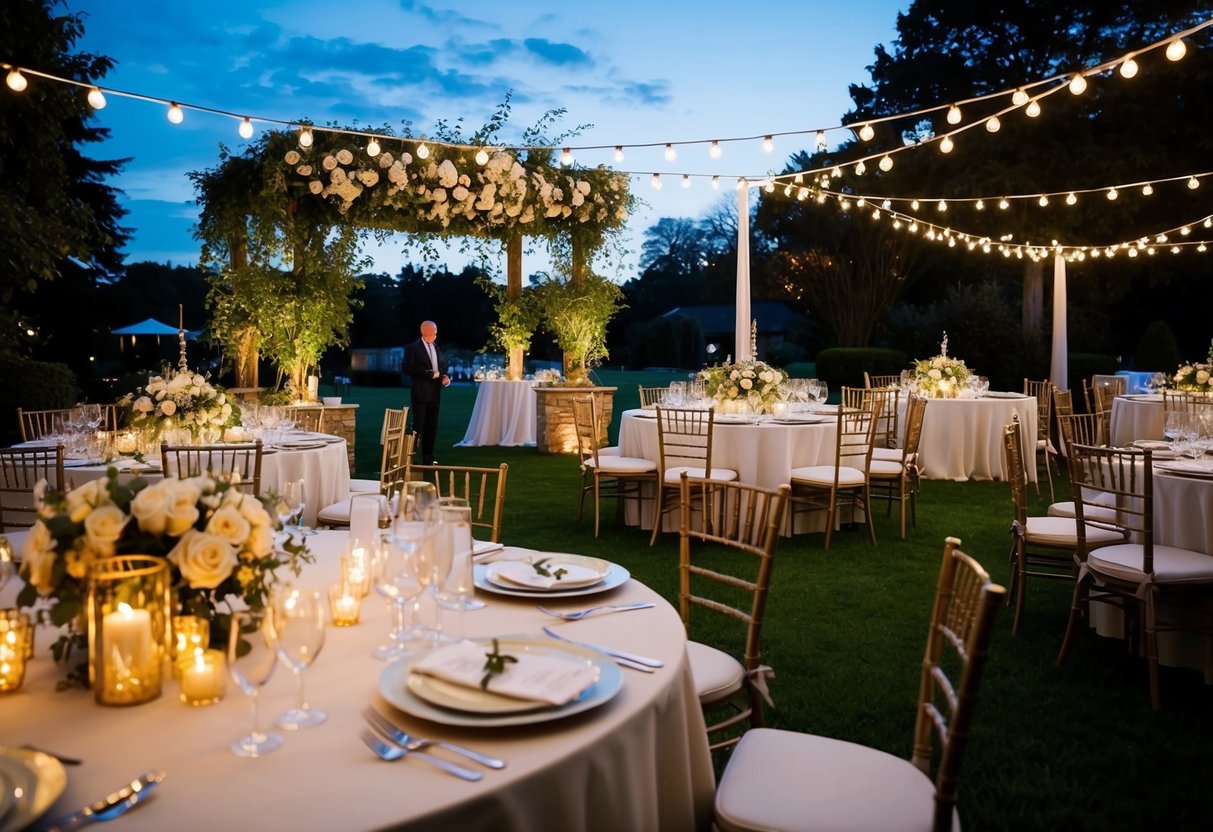
Think about your guest list and the vibe you want for your celebration. If you have families attending, starting a bit earlier may work better, especially for younger guests. You want everyone to feel comfortable and involved in the festivities.
The start time can influence the overall flow of your special day. By planning smartly, you can ensure that your reception is enjoyable for everyone and creates lasting memories.
Determining Your Wedding Day Timeline
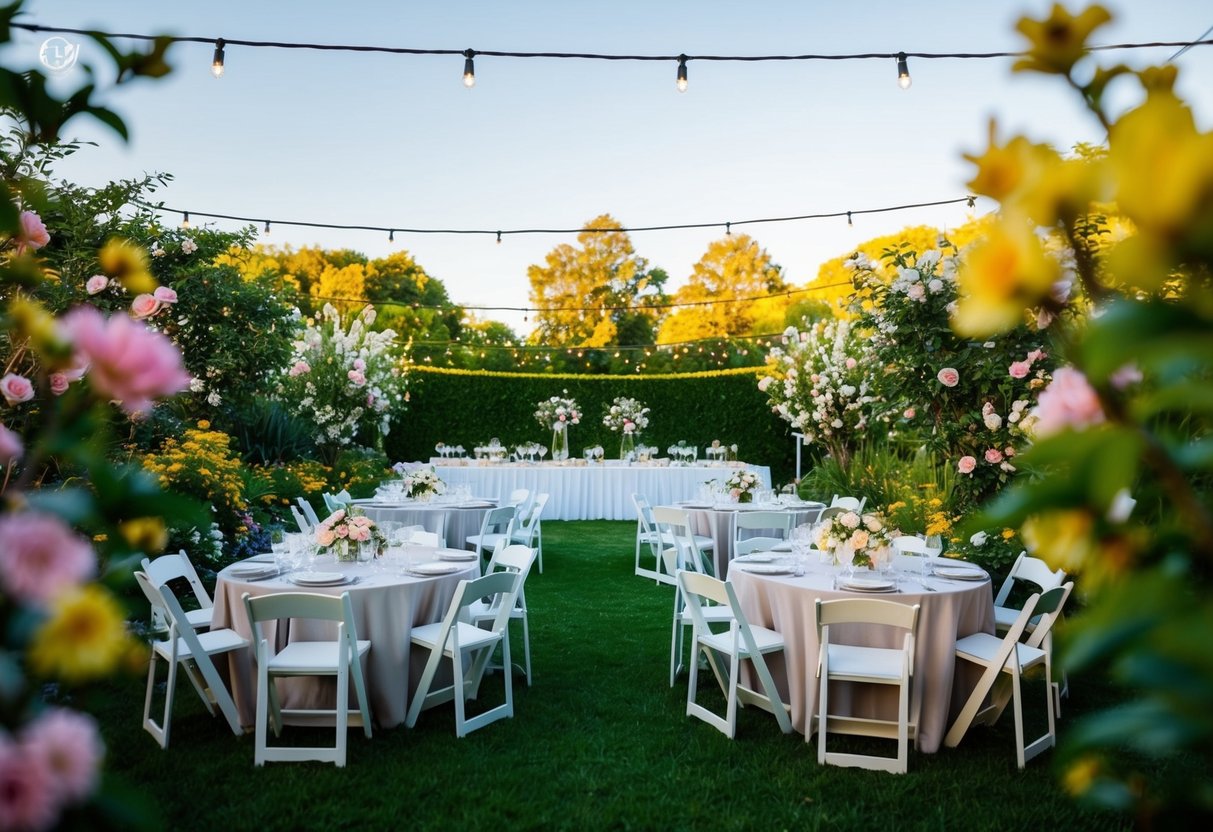
Creating a solid wedding day timeline is key to ensuring your special day unfolds as you envision. It affects everything from the start time of your ceremony to how your guests experience the celebration. Planning properly helps you stay relaxed and enjoy every moment.
Initial Planning Considerations
Begin by thinking about the type of wedding you want. Would you prefer a morning wedding, an afternoon celebration, or an evening reception? Each option has its own charm and can influence your guests’ experience.
Consider how long your ceremony will last and any other important activities such as speeches and toasts. Factoring in travel time between locations is crucial too. If your ceremony and reception sites are far apart, that can change your start time.
Arranging Ceremony and Reception Start Times
The ceremony start time is an important choice you’ll make. Most weddings start in the late afternoon, around 4 or 5 p.m., which gives guests time to arrive without rushing. You might find that a later start allows for beautiful sunset photos.
When planning your reception, it’s usually a good idea to start just after the ceremony ends. This helps to keep the energy high. For example, if your ceremony starts at 5 p.m., consider a 6 p.m. reception. This gives time for guests to mingle and you to have photos taken, making for a smoother transition.
Incorporating Traditional Events
Your wedding timeline should also include traditional events like the cake cutting, first dance, and bouquet toss. These moments tend to happen during the reception.
For example, after dinner, you might have the cake cutting around 9:30 p.m., allowing guests to settle in and enjoy their meals first.
If you want to include pre-ceremony photos or a cocktail hour, add those to your timeline. Discuss your choices with your wedding planner to ensure everything flows seamlessly. Balancing fun with tradition enriches the overall experience for you and your guests.
Pre-Ceremony Activities
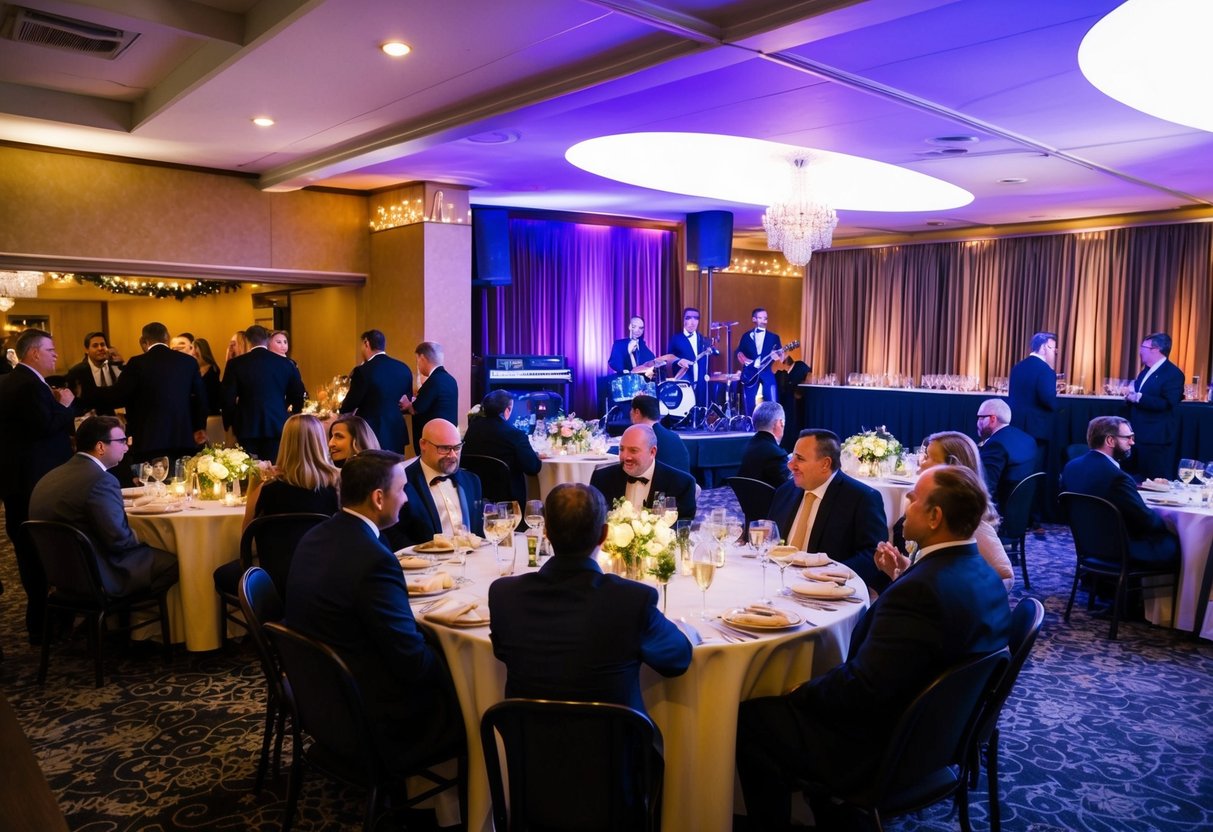
Before the ceremony, several important activities help set the tone for your special day. You’ll want to focus on getting ready and capturing those first magical moments.
Getting Ready
Getting ready is a fun and exciting part of the wedding day. It’s when you and your wedding party can relax and enjoy some quality time together.
Hair and Makeup: Arrange for hair and makeup services in advance. Schedule enough time to ensure everyone looks their best.
Snacks and Drinks: Don’t forget to provide some light snacks and drinks. This keeps everyone energized and in good spirits.
Photographer: Make sure your photographer arrives early to capture candid moments. This includes everyone prepping and any emotional moments with family.
First Look and Wedding Party Photos
The first look is a special moment between you and your partner. It often happens before the ceremony, allowing you to see each other privately.
First-Look Photos: Ensure your photographer is ready to capture this moment. It creates beautiful memories and sets the tone for the day.
Once the first look is complete, gather your wedding party for photos.
Wedding Party Photos: Plan a designated time and location. This helps in getting a mix of fun and formal shots with your closest friends and family.
Taking these steps ensures you can enjoy these memorable moments before the ceremony begins.
The Wedding Reception
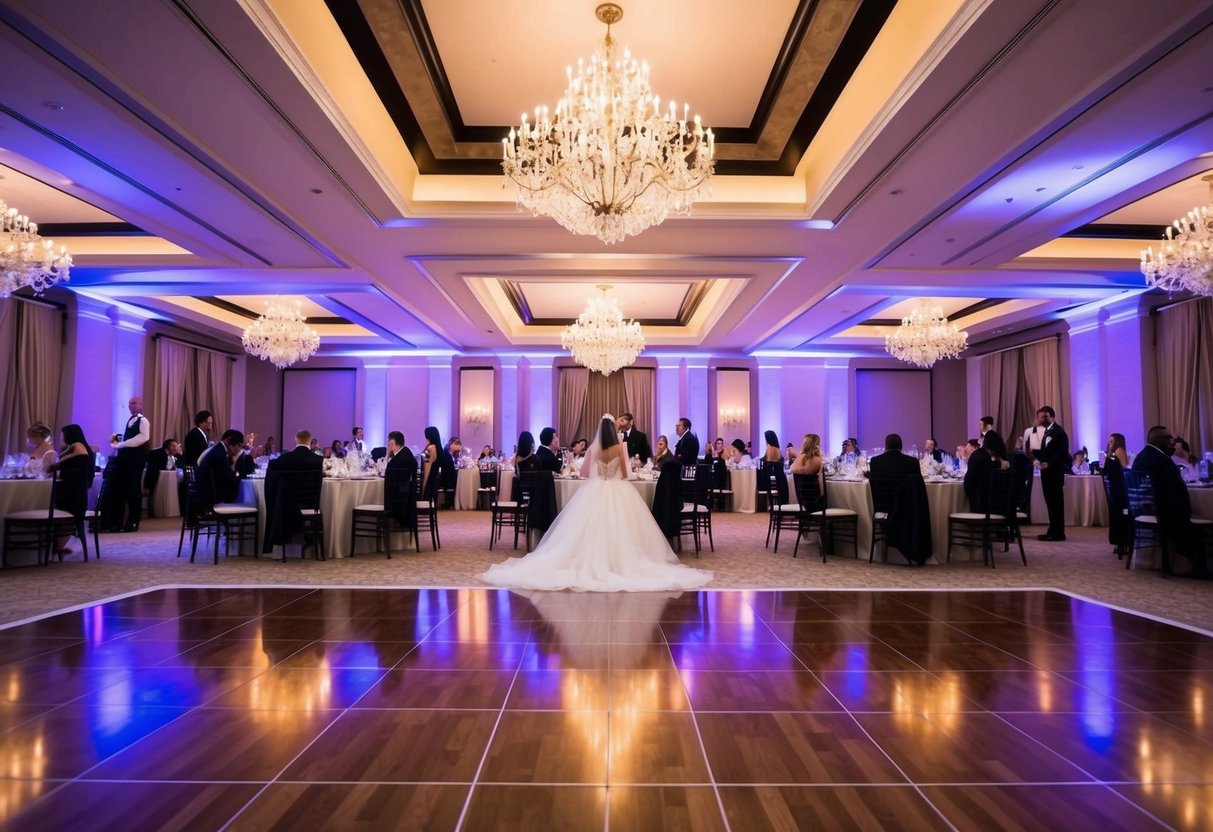
Planning the timing for your wedding reception is essential for creating a smooth flow of events. You want your guests to enjoy the celebration while ensuring that key moments are timed perfectly.
Choosing the Perfect Start Time
When deciding what time to start your wedding reception, consider several factors. Most receptions begin within one hour after the ceremony to allow time for photos. This helps guests mingle while you capture special moments.
Typically, if your ceremony starts in the afternoon, aim for a reception around 5:30 PM. For evening ceremonies, a start time of 7:30 PM is common, especially for evening guests. Your venue coordinator can assist in determining the best times based on natural lighting, so consider their guidance.
The expected length of your reception also plays a role. A reception of four to five hours allows ample time for dinner, toasts, and dancing, while still wrapping up at a reasonable hour for guests, particularly those with kids.
Managing Reception Events
Once you have chosen a start time, it’s important to manage the flow of events. Create a wedding reception timeline that includes highlights such as the cake cutting, first dance, and parent dances. This ensures that you don’t miss any important moments.
Consider the order of events carefully. For instance, serving drinks as guests arrive helps set a welcoming atmosphere. Plan to cut the cake after dinner, and reserve time for an after-party if desired.
It’s also wise to inform everyone involved, from your venue coordinator to your bridal party. Clear communication keeps everything on track and makes your reception enjoyable for all. Engaging activities and delicious dessert options can keep your guests entertained throughout the night.
Capturing the Moment
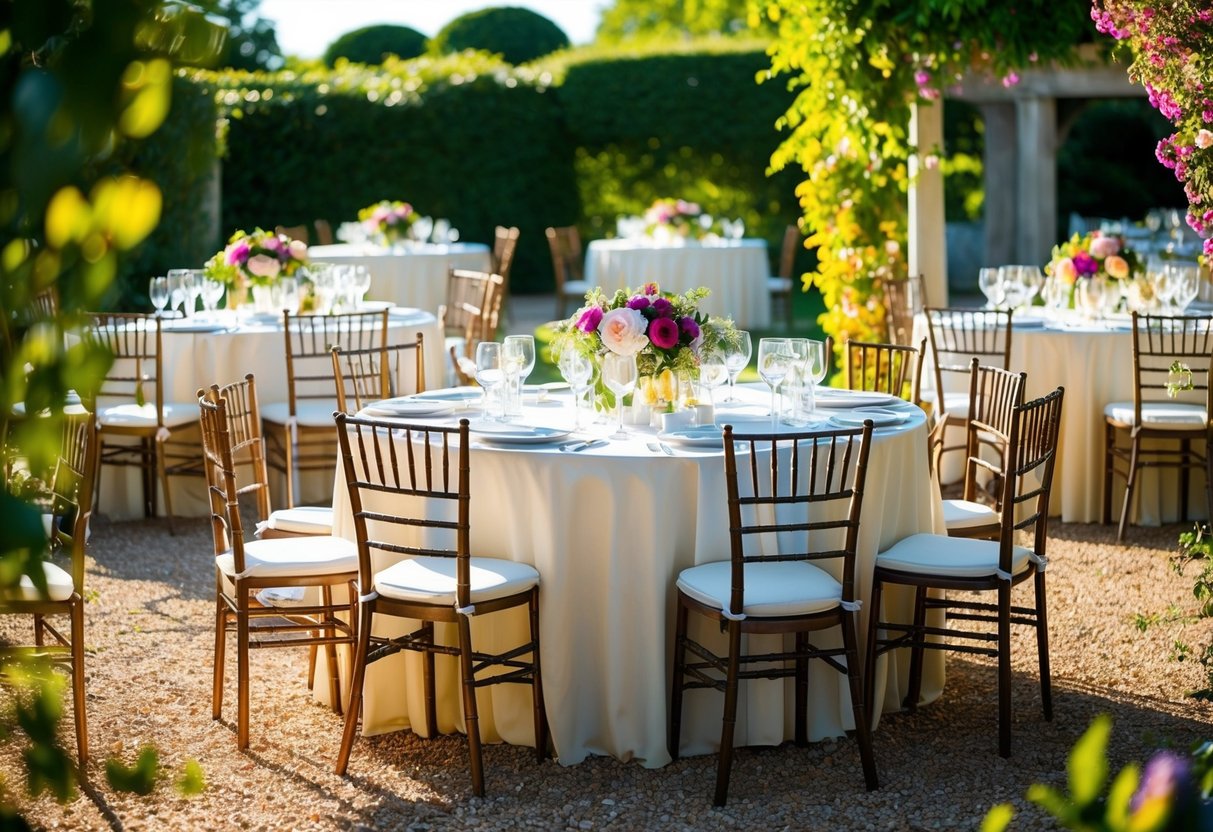
Choosing the right time for your wedding reception can greatly impact the quality of your photos. Natural lighting plays a key role in how beautiful your memories will turn out. Here are some important points to ensure you capture those special moments.
Timing for Optimal Photography
The golden hour is a photographer’s favorite time. This occurs approximately one hour before sunset when the light is soft and warm. For family photos and couple shots, planning your portraits during this time can result in stunning images.
Be aware of your wedding’s sunset time. If you want to take advantage of those perfect lighting conditions, schedule your ceremony accordingly. Aim for a twilight ceremony if possible, which allows for beautiful transitions from day to night. Your photographer can help you determine the best times based on your specific location.
Creating Memories with Sunset Photos
Sunset photos can be one of the most magical parts of your wedding day. As the sun dips below the horizon, the colors in the sky create a breathtaking backdrop. This moment presents an ideal opportunity for capturing intimate photos with your newlyweds.
Make sure to carve out time for these shots in your itinerary. You might ask your photographer to prepare for this gorgeous outdoor wedding moment.
Consider timing your grand entrance just before sunset. This allows for a gradual shift from vibrant skies to the beautiful hues of twilight, giving you a variety of looks in your photos.