
What to Do 40 Days Before Wedding? Essential Tips for a Stress-Free Countdown
As your wedding date approaches, excitement and nerves may mix together. You might wonder what to tackle first in your wedding planning at this crucial stage. Forty days out is the perfect time to finalize details, confirm vendors, and check off items on your wedding to-do list. Taking these steps now will help ensure a smooth lead-up to your big day.
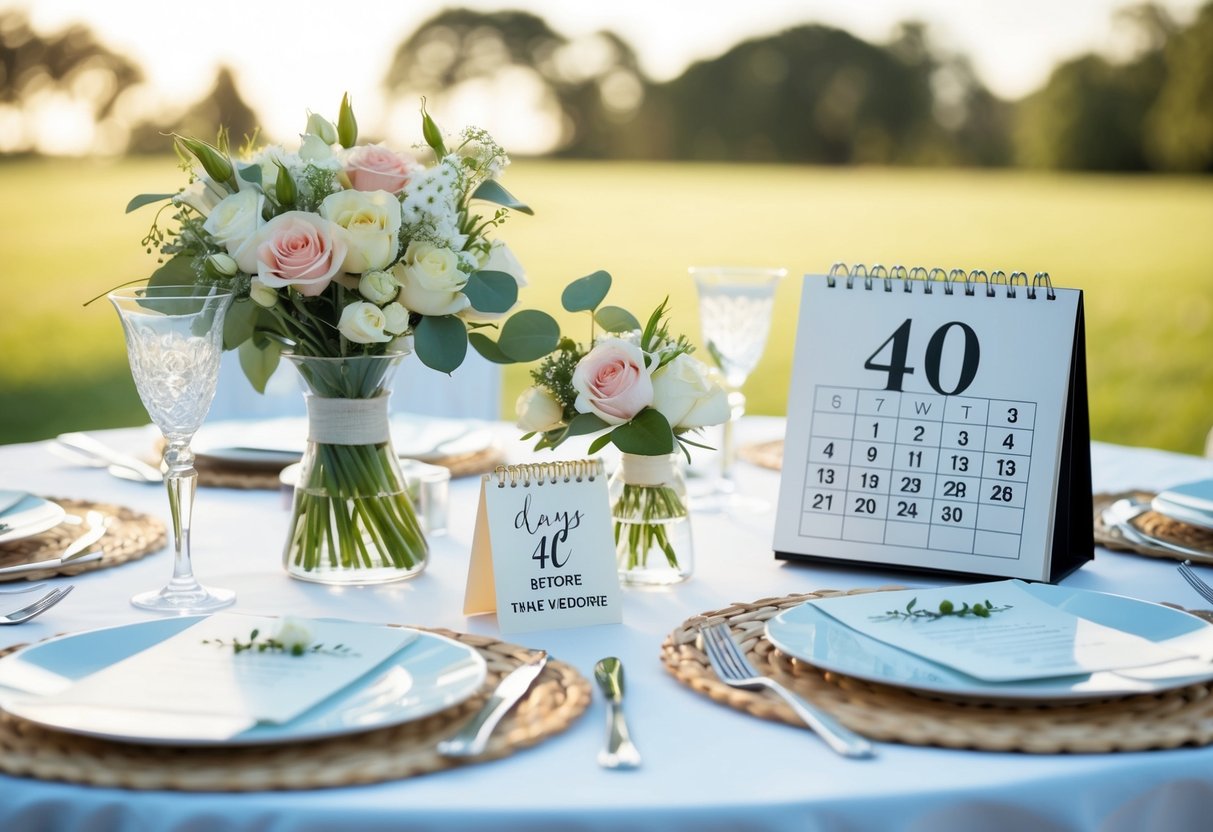
You should review your guest list and get a final count for your venue, which is essential for catering and seating arrangements. Also, this is a great time to have your final dress fitting and ensure that everything looks just right. Remember, it’s the final countdown to your celebration, so getting organized can bring you peace of mind.
Don’t forget to take a moment for yourself amidst the planning frenzy. Consider scheduling some time to relax, whether it’s a spa day or a fun outing with friends. Keeping a balance of wedding planning and self-care will help you enjoy every moment leading up to your wedding day.
Finalizing the Big Details

At 40 days before your wedding, it’s time to lock in all the essential details. This includes confirming with your vendors, establishing a solid wedding day timeline, and completing any necessary legal documents. Let’s explore each area to ensure you are well-prepared.
Confirm with Vendors
Reaching out to your wedding vendors is crucial at this stage. Check in with your caterer, florist, photographer, and any other service providers. Confirm their availability and discuss any final details.
Make a list of questions to ask. These could include:
- Are there any last changes to the menu?
- Have you confirmed the timeline with your team?
- What time will you arrive on the wedding day?
Keep all agreements in writing for reference. This helps avoid misunderstandings as the day approaches.
Finalize Wedding Day Timeline
Creating a detailed wedding day timeline is essential for a smooth event. Start by outlining the major events, including the ceremony, reception, and speeches.
Consider the following:
- What time do vendors need to arrive?
- When will hair and makeup begin?
- How long will each part of the ceremony take?
Draft a timeline that includes all activities and share it with your vendors. This ensures everyone is on the same page and prepares them for the big day.
Complete Legal Documents
Don’t forget about the paperwork! Securing your marriage license is an important step that should not be overlooked. Check your state’s requirements and apply for your license at least a few weeks ahead of time.
Collect any other necessary documents, such as identification or affidavits, if needed. Make sure to understand what else you may need on the wedding day to ensure everything goes smoothly.
Taking care of these details now helps lighten your load as you get closer to your wedding!
Personal Preparations
As your wedding day approaches, personal preparations become essential. This is your time to look and feel your best. Focus on beauty routines, final fittings, and creating your emergency kit.
Beauty and Grooming Appointments
Schedule your beauty and grooming appointments early. Consider booking sessions for your haircut, manicure, and pedicure. A fresh haircut can boost your confidence, while manicured nails will look great on the big day.
Don’t forget about your skincare routine. Treat yourself to facials that hydrate and prepare your skin. The goal is to have a healthy glow. If you’re planning on changing your hair color, do this at least a month before the wedding. This gives time to fix any issues.
Final Dress and Suit Fittings
This is the time for your final dress and suit fittings. Schedule these well in advance, preferably about 30 days before the wedding. Make sure to bring your wedding shoes for the fitting. This step ensures the perfect fit and comfort on your special day.
When trying on your wedding dress or suit, pay attention to how it feels. Move around and sit down. If you notice any adjustments needed, communicate this with your tailor. Making these changes early avoids stress closer to the wedding.
Pack Your Wedding Day Emergency Kit
Packing an emergency kit is a smart move. Include safety pins, bandages, and tissues. These small items can save the day if something goes wrong.
Think about what else you might need. Consider adding items like a small stain remover, a hairbrush, or even a backup lipstick. Having these things ready will let you enjoy your day without worrying about unexpected mishaps.
Being prepared helps you focus on the joy of the day!
The Final Touches
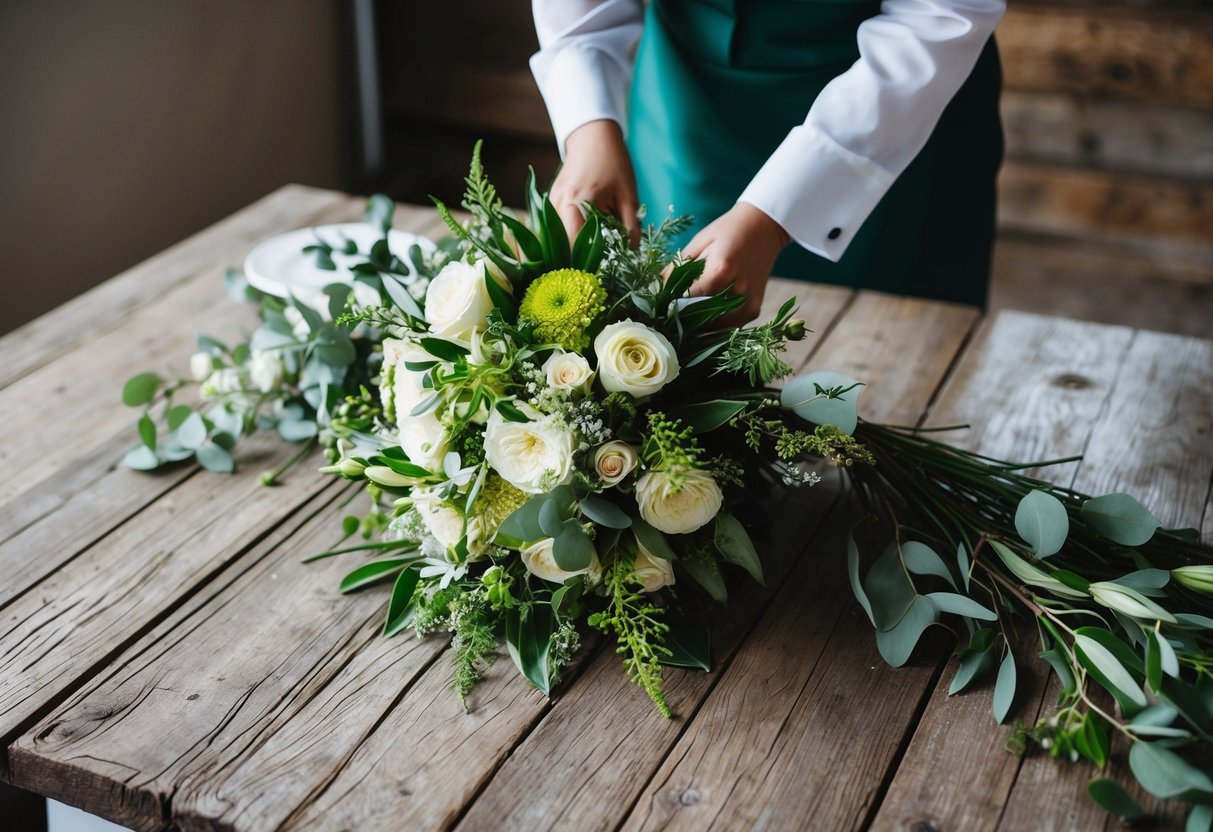
As your wedding day approaches, it’s time to focus on the final details. This includes preparing payments, creating welcome bags, and reviewing the seating plan. Each task is essential for ensuring everything runs smoothly on your big day.
Prepare Payments and Gratuities
Gather all your final payments for vendors. Make a checklist of who you need to pay and when payments are due. This list usually includes the venue, caterer, photographer, and florist. Confirm the amounts to avoid any last-minute surprises.
Next, prepare gratuities for service staff. Traditionally, it’s good to tip the wedding planner, DJ, and waitstaff. A common tip is 15-20% of the total service fee, but feel free to adjust based on the service level received. Having cash ready in envelopes makes it easy to distribute tips on the wedding day.
Assemble Welcome Bags and Favors
Welcome bags are a thoughtful touch for your guests. Start by choosing a bag that reflects your wedding theme, then fill it with light snacks, water bottles, and local goodies. Consider including a schedule of events to keep your guests informed.
Don’t forget wedding favors! These small gifts show appreciation to your guests. Choose something meaningful, like personalized items or local treats. Aim for one favor per person, and arrange them neatly at the reception or inside the welcome bags.
Review the Seating Plan
A seating plan helps your guests feel comfortable and ensures everyone knows where to go. Begin by finalizing your guest list and categorizing attendees by groups, like family and friends. Use a large board or program to display the seating chart clearly.
Make sure to double-check the arrangement to avoid any conflicts. It’s wise to identify who should sit near whom and consider any special needs. Once confirmed, share the seating plan with the venue staff for setup.
Pre-Wedding Celebrations and Rehearsals
As your wedding day approaches, planning pre-wedding celebrations and rehearsals is vital. These events not only help you prepare but also create memorable moments with your loved ones.
Plan Rehearsal Dinner
The rehearsal dinner is often the most significant pre-wedding event. It usually takes place after the dress rehearsal, giving everyone a chance to unwind. You can host this dinner at a favorite restaurant or your home.
Make a guest list that includes close family members and your wedding party. This is a wonderful time for everyone to bond before the big day. Coordinate with your partner about the menu and any special toasts you’d like to share. Sending invitations four to six weeks in advance is best for better attendance.
Consider making it personal! You could include a fun slideshow of engaging photos from your relationship.
Coordinate Pre-Wedding Events
In addition to the rehearsal dinner, you also need to plan other essential pre-wedding celebrations. These include the engagement party, bridal shower, and bachelorette party.
The engagement party is often the first celebration, welcoming friends and family to announce your plans. Following that, the bridal shower lets guests shower you with gifts and well wishes. Your family or friends generally host this event.
The bachelorette party is an exciting way to celebrate your last days of being single. Gather your close friends for a fun weekend getaway or a night out.
Each event contributes to the joy leading up to your wedding day. Make sure to enjoy every moment and involve your bridal party in the planning!