
What to Do 7 Months Out from a Wedding? Essential Planning Tips for a Successful Celebration
Planning your wedding can feel both exciting and overwhelming. Seven months out is a crucial time to take important steps, like booking your rehearsal dinner venue and finalizing your guest list. This is when you can really start bringing your vision to life.
Getting organized now will help reduce stress as the big day approaches.
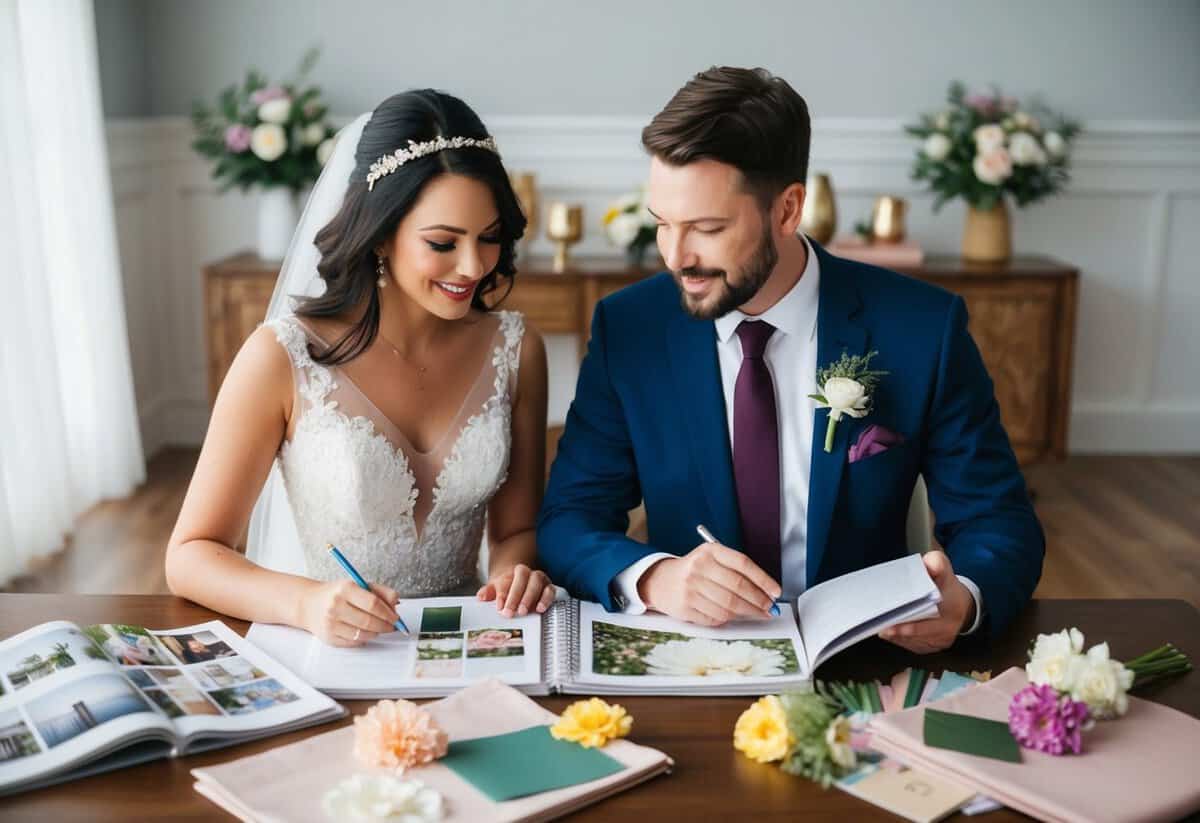
At this stage, it’s also a great time to think about your wedding style and colors. You can use these choices to guide decisions on invitations and decor. Remember, the more details you nail down now, the easier it will be to make decisions later on.
Don’t forget about your beauty plan! Start scheduling hair and makeup trials to find the perfect look for your special day. With thoughtful planning and a clear to-do list, your wedding will come together beautifully.
Setting the Stage: Wedding Planning Begins
As you look ahead to your big day, now is the perfect time to lay the groundwork for your wedding. Focus on finalizing your guest list, securing a venue, and picking the right date. These steps are crucial in shaping your wedding experience.
Finalizing the Guest List
Creating your guest list is one of the first tasks in the wedding planning timeline. Start by listing everyone you want to invite. Include family, friends, and any other important people in your life.
Once you have a rough list, categorize guests into groups. You might have close family, friends, and work colleagues. This makes it easier to see how many people you can invite within your wedding budget.
Discuss your list with your partner. Make sure you both agree on who to invite. Keep in mind the capacity of your chosen venue. Aim for a number that feels comfortable and manageable.
Don’t forget to consider plus-ones for singles. This can affect the total count too. After finalizing, you might want to order save-the-dates. These help inform guests early about your wedding plans.
Securing Your Dream Venue
Choosing the right wedding venue is vital. Start by setting a budget. Venues can vary greatly in cost, so knowing what you can spend will narrow down your options.
Research different venues online. Look for places that fit the vibe you want, whether it’s rustic, elegant, or modern. When you find venues you like, schedule visits to see them in person.
During your visit, pay attention to details like capacity, facilities, and location. Ask about packages they offer, including decor and catering options. Many venues provide all-inclusive packages, which can simplify your planning.
Once you’ve found the perfect venue, secure it as soon as possible. Popular places book up fast, especially during peak wedding seasons. A quick decision can save you stress down the road.
Choosing the Perfect Date
Selecting a wedding date is an exciting step. Consider factors like the season, holidays, and your preferred day of the week. Each choice can impact availability and pricing.
Weekends are the most popular, but weekdays can save you money. If you’re okay with a Sunday or even a Friday, you might get a better deal at some venues.
Before finalizing your date, check with your key guests. Important family members or friends should be available if possible. Their presence can make your day even more special.
Once your date is set, it’s time to communicate this to your guests as soon as possible. Update your guest list with their corresponding save-the-dates to keep everyone informed. This will help everyone plan accordingly.
Dress to Impress: Fashion and Attire
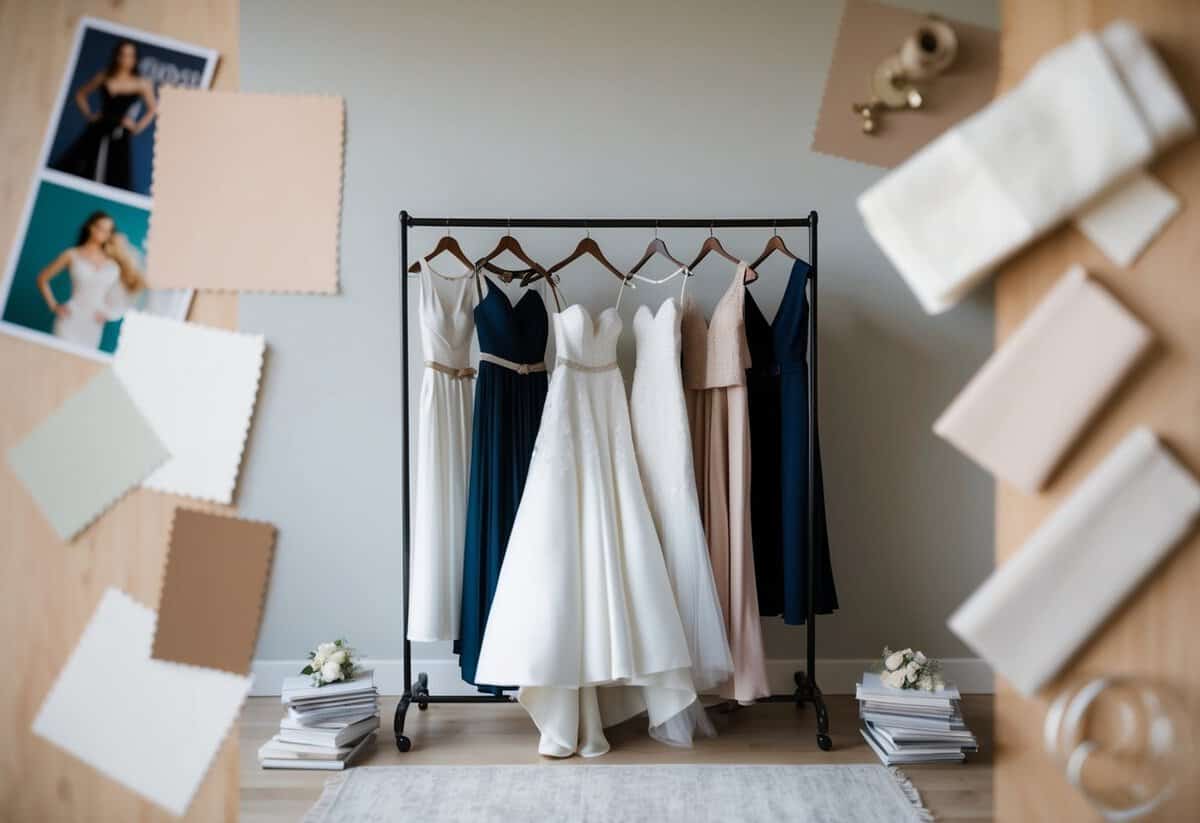
When planning your wedding, focusing on fashion and attire is essential. You want to create a look that impresses while making you and your wedding party feel comfortable and confident. Here’s how to navigate your choices.
Finding Your Ideal Wedding Dress
Choosing your wedding dress is one of the most exciting parts of wedding planning. Start by considering your wedding theme and colors. This will help you find a dress that fits perfectly with your vision.
Try on various styles, such as A-line, ball gown, or mermaid. Don’t forget about the fabric and embellishments that complement your personality. Keep your budget in mind, but remember that alterations may be necessary for the perfect fit.
Make appointments at bridal shops and invite a few close friends or family members for support. Finding “the one” can take time, so enjoy the process!
Coordinating the Wedding Party Attire
Next, it’s time to dress your wedding party. Consider the bridal party’s outfits, including bridesmaids and groomsmen. Choose colors that align with your wedding palette, ensuring everyone looks cohesive.
For bridesmaids, discuss dress styles that flatter different body types. You can opt for matching dresses or mix and match within your color scheme. Groomsmen should coordinate with suits that match the formality of your event.
Create a checklist of who needs to wear what, including hair and makeup ideas for the bridesmaids. This planning ensures that the entire wedding party feels confident and looks fantastic.
Accessorizing with Wedding Bands and Jewelry
Accessories can elevate your wedding look. Start with your engagement ring, making sure it complements your wedding band. Consider options like matching sets or unique styles that reflect your personality.
For your bridesmaids, provide them with jewelry that complements their dresses. Simple pieces often work best, allowing the dresses to shine. Don’t forget about the groomsmen; adding ties or pocket squares can unify their look.
Also, think about hair accessories like veils, tiaras, or floral arrangements. These final touches will enhance the overall vibe of your special day.
The Prelude to ‘I Do’: Events Leading Up to the Wedding
As you approach the exciting seven-month mark before your wedding, several important events will help set the stage for a smooth celebration. These gatherings not only bring your loved ones together but also make your upcoming marriage even more special.
Hosting the Engagement Party
The engagement party is typically the first celebration after you say “yes.” This event is a wonderful way to bring together family and friends to celebrate your love.
You can choose a casual setting at home or a more formal venue. Typically, the hosts of this party are either the couple or their families. Focus on creating a fun atmosphere with good food and drinks.
Consider sharing your engagement photos during the party. This allows guests to see how your journey began and makes the event more personal. Activities like games or a toast can also help break the ice.
Planning the Rehearsal Dinner
The rehearsal dinner is an essential event that occurs the night before the wedding. This gathering allows everyone in the wedding party to rehearse their roles.
Choosing a location is key. You might prefer a restaurant, banquet hall, or even a backyard. A relaxed atmosphere will help everyone feel comfortable.
Typically, the groom’s parents host the rehearsal dinner, but anyone can take the lead. Prepare a simple dinner and consider a toast or speech from close family. Keep the vibe casual and joyful.
Commencing Premarital Counseling
Premarital counseling is an important step for many couples as they prepare for marriage. This process helps strengthen your relationship and address potential challenges.
Find a suitable counselor or therapist who specializes in premarital guidance. Sessions may cover communication skills, financial discussions, and family planning.
Setting aside time for this counseling can deepen your understanding of each other. It helps create a strong foundation for your future together, making it a worthwhile investment. Engage with this process openly and honestly for the best outcomes.
Final Touches: Details That Make Your Wedding Day Unique
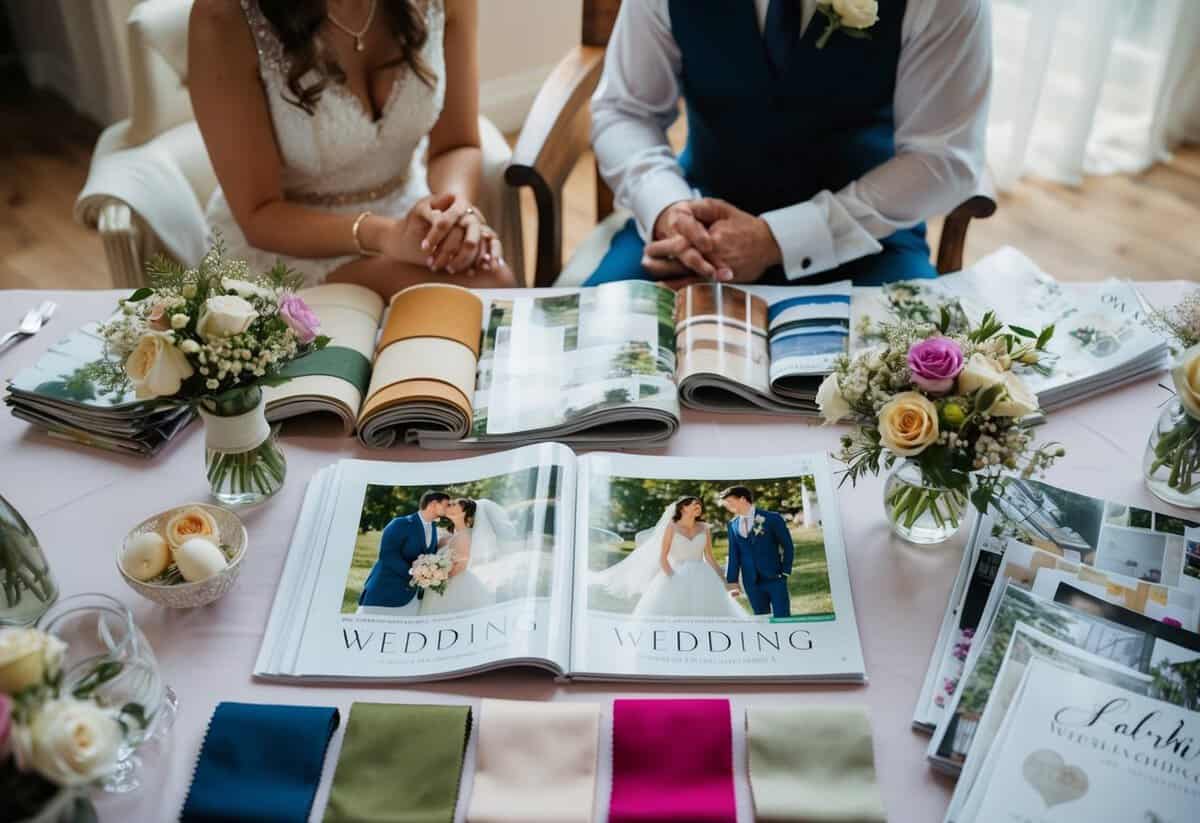
As your wedding day approaches, there are several key details to consider. Focusing on your invitations, creating a timeline, and preparing an emergency kit will help ensure a smooth and personalized celebration.
Designing Your Wedding Invitations and Stationery
Your wedding invitations set the tone for your big day. Choose a design that reflects your style, whether it’s elegant, rustic, or modern. Include essential details like the date, time, and venue.
Consider adding a wedding website link for guests to find more information. This can include your story, registry links, and a seating chart. For the stationery, think about matching items like save-the-dates, menus, and thank-you cards to create a cohesive look.
Don’t forget to factor in your color palette when selecting designs. Incorporating your wedding colors will give your invitations a polished and unified appearance.
Creating a Memorable Wedding Day Itinerary
A well-thought-out wedding day timeline ensures everything goes smoothly. Start with the ceremony time, then backtrack to schedule hair, makeup, and photography. Make sure to allocate time for each part of the day, including breaks.
Share the itinerary with your bridal party, vendors, and family. This helps everyone know when and where they need to be. Plus, it allows you to ensure your wedding day decor matches the flow of events.
Include designated times for special moments, like speeches or first dances, to keep your guests engaged. Keep a copy on your wedding website for easy access.
Assembling Your Wedding Day Emergency Kit
An emergency kit is a lifesaver for any bride. You should pack items like safety pins, a sewing kit, and stain remover. Also, include personal items like pain relievers and breath mints to keep you fresh.
Don’t forget to add extras for your guests, like flip-flops or sunscreen if you’re hosting an outdoor wedding. These small favours show your thoughtfulness and make the day more enjoyable.
Make sure someone in your party knows where the kit is located. This way, it’s easy to access if a last-minute issue arises. Being prepared will help you relax and enjoy your special day.