
What to Do with Hands When Walking Down Aisle: Tips for a Confident and Graceful Experience
Walking down the aisle is a magical moment that many couples eagerly anticipate on their wedding day. It’s a time filled with emotions, and how you hold your hands can add to that special moment.
To keep your hands relaxed and natural, holding your bouquet gently at waist level is often the best approach. This not only makes you feel more comfortable but also allows your bouquet to be a beautiful focal point as you walk toward your partner.

As you make your way down the aisle, you might find yourself feeling a mix of excitement and nerves. You may want to practice keeping your hands steady and avoiding fidgeting.
Another option is to hand off your bouquet to someone close to you, like your Maid of Honor, before you reach the altar. This gives you the chance to hold hands with your future spouse during your vows.
Whether you’re the bride or one of the members of the wedding party, how you hold your hands can enhance the entire wedding ceremony. Keeping your hands visibly relaxed and confident can help convey the joy you feel as you approach your partner on this significant day.
Preparation and Practice
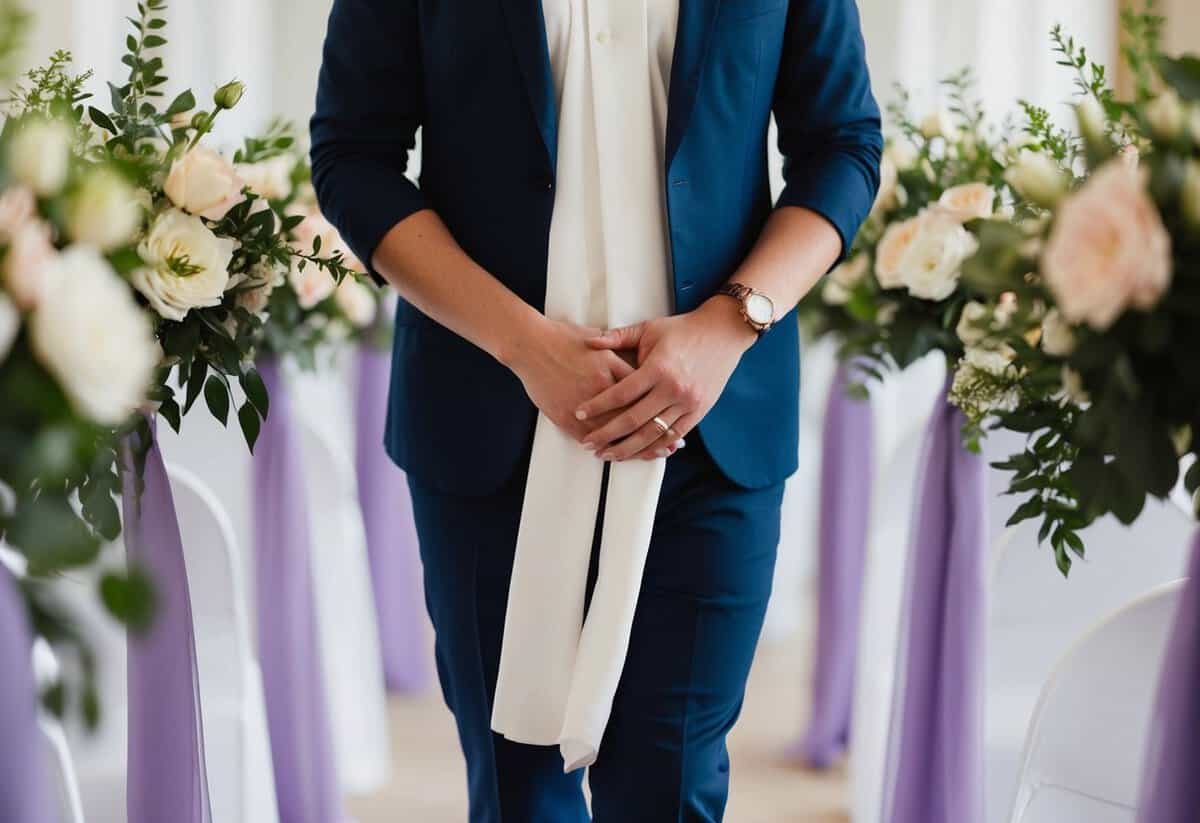
Before you walk down the aisle, taking some time for preparation and practice can make a big difference. This involves setting the stage, coordinating with your wedding party, and practicing your walk. Each step helps ensure you feel confident and at ease.
Setting the Stage
Start by choosing a location that resembles your wedding venue for practice walks. This will help you visualize the actual day. Consider factors like space and lighting.
If you have a long gown, practice how to hold it. This will help you avoid tripping. Think about the arrangement of flowers too. Hold your bouquet lower, just below your belly button. This helps keep your hands relaxed.
Walking on different surfaces, like grass or tiles, can also make a difference. You want to feel comfortable no matter where you walk.
Role of the Wedding Party
Your wedding party plays an important role in your practice sessions. Make sure your bridesmaids and the maid of honor participate. They can help with timing and coordination.
If there’s a flower girl or ring bearer, include them in the practice. This will help everyone know their positions and when to move. Practice together to create a rhythm; this can be fun and build excitement for the big day.
Make sure everyone communicates. Discuss how to hold hands, bouquets, and any unique roles. This will make it easier for you to focus on your walk.
Practice Makes Perfect
Rehearsals are a great time to practice your walk multiple times. Repeat the routine until you feel comfortable and confident.
Remember, it’s not just about walking; focus on how you hold your hands. Keep your posture straight and your shoulders relaxed. This will help you look graceful.
Running through your practice walk with shoes similar to what you’ll wear helps too. This way, you can adjust to any height differences or comfort issues.
Practice brings confidence. The more you walk, the more natural it feels. Enjoy each step; this is your special moment!
Walking with Confidence
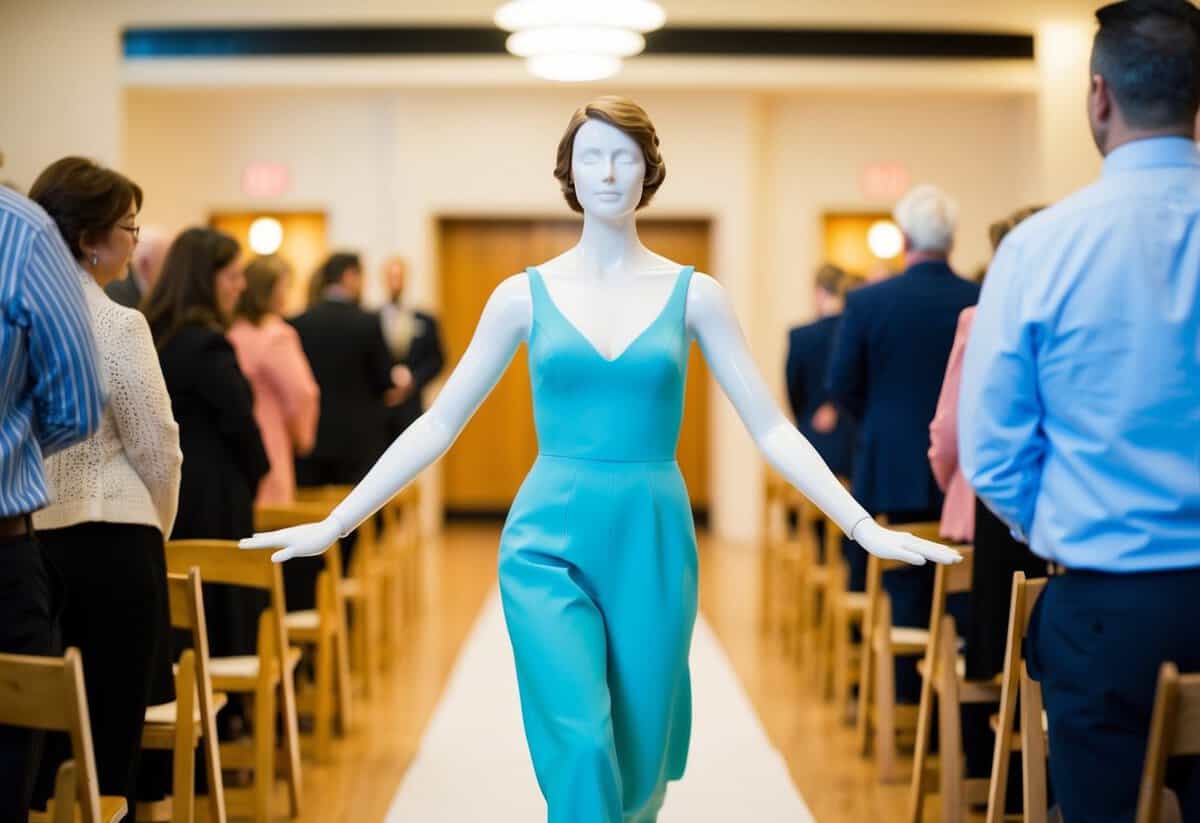
Walking down the aisle is a moment filled with emotions, and feeling confident can help you shine. Focus on your posture and how you navigate the space ahead to create a memorable entrance.
Posture and Poise
Good posture is essential for walking confidently. Stand tall with your shoulders back and your head held high. This not only helps you appear confident but also helps you breathe better.
As you prepare to walk, loosen up your arms and hands. Avoid locking your elbows; instead, let them move naturally at your sides. A gentle sway can express ease and comfort.
Remember to smile. A warm, genuine smile can calm your nerves and make you look more approachable to your guests. Making eye contact with friends and family along the way can also boost your confidence.
Navigating the Aisle
As you navigate the aisle, take note of where you place your feet. Watch your step to avoid tripping or stumbling.
Take slow, measured steps to maintain balance and grace. If you’re carrying a bouquet, hold it a few inches in front of your stomach. This position keeps it visible without blocking your view.
Try to keep your movements smooth and steady to avoid any jerky motions. Your goal is to glide, not rush. A steady pace helps you stay calm and gives your guests time to appreciate the moment.
Navigational Nuances

When walking down the aisle, it’s important to pay attention to timing and how you sync with any accompaniments. These elements can greatly enhance your experience and ensure a smooth entrance.
The Timing of Your Walk
Timing is crucial as you prepare for your grand entrance. Practice the exact pace that aligns with the music or cue from the officiant.
Typically, a slow yet steady walk allows everyone to appreciate the moment. Start your journey when the music begins or as the first notes play. This timing creates a seamless flow. If you’re walking with a parent, like your father, coordinate your steps.
Checklist for Timing:
- Know your cue: Whether it’s a specific song part or a nod from the officiant.
- Start strong: Ensure your entry is bold and confident.
- Keep it slow and steady: Too fast can lessen the emotional impact.
Accompaniments and Syncing
Your walk is often accompanied by music or honored guests. Synchronizing your movements with these elements offers a harmonious feel to the ceremony.
If you’re walking alone, you can wave to guests or carry a small token. If with your father, firmly hold his arm for support. This shows a connection and helps ease nerves.
Tips for Syncing:
- Practice together: Walk with your father or person of choice to develop a rhythm.
- Be aware of your surroundings: Greet guests with smiles or gentle waves as you walk.
- Hands matter: Keep your bouquet at your side to facilitate movement and minimize distraction.
Accessorize Your Walk
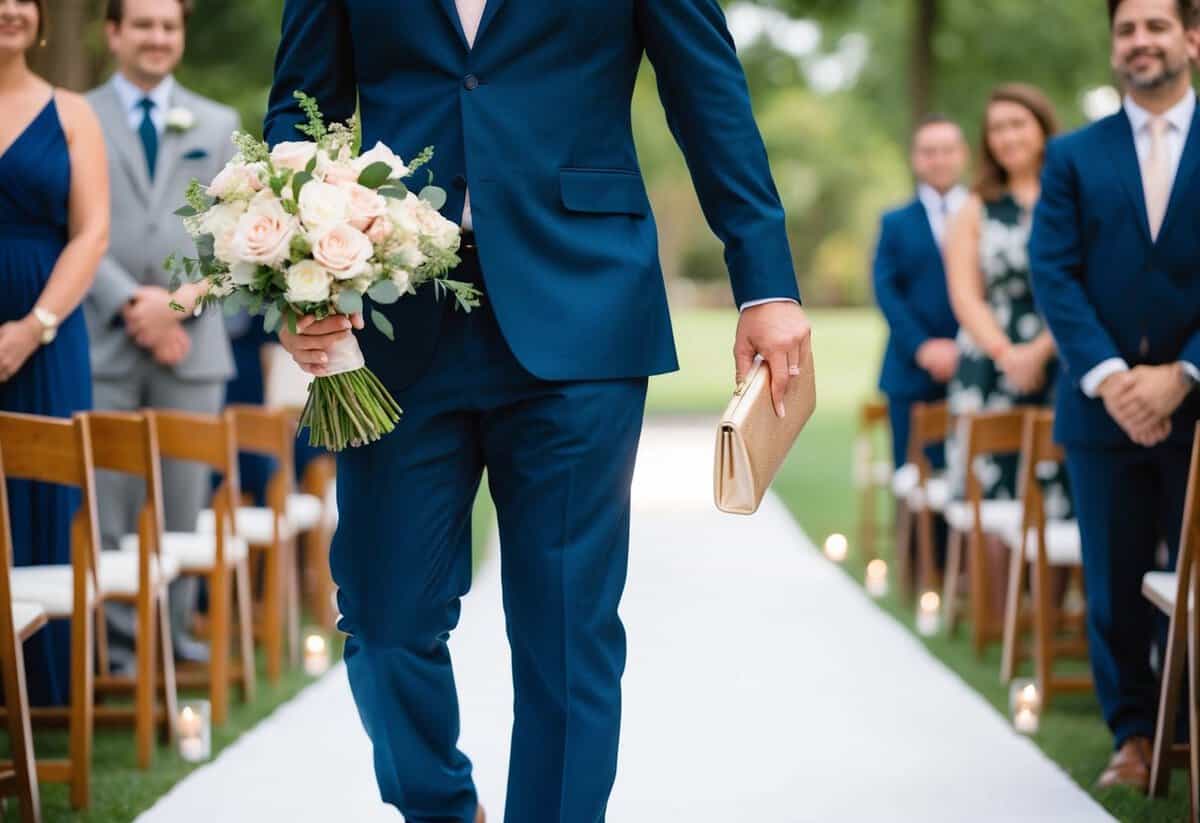
Your hands play a significant role as you walk down the aisle. Choosing the right accessories can enhance your look and make your walk memorable. Consider how each option complements your wedding dress and overall theme.
Choosing the Right Bouquet
Your bouquet is more than just flowers; it’s an essential accessory for your aisle walk.
When choosing a wedding bouquet, think about its size and style. A smaller bouquet can allow you to keep your hands free while gracefully interacting with guests.
You can also consider unique alternatives like a lantern or even a special keepsake. Whatever you choose, ensure it matches your dress and adds to your elegance as you make your way down the aisle.
This is your moment to shine alongside your mother of the bride or bridesmaids, so select something that you’ll cherish forever.