
What Traditionally Happens at a Wedding Reception? A Guide to Celebrations and Customs
After a beautiful wedding ceremony, the fun really begins at the wedding reception. This is the time for you to celebrate love and create lasting memories with family and friends. A traditional wedding reception includes a mix of food, drinks, entertainment, and special moments that reflect your personality as a couple.
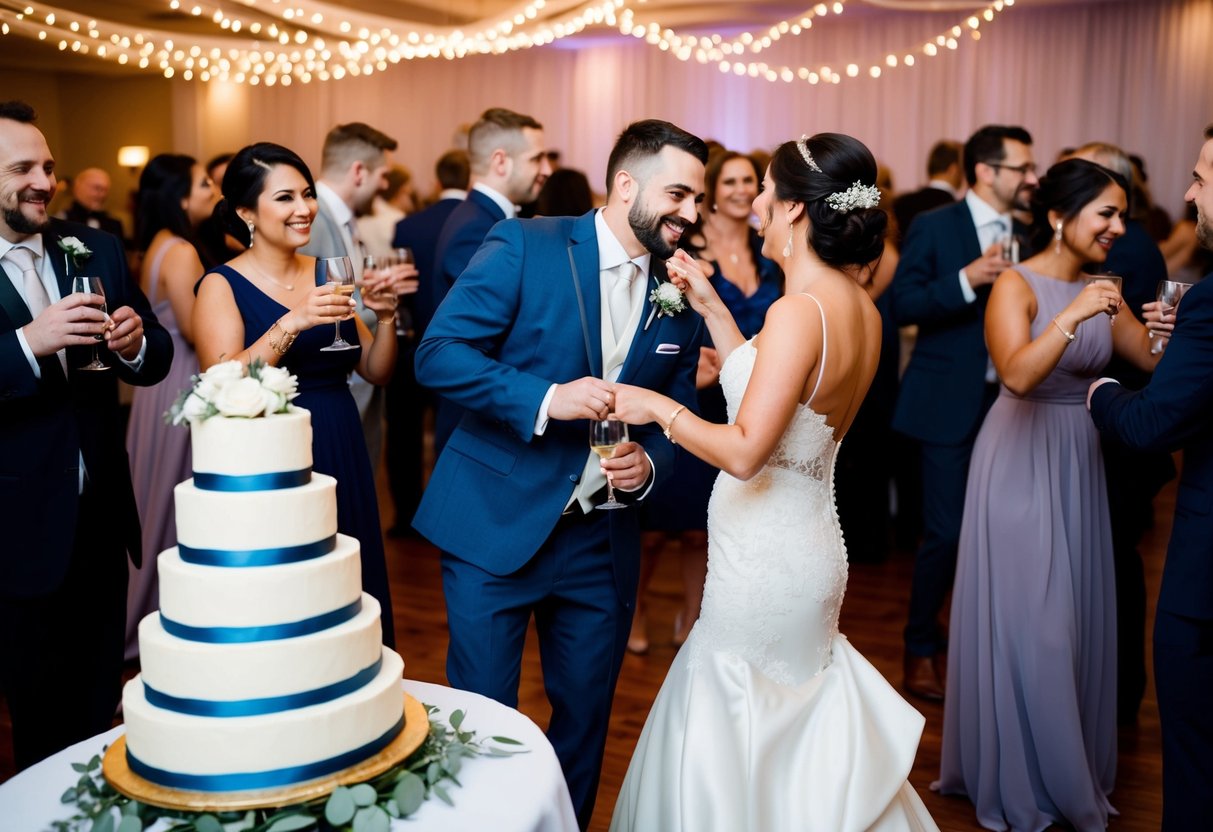
You might kick off the reception with a cocktail hour, where guests enjoy drinks and appetizers while mingling. As the night continues, there are several key events like speeches from family and friends, the couple’s first dance, and perhaps even a money dance in certain cultures. Each element adds to the joy and excitement of the celebration, making it a unique experience for everyone involved.
As you plan your reception, consider how you want to express your style and create an atmosphere that welcomes your loved ones. Whether you choose a grand banquet or a cozy gathering, the reception is your chance to celebrate this special day and start your married life on a high note.
The Ceremony to Reception Transition
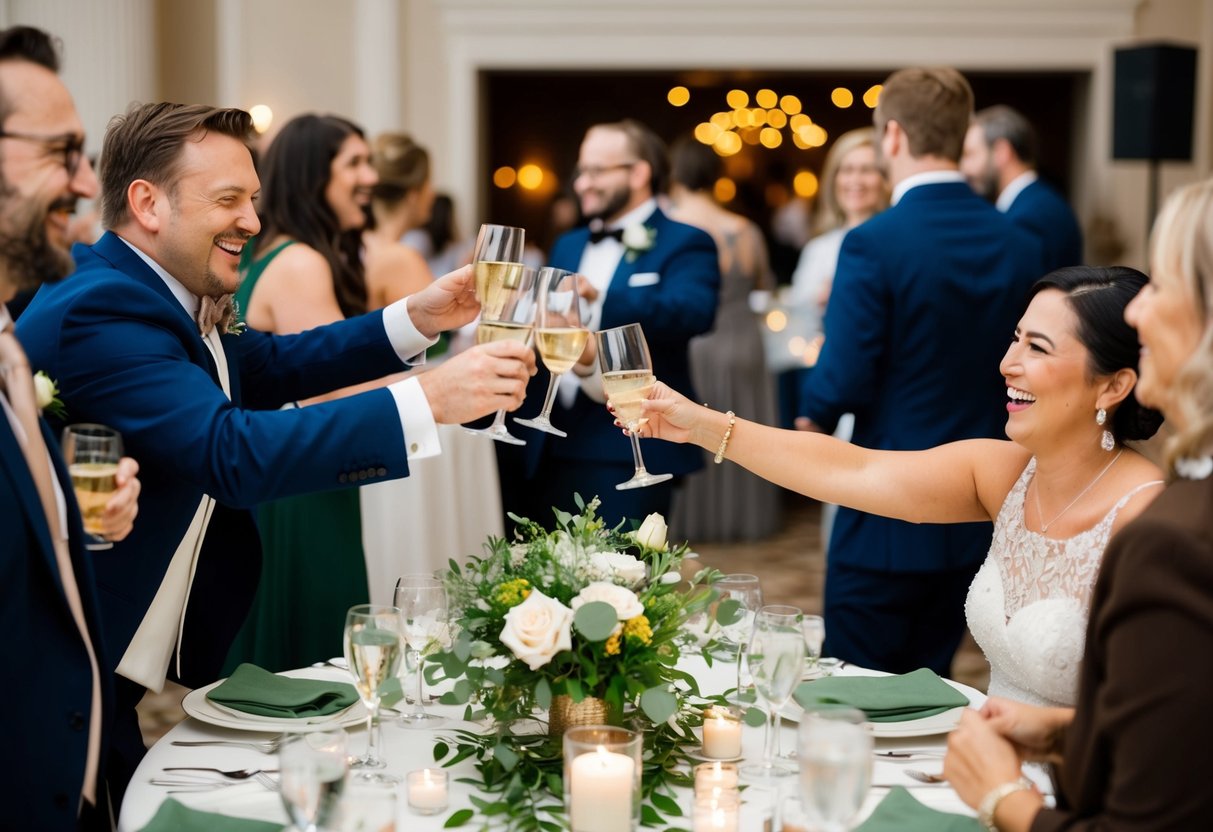
Transitioning from the wedding ceremony to the reception is a thrilling moment. Your guests are excited to celebrate, and a smooth shift sets the mood for the rest of the event. Here are some key elements that typically shape this transition.
Grand Entrance
The grand entrance is a highlight of the reception. After the wedding ceremony, you and your partner make a memorable entrance to welcome guests into the reception area.
You might choose to enter together or have special introductions for the wedding party. This moment can be enhanced with music that reflects your style.
The way you enter can set the tone for the night. It’s a moment to shine, and your guests will be eager to cheer you on. This part not only helps to kick off the festivities but also gives everyone a sense of joy and unity.
Cocktail Hour
Following the ceremony, a cocktail hour often takes place. This is a great way for guests to mingle and enjoy drinks while you take time for photos.
During this hour, appetizers might be served to keep everyone satisfied. It’s important to provide a variety of options to cater to all tastes.
A well-planned cocktail hour helps keep the energy up and gives guests a chance to chat before the main reception begins. Think of it as a warm-up for the exciting celebration ahead.
Receiving Line
A receiving line is a traditional way to greet guests after the ceremony. It typically happens right before the reception begins.
You and your partner, along with immediate family, stand in a line to welcome each guest. This personal touch allows you to thank everyone for coming.
While it can take some time, it creates a meaningful moment for you and your guests. If you decide to skip it, make sure to plan another way to greet your guests during the evening, such as mingling during dinner.
This transition phase helps set the stage for a wonderful reception filled with celebration and joy.
Main Events at the Reception
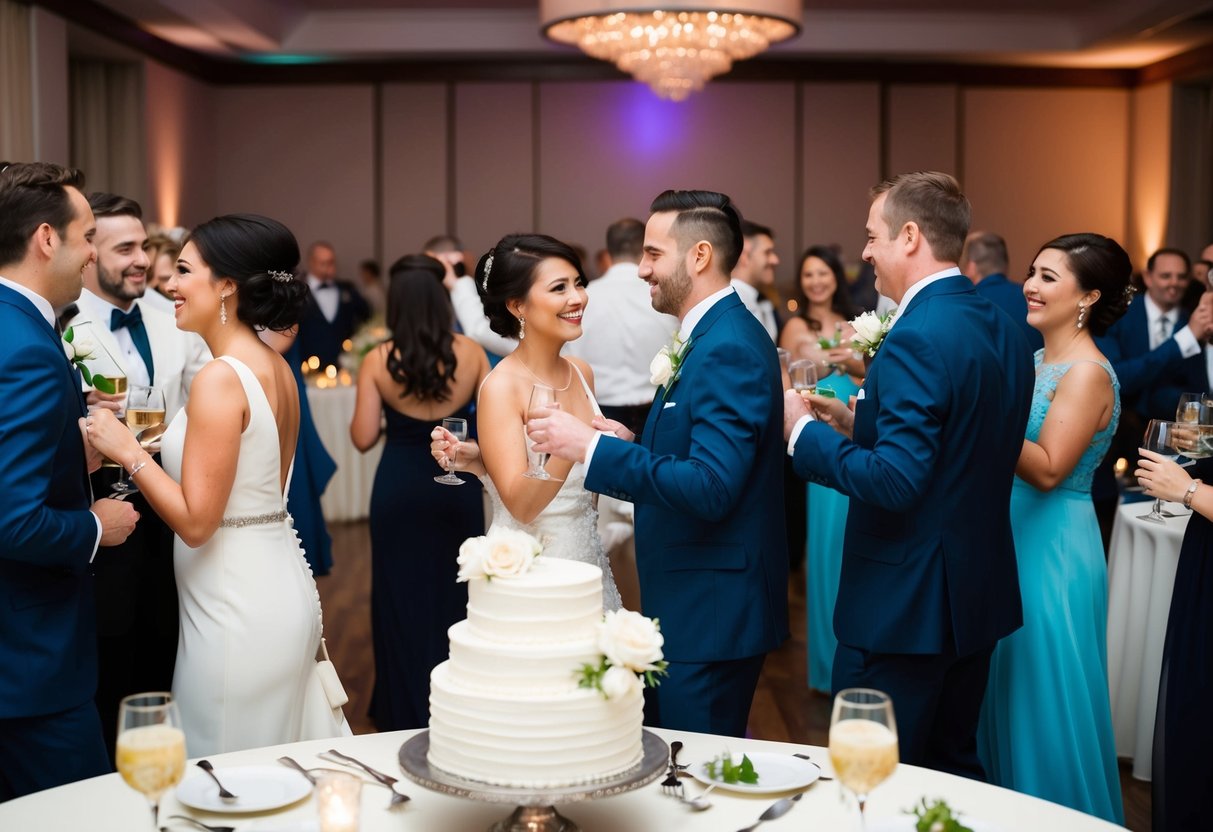
At a wedding reception, several key events take place that help create lasting memories. Each moment is filled with joy and tradition, making the evening special for everyone involved. Here are the typical events you can expect.
First Dance
The first dance marks a special moment for newlyweds. It usually happens shortly after the reception begins. As you take the dance floor, all eyes will be on you, creating a memorable atmosphere.
Select a meaningful song that reflects your relationship. This choice adds a personal touch. You might want to practice some dance moves beforehand to feel more comfortable.
It’s also common for the dance to be followed by dances with parents. This expands the joy while honoring family connections.
Dinner and Meal Course
Dinner is an essential part of the reception, often including multiple courses. Typically, guests start with appetizers, followed by a main course and dessert.
You can choose different styles for serving food. Options include buffet, plated meals, or family-style dining. Consider your guests’ preferences when planning the menu.
Don’t forget dietary restrictions. Make sure to offer vegetarian or gluten-free options to accommodate everyone. A delicious meal creates a pleasant mood and brings guests together.
Toasts and Speeches
Toasts and speeches usually follow the meal. This is a chance for close friends and family to share their thoughts and best wishes. The best man and maid of honor often lead with heartfelt messages.
Encourage speakers to keep their speeches short and sweet, generally around 2-3 minutes. This keeps everyone engaged and entertained.
A humorous anecdote can lighten the mood, while sincere words strengthen bonds. This moment truly reflects the love surrounding the couple.
Cake Cutting
The cake cutting ceremony is both a fun and symbolic event. This moment represents the couple’s first act of sharing together.
You will typically cut the cake after speeches and before dancing resumes. It’s often accompanied by music and cheers from your guests.
Selecting a unique cake style can also add flair. Whether it’s traditional or trendy, make sure it’s something you both love. The first slice is shared, and then the cake is served to guests, continuing the celebration.
Bouquet and Garter Toss
The bouquet and garter toss adds excitement to the reception. Traditionally, the bride tosses her bouquet to single women, and the garter is thrown by the groom to single men.
These moments are often light-hearted and filled with laughter. It’s fun to see your friends and family trying their luck.
You might also want to consider modern twists on this tradition. For instance, some couples do a “singles dance” instead, giving everyone a chance to join in. This keeps the fun going and includes all guests in the celebration.
Festivities and Traditions
At a wedding reception, you will experience a variety of fun and meaningful events. These can include lively dancing, special parent dances, and unique cultural traditions. Each component adds joy and a personal touch to your celebration.
Dancing and Music
Dancing is a central part of any wedding reception. After the couple’s first dance, the floor opens for guests to join in. Popular song choices often include romantic ballads and upbeat tracks that keep spirits high.
A DJ or live band typically provides the music, creating an engaging atmosphere. Guests often enjoy song requests, which can lead to fun and unexpected moments. The mix of music styles will cater to all ages, ensuring everyone has a great time.
Cultural Traditions
Many couples incorporate cultural traditions into their receptions. These rituals can vary greatly depending on your backgrounds.
For example, a common tradition in some cultures is the money dance. Here, guests pay to dance with the bride or groom, helping the couple start their new life.
Other cultural elements might include special foods, traditional attire, or unique ceremonial activities. These practices honor your heritage and create lasting memories for you and your guests.
Parent Dances
The parent dances are touching moments that celebrate family bonds. Typically, the first dance is between the bride and her father, followed by the groom and his mother. These dances allow families to share in the love and joy of the occasion.
Choosing the right songs is essential, as they should evoke emotions and reflect your relationships. It’s a time for cherished memories, often filled with laughter and maybe a few tears.
Send-Off Tradition
The send-off tradition marks the end of your reception. It can be a magical moment. Couples often choose to exit under a shower of sparklers, petals, or bubbles. This creates a beautiful visual and sparks excitement among guests.
This moment is not only a grand finale but also a way for guests to express their love and support. Planning a memorable send-off can add a unique touch to your wedding day. It will leave everyone with smiles and warm feelings as you embark on your new journey together.