
What Were the Three Stages of the Wedding? A Simple Guide to the Celebration Process
When you think about weddings, the traditions and rituals often come to mind. Most weddings follow three main stages: the engagement, the ceremony, and the celebration. Each stage is filled with love and meaning, bringing families together and marking a significant moment in your life.
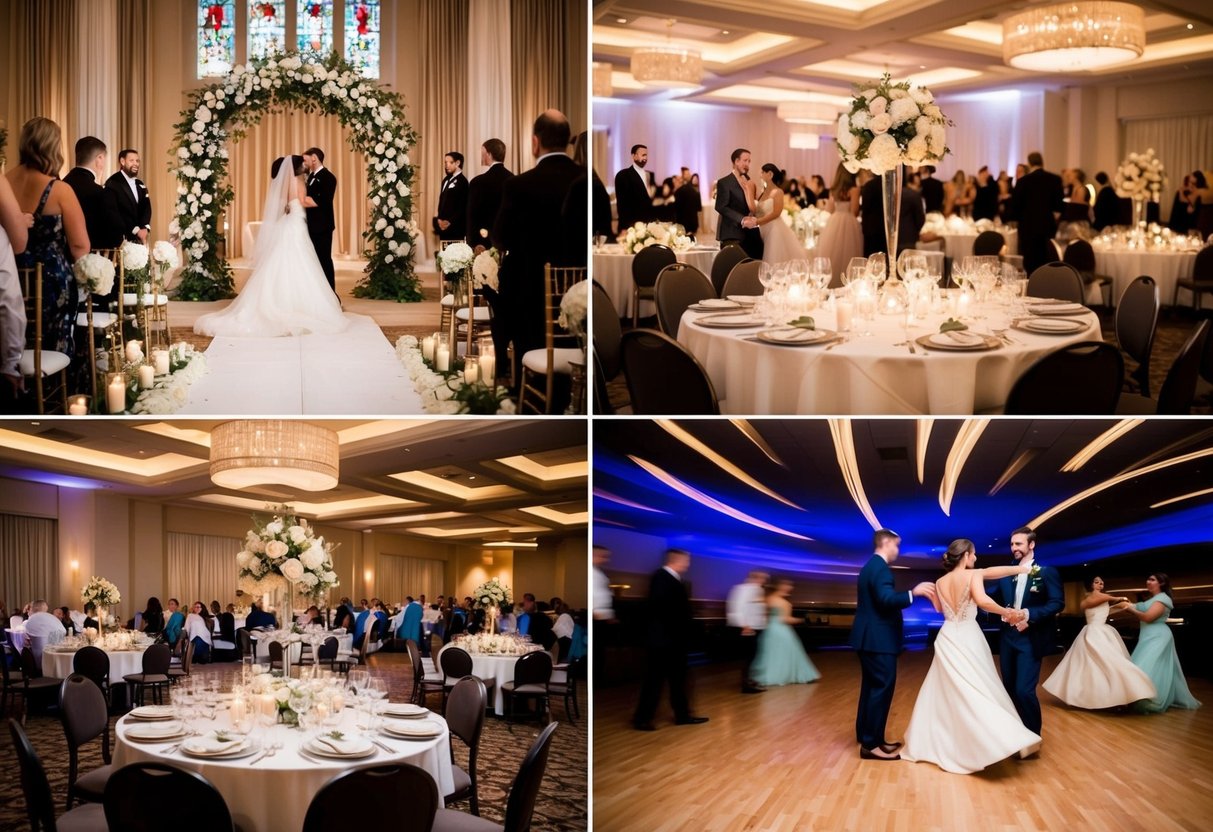
The engagement stage involves commitment, where love blossoms and plans for the future begin. Next comes the ceremony, which is an important tradition that unites two people in front of family and friends. Finally, the celebration is a joyous occasion where everyone comes together to honor the couple’s new life.
Understanding these stages can deepen your appreciation for the customs surrounding marriage. These moments are not just about legalities; they represent the love and commitment you share, making the journey of your wedding unforgettable.
Historical Context of Weddings
Weddings have a rich history that reflects cultural beliefs and practices over time. Understanding how ancient customs influenced modern ceremonies can help you appreciate the significance behind various wedding traditions today.
Ancient Jewish Weddings
In ancient Jewish culture, weddings were joyous occasions filled with meaningful customs. The process often began with a contract known as the ketubbah, which outlined the groom’s commitments, including the dowry price.
The bridegroom’s family would negotiate the dowry, a sort of payment to the bride’s family. This was not just a financial transaction but a demonstration of the groom’s ability to care for his future wife. The wedding ceremony included several rituals, celebrating the covenant between the couple and God.
Jewish wedding customs often featured a chuppah, a canopy symbolizing the home the couple would build together. These traditions continue to influence Jewish weddings today.
Marriage in the Bible
Marriage in the Bible illustrates various cultural practices from ancient times. Polygamy was common, as some figures such as King Solomon had many wives. Such arrangements were typically strategic, involving alliances between families.
Arranged marriages were also prevalent. Families often chose spouses to strengthen family ties or improve social status. The Bible emphasizes the importance of commitment and love, as seen in the Book of Ruth, where loyalty plays a significant role.
You can find many teachings about the sanctity of marriage throughout biblical texts. These stories shape modern views on love and partnership.
Cultural Evolution of Marriage
As societies evolved, so did the concept of marriage. Early rituals focused on fertility and those practices reflected community needs. Weddings were not just personal events but communal celebrations, ensuring the survival of traditions.
Over time, different cultures introduced unique customs, blending ancient practices with new beliefs. The idea of a dowry, for example, remains in various forms across cultures, symbolizing family wealth and support.
In many societies today, love is the primary reason for marriage. However, elements of arranged marriages and dowries still exist, showing how ancient practices influence contemporary views on matrimony.
This combination of history and evolving customs reflects the rich tapestry of human relationships.
Stages of a Traditional Jewish Wedding

A Jewish wedding includes three main stages, each holding significant meaning. The process begins with kiddushin, which is the betrothal. This is followed by nissuin, the nuptial ceremony, where the couple officially becomes married. Finally, there are joyous post-wedding celebrations to mark this new union.
Kiddushin – Betrothal
Kiddushin is the first stage of the wedding ceremony. Here, the bride and groom make a sacred commitment to each other. The groom presents the bride with a ring, and this act formalizes their engagement.
During kiddushin, the couple stands under a chuppah, which symbolizes their new home together. This canopy is a key element in Jewish weddings and represents purity and unity. The ceremony is often small, involving close friends and family.
The signing of the ketubah, or marriage contract, also takes place during this stage. This document outlines the groom’s responsibilities and is signed by two witnesses.
Nissuin – Nuptial Ceremony
Nissuin is the next stage of the wedding. It marks the official marriage and includes various rituals and blessings. The couple circles each other, symbolizing their commitment and the bond they share.
The nuptial ceremony is highlighted by the sheva berachot, or seven blessings, recited over a wine cup. Afterward, the couple drinks from the cup, signifying their new life together.
Following these rituals, there is often a festive meal known as a wedding feast. Family and friends gather to celebrate this joyous occasion, enjoying food, drinks, and dancing.
Post-Wedding Celebrations
After the main ceremony, celebrations continue with a focus on joy and community. It’s common for the couple to host a wedding party where friends and family share in the festivities.
Celebrations may last several days, especially with the sheva brachot meals held during this time. Each gathering serves as an opportunity to express well-wishes and deepen the bonds among family and friends.
The atmosphere is filled with happiness, music, and laughter. This time helps the couple transition into married life, surrounded by love and support.
Symbolism and Significance

The stages of a Jewish wedding carry deep symbolic meanings that reflect commitment, faith, and purity. Each part of the ceremony is filled with rituals and customs that highlight the bond between the couple and their unity in faith.
Rituals and Customs
Jewish weddings include important rituals that reinforce the couple’s connection. The first stage, betrothal (erusin), represents a commitment, where the bride and groom sign the ketubbah contract. This document lays out their rights and responsibilities.
Next, the couple stands under a chuppah, symbolizing their new home together. Additional customs like breaking a glass remind everyone of the past’s fragility, serving as a commitment to joy and sorrow throughout the marriage. These rituals create a compelling atmosphere that highlights the sacredness of the union.
Marriage as a Covenant
In Jewish tradition, marriage is viewed as a covenant rather than just a contract. This idea emphasizes unity and faith. The couple enters into a lifelong bond, expressing their desire to build a family and community together.
This covenant reflects the biblical concept of faithfulness and commitment, similar to the relationship between God and His people. It reminds couples of the importance of loyalty and love, like the Bride of Christ, who represents purity and devotion. Your marriage becomes a testimony of commitment in the eyes of God.
Bridal Symbolism in Religious Texts
Religious texts are rich in bridal symbolism that illustrates the significance of marriage. The imagery of a bride often represents purity, hope, and renewal.
In the Bible, the Marriage Supper of the Lamb symbolizes the ultimate union between Christ and His Church. This parallel draws a deep connection to the sacredness of your own marriage. Just as a bride prepares for her wedding, you engage in a transformative journey, moving toward a sacred unity that honors both tradition and faith.
Modern Weddings and Cultural Adaptations
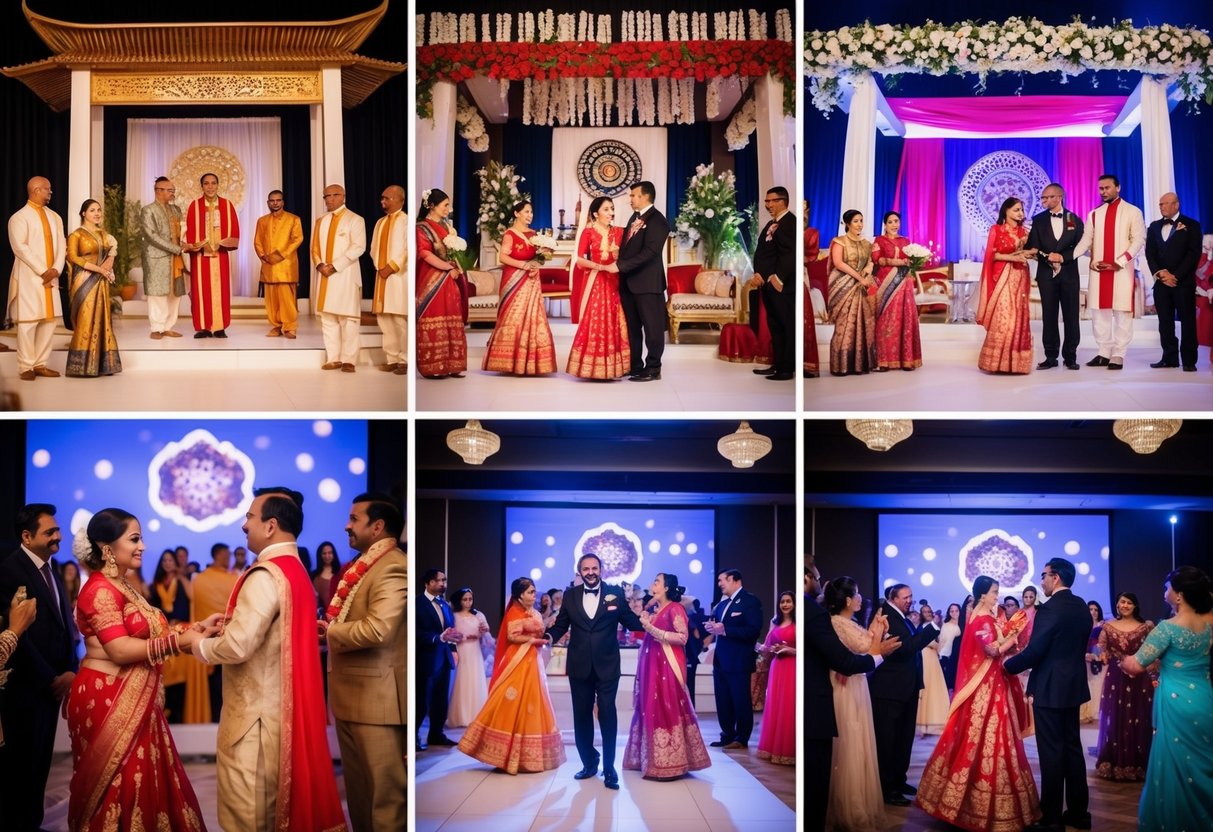
Modern weddings have changed a lot over time. Today, you see many different customs reflecting your personal style and beliefs. Each couple brings their own flavors to the ceremony, making it unique.
Wedding preparation now includes various arrangements that symbolize your commitment. You might opt for traditional rituals alongside modern trends. This mix allows you to honor your heritage while making fresh memories.
Love is at the center of every wedding. It’s a time for the bride and groom to publicly declare their bond. Celebrations may include diverse rituals, from unity ceremonies to sharing personal vows.
Some couples even incorporate cultural elements from their backgrounds. You might see music, dance, or food that tells your story. These additions can make the event feel more authentic and special.
As for sexual consummation, it remains an important aspect of traditional marriages. In modern contexts, couples often discuss this openly, ensuring both partners are on the same page about this next step.
Whether you prefer a big celebration or a small gathering, modern weddings allow you to choose what suits you best. Embrace this time to create lasting memories with your loved ones. Your wedding day is all about celebrating your unique journey together.