
What Will a Celebrant Ask You? Essential Questions for a Meaningful Ceremony
When you decide to have a celebrant for your wedding ceremony, you might wonder what questions they will ask you. Your marriage celebrant will typically inquire about your love story, your style preferences, and any special traditions you want to include in the ceremony. These questions help them get to know you better and tailor the ceremony to fit your unique relationship.
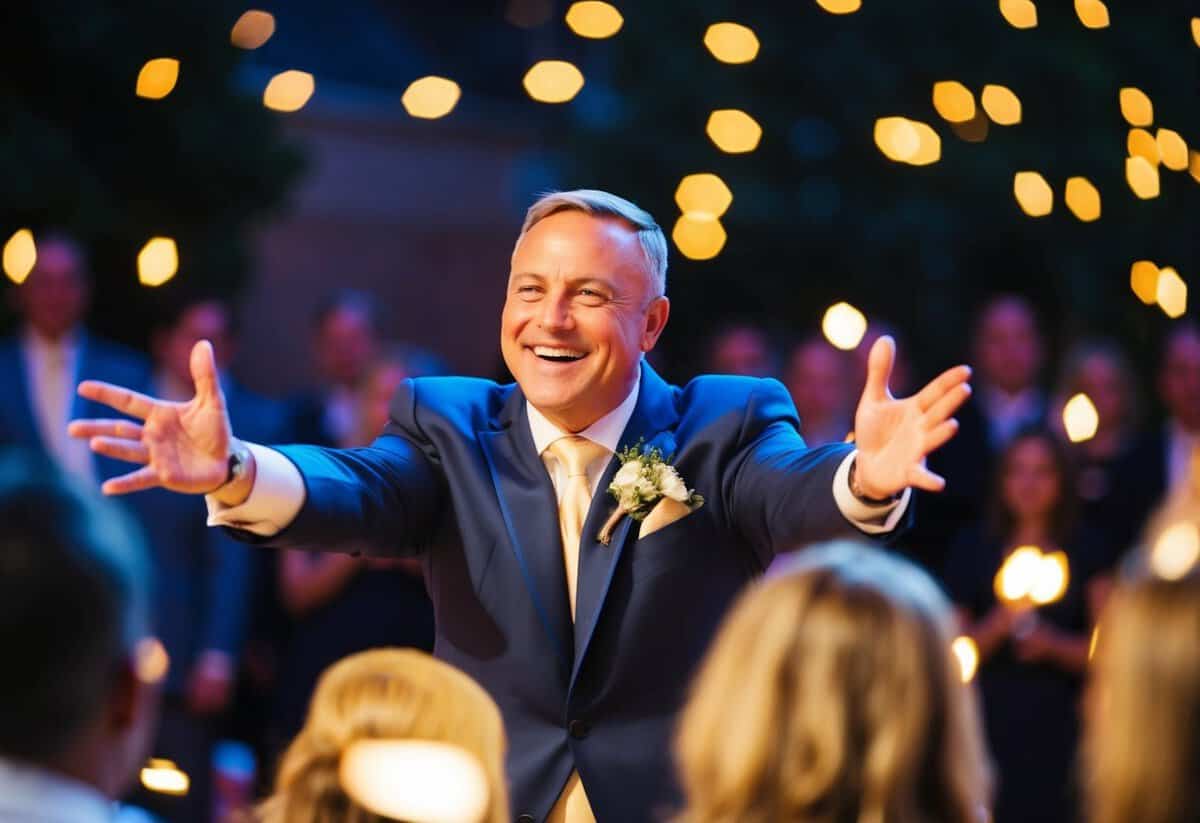
As you prepare for this exciting journey, be ready to discuss your vision for the day. A good celebrant will ask about the venue, the type of ceremony you envision, and how many guests you’ll invite.
Sharing these details allows them to create a personalized experience that reflects your love and commitment.
Don’t forget to think about any special touches you want, like honoring family members or including specific readings. The officiant questions are designed to ensure that your ceremony feels personal and meaningful. So, embrace this opportunity to express yourselves and make your special day unforgettable!
Understanding the Role of a Celebrant
A celebrant plays an important part in making your ceremony special and personal. They handle both legal aspects and customization of your event. Here’s what you need to know.
Legal Obligations
As your wedding officiant, a celebrant must understand the legal requirements for your marriage. This includes knowing about the marriage license and any local laws.
You will need to fill out necessary legal paperwork before your ceremony. Your celebrant will guide you through the process, ensuring everything is in order.
They will often handle the submission of the marriage license after the ceremony. This means you won’t have to worry about the legal side after saying your vows.
Ceremony Customization
Your celebrant helps create a ceremony that reflects you and your partner. They will ask about your wishes, beliefs, and any special traditions you want to include.
Expect questions about how you met, what you love about each other, and what the day means to you. This helps them craft a personalized script.
You can also discuss readings, music, and rituals that you find meaningful. A good celebrant listens carefully and suggests ideas to make your ceremony truly yours.
Preparing for Your Big Day
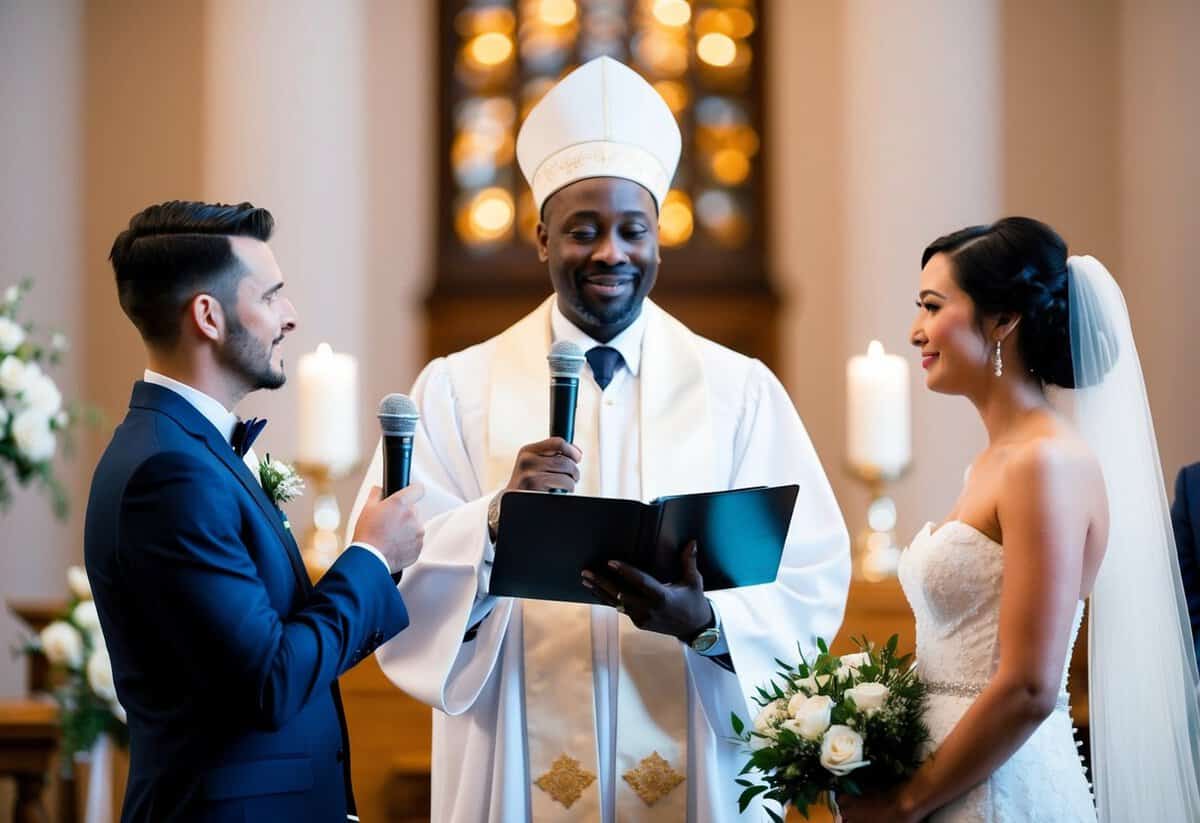
Getting ready for your wedding day involves important details around your wedding date and venue, as well as the rehearsal process. These elements set the foundation for a smooth and memorable ceremony.
Setting the Date and Venue
Choosing the right wedding date is essential. Consider factors like guest availability, weather, and budget. Popular months may require early bookings, so it’s wise to decide soon.
Next, select a venue that resonates with your vision. Think about the size, location, and style of the venue. It should accommodate your guests comfortably and provide the ambiance you desire.
Don’t forget to ask your celebrant about their experience with various venues. They can suggest suitable locations and help navigate venue regulations. This collaboration ensures that your wedding day reflects your unique taste.
The Rehearsal Process
The rehearsal is a crucial step in preparing for your ceremony. It usually takes place a day or two before the wedding. This is when everyone practices their roles, learning where to stand and what to say.
Your celebrant will lead the rehearsal, guiding you and your wedding party through each part of the ceremony.
Make sure to invite key people, like your parents and best man or maid of honor.
During the rehearsal, address any questions or concerns. This time allows you to feel more comfortable and confident for the big day. A well-planned rehearsal can help reduce pre-wedding jitters.
Personalizing the Ceremony
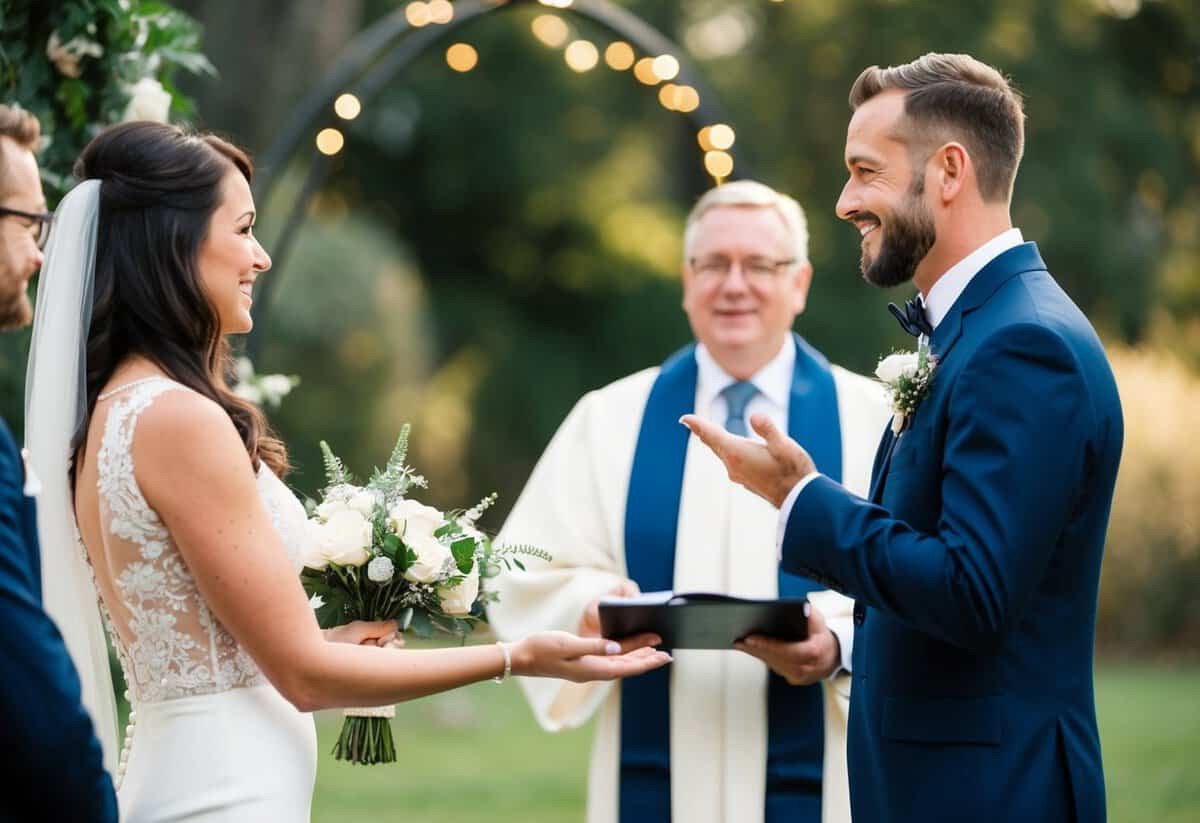
Personalizing your ceremony makes it unique and memorable. It reflects your love story and allows you to express your feelings in a way that feels right to you. Your celebrant will guide you through this process to ensure your ceremony is special.
Choosing Your Vows
When it comes to choosing your vows, you have many options. You might opt for traditional vows or write your own personal vows.
Personalized vows can be powerful, allowing you to share specific moments or feelings that mean a lot to you.
Talk to your celebrant about what you’d like to express. They can help you structure your vows and provide guidance on how to make them truly heartfelt.
If you choose a religious ceremony, you might incorporate standard vows with a personal touch. Be open about your ideas and preferences to make this part of the ceremony memorable.
Incorporating Rituals and Traditions
Incorporating rituals and traditions can add depth to your ceremony. You may choose to include elements like a unity candle, sand ceremony, or even cultural rituals that are significant to your backgrounds.
Discuss these options with your celebrant. They can help you find ways to blend rituals into your ceremony that resonate with both of you. This can create a more meaningful experience for you and your guests. Remember that each ritual is an opportunity to express your commitment and celebrate your love in a unique way.
Logistical Details and Advice

When planning your wedding ceremony, there are key logistical details you need to keep in mind. These include budget considerations, how to ensure a good experience for your guests, and where to find feedback and recommendations to help guide your choices.
Budget Considerations
Setting a clear wedding budget is important for your ceremony. First, determine how much you can spend on your officiant or celebrant. Discuss fees upfront to avoid surprises later.
Consider additional costs, such as travel fees or special requests. Some celebrants may offer package deals that include premarital counseling, which can be helpful. Always ask for a detailed breakdown of costs.
Keep in mind that investing in a good celebrant will reflect in the quality of your ceremony. It’s worth researching and reading reviews to ensure value for money.
Guest Experience and Expectations
Your guests’ experience during the wedding is crucial. Communicate details like the ceremony’s duration and layout. Inform guests about any specific cultural or religious elements that may be included.
Make sure seating arrangements are clear. If you have a wedding party, provide them with guidelines on their roles. They should be prepared for their parts in the ceremony.
Consider creating a program to help guests follow along. This can enhance engagement and set the right tone for your special day.
Feedback and Recommendations
Gathering feedback before your wedding can be very helpful. Talk to friends or family who have recently celebrated weddings. Ask for their experiences and any suggestions they might have.
Look for online reviews and testimonials of celebrants in your area. This can guide you to the right choice based on others’ experiences.
Don’t hesitate to ask your celebrant for references. A good celebrant will be happy to share past client testimonials. This can provide insight into their style and professionalism, helping ensure your day goes smoothly.