
What Will Be the Order of Seating at the Upcoming Event?
When planning an event, knowing the proper seating order can make a big difference. The seating arrangement usually places important guests, like the host and guest of honor, in prominent spots. They are often at the head of the table or nearest to the event’s focal point. This creates a warm atmosphere and shows respect for those in attendance.
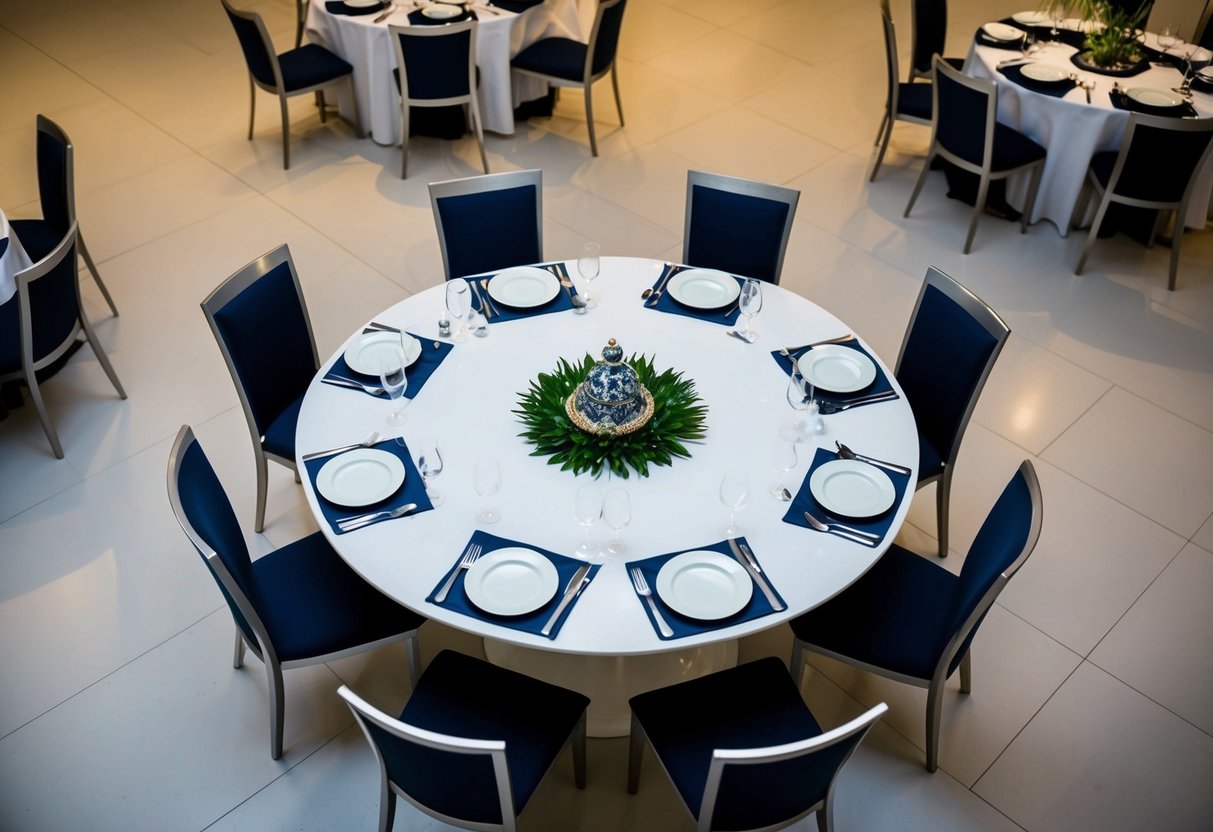
Whether you’re hosting a formal dinner or a casual gathering, thinking about where everyone sits enhances the overall experience. You can group guests by their relationships, ensuring friends sit together and family members are close, which encourages conversation. Knowing these details helps you plan better and makes your event enjoyable.
If you’re unclear about how to arrange seats, various guidelines can help. Many consider cultural norms and traditions, while others focus more on the specifics of the occasion itself. Understanding these aspects of event seating will make your planning process smoother and your gathering a success!
The Fundamentals of Seating Arrangements
When planning an event, knowing the seating capacity and arrangement types is vital. These factors impact comfort, interaction, and the overall flow of the gathering. Let’s explore key concepts to help you get started.
Understanding Seating Capacity
Seating capacity refers to the number of people that can be comfortably seated in a space. This number depends on the size and shape of the area, as well as the type of seating used.
For instance, round tables typically seat 6 to 10 people, depending on their size. It’s important to consider the table dimensions and the space needed for chairs to avoid a cramped feeling.
Additionally, venues often have a maximum capacity. Always check this to ensure you comply with safety regulations. Comfort should be your priority. Aim for adequate space between guests to encourage conversation.
Seating Arrangement Types
There are several types of seating arrangements tailored to different events and interactions. Here are some common options:
-
Linear Arrangement: Chairs in rows facing a front area, ideal for presentations or speeches.
-
Round Table Arrangement: Promotes conversation. Great for dinners or discussions, letting everyone interact.
-
U-Shape Arrangement: Perfect for meetings, allowing participants to see each other while facing the front.
-
Classroom Style: Rows of desks or tables, suitable for training sessions or workshops.
Choosing the right arrangement affects guest interaction and comfort. Consider the event’s purpose to make the best choice for your seating needs.
Seating Etiquette and Protocol
In social settings, seating etiquette and protocol help create a pleasant atmosphere. Knowing who sits where can show respect to hosts and guests alike. This section covers the important roles in seating arrangements and how to handle assigned seats.
The Role of the Guest of Honor
When you attend an event, recognizing the guest of honor is key. This person usually has a special significance, such as a birthday celebrant or a keynote speaker.
You should always seat the guest of honor in a prominent position, often to the right of the host. This arrangement highlights their importance and makes them feel valued.
If there are multiple hosts, alternate seating between hosts and guests to balance attention. In events with multiple honored guests, rank them by importance to guide seating choices.
Assigned Seats and Seating Order
Assigned seats help avoid confusion. When invitations specify seats, it ensures everyone knows their place, contributing to a smooth gathering.
Typically, you will see a seating chart that lists guests next to their designated places. This setup often reflects the guests’ relationships and ranks.
In formal events, seating usually follows protocol. For instance, the most esteemed guests sit closest to the host. This practice encourages good conversation and connection.
Make sure to communicate any seating arrangements clearly ahead of time to prevent misunderstandings. This way, everyone enjoys their time at the event without any last-minute surprises.
Designing for Interaction and Comfort

Creating a space that encourages conversation and comfort is essential for any gathering. Your seating arrangement should promote group discussions, facilitate audience participation, and optimize networking opportunities. Here’s how you can achieve this.
Accommodating Group Discussions
To foster engaging group discussions, arrange seating in a circular or U-shape. This setup helps everyone to see each other, promoting eye contact and interaction.
Consider the following:
- Comfortable seating: Choose chairs with good back support. People will feel more at ease and be willing to share their thoughts.
- Flexible arrangements: Use movable furniture to cater to various group sizes and dynamics easily.
- Group size: Ensure enough seating for everyone. Too few seats can make participants feel excluded.
These factors help create a welcoming atmosphere where everyone feels valued.
Facilitating Audience Participation
Creating an environment that allows audience participation is key for effective communication. Arrange seating to encourage questions and feedback.
Tips to enhance participation:
- Theater style: If hosting a presentation, consider rows of seating facing the front, but leave space for movement.
- Interactive seating: Use small, round tables with chairs, allowing participants to break into smaller groups, making it easier to share ideas.
- Accessibility: Ensure that all seats allow easy access to the speaker or panel, making it easier for the audience to engage.
This layout helps participants feel empowered to contribute without hesitation.
Optimizing for Networking and Presentations
For networking and presentations, it’s crucial to create a dynamic environment where participants can connect easily.
Key strategies include:
- Mix of seating types: Include lounge areas with soft seating alongside standard chairs for versatility.
- Spacing: Provide enough room between seating to allow for movement and conversation without crowding.
- Designate areas: Create specific zones for networking, encouraging casual conversations after presentations.
Adjusting your seating to these configurations can enhance comfort while promoting valuable connections.
Special Considerations
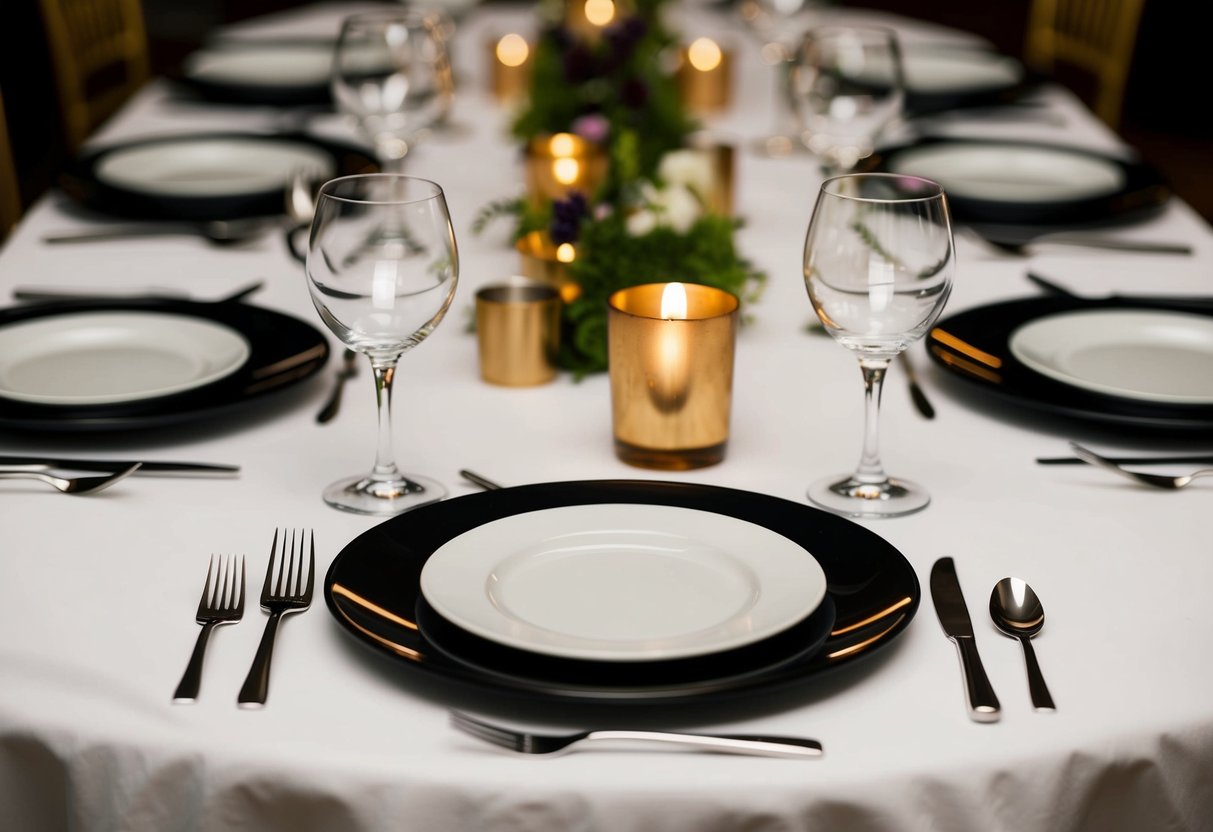
When planning your seating arrangements, it’s important to think about the specific needs of your event. Different settings, like business dining or brainstorming sessions, have unique requirements. Here are some key points to consider.
Business Dining Arrangements
In a business dining setting, the arrangement can affect the flow of conversation and the overall experience. Aim for a configuration that promotes interaction among guests.
- Round Tables: These encourage discussion and make it easy for everyone to see each other.
- Long Tables: Great for larger events, but they can create distance between guests.
Brainstorming Session Setups
For brainstorming sessions, a setup that fosters creativity and collaboration is essential. Here’s how to optimize seating for idea generation.
- U-Shaped Arrangements: This layout promotes dialogue while allowing visibility of all participants.
- Circle Seating: Helps break down barriers and encourages everyone to share ideas freely.
Make sure your seating allows for easy movement. You want everyone to feel comfortable getting up to contribute. Additionally, provide materials easily accessible to all participants. This way, you can create an atmosphere that promotes flow and engagement, making it easier to capture great ideas.