
What’s a Good Budget for an Engagement Ring? Tips for Choosing the Perfect Ring Without Breaking the Bank
Setting a budget for an engagement ring can feel overwhelming, but it doesn’t have to be. Most couples spend less than $3,000, so a good budget for an engagement ring is around $1,900. This budget allows you to find something beautiful without breaking the bank.
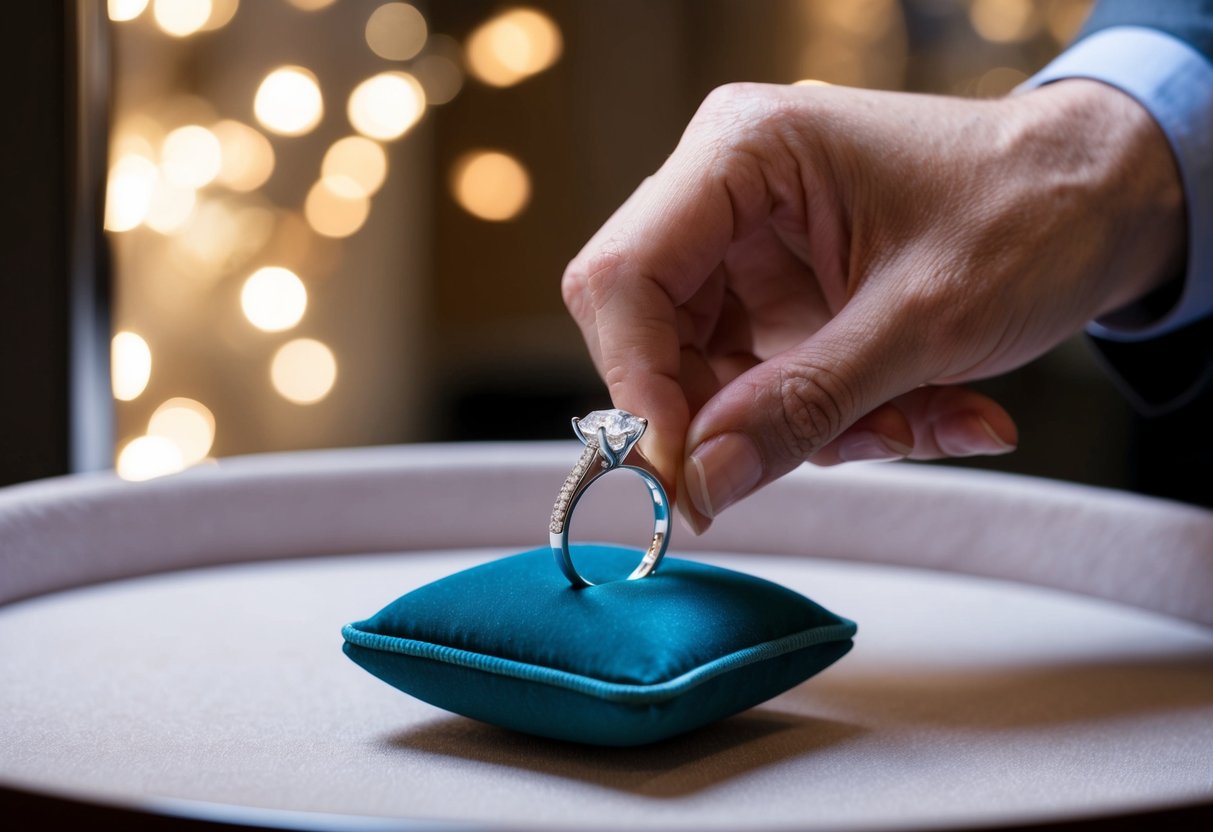
Knowing how much to spend can help you narrow down your choices and make the shopping experience more enjoyable. An engagement ring doesn’t have to be big or flashy to be meaningful. With the right approach, you can find a ring that fits your partner’s style and your budget perfectly.
As you explore options, consider what aspects are most important to you and your partner. Focus on quality over quantity, and you might be surprised at the stunning rings you can find within your budget.
Understanding Engagement Ring Budgets
Budgeting for an engagement ring is an important part of the process. Knowing how much to spend will help you make a decision that fits your financial situation and preferences.
The Three-Month Salary Rule
One common guideline for budgeting is the three-month salary rule. According to this rule, you should spend an amount equal to three months’ salary on the engagement ring.
For example, if you earn $3,000 per month, your budget would be around $9,000. While this rule is popular, it’s not set in stone. You should consider your unique situation and expenses, including wedding costs and savings goals.
Remember, spending within your means is key. Don’t feel pressured to follow this rule if it doesn’t align with your finances. Always aim for a budget that reflects your values and circumstances.
Average Engagement Ring Cost
The average engagement ring cost has changed over the years. Currently, it sits around $5,500, according to recent data. This figure can vary based on several factors, such as the diamond’s quality, the type of metal, and the ring’s design.
When setting your budget, think about what you can realistically afford. Look for options that provide the best value for your money, like lab-grown diamonds that are often cheaper than natural ones.
Explore various styles and settings, as this can also affect the overall price. Finding a balance between your desires and what you can afford makes for a more satisfying purchase.
Determining Your Financial Situation
Your personal financial situation plays a huge role in deciding your engagement ring budget. Take a close look at your monthly expenses and current savings. Make a list that includes:
- Rent or mortgage payments
- Utilities
- Groceries
- Other debts
This exercise will help you see how much you can comfortably allocate without causing financial strain.
Consider other upcoming expenses, such as wedding costs, to avoid overspending on the ring. It’s essential to strike a balance that allows you to invest in a meaningful ring while still feeling secure about your finances.
Choosing the Right Engagement Ring
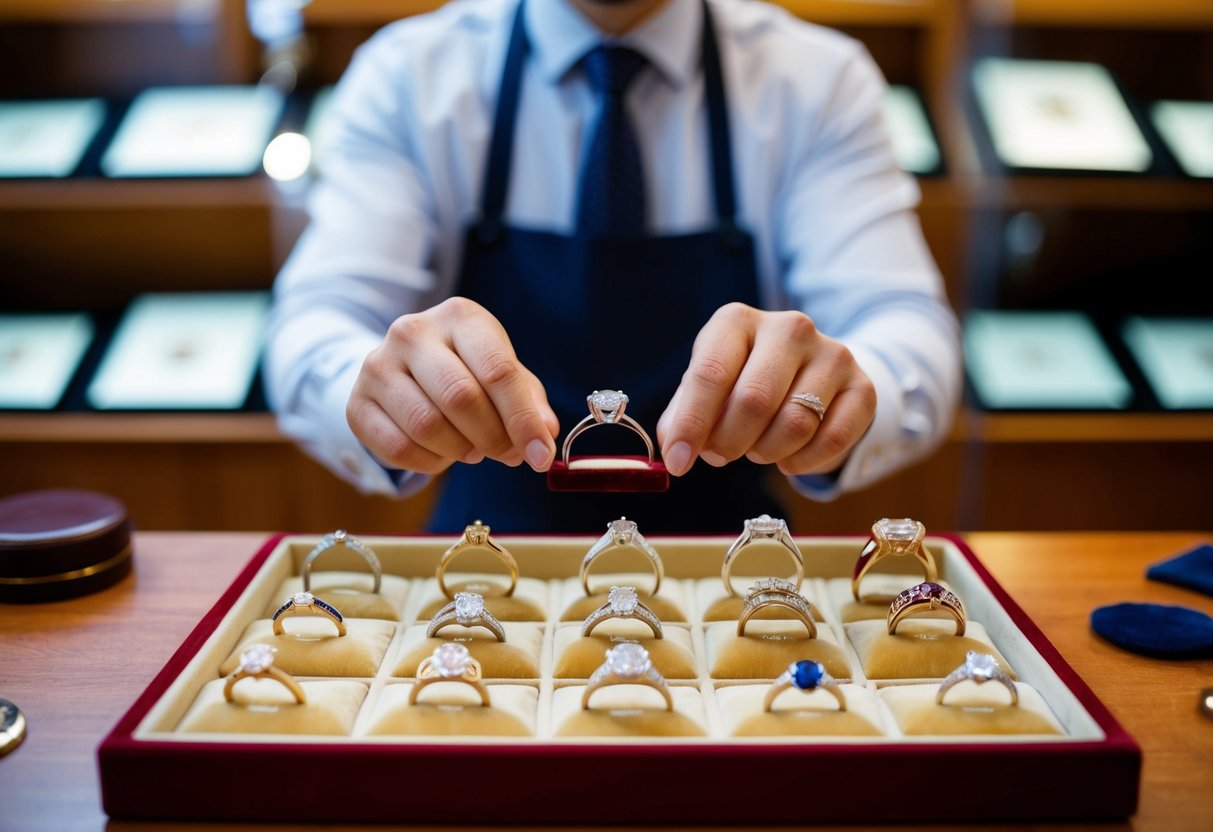
Choosing the right engagement ring is a mix of personal taste and practical considerations. It’s essential to think about the center stone, the diamond shape, quality, and the type of setting. Each choice can impact both the look and the cost of the ring.
Selecting the Center Stone
The center stone is the heart of the engagement ring. Most people choose a diamond, but alternatives like moissanite or sapphires can also make stunning choices. If you decide on a diamond, consider whether you want a natural diamond or a lab-grown diamond.
Lab-grown diamonds are often more affordable and environmentally friendly. They have the same physical properties as natural diamonds. If you prefer a unique look, explore gemstones like sapphires or emeralds. Your choice should reflect your partner’s style and your budget.
Diamond Shapes and Quality
The shape of the diamond plays a significant role in the ring’s appearance. Popular shapes include round, princess, and oval. Each shape has its own unique appeal and can fit different styles.
When choosing a diamond, focus on the Four Cs: carat, cut, color, and clarity. Carat refers to the size. Cut affects how well the diamond sparkles. Color grades range from colorless to light yellow; colorless diamonds are usually pricier. Clarity measures the internal imperfections. Higher quality usually means a better appearance.
Ring Settings and Materials
The ring setting can change the look and feel of the engagement ring. Common settings include solitaire, halo, and three-stone designs. Each setting has its advantages, influencing the overall appearance and durability.
Materials also matter, with options such as gold (yellow, white, or rose) and platinum. Gold tends to be warmer and is often more affordable. Platinum is more durable and has a luxurious sheen. Your choice should consider lifestyle as well; active lifestyles might benefit from stronger materials.
Lab-Grown Diamonds and Alternatives
Lab-grown diamonds offer a great option for budget-conscious buyers. They can look identical to natural diamonds but are generally less expensive. With their increased popularity, you can now find many styles and shapes.
If you’re looking for something truly different, consider diamond alternatives. Moissanite is a popular choice that offers brilliance, often at a lower price. Colored gemstones, like sapphires, can also provide a personal touch. Each option allows you to express individuality while staying within your budget.
Navigating Financing and Purchasing Options

When it comes to buying an engagement ring, understanding your financing options is key. Different methods can help you manage costs while finding the perfect ring for your partner. Here’s a closer look at what you should consider.
Exploring Jewelry Store Financing
Many jewelry stores offer in-house financing options. This can help you spread payments over time, making the purchase more manageable. You often have the chance to choose between various plans, including deferred interest or low monthly payments.
Before you commit, pay attention to the interest rates. Ask about any promotional offers. Just remember, some high-interest plans can lead to costly payments later. Always read the fine print to avoid surprises.
Understanding Personal Loans
Using a personal loan is another option for financing your engagement ring. Personal loans can provide a lump sum that you pay back over time. This can be beneficial if you want to avoid credit card debt or store financing.
When considering a personal loan, compare interest rates from different lenders. Look for loans with no fees and favorable terms. Also, check your credit score, as it can affect your loan approval and the interest rate you receive.
Defining Your Price Range
Establishing a clear price range is essential. Engagement rings can vary widely in cost, from a few hundred dollars to several thousand.
Start by thinking about your budget and what you can afford without overstretching your finances.
A common guideline is to spend about two months’ salary on an engagement ring. Still, personal preferences matter.
Discuss your budget with your partner to ensure the ring aligns with both of your expectations and financial comfort.