
What’s the Difference Between a Celebrant and a Solemniser? Understanding Their Roles in Ceremonies
When planning your wedding, you might wonder about the roles of different officiants. A celebrant and a solemniser are two terms that often come up, but they are not the same. A celebrant is someone who leads your ceremony, often without the legal authority to marry you, while a solemniser is licensed to perform legally-binding marriages.
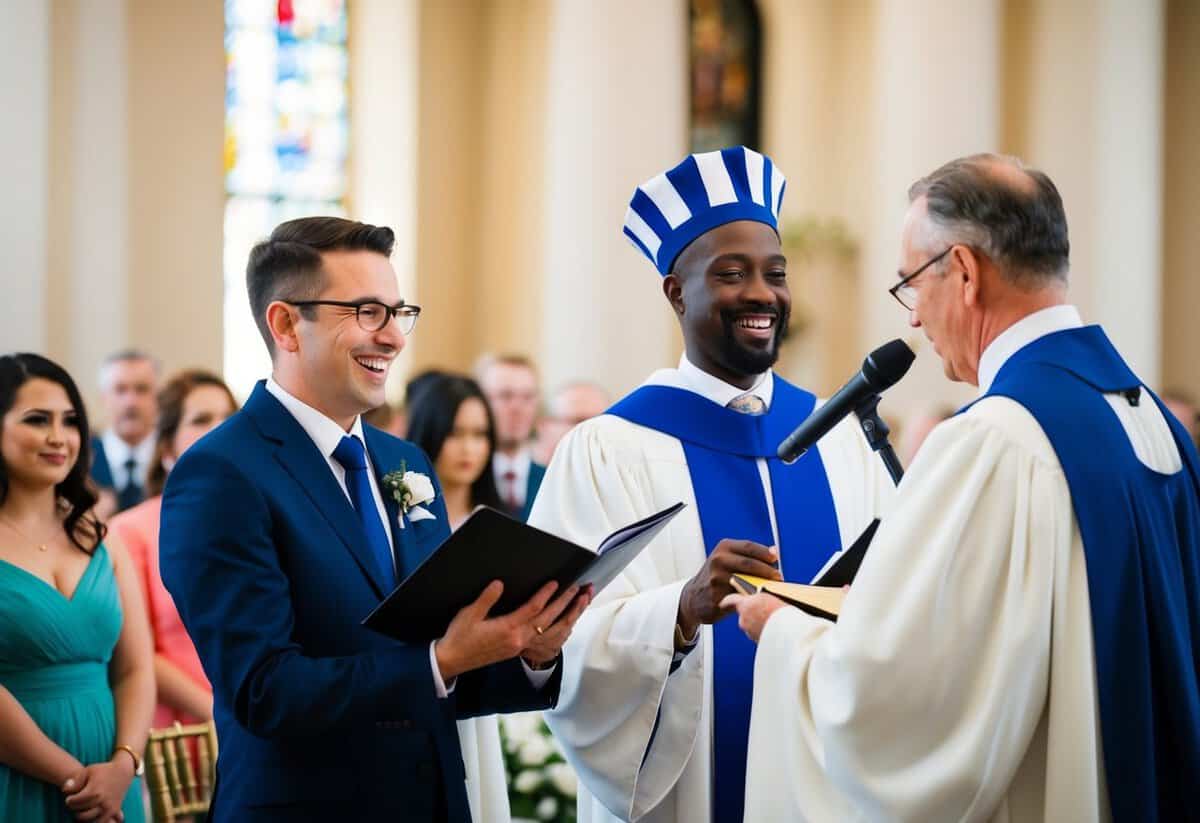
Understanding the differences between these roles can help you choose the right person for your special day. Each offers unique benefits, depending on the kind of ceremony you envision.
Whether you prefer a personalized ceremony or a traditional legal binding, knowing who does what will make your planning process smoother.
As you explore your options, it’s important to think about what you want from your wedding ceremony. Do you desire a personal touch or a strictly official event? Knowing whether to hire a celebrant or a solemniser will guide you in creating a ceremony that reflects your love story.
Understanding the Roles
When planning your wedding, it’s important to know the differences between a celebrant and a solemniser. Each has unique responsibilities and qualifications that can affect your ceremony.
Duties of a Celebrant
A celebrant is focused on creating a personalized experience for your wedding ceremony. They can design the event to reflect your values, beliefs, and preferences, ensuring a meaningful occasion.
Celebrants often use their creativity to craft special vows and rituals. They focus on the way your love story is told, making it distinct and personal. Unlike legal officiants, celebrants do not perform the legal marriage part, which must be done separately.
Celebrants can offer a range of ceremonies, including spiritual and secular options. This flexibility allows you to have a unique experience that aligns with your vision.
Responsibilities of a Solemniser
A solemniser is a person who is officially recognized to conduct legally-binding wedding ceremonies. In many places, solemnisers must be registered with the government. This helps ensure they meet necessary legal requirements.
Often, solemnisers are civil registrars or religious leaders. They handle the legal aspects of marriage, making sure that all required documents are signed and submitted properly.
During the ceremony, the solemniser will lead traditional vows and ensure that all legal phrases are included. It’s their role to make the ceremony valid in the eyes of the law while also maintaining a respectful atmosphere.
Types of Ceremonies Explained
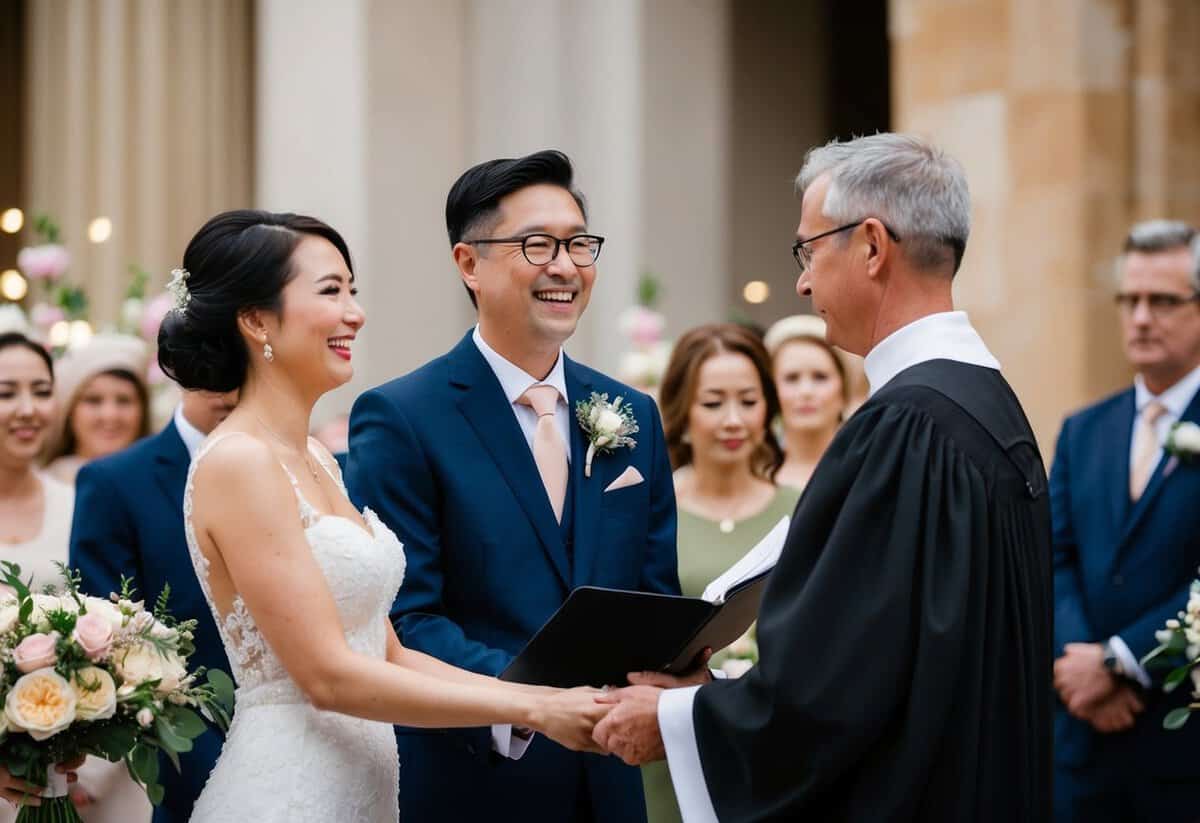
When planning your wedding, understanding the types of ceremonies is essential. Each type has unique features and requirements, making it important for you to choose one that aligns with your beliefs and preferences.
Religious Ceremonies
In a religious ceremony, you celebrate your union according to specific faith traditions. These ceremonies often include rituals, prayers, and blessings of a religious leader. Common elements may involve readings from sacred texts or the exchange of vows before a congregation.
Depending on your faith, this ceremony could be viewed as a sacrament, giving it added significance. Make sure to check any religious requirements needed to conduct a legally binding marriage. Conversations with your religious officiant will help tailor the ceremony to your beliefs.
Secular Ceremonies
Secular ceremonies focus on personal beliefs and values without religious elements. They are ideal if you want a unique, non-religious marriage experience.
In these ceremonies, you can incorporate aspects that represent your relationship, such as personal vows, music, or readings.
A celebrant is commonly the officiant for secular ceremonies. You have the freedom to customize every detail to ensure it reflects who you are as a couple. This allows for a diverse and meaningful celebration that is completely your own.
Civil Ceremonies
Civil ceremonies are officiated by a government-authorized individual. They provide a straightforward way to legally bind your marriage with minimal religious or personal elements.
These ceremonies typically take place in government offices, such as courthouses, and require only a few witnesses.
In many places, civil ceremonies can be customized to some extent, but they must fulfill legal formalities. Be sure to check local laws on the documents needed, such as marriage licenses. This ensures your ceremony proceeds smoothly and legally.
Spiritual Ceremonies
Spiritual ceremonies blend personal beliefs with some elements of spirituality but are not tied to formal religion. They often involve rituals that hold meaning for the couple, such as lighting candles or sharing personal stories.
You may choose a spiritual officiant, such as a celebrant, to guide the ceremony. The focus is on connecting with each other and your beliefs rather than strict traditions. This type of ceremony allows you to express your individuality and creativity while still marking a significant life event.
Legalities of Marriage
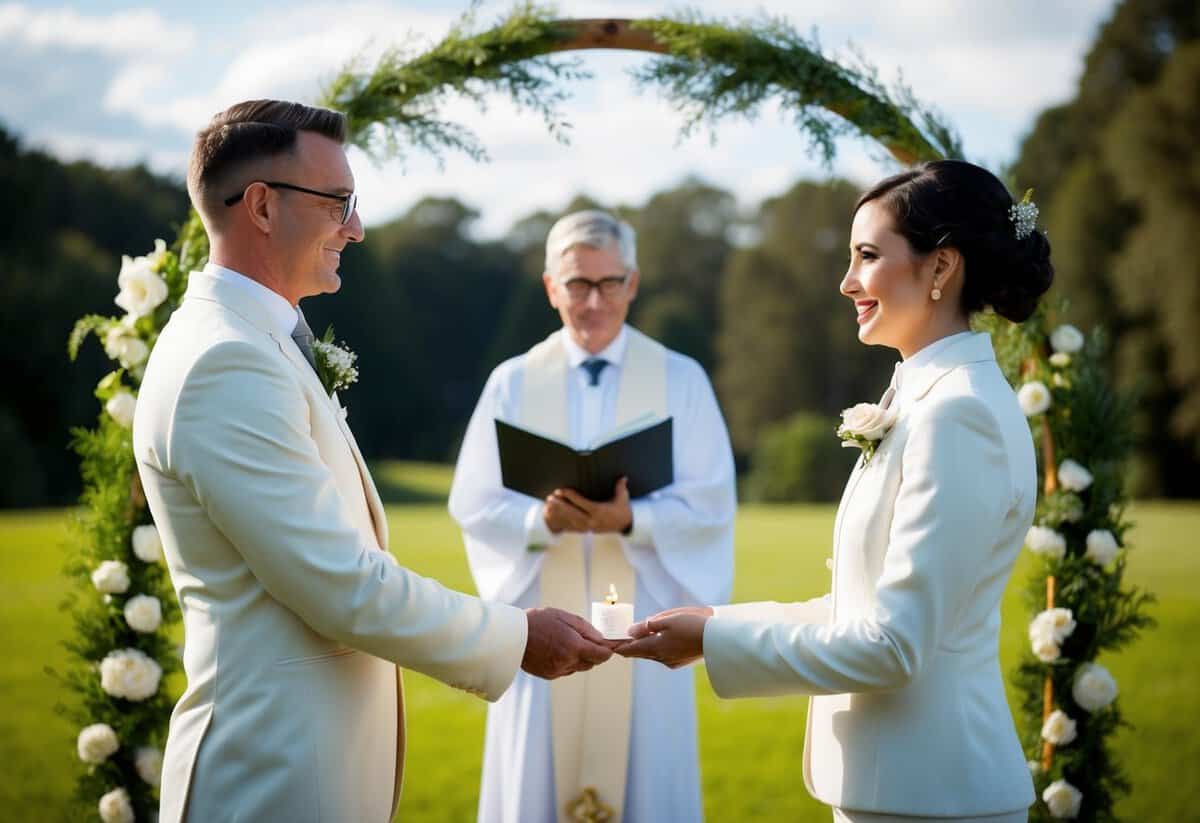
Understanding the legal aspects of marriage is essential for planning your special day. This section will discuss important topics such as the marriage license, necessary documentation, and the role of witnesses in making your ceremony legally binding.
Marriage License and Documentation
Before your wedding, you’ll need to acquire a marriage license. This document is crucial as it legally permits you to marry. The requirements for obtaining a marriage license can vary by location.
Generally, you must apply in person and provide specific documentation. This often includes:
- Identification: Such as a driver’s license or passport.
- Proof of Residency: Some places require proof that you reside there.
- Previous Marriages: If applicable, you’ll need to show divorce decrees or death certificates.
Once you obtain your marriage license, it usually has an expiration date. Make sure to check how long it lasts to avoid any last-minute issues.
Witnesses and Legal Binding
To have a legally binding wedding ceremony, you typically need witnesses present. Most jurisdictions require at least one or two witnesses, but some may allow more.
Your witnesses will need to sign the marriage license after your ceremony to make it official.
Here are some key points:
- Age Requirement: Witnesses often need to be of legal age, which is usually 18.
- Relationship: They can be friends, family members, or even someone you ask for the day.
Having the right witnesses is essential for ensuring your marriage is legally recognized. This formal process highlights the significance of your commitment to each other.
Choosing the Right Officiant for Your Wedding
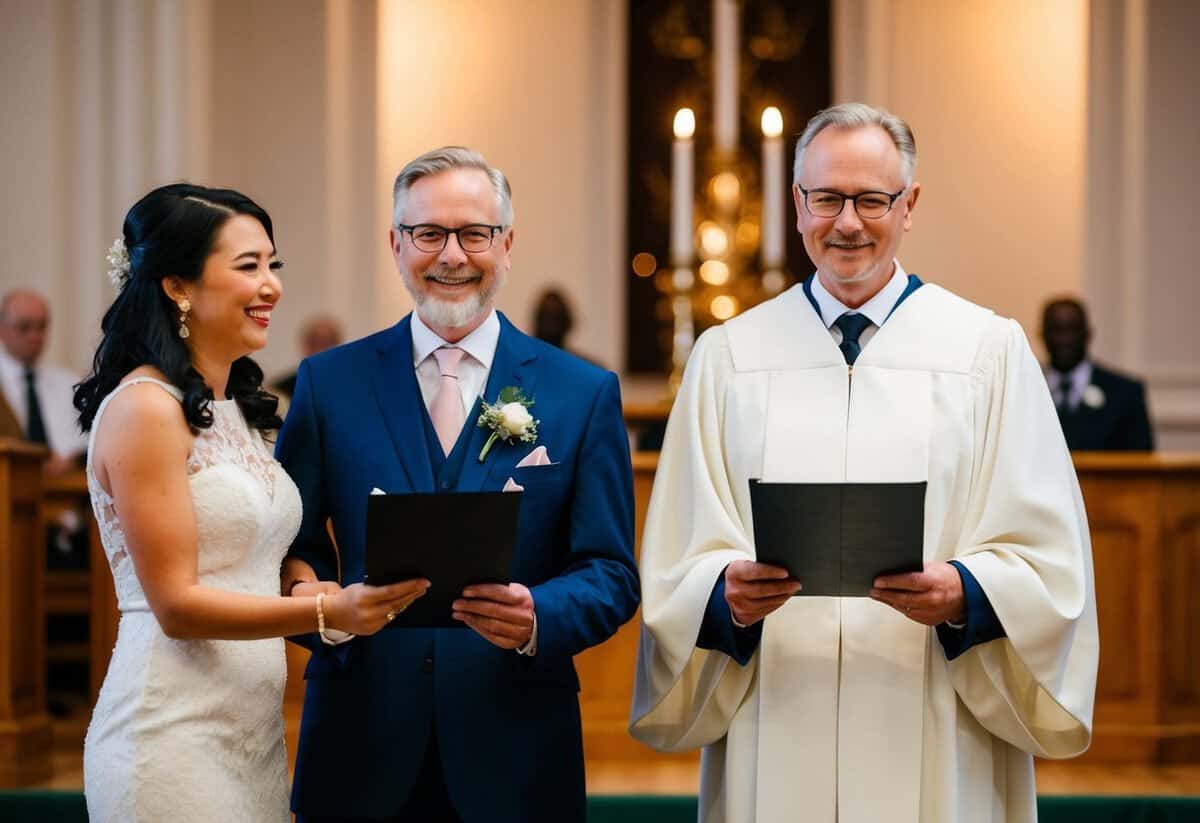
Selecting the right officiant is a key part of your wedding planning. Your choice should reflect your personal beliefs, as well as respect the diversity of your background and values.
Personal Beliefs and Wedding Vision
When thinking about your wedding, consider your personal beliefs. Do you want a truly non-religious ceremony? A celebrant can design a unique, meaningful event that aligns with your values.
If you prefer a religious touch, a registered solemniser might be the right choice. They can ensure that your wedding adheres to specific rituals or traditions.
Ask yourself what vision you have for your ceremony. Would you like it to be traditional or modern? Think about the tone you want to set. A friendly and relaxed atmosphere often works well for weddings.
Remember, your officiant should help make your day special, reflecting your love story in their words and actions.
Cultural and Diversity Considerations
Your wedding is a reflection of who you are, including your cultural and diverse backgrounds. Consider if you want an officiant who understands and respects your heritage.
A celebrant can incorporate elements from various cultural backgrounds, making your ceremony inclusive and unique. This can be especially meaningful for couples from diverse backgrounds or for those wishing to honor family traditions.
If you prefer a civil wedding, there’s still room for personalization. Ensure your officiant embraces inclusivity, making everyone feel welcome.
Make sure your officiant respects you as a couple and acknowledges your unique journey, including any vows you’re renewing. Make your selection a genuine reflection of both you and your partner.