
What’s the First Bridesmaid Called? Understanding Her Role in the Wedding Party
In the world of weddings, the role of the first bridesmaid is quite special. The first bridesmaid is usually called the maid of honor, especially if she is unmarried. This title comes with important responsibilities, such as helping the bride plan the wedding and offering emotional support throughout the process.
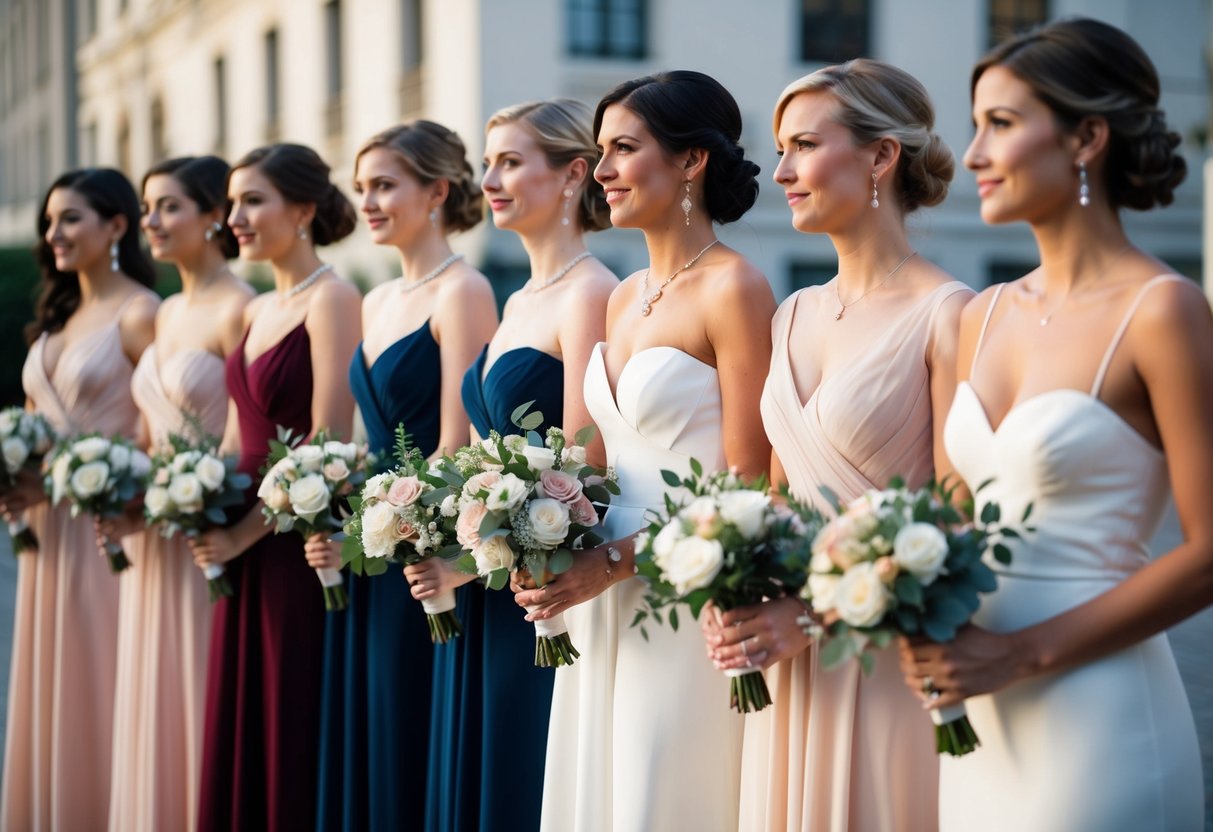
You may also hear the term chief bridesmaid, which can mean the same thing as maid of honor, depending on the tradition. Being part of the bridal party is an honor, and understanding these titles can help you feel more connected to the celebration.
During the wedding, the maid of honor stands by the bride’s side, coordinating with other bridesmaids and ensuring everything runs smoothly. This role not only involves planning and organization but also being a source of support and joy during a significant day in your life.
Roles and Responsibilities
As the first bridesmaid, often known as the maid of honor, you play a key role in supporting the bride. Your responsibilities range from emotional support to taking charge of various wedding tasks.
Maid of Honor Duties
Your primary duty as the maid of honor is to be the bride’s right-hand person. This includes coordinating the other bridesmaids and ensuring everyone knows their tasks.
You’ll help plan and host the bridal shower and bachelorette party, which are important events for the bride to celebrate with friends.
On the wedding day, your tasks will involve holding the bride’s bouquet and helping her with her dress. You will also need to sign the marriage license and give a toast at the reception. Being organized and supportive is crucial in this role.
Supporting the Bride
Emotional support is a major part of being the maid of honor. The wedding planning process can be stressful, so you should be there to listen and offer reassurance. Your presence can help ease the bride’s worries and boost her confidence.
You will also help with addressing invitations, which can be tedious. By relieving some of this burden, you allow her to focus on other details. It’s important to remain positive and engaged, ensuring the bride feels loved and supported throughout the process.
Pre-Wedding Activities
In the months leading up to the wedding, you’ll be involved in various pre-wedding activities. This includes planning the bridal shower, which often features games and gifts that celebrate the bride. Collaboration with other wedding party members is key for successful planning.
You’ll also play a role in organizing the bachelorette party, where you can create fun and memorable experiences. These activities help foster bonds among the bridal party and give the bride a chance to enjoy time with friends before the big day. Your attention to detail will help ensure everything goes smoothly.
Historical Significance and Evolution
The tradition of bridesmaids has deep roots and has transformed significantly over time. From the Victorian Era, where social status played a key role, to modern wedding traditions, the position of your bridesmaids has evolved. This journey reflects changing views on relationships and societal roles.
From Victorian Era to Present Day
In Victorian Britain, weddings were grand events that showcased social status. The chief attendant, known as the principal bridesmaid, had a vital role. This person supported the bride and often wore an elaborate dress that matched the bride’s.
During this time, bridesmaids were seen as symbols of respectability. They were chosen from notable families to highlight the bride’s status.
Over the years, this tradition lightened up, allowing for greater freedom in choices. Today, bridesmaids can wear dresses that reflect their own style, promoting individuality while supporting the bride.
Social Status and Wedding Traditions
Social status greatly influenced wedding traditions throughout history. In the Victorian Era, women were often judged by the families they belonged to or the company they kept. Having a particular group of bridesmaids showcased your family’s social standing.
As the years progressed, these views shifted. Wedding ceremonies have become more personal and less about status. Nowadays, friends or relatives are chosen based on support and relationship rather than social rank.
This change indicates a broader societal shift towards valuing personal connections over outdated hierarchies. Your choice of bridesmaids today reflects more on your relationships than on social status, making weddings more meaningful and inclusive.
Selecting the Right Attendants
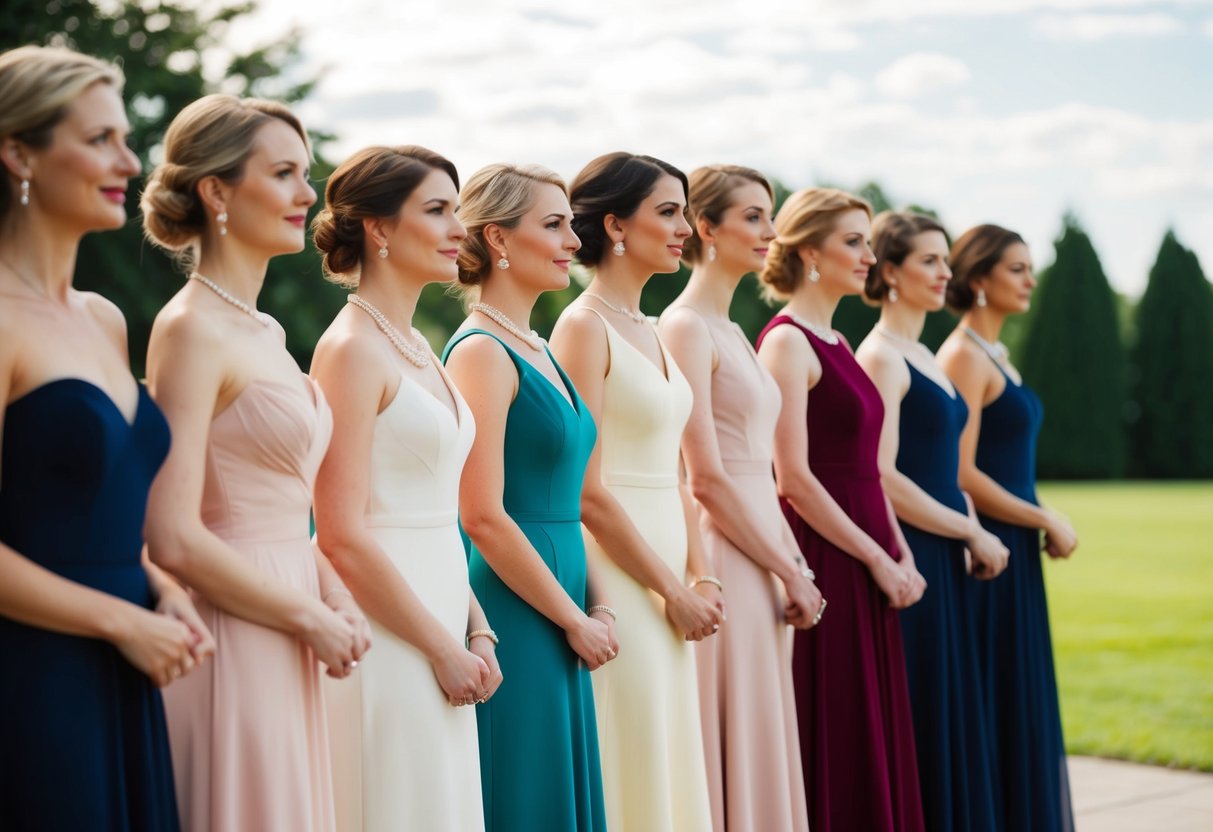
Choosing your bridal party is an exciting part of wedding planning. The right attendants can add joy and support throughout the process. It’s important to consider your closest connections and their roles.
Criteria for Choosing Bridesmaids
When selecting your bridesmaids, think about the people who mean the most to you. Consider factors like:
- Close Friends: Who have been there for you through thick and thin?
- Sisters: Do you have a sister or sisters you want by your side on this special day?
- Family Members: Depending on your family dynamics, a relative could make a great attendant.
You might want to include a mix of individuals, such as a maid of honor for leadership and guidance, along with a junior bridesmaid if you have younger relatives. It’s essential that each member can support you emotionally and help with wedding tasks.
Variations in Bridal Parties
Modern bridal parties can vary widely. You can include:
- Bridesmaids: Traditionally female attendants.
- Bridesmen: Male friends or family members who fit your bridal party style.
- Men of Honor: A male counterpart to the maid of honor when needed.
Consider how you can personalize your party. If some attendants are married, you would refer to them as matron of honor, while unmarried attendants can be called maid of honor. Each role can come with specific responsibilities, so choose based on someone’s strengths and willingness to help!
Ceremony and Celebration
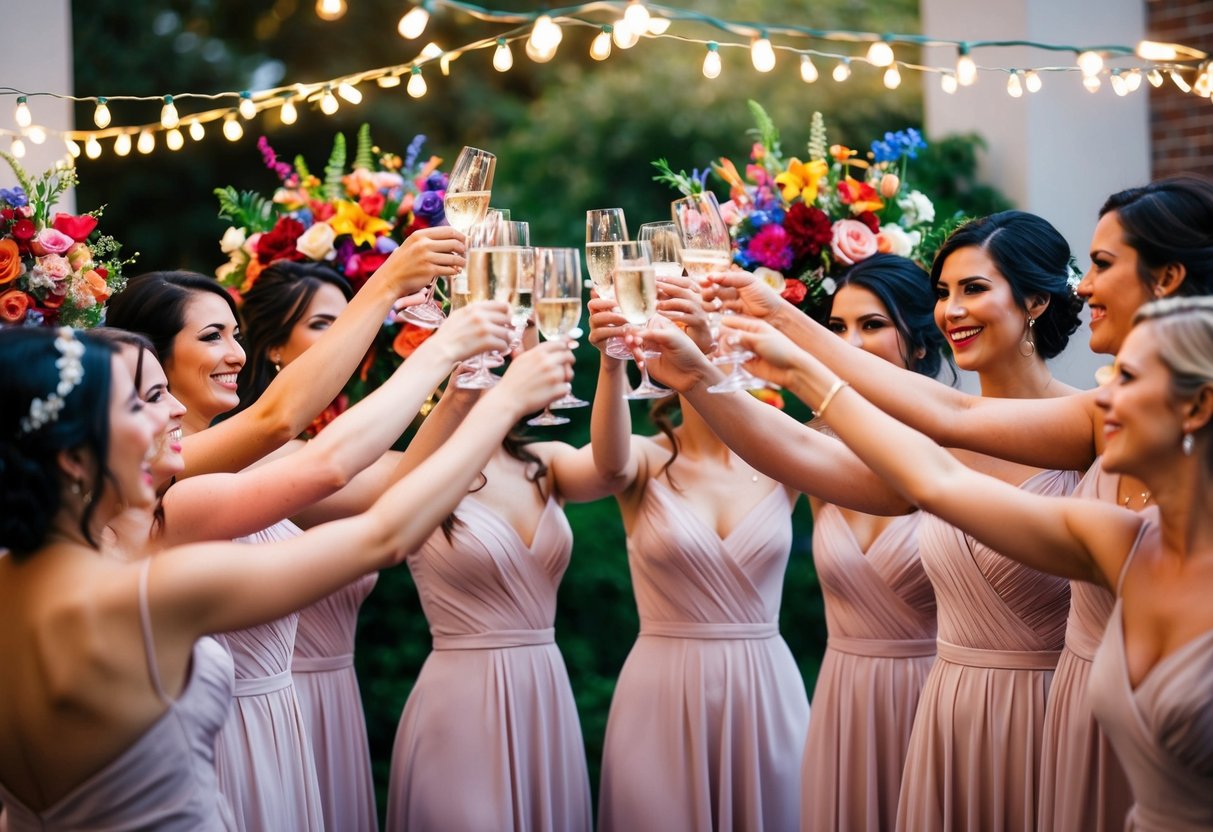
The wedding ceremony is a special time filled with love and joy. Your role as the first bridesmaid includes helping with various arrangements to ensure everything goes smoothly on the big day, as well as making sure you look beautiful alongside the bride.
The Big Day Arrangements
On the wedding day, many important arrangements must be made. First, you’ll want to assist the bride in preparing for the ceremony. This includes helping her into her wedding dress and veil.
Make sure the bouquet is ready for her to hold. You’ll also want to check in on the other wedding attendants, often called the “I Do Crew,” to ensure they are ready and in the right place.
During the processional, your role is to walk confidently alongside the bride. This moment is essential as it sets the tone for the entire ceremony.
Staying calm and collected is key. Enjoy this memorable day as part of the bride’s support system.
Attire and Aesthetics
Choosing the right attire is vital for the ceremony’s aesthetics. The first bridesmaid often wears a dress that complements the bride’s wedding dress. Consider her preferences to ensure unity among the wedding party.
Don’t forget about the details such as the bridal bouquet and your accessories. You might also want to assist the flower girl, making sure she is comfortable and ready for her moment.
Make sure to snap some pictures in your beautiful outfits to remember this day. It’s all about supporting the bride and looking your best while doing it. This celebration marks the beginning of a wonderful journey.