
What’s the Point of a Rehearsal Dinner? Understanding Its Importance in Wedding Planning
A rehearsal dinner is a key part of the wedding week that brings together the wedding party, family, and close friends before the big day. The main point of a rehearsal dinner is to practice the ceremony while providing an opportunity for everyone to relax and bond. This casual gathering helps ease any last-minute nerves and fosters connections among loved ones.
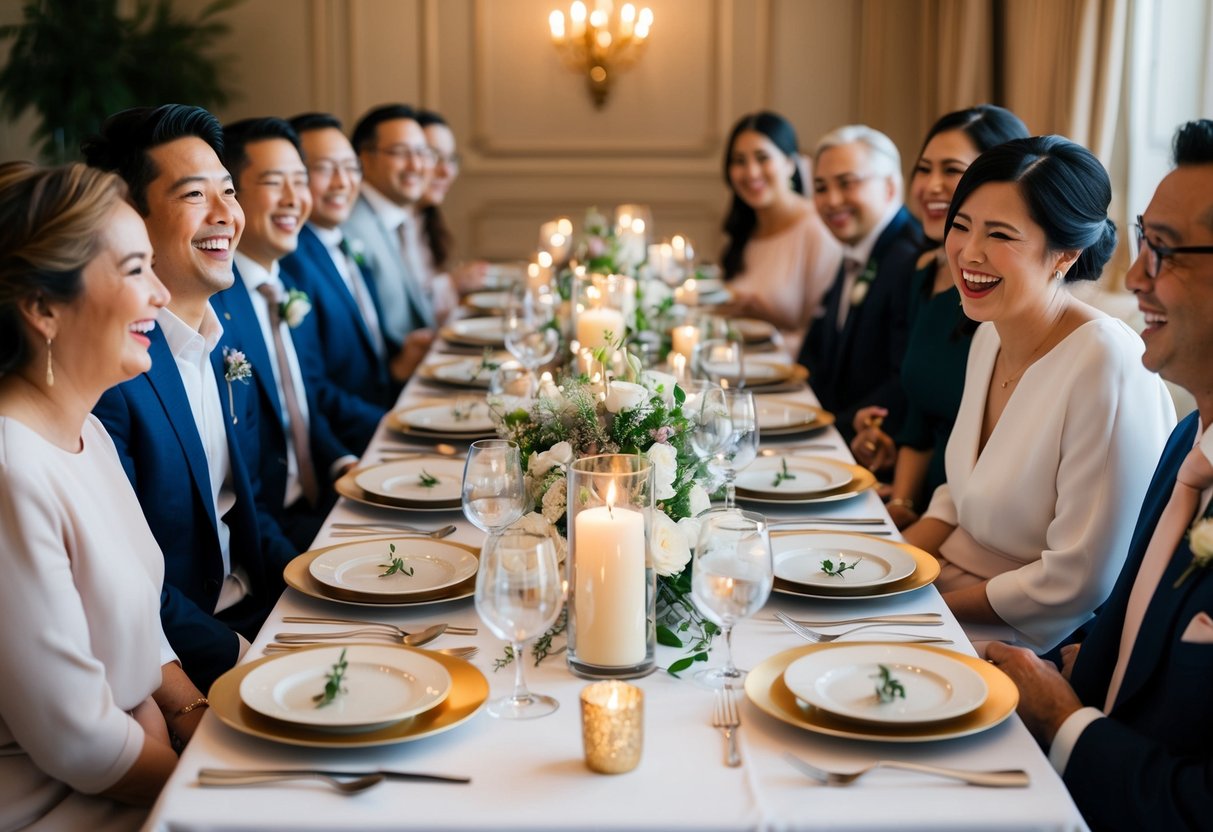
At the rehearsal dinner, you can enjoy a meal, share toasts, and even have some fun with light-hearted roasts. This pre-wedding event not only sets the tone for the celebrations to come but also allows for meaningful connections that can strengthen relationships before you say “I do.”
It’s a time to celebrate love, laughter, and the joy of being surrounded by those who matter most.
Purpose and Significance of a Rehearsal Dinner

A rehearsal dinner is a key event that kicks off the wedding festivities. It allows you to celebrate with your closest family and friends while also helping everyone prepare for the big day. This gathering is filled with hospitality, appreciation, and plenty of joy.
Kick-Starting the Wedding Celebrations
The night before the wedding is the perfect time to begin the celebrations. A rehearsal dinner serves as an enjoyable way to set a positive tone for the wedding day.
You gather with your wedding party and loved ones, sharing laughter and stories. This relaxed atmosphere helps ease any nerves you or your guests might feel.
Planning some light-hearted activities or speeches can also create lasting memories. Remember, it’s about being together and feeling the excitement of the upcoming wedding celebration.
Welcoming Out-of-Town Guests
If you have family and friends traveling from afar, the rehearsal dinner is a wonderful chance to welcome them. It shows your gratitude for their effort to be part of your special day.
By bringing everyone together, you help them feel included and connected. This time allows for interaction between both families and friends, fostering relationships before the wedding.
Consider adding local flavors to the meal to give guests a taste of the area. It creates a warm atmosphere and makes your guests feel appreciated.
Facilitating Wedding Preparations
The rehearsal dinner is also practical. After enjoying a meal, your wedding party can rehearse the ceremony.
By going through the event together, you can address any last-minute questions or concerns. This practice allows everyone to feel more comfortable with their roles.
Using this time to discuss logistics and timelines for the wedding can be very helpful. You ensure that everything is set for the big day, making it less stressful for you and your loved ones.
Planning the Event
When planning your rehearsal dinner, there are key decisions to make. You will choose a venue, create a guest list, and decide on the dress code and decor. Each step contributes to a memorable gathering.
Choosing the Right Rehearsal Dinner Venue
Selecting the venue is one of the most important decisions you’ll make. Consider the size of your guest list and the atmosphere you want to create.
Popular options include:
- Restaurants: Many offer private rooms for intimate gatherings.
- Parks: Perfect for casual outdoor celebrations with picnic setups.
- Banquet Halls: Great for larger groups and more formal settings.
Make sure the venue is accessible for all your guests. Confirm the reservation early to secure your date. You may also want to discuss menu options and pricing ahead of time.
Crafting the Guest List and Invitations
Creating your guest list can be fun, but it also requires careful thought. Start by including immediate family, wedding party members, and close friends.
Remember to consider:
- Plus-ones: Decide if everyone can bring a guest.
- Out-of-town guests: It’s a nice touch to invite those traveling to your wedding.
Once your list is ready, send out invitations about a month in advance. Personalized invitations can set the tone. You can opt for digital invitations for a quick touch or go for printed ones for a more formal approach.
Determining the Dress Code and Decor
The dress code should match the style of your rehearsal dinner. Whether it’s casual or formal, make sure your guests know what to expect.
Tips for selecting the right dress code include:
- Casual gatherings: Suggest comfortable attire if you choose a relaxed venue.
- Formal events: Specify dressy outfits to create an elegant atmosphere.
When it comes to decor, think about your wedding theme. Simple decorations like flowers, table settings, and lighting can enhance the mood. Opt for personal touches that reflect your style and make the evening memorable.
Conducting the Rehearsal Dinner

Conducting a rehearsal dinner is a special part of wedding festivities. It allows families and friends to connect before the big day while following traditions and enjoying heartfelt moments.
Observing Rehearsal Dinner Traditions
Embracing rehearsal dinner traditions can add warmth to this gathering. Typically held after the ceremony rehearsal, you should invite your bridal party, close family, and friends. Sending out rehearsal dinner invitations is important for ensuring everyone can RSVP in advance.
Traditionally, the groom’s parents host the dinner, but this can vary. It’s a chance for everyone to enjoy a formal dinner and unwind. Consider including a roast of the couple; this can lighten the mood. Remember to plan some activities like games or sharing stories to foster connections.
Savoring Toasts and Special Moments
Toasts and speeches during the rehearsal dinner are highlights. They provide a wonderful opportunity for loved ones to share memories and express their love.
You might want to prep a few key people to speak. This can include the parents and the best man. Encouraging everyone to share a thought can create a warm atmosphere. Keep the tone light and heartfelt.
Make sure to choose the right time for these moments. After enjoying the meal is often best. Setting aside a specific spot for speeches ensures everyone has their moment without feeling rushed or overlooked.
Managing Expectations and Etiquette

It’s important to know the responsibilities involved in planning your rehearsal dinner and how to address everyone’s needs. Clear communication and consideration go a long way in making this event enjoyable for all.
Who Plans and Pays for the Dinner?
Usually, the groom’s family takes the lead in planning and paying for the rehearsal dinner. They often coordinate details like the location, menu, and guest list. However, it’s becoming common for couples to contribute or even take charge themselves, especially if they have a particular vision for the event.
Talk early on with your fiancé about your preferences and budget. If you plan to host the dinner at your wedding venue, it can be convenient to include both the rehearsal and dinner in one place. This makes planning easier and can even add a personal touch.
When deciding who to invite, include immediate family, bridal party members, and close friends. Make sure to share any necessary information, like dress code and start times, so everyone knows what to expect.
Addressing Dietary Needs and Preferences
Guests can have a wide range of dietary restrictions. To ensure that everyone has a pleasant experience, you need to accommodate all these needs. When you send out invitations, ask your guests if they have any food allergies or preferences.
Once you have a list of dietary needs, consult with your chosen venue or catering service. Most venues can provide options for gluten-free, vegetarian, or nut-free dishes. Be open to customizing the menu so it reflects the tastes and dietary requirements of your guests.
It’s also a good idea to keep guests informed about what they can expect. You might want to list menu options in advance, especially for a rehearsal brunch, so guests know what to look forward to. Thoughtful planning ensures that your rehearsal dinner is both memorable and enjoyable for everyone involved.