
When Can You Kiss the Bride? Unpacking Wedding Traditions and Timing
The kiss during a wedding is a cherished tradition that symbolizes love and commitment. You can kiss the bride at the end of the wedding ceremony, typically after exchanging your marriage vows. This moment marks the official start of your life together as a married couple and is often guided by the officiant’s words, such as “You may now kiss the bride.”
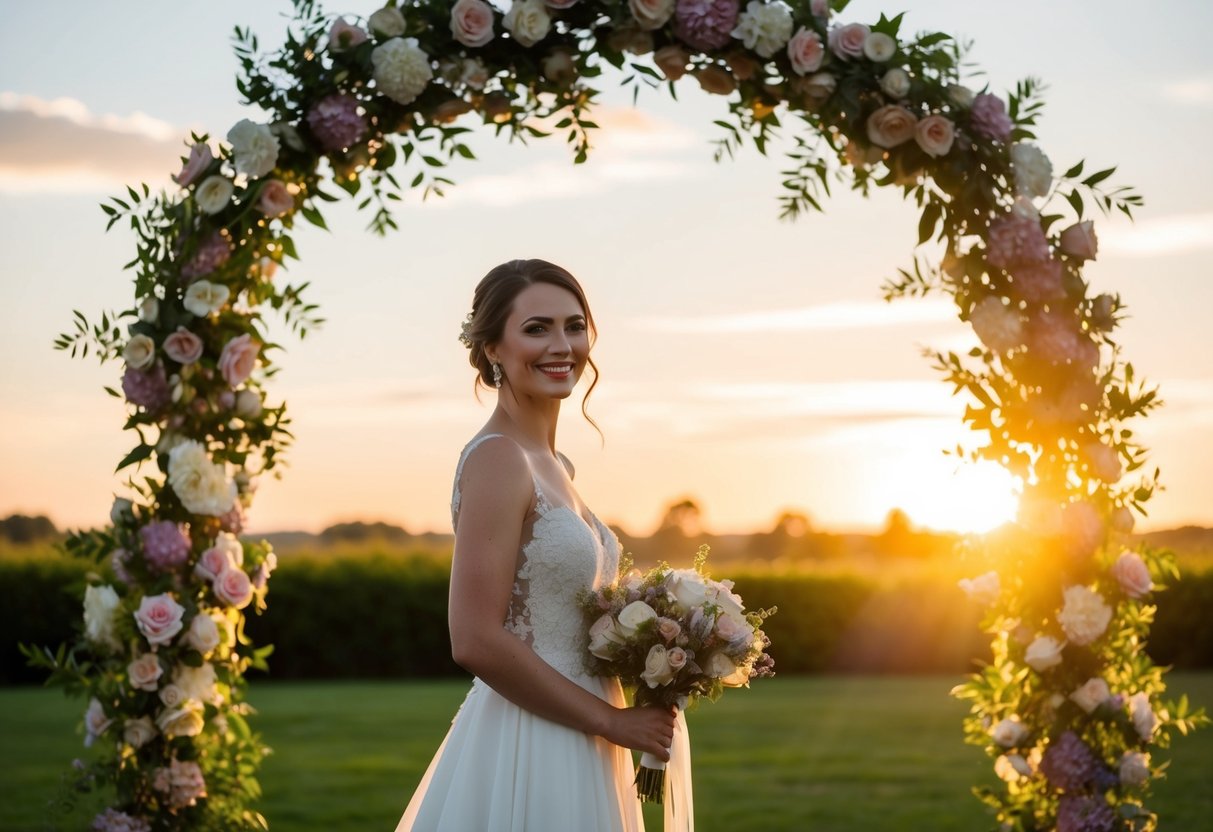
Understanding when to kiss the bride can add to the excitement of your big day. The kiss is a highlight of the ceremony, showcasing your love for each other in front of family and friends. While rooted in tradition, it’s a personal expression of the connection you share, making it a memorable part of your wedding.
Traditions around this moment have evolved over time, but the essence remains the same. It captures a beautiful promise of togetherness. Whether you stick to the classic phrase or create your own version, the kiss will always be a special moment filled with joy and anticipation.
Historical Customs of the Marriage Kiss
The kiss in marriage ceremonies has deep-rooted customs across various cultures and times. It symbolizes love, commitment, and the bond formed between partners. Understanding its history helps you appreciate this significant moment during your wedding.
Ancient Origins
The tradition of kissing a bride can be traced back to Ancient Rome. In those days, a kiss sealed a marriage, acting as a legal bond to finalize the union. Couples would exchange kisses to signify their commitment and integrate their lives.
In these early ceremonies, the act was more than just a romantic gesture; it represented a partnership in both love and legal matters. As the practice spread, different cultures adapted it, but the essence remained constant: a public confirmation of the marriage.
Kissing in Religious Ceremonies
In Catholic ceremonies, the kiss gained added significance. During the nuptial mass, the groom would often receive a kiss of peace from the priest, symbolizing divine blessings on the marriage. He would then pass this blessing to his bride with a kiss, reinforcing their unity.
This act in Catholic wedding ceremonies highlighted the sacred nature of marriage. The phrase “you may now kiss the bride” became a traditional cue for the couple to share this intimate moment. Other religious traditions, such as in Muslim weddings, also feature ritualized kissing, demonstrating the universal importance of this act in affirming marital vows.
Modern Interpretations
In modern weddings, the kiss holds unique meanings, influenced by personal beliefs and cultural backgrounds. Many couples incorporate traditional phrases like “you may kiss the bride” into their ceremonies, creating memorable moments for their guests.
Some couples choose to customize their kiss, perhaps by adding a spin or a lighthearted touch, making it their own. In royal weddings, the kiss can symbolize not just love but also the union of two families and a broader message of unity.
Today, the wedding kiss carries emotional depth, representing not just a ritual but the beginning of a shared journey. It connects ancient traditions to contemporary celebrations, allowing you to honor your unique story as you exchange vows.
The Role of the Officiant
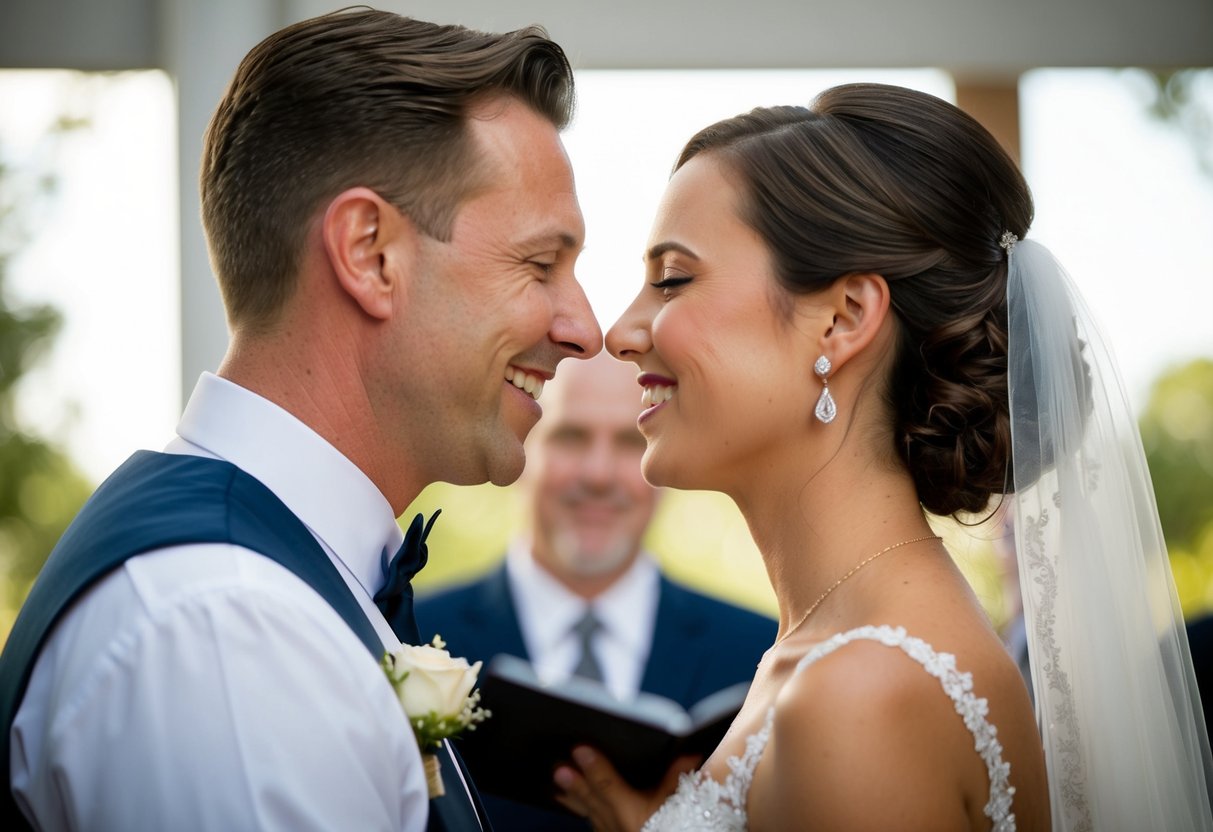
The officiant plays a key role in your wedding, guiding you and your partner through the ceremony and its important moments. Their duties include making the wedding pronouncement and ensuring everything flows smoothly throughout the event.
Pronouncement Duties
One of the most memorable parts of your wedding is when the officiant makes the wedding pronouncement. This is when they declare you and your partner officially married. It often comes before the moment when you hear, “You may now kiss the bride.”
The officiant will usually speak these words with clarity and joy. This moment marks the transition from the ceremony to your new life together. Having a skilled officiant can make this moment feel special, so choose someone who resonates with you as a couple.
Guiding the Ceremony’s Flow
Your officiant also has the important job of guiding the ceremony’s flow. They keep the event organized and make sure everything happens on time. This means coordinating with the celebrant, musicians, and other participants.
During the ceremony, they will lead you through your vows and any readings or rituals. An experienced officiant ensures that each part of the ceremony feels connected and meaningful. Their guidance helps create a smooth experience, allowing you and your guests to fully enjoy the celebration.
Cultural and Personal Variations
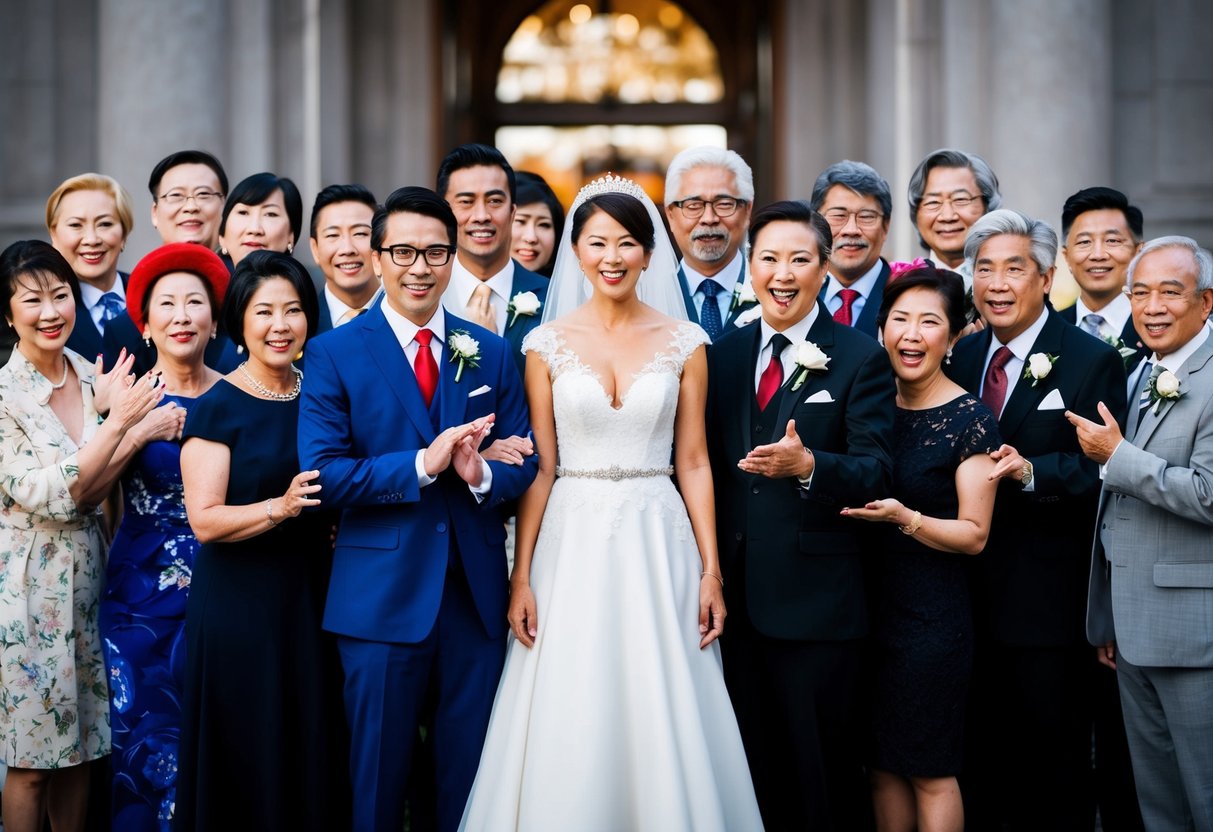
Kissing at weddings can vary greatly based on cultural contexts and personal preferences. Understanding these differences can help you navigate your special day smoothly.
Cultural Differences in Wedding Kisses
Different cultures have unique traditions surrounding the wedding kiss. In many Western ceremonies, the officiant often announces, “You may now kiss the bride,” marking the moment for that first kiss as a married couple. This is a widely recognized practice.
In contrast, in some Muslim weddings, the focus may be more on the walima reception as a celebration, with less emphasis on the kiss during the ceremony. Kissing before marriage is generally less common in certain cultures, prioritizing modesty.
Each culture infuses its own meanings and rituals into the kiss, symbolizing respect, commitment, and sometimes joy. Understanding these customs can enhance your appreciation of the special moments on your wedding day.
Personal Choice in Kissing Customs
Your approach to the wedding kiss is also deeply personal. Some couples may feel comfortable sharing a quick peck, while others might opt for a longer, more romantic kiss. Personal preferences are key in deciding how you want to express your love.
Think about your comfort level with public displays of affection. You should feel free to choose a kiss style that feels genuine to your relationship. If you are shy or prefer a more intimate moment, consider discussing alternative gestures with your partner. Ultimately, it’s about what feels right for you both.
Choosing how and when to kiss can also reflect your relationship history, such as whether you’ve kissed before marriage. Embrace the joy of your unique story and let that guide your choices on this day.
After the Kiss
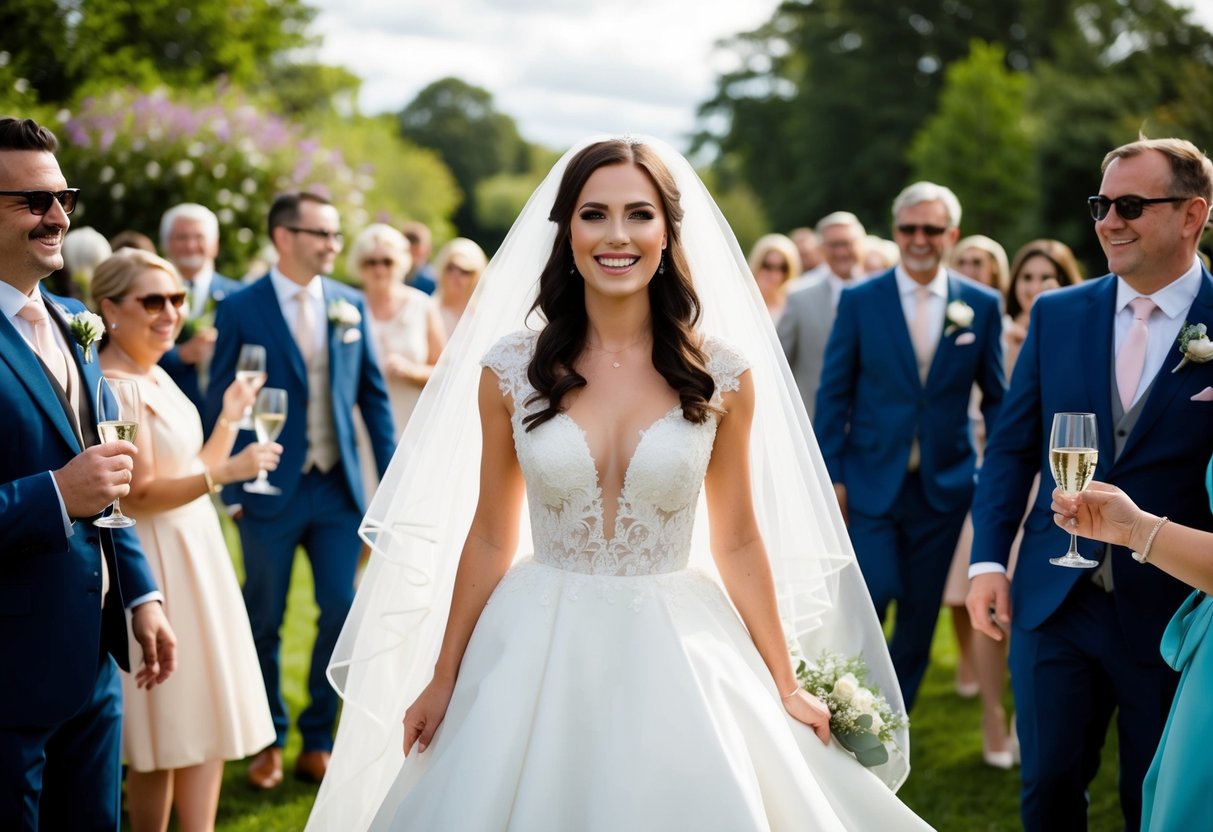
After the kiss, the moment marks a shift from the ceremony to the joyful celebrations ahead. This transition is filled with excitement and significance for the newlywed couple, highlighting their commitment to each other.
Transition to Celebrations
Once you share your first kiss as husband and wife, it signals the start of the celebrations. The officiant typically announces you as a married couple. Guests often respond with cheers and applause.
This is a great moment that focuses everyone’s attention on you as a couple. You might then turn to face your guests and smile. This is when the exchanging of rings takes on new meaning, symbolizing your vows and love. After the kiss, you may head out for a special send-off, or the celebrations may begin right away, such as a walima reception filled with food, music, and dancing.
Significance of the First Kiss
The first kiss during a wedding ceremony is often celebrated as a seal of your love and devotion. It represents the culmination of your commitment to each other.
This moment is filled with emotion and meaning. By kissing, you confirm the bond you share and your promise to support one another.
For many, the first kiss is a cherished memory, marking the beginning of your lives together as a married couple.
It embodies not only the romance of the day but also your journey together. This act speaks volumes about your relationship and sets the tone for your future as partners.