
When Should a Bride Start Looking for Her Wedding Dress? Essential Tips for Timing
When it comes to wedding planning, one of the most exciting yet challenging tasks is finding your perfect wedding dress. You should start looking for your wedding dress about 9 to 12 months before your big day. This timeline allows you enough time to explore different styles, make decisions, and account for alterations, which can take additional time.
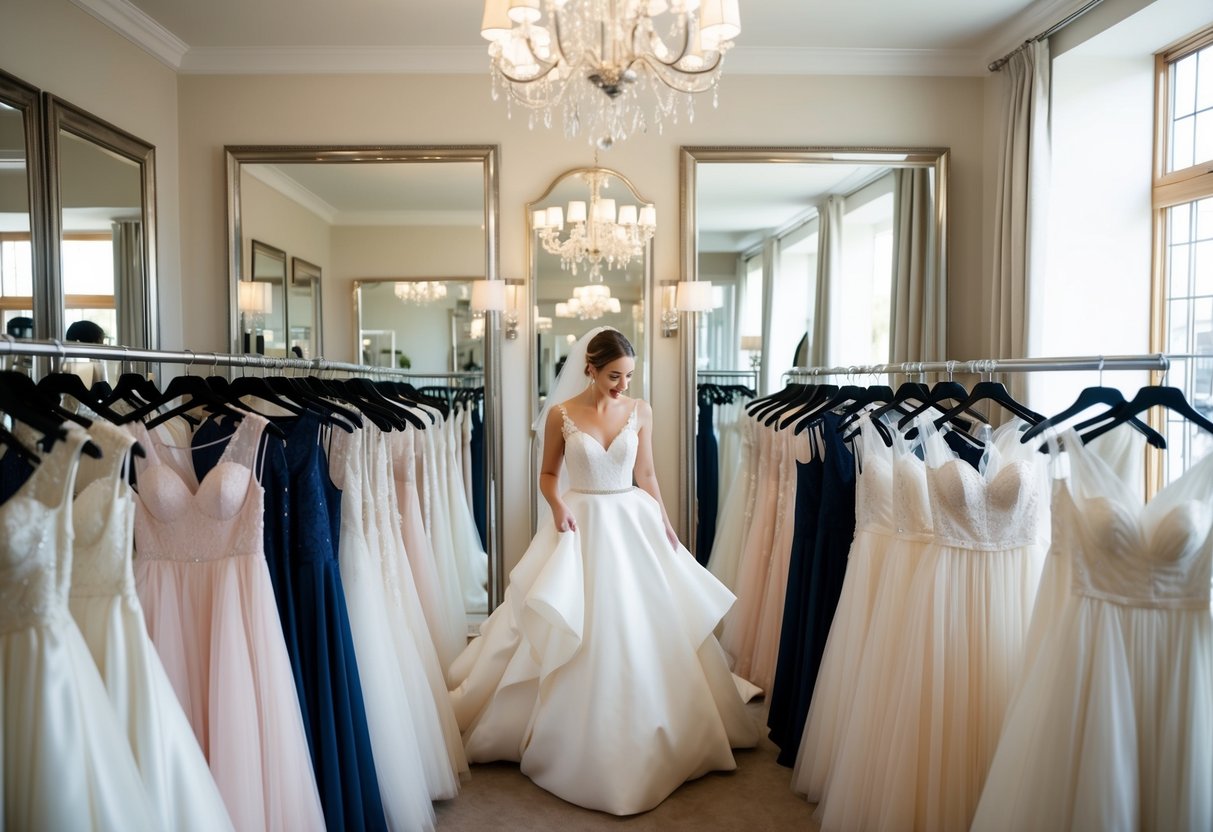
Shopping early gives you a chance to discover what you truly love and what suits you best. Plus, it lifts some of the stress off your shoulders. Many brides find that starting the search early leads to a more enjoyable experience, allowing for surprises and fun moments along the way.
Don’t forget to set a budget before you dive into shopping. This will help guide your choices and ensure you’re making decisions that align with your wedding planning goals. So set that date and get ready to embark on an exciting journey to find the dress of your dreams!
Determining Your Wedding Dress Timeline

Finding the right time to start wedding dress shopping can help make the process smoother and more enjoyable. Consider your engagement length and wedding date, along with the specifics of dress shopping and ordering processes.
Considering Engagement Length and Wedding Date
Your engagement length plays a big role in when you should begin shopping for your wedding dress. If you have a longer engagement, around 12-14 months, you can take your time to explore different styles and designers. This is also a good time to set a budget.
If your wedding date is approaching quickly, you may need to focus on off-the-rack dresses. These are readily available and can save you time. Keep in mind that made-to-order dresses often require 4-6 months for production, plus additional time for alterations. Be sure to factor all these timelines into your planning!
Understanding Dress Shopping and Ordering Processes
When you start shopping, knowing the ordering process is essential. Once you find a dress you love, it can take several months for it to arrive, especially for made-to-order options. This includes time for fittings and any changes you may want.
You should also consider seasonal trends. Popular styles can sell out quickly, so starting early can help you avoid disappointment. Whether you lean towards an elegant ball gown or a simple slip dress, understanding these factors will make your experience more enjoyable and less rushed.
Setting the Wedding Dress Budget
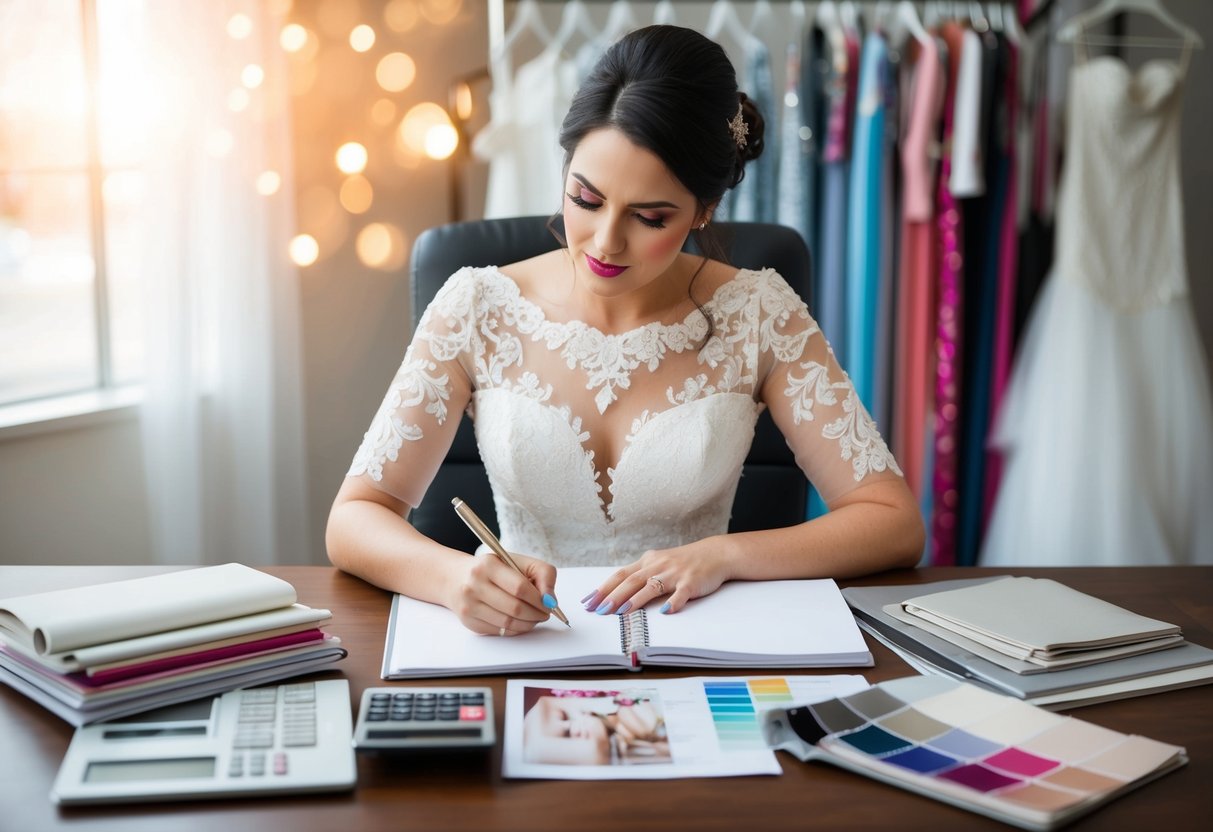
Setting a budget for your wedding dress is an important step that helps guide your choices. It’s essential to consider not just the dress itself but also alterations, accessories, and any unexpected costs.
Allocating Funds for the Dress and Alterations
Start by deciding how much you can comfortably spend on your wedding dress. The average wedding dress budget can range widely, so know your financial limits. Once you establish a base amount for the dress, set aside additional funds for alterations, which are often necessary for the perfect fit.
Bridal salons may charge for alterations separately, so factor those costs into your total budget. Be sure to inquire about common alterations, such as hemming or taking in the sides. Sometimes, rush fees may apply if you need the alterations completed quickly, so be mindful of your timeline.
Exploring Bridal Salons and Sample Sales
Next, explore various bridal salons in your area to see their price ranges. You might find that some salons offer a range of dresses at different price points. Visiting multiple salons can give you a better sense of your options and help you compare styles and prices.
Sample sales are also a great way to score a beautiful dress at a reduced price. These sales often feature last season’s dresses or overstock items. By attending a sample sale, you can find quality dresses that fit your budget while enjoying a more relaxed shopping experience.
Accounting for Accessories and Unexpected Costs
When planning your budget, don’t forget to include bridal accessories. Items like veils, shoes, and jewelry can add up quickly. It’s smart to allocate a portion of your budget specifically for these accessories to ensure a complete look on your big day.
Also, set aside a small fund for unexpected costs. Whether it’s alterations you didn’t plan for or an emergency kit filled with essentials, having a cushion in your budget will relieve stress as your wedding day approaches. This way, you won’t be caught off guard by last-minute expenses.
Selecting the Right Bridal Boutique and Style

Finding the perfect wedding dress starts with selecting the right bridal boutique and identifying styles that suit your body type and taste. Working closely with a bridal stylist can make this process enjoyable and rewarding.
Choosing a Bridal Salon and Booking Appointments
Start by researching local bridal boutiques that have positive reviews. Look for shops offering a wide selection of wedding dress styles, from classic to modern. Recommendations from friends or family can also guide you to trusted salons.
Once you’ve identified a few options, call ahead to book your wedding dress appointment. During your visit, be open with your bridal stylist about your personal taste and budget. Bring inspiration images or notes about styles you love. This helps the stylist understand your vision and find the perfect wedding dress for you.
Be prepared to try on various styles. The goal is to explore what looks and feels best. Don’t hesitate to ask questions about fabric, fit, and alterations. A good bridal shop will prioritize your comfort and happiness.
Finding a Dress That Complements Your Body Type and Personal Taste
Understanding your body type is crucial in selecting a flattering dress. For instance, if you have an hourglass figure, you might love a dress that accentuates your waist. If you’re more petite, consider a gown that elongates your silhouette, such as an A-line dress.
Consider your personal taste when choosing between different dress styles. You may prefer romantic styles with lace or modern cuts with clean lines. Don’t shy away from trying on various wedding dress styles to discover what you truly love.
During your appointments, your bridal stylist can help guide you to options that fit your body type and style preferences. The right dress will not only look stunning but also make you feel confident on your special day.
The Dress Fitting Journey
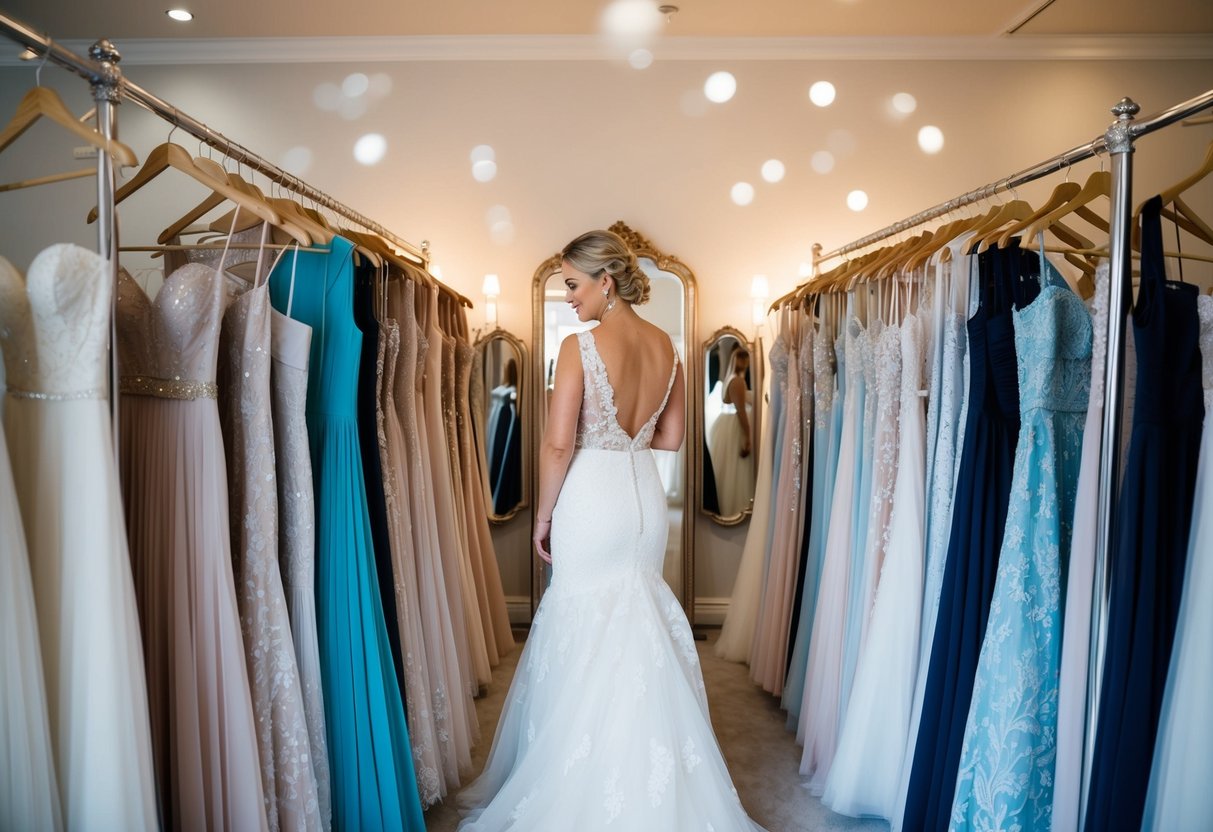
As you prepare for your wedding, the dress fitting journey is an exciting part of the process. Knowing how to schedule your fittings and what to expect at each can help make this experience enjoyable and successful.
Scheduling Your First Fitting and Preparing for It
Plan your first fitting as soon as your wedding gown arrives, usually 6-8 weeks before your big day. This fitting is crucial for getting the right fit. When you arrive, bring along the undergarments and wedding shoes you plan to wear. This ensures your dress fits perfectly for the whole day.
During this first visit, the seamstress will check the length, bust, and waist of your gown. It’s a good time to discuss any specific adjustments needed, such as adding support or altering the neckline. Make sure to communicate your desires clearly for the best results.
Knowing What to Expect at the Second and Final Fittings
The second fitting usually happens about 4 weeks before your wedding. By this time, the seamstress will have made many alterations. You’ll try on your gown and see how the adjustments look.
This fitting is a great opportunity to fine-tune areas like the waist and skirt length.
Finally, the last fitting occurs 1-2 weeks before the wedding. This is where your bridal gown should fit perfectly. Look for any last-minute tweaks, such as adjusting the hem or ensuring the bodice is snug.
It’s your last chance to make sure everything is just as you want it for your special day.