
When Should Speeches Start at a Wedding? Timing Tips for a Memorable Celebration
As you plan your wedding, one question may stand out: wedding speeches typically start about three-quarters of the way through dinner. This timing allows your guests to settle in and enjoy their meal before you kick off the heartfelt moments that everyone looks forward to.
By the time the speeches begin, your loved ones will be ready to listen and celebrate.
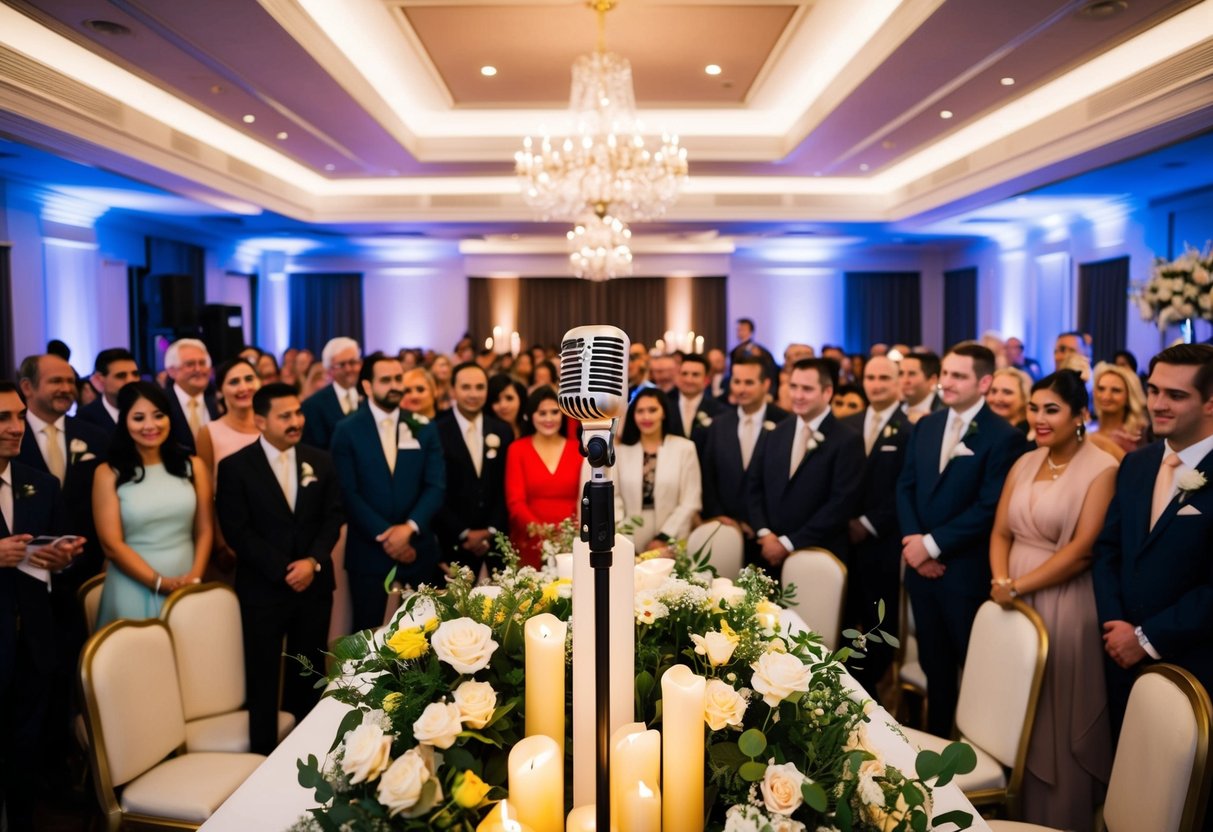
Understanding the order of wedding speeches can also help you organize this special part of your day. From parents to best men, each speaker has a designated time that fits naturally into the flow of the event. This structure not only keeps the moods high but also makes your wedding planning smoother.
By knowing when speeches should take place, you can create a memorable experience for you and your guests. When the moment arrives, you’ll see the joy and emotion shared through these personal messages, making your celebration even more unique.
Understanding Traditional Wedding Speech Order
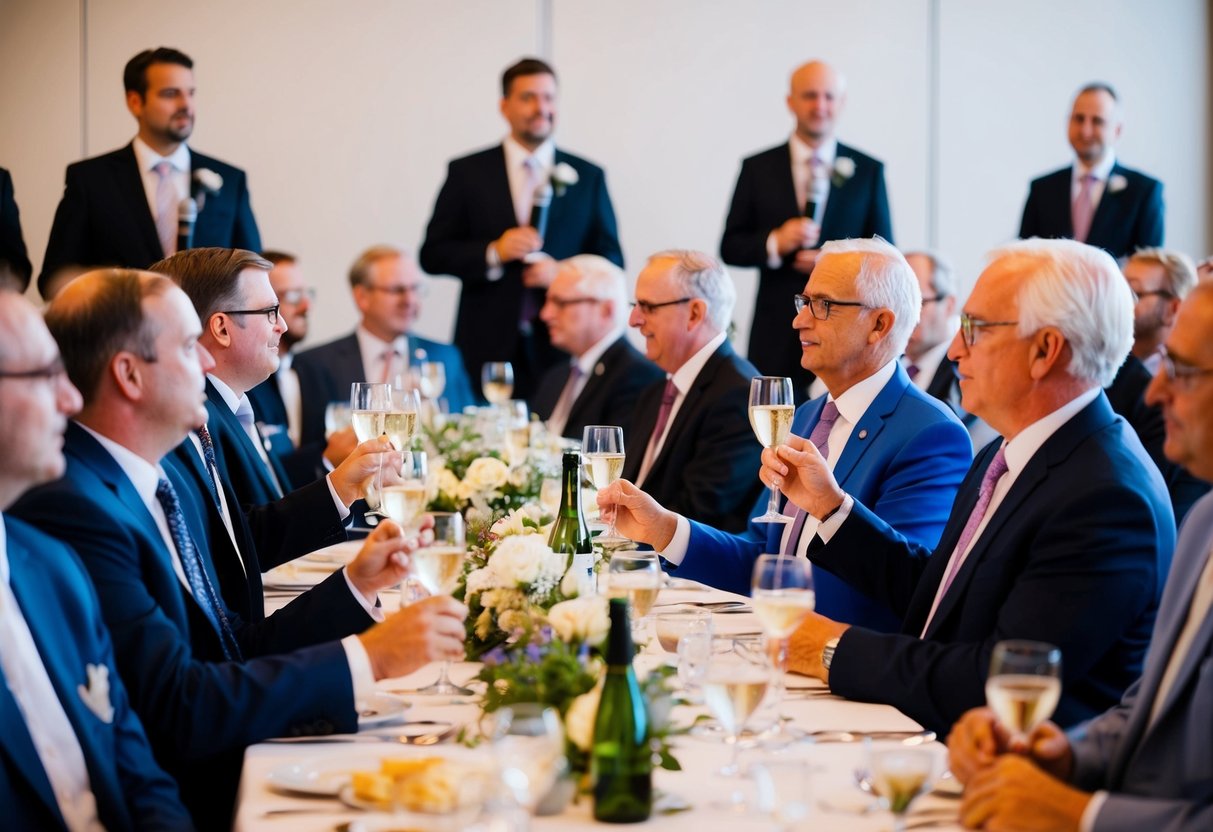
In a wedding, speeches create special moments filled with emotion and shared experiences. Each speech plays a unique role in celebrating the couple, showcasing the importance of tradition and personal stories.
The Role of the Father of the Bride
The father of the bride traditionally kicks off the speeches. His speech is often filled with warmth and pride. He welcomes guests and shares touching stories about his daughter.
This moment can be bittersweet as he reflects on her growing up. It’s also a chance to express his joy in giving her away.
It’s common for him to offer words of wisdom to the couple.
Most importantly, this speech sets the tone for the event. A heartfelt and genuine toast can make everyone feel connected and ready to celebrate.
The Essence of the Best Man Speech
Next up is the best man, who typically follows the father of the bride. His speech is meant to entertain and often includes humorous anecdotes about the groom.
This usually balances heartfelt sentiments with light-hearted jokes. The goal is to celebrate the groom’s character and the couple’s love.
A good best man knows how to engage the crowd, making everyone laugh while keeping it appropriate. His words often highlight the bond between the groom and the best man, perhaps sharing stories that invite laughter or nostalgia.
Heartfelt Maid of Honor Toasts
The maid of honor speaks after the best man, providing a personal touch to the speeches. This speech often includes memories shared with the bride, showcasing their close relationship.
As she speaks, expect a mix of sentimentality and joy. She may offer insights into the bride’s personality and her journey to this special day.
The maid of honor’s speech often conveys encouragement and love towards the couple. It’s a perfect moment to remind everyone of the beauty of their relationship.
Groom Speech: Gratitude and Love
Following the maid of honor, the groom gives his speech. This moment is essential, as he expresses gratitude towards his guests, especially the parents.
He will often reflect on his love for the bride, sharing what she means to him. This speech can be emotional, allowing him to show his vulnerability.
It’s a chance for the groom to acknowledge everyone who has supported them. He can share stories that highlight their relationship and convey his excitement for their future.
Bride Speech: A Modern Tradition
Lastly, the bride might take a turn to speak, which has become increasingly common in recent years. This speech allows her to express her feelings and gratitude.
In her speech, the bride can share personal stories too. Expressing her love for the groom and appreciation for her friends and family is common.
It’s a beautiful way for her to connect with guests. This growing tradition highlights the couple’s equality in celebrating their love, making the moment feel even more special.
Organizing Speeches for Modern and Non-Traditional Weddings
Modern weddings allow for more flexibility in organizing speeches. Couples can create a structure that reflects their unique personalities and family dynamics. Here are some important considerations for organizing speeches in these settings.
Breaking the Mold with Modern Wedding Speech Order
In modern weddings, the traditional order of speeches is often adjusted. Couples may choose to start with a welcome speech from one or both partners. Following this, parents can share their thoughts.
For example, the mother of the groom may be invited to speak, offering insights about her son and sharing heartfelt wishes.
The best man and maid of honor typically follow. They can bring humor and personal stories to the celebration. With this flexible order, you can create a flow that resonates better with your guests.
To make things easy, consider a simple schedule like this:
| Speaker | Timing |
|---|---|
| Couple’s welcome | Start of reception |
| Parents’ speeches | After welcome |
| Best man & maid of honor | Midway through |
| Open floor for guests | Ending part |
Navigating Same-Sex Wedding Speech Etiquette
For same-sex weddings, speech etiquette can vary. It’s important to ensure that both partners feel equally represented. You might consider having both partners’ parents speak, sharing their joy and support.
Each speaker can tailor their message to celebrate both partners. Humor, love stories, and personal anecdotes can make the speeches more relatable.
Additionally, having a friend or relative, who knows both partners, can also add a personal touch.
Remember to clarify any preferences with speakers beforehand. This helps avoid overlapping stories and ensures that everyone feels included.
Other Variations: Including Additional Family Speeches
In modern weddings, it’s common to include speeches from other family members. This could include siblings, grandparents, or even close friends.
If you have a special bond with a family member, inviting them to speak can make the day even more meaningful.
You can set aside time for these additional speeches. It might be wise to limit each speech to around 3-5 minutes to keep the event flowing smoothly.
Creating a list of speakers and their order can help everyone prepare in advance. This way, guests can know what to expect, making the event comfortable for all involved.
Optimizing Speech Timing at Your Wedding Reception
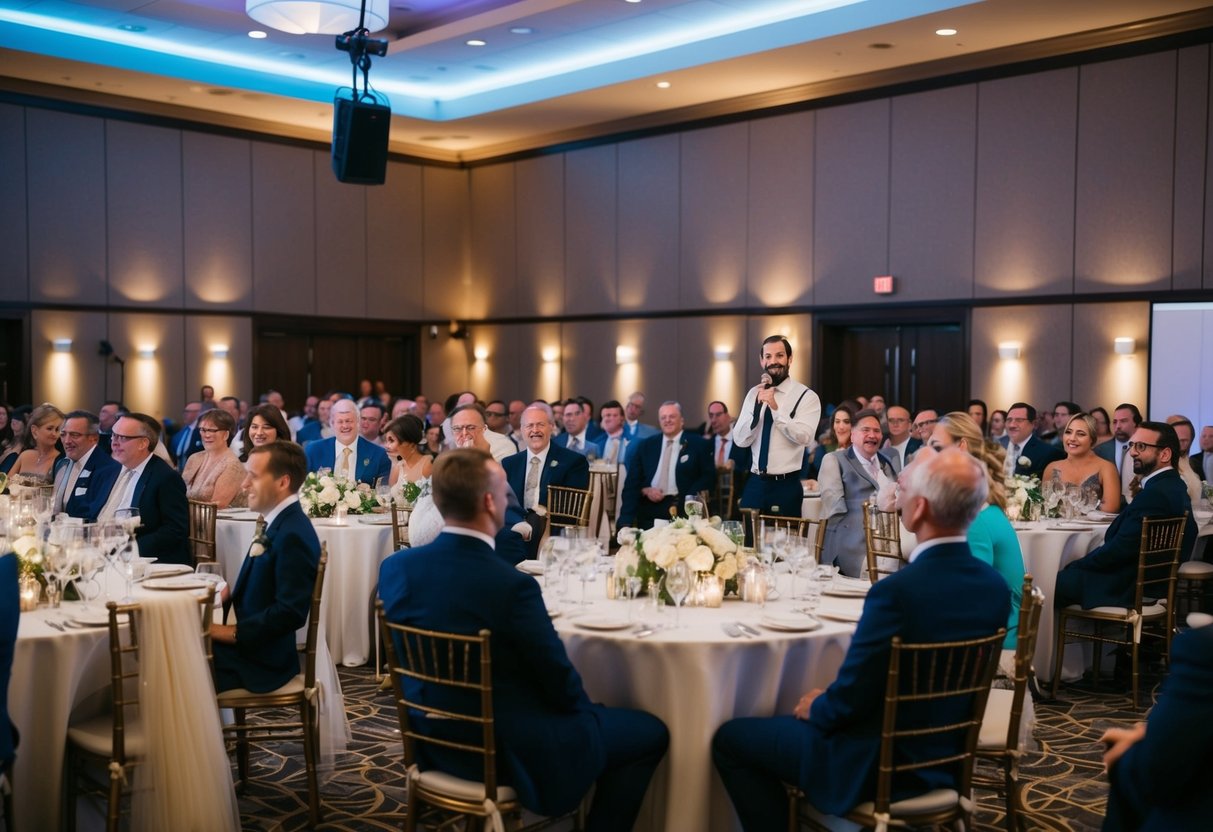
Timing is key when it comes to speeches at your wedding reception. You want to create a smooth flow that keeps your guests engaged and entertained. Here are some practical tips for planning the perfect speech schedule.
Kickoff with the Welcome Toast
Starting your reception with a welcome toast sets the tone for the evening. This speech typically comes shortly after guests are seated and before the meal begins.
The welcome toast is often given by the couple or a close family member.
This short speech acknowledges guests, thanks them for coming, and introduces the celebrations ahead. It’s a great way to break the ice and get everyone in the mood for the festivities.
Aim for around 2-3 minutes for this toast. Remember, starting your reception with positivity fosters a warm atmosphere.
Logical Order of Speeches
Organizing the order of speeches helps maintain interest. Traditionally, speeches should flow from one speaker to the next without interruptions.
Here’s a common order to follow:
- Best Man: Often shares funny stories and highlights of the couple.
- Maid of Honor: Offers heartfelt tales and sentiments.
- Parents: Usually, the father of the bride gives a speech, followed by the groom’s parents.
Keeping speeches roughly 3-5 minutes long will keep guests’ attention. Try to schedule these speeches about three-quarters through the meal. This timing avoids interrupting the dining experience while allowing guests to focus.
Incorporating Informal Congratulations
Don’t underestimate the value of informal congratulations during your reception! While formal speeches are important, also creating time for casual remarks can enhance the atmosphere.
Inviting close friends or family to share brief thoughts can give a personal touch without feeling too formal.
These can be spontaneous and can happen during cocktail hour or just after the meal. Make sure to keep it short and sweet—about a minute or two. This way, it keeps the guests engaged without losing the reception’s flow.
When to Hold Off: Rehearsal Dinner vs. Reception Speeches
Deciding whether to save some speeches for the rehearsal dinner is essential. Rehearsal dinner speeches can set a more intimate atmosphere, allowing for heartfelt messages without the larger crowd.
Often, parents or close friends deliver these speeches. It allows for a more casual setting, making it suitable for relaxed stories.
However, you should avoid repeating speech content at the reception.
Instead, keep the more formal speeches for the wedding reception. This ensures your guests experience fresh material. Balancing content between the two events can make them both memorable in different ways.
Best Practices for Delivering Memorable Wedding Speeches
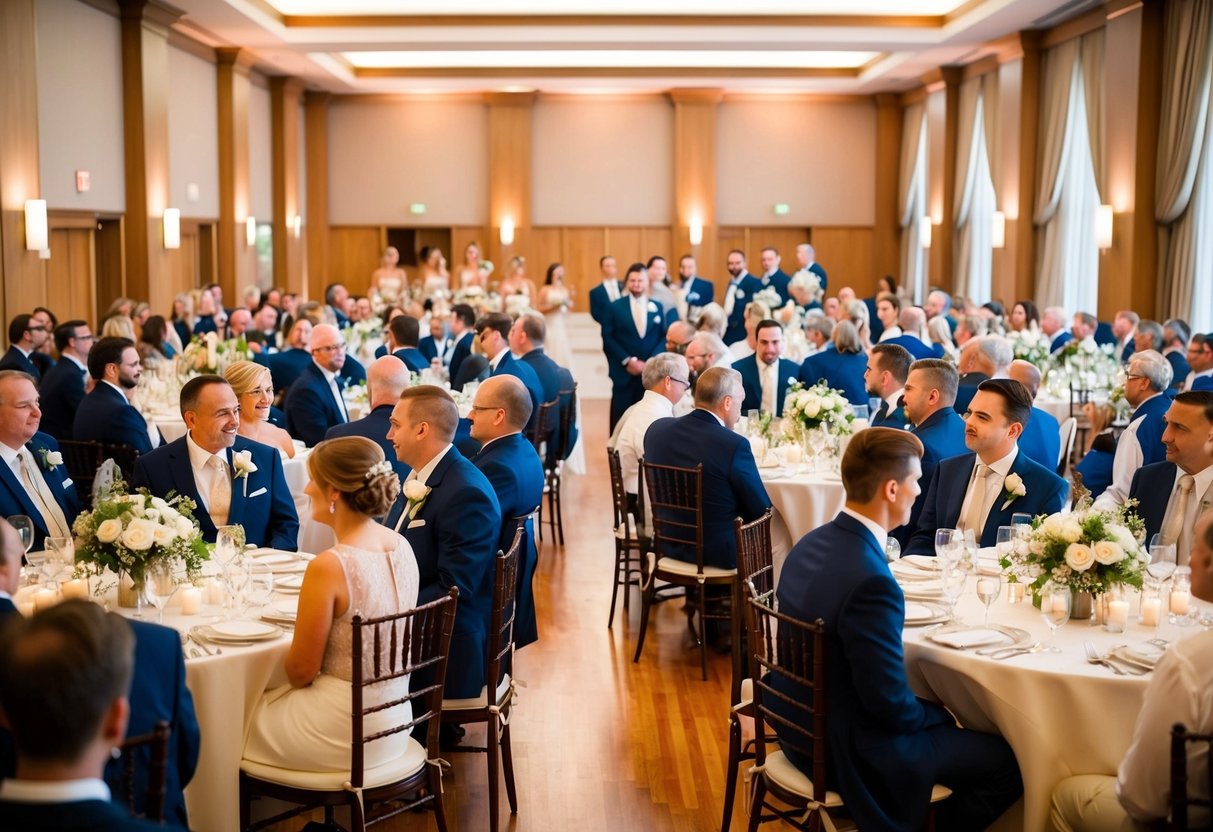
Creating a memorable wedding speech involves careful writing, confident delivery, and awareness of the moment. You want your words to resonate with the couple and the audience, making it a special occasion for everyone involved.
Writing a Speech That Resonates
Begin by personalizing your speech. Share a heartfelt story or special memory about the couple. This makes your toast feel genuine and engaging.
Aim for a light-hearted tone, balanced with sincerity. Avoid inside jokes that might exclude guests. Instead, focus on broad themes of love and friendship that everyone can relate to.
Keep it concise. A wedding toast should be around 3-5 minutes. This duration allows you to share a touching moment while keeping the audience engaged.
Remember, speech etiquette matters. Always thank the hosts and acknowledge the couple’s families. This polite gesture shows respect and adds warmth to your message.
Public Speaking Tips for the Big Day
On the wedding day, confidence is key. Practice your speech several times before the event, ideally during a rehearsal dinner. Rehearsing helps you familiarize yourself with the content and feel more at ease.
When it’s your turn to speak, take a deep breath and remember to smile. Make eye contact with the couple and guests. This connection makes your words feel more impactful.
Speak clearly and at a steady pace. This ensures that everyone can hear you and understand your message. Don’t rush; a calm delivery creates a more enjoyable experience for listeners.
If you feel nervous, it’s perfectly normal. Consider bringing a small note with key points to guide you. Just remember, this event is about celebrating love.
Navigating Wedding Toasts and Blessings
Understanding who gives speeches at weddings is important. Typically, the best man, maid of honor, and parents are invited to speak. Each will have their own opportunity to share their perspective on the couple’s journey.
During the toast, you should think of it as a blessing. You want to wish the couple joy and success in their marriage. Personal anecdotes can enhance this blessing and make it memorable.
If you include humor in your speech, keep it light. Avoid topics that could embarrass the couple or offend guests. This ensures your toast enhances the wedding’s joyous atmosphere.
Finally, raise your glass and invite everyone to join you in wishing the couple well. This creates a collective moment of celebration.