
When Should the Mother of the Bride Be Seated? Timing Tips for a Perfect Ceremony
The role of the mother of the bride is special and important, especially during the wedding ceremony. Typically, the mother of the bride should be seated in the first pew before the ceremony officially begins. This moment marks the start of a significant day, and her presence is often a signal for everyone to prepare for the event.
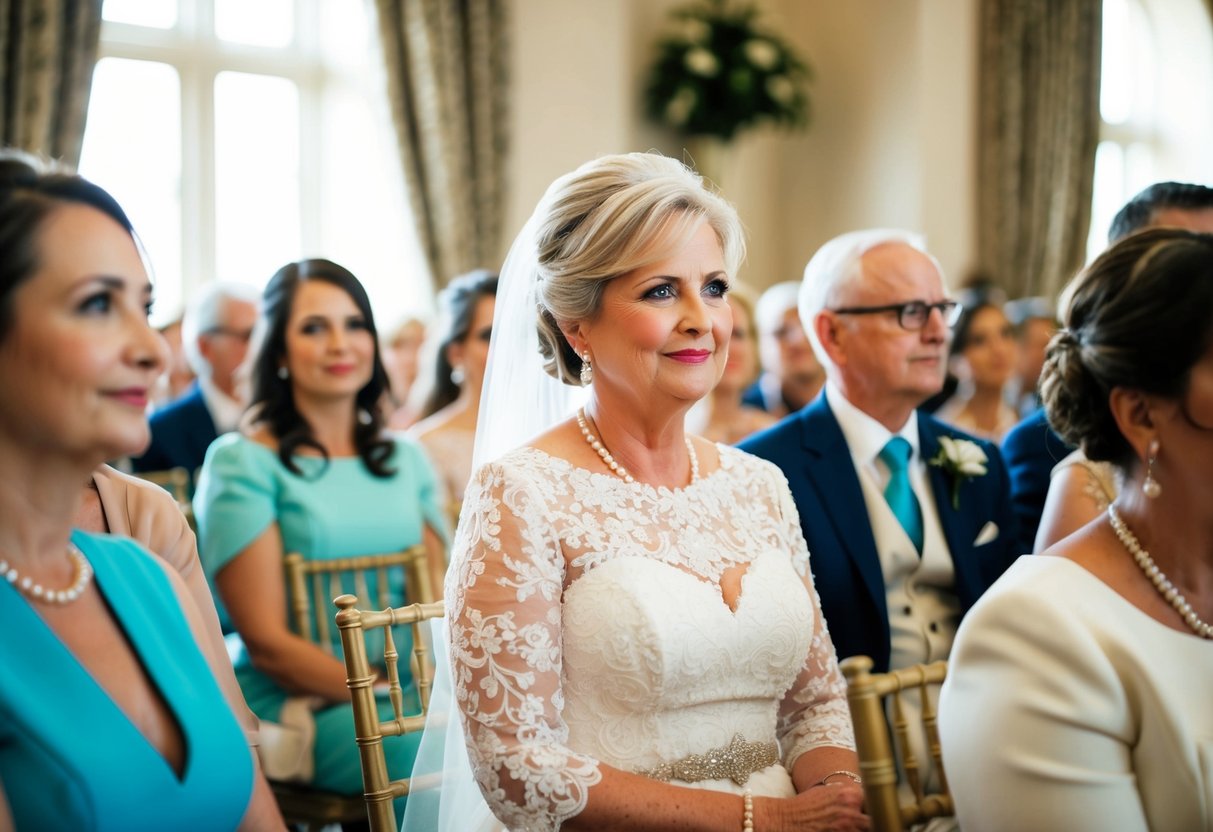
As the wedding unfolds, the mother of the bride has the chance to connect with family and friends. Understanding when and where she should be seated can help make this day easier for you and your loved ones.
The right timing and placement can set the tone for the entire ceremony, providing comfort and joy amidst the excitement.
Making sure the mother of the bride knows her seating role can create a smoother experience for all involved. Planning this detail helps everyone feel included and helps the ceremony flow more naturally. Dive into the details of seating arrangements so that you can enjoy the celebration without worry!
Understanding Wedding Processionals
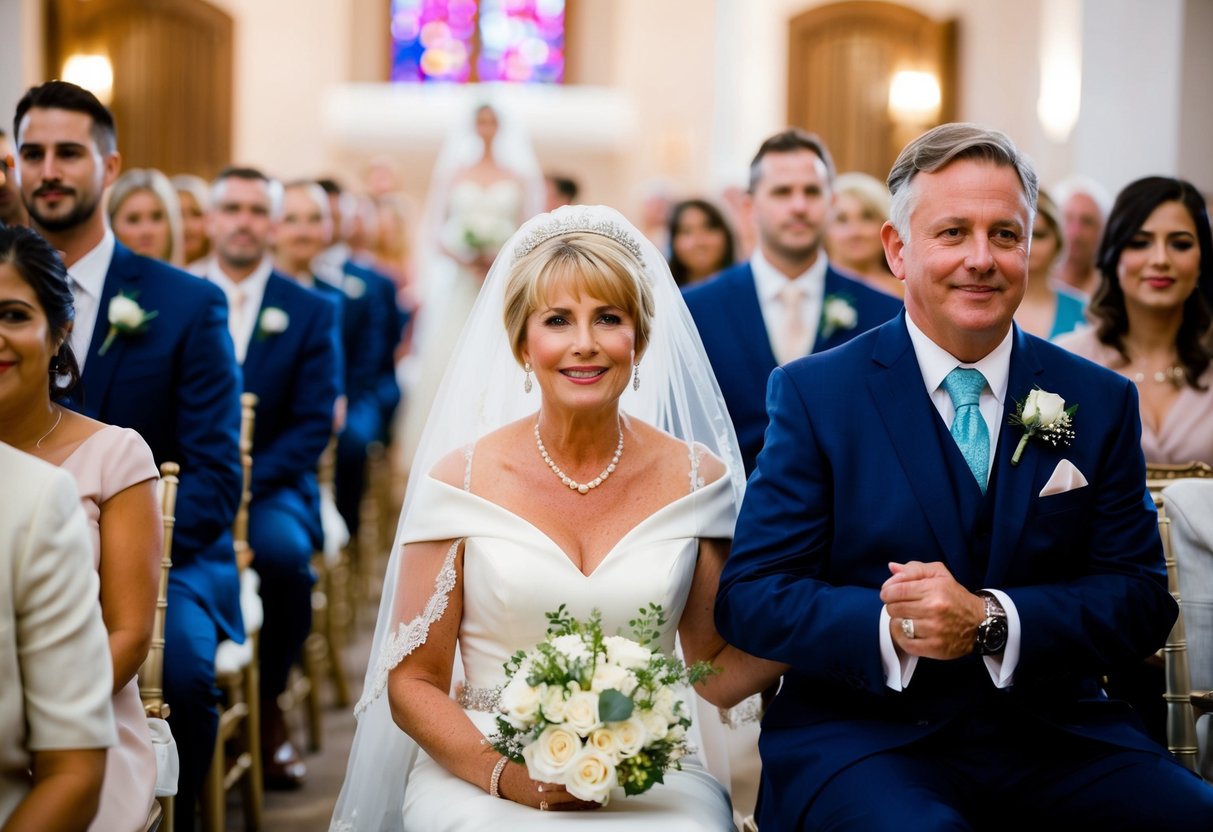
Wedding processionals are important moments that set the tone for the ceremony. Knowing how different traditions influence the order and seating of key family members can enhance your understanding of this special event.
Different Traditions and Their Significance
In various wedding traditions, the procession plays a meaningful role. For instance, in a Christian wedding, the groom’s parents often walk down the aisle before the bride’s mother. This symbolizes the joining of two families.
In a Jewish wedding, the groom’s parents may accompany him as he walks to the chuppah, or wedding canopy. Similarly, in Hindu weddings, the processional can include the bride’s family, highlighting the importance of family bonds and support.
Each culture’s unique practices bring their own significance, making the processional a cherished part of the ceremony.
Seating Arrangement Basics for Various Ceremonies
Seating arrangements vary significantly across different ceremonies. In Catholic weddings, the mother of the bride is usually seated last before the ceremony begins, which honors her role. The groom’s parents are typically seated early, showing respect toward both families.
In contrast, during a Hindu wedding, both families often sit together to symbolize unity. For a Jewish ceremony, the seating can include both sets of parents walking together, which represents their shared joy.
Understanding these basics can help you navigate the processional with confidence, ensuring everything flows smoothly on your special day.
Roles and Responsibilities
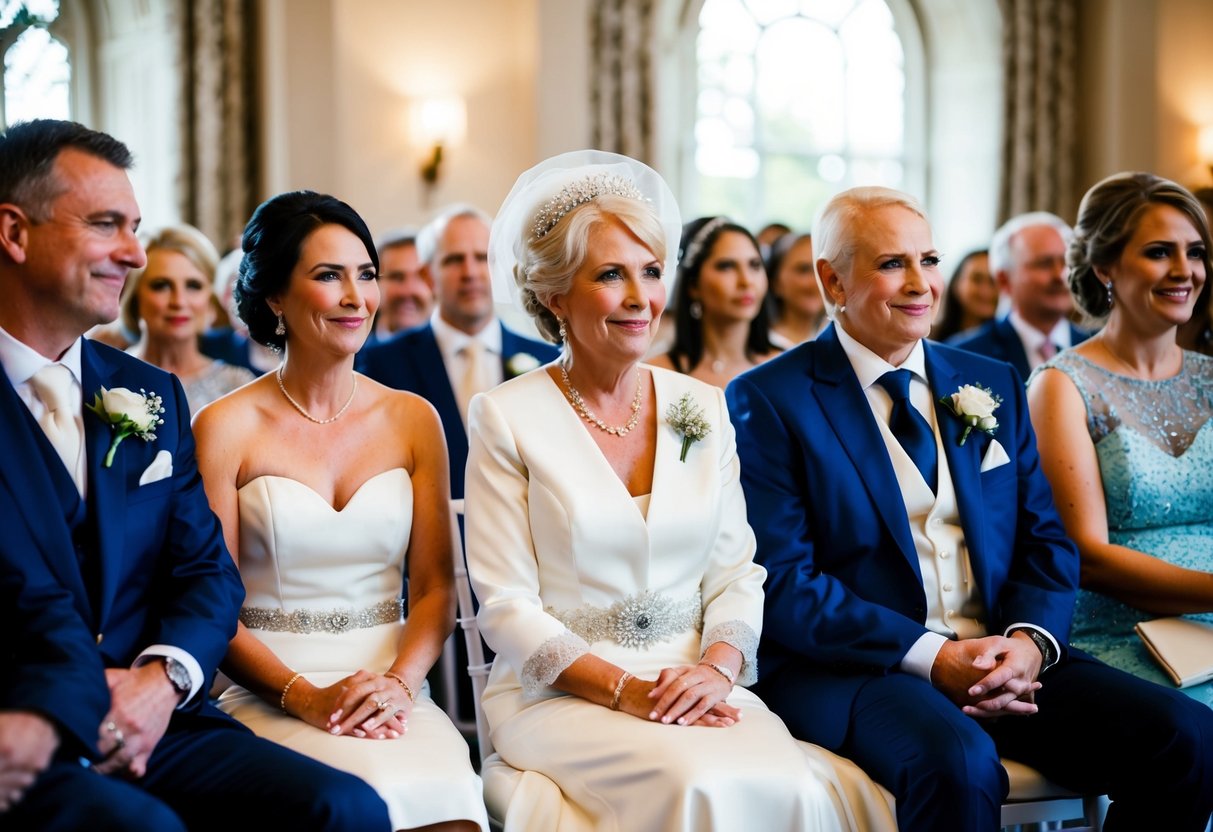
Understanding the roles and responsibilities of those involved in a wedding can help everything run smoothly. From ushers to family members, each person has a specific part to play in supporting the bride and ensuring the ceremony goes off without a hitch.
Duties of the Ushers and Wedding Party
Ushers are key players in managing guest seating and helping the ceremony proceed seamlessly. Before the wedding, they assist with tasks like organizing seating charts and ensuring guests know where to go.
On the big day, ushers guide guests to their seats, help with any last-minute details, and coordinate with the wedding party.
Members of the wedding party, including bridesmaids, groomsmen, and the best man, also have important roles. They help the bride and groom with planning and preparations. During the ceremony, they support the couple by standing beside them, holding flowers, or even assisting with the rings.
This collaborative effort is vital for a stress-free day.
The Engagement of the Mother of the Bride
The mother of the bride plays a special role that is both supportive and engaging. Before the wedding day, she helps plan the event, including coordinating with vendors and organizing details.
This involvement can range from choosing the flower arrangements to sourcing the wedding dress.
On the day itself, her responsibilities include being the last person seated to signal the start of the ceremony. She may also greet guests and help them feel welcomed, serving as a comforting presence.
The mother of the bride’s engagement sets a positive tone for the celebration, allowing the bride to enjoy her special day while knowing her mother is actively involved in the event.
Seating Etiquette for the Mother of the Bride
When planning the seating for the mother of the bride, it’s important to consider timing and the processional order. You also need to keep in mind family dynamics, especially if there are blended families involved. Understanding these aspects can help ensure a smooth and respectful ceremony.
Timing and Processional Order
The mother of the bride typically has a special place in the pre-ceremony seating. She is usually seated just before the ceremony begins, following the grandparents and the groom’s parents.
In the processional order, she walks in after the groom’s parents. This is a traditional practice that highlights her important role at the wedding.
Additionally, ensure she is the last to be seated before the bridal party enters. This timing allows her to feel prominent and acknowledged as the ceremony starts.
Special Considerations for Blended Families
Navigating seating arrangements can be tricky if there are blended families. It’s important to communicate clearly with all involved to avoid misunderstandings.
In blended situations, you should consider the feelings of both mothers. Often, both mothers can be seated at the front but on opposite sides, balancing their roles.
Make sure everyone understands the seating plan in advance to ensure a comfortable atmosphere. A thoughtful approach towards family dynamics helps everyone feel included during the ceremony, making it a joyful experience for all.
The Ceremony and Reception Details
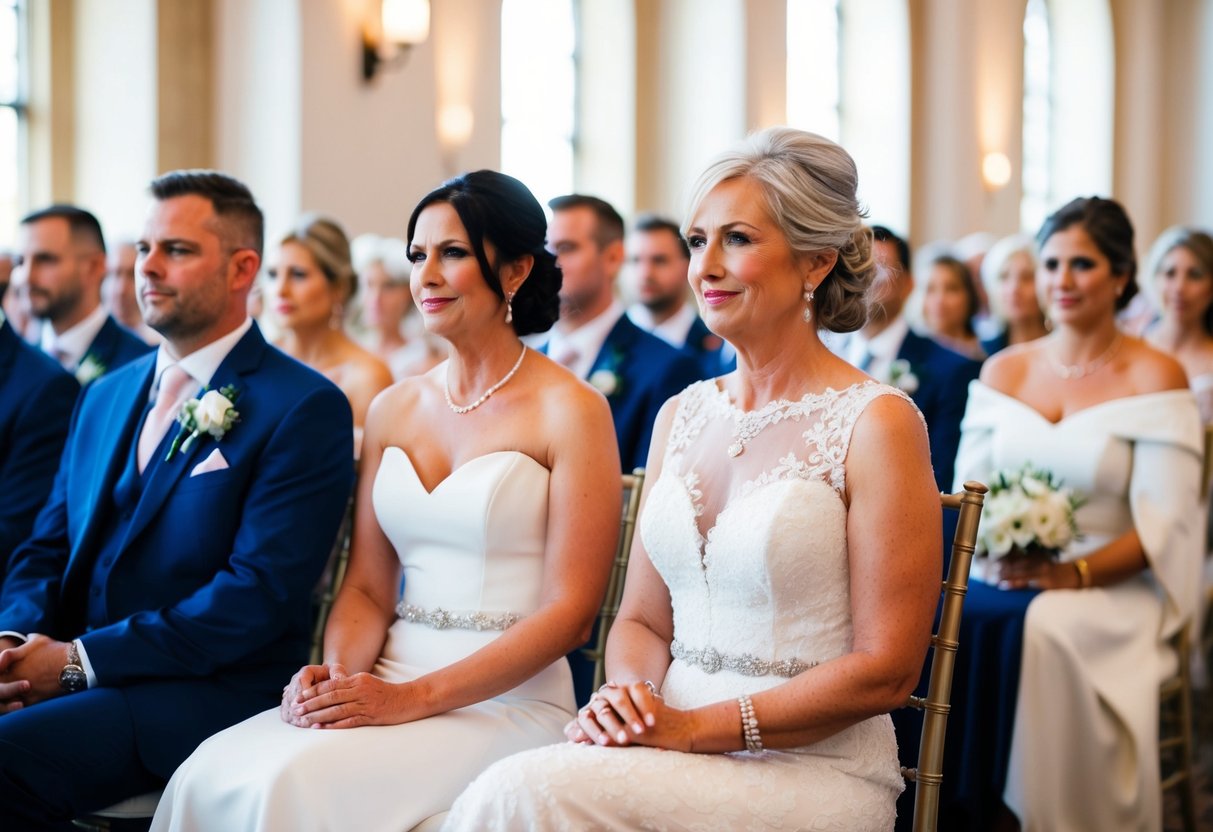
In the wedding ceremony and reception, the mother of the bride plays vital roles. From greeting guests to participating in key traditions, her involvement sets a warm tone for the day.
Greeting Guests and Wedding Reception Formalities
As guests arrive, it’s your responsibility to greet them warmly. This includes acknowledging close family like grandparents and friends.
Make sure to welcome people at the entrance, perhaps even with a small seating chart or programs to guide them.
During the reception, you should also help direct guests to the head table and assist them in finding their seats.
It’s important to understand some wedding etiquette, like letting guests settle before the couple makes their entrance. This creates a more relaxed atmosphere.
Post-Ceremony Responsibilities and Celebrations
After the wedding ceremony, you have several key responsibilities.
First, you need to assist in escorting the bride as she greets guests and takes photos. This is usually a joyful moment for everyone involved.
You may also help organize the flower girls and ring bearers during the reception. Ensure they know where to go and what to do, especially if there’s a special dance or announcement.
Additionally, be prepared to participate in any traditions like the chuppah or toasts. Your presence and support throughout the celebration make a big difference in keeping the festivities flowing smoothly.