
When Should the Mother of the Bride Walk Down the Aisle? Timing Tips for a Memorable Moment
The mother of the bride has a special and important role during the wedding ceremony. Traditionally, she walks down the aisle just before the bride. This marks the beginning of the ceremony and signals to guests that something significant is about to happen. This moment not only highlights her support but also emphasizes her place in the celebration.
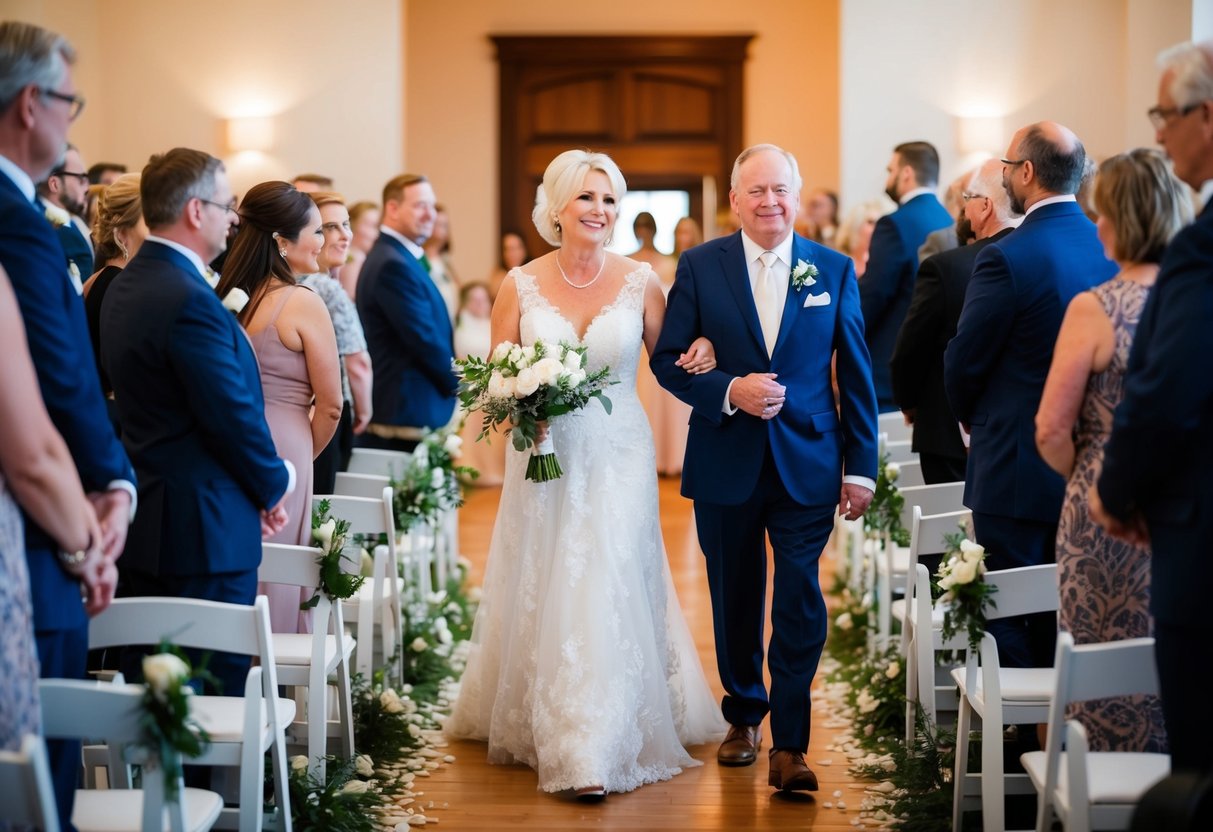
You may wonder if there are alternatives to this order. In some cases, the mother of the bride might choose to walk alone, be escorted by a family member, or even walk with the bride if that feels right. Each choice reflects personal preferences and family dynamics, making it a unique decision for every couple.
Understanding when the mother of the bride should walk down the aisle can help you plan a smooth and meaningful wedding ceremony. You want this part of the day to honor her role and create lasting memories for everyone involved.
Understanding the Wedding Processional
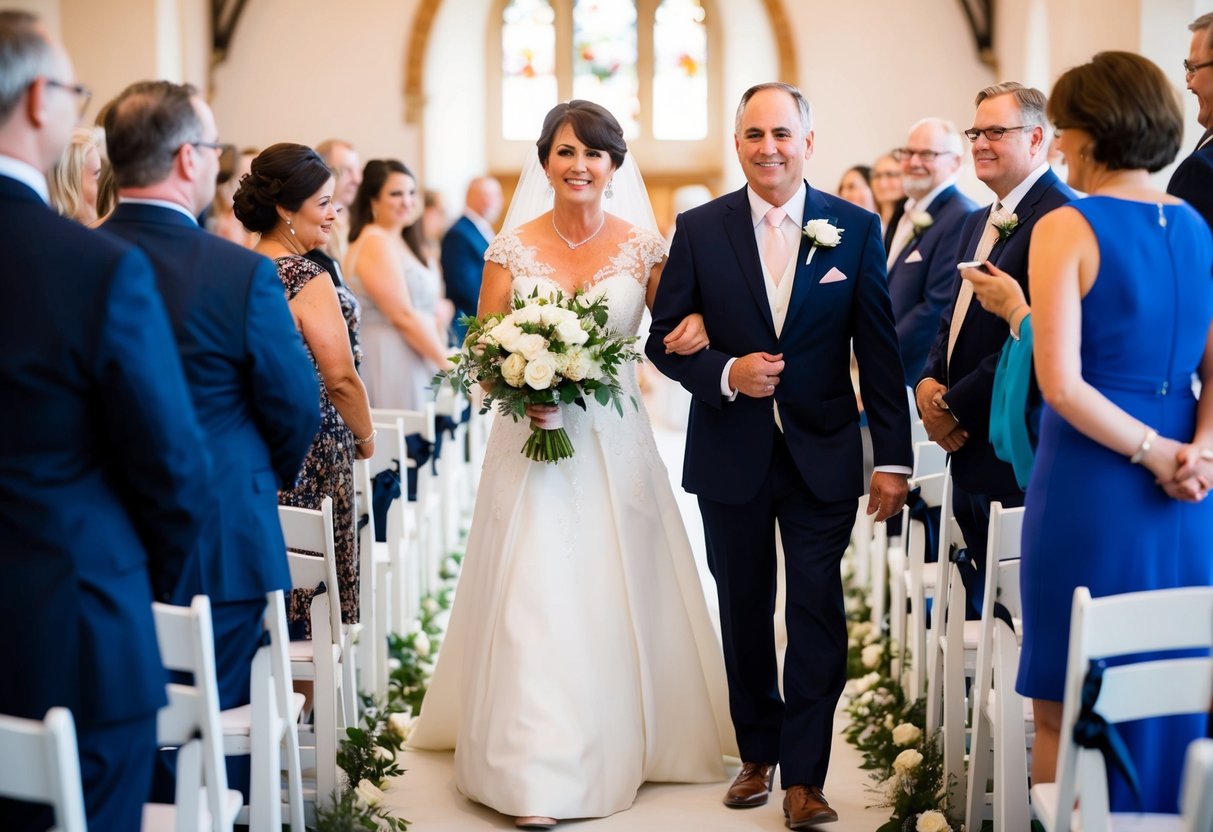
A wedding processional is a meaningful part of the ceremony, marking the entrance of important family members and the bridal party. Knowing who walks when can help you plan a smooth and emotional start to your big day.
Roles and Responsibilities
In the wedding processional, each participant has a unique role. The parents of the couple, especially the mother of the bride, often walk down the aisle to signify their support. The groom’s parents usually precede the bride’s mother.
Grandparents typically enter first, followed by each set of parents. The flower girl and ring bearer often come right before the bridal party. The bridesmaids and the maid of honor follow, signifying the transition to the most important moment.
The best man and groomsmen walk in as part of the groom’s side. Each person adds to the ceremony’s atmosphere, reflecting the love and support surrounding the couple.
Wedding Processional Order
The traditional order of the wedding processional can vary slightly, but it generally follows a specific path.
- Grandparents
- Groom’s Parents
- Bride’s Mother
- Flower Girl
- Ring Bearer
- Bridesmaids
- Maid of Honor
- Groom
- Bride
The officiant stands at the front, welcoming everyone. The order sets a tone for the ceremony, showcasing the family and friends that support you.
Paying attention to this order helps create a respectful and joyful beginning to your celebration.
Cultural and Religious Variations
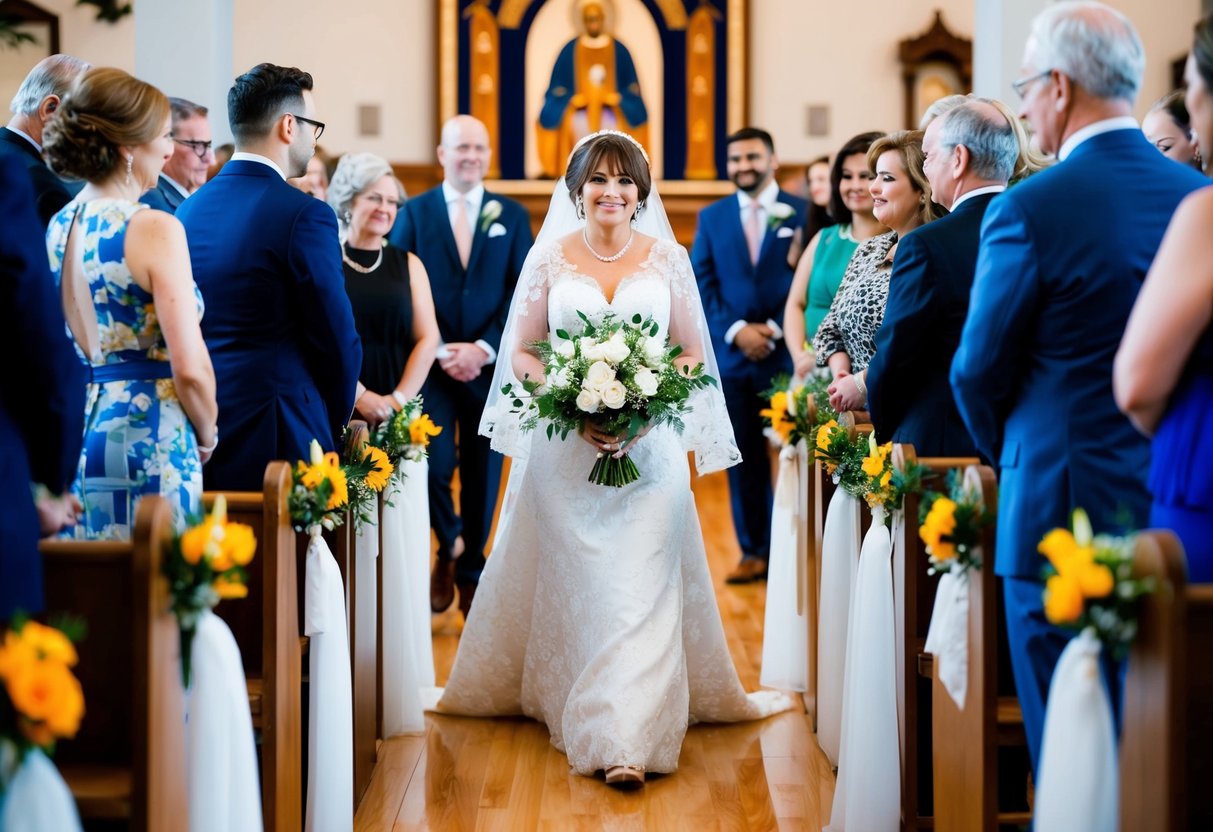
Different cultural and religious traditions shape how and when the mother of the bride walks down the aisle. Each ceremony carries its own customs that can influence this important moment, making it special for everyone involved.
Christian Wedding Processional Traditions
In many Christian weddings, the mother of the bride plays a significant role. She typically walks down the aisle after the wedding party but before the bride. Often, she is escorted by a family member, such as her son or a groomsman.
This tradition emphasizes her importance and presence in the ceremony. She usually takes her place in the front row on the left side of the venue.
The order can vary slightly based on specific church customs or personal preferences, but her participation is generally a vital aspect of the traditional Christian wedding processional.
Jewish Wedding Processional Customs
In Jewish weddings, the mother of the bride’s role is also essential. She usually walks down the aisle just before the bride. During the ceremony, the couple stands under a chuppah, a canopy symbolizing their new home together.
Sometimes, the mother may be escorted by a close relative. Her entrance can be accompanied by traditional music, enhancing the ceremony’s spiritual atmosphere.
In certain customs, both mothers of the couple will walk down together in a show of unity. This variation reflects the importance of family ties in Jewish culture.
Hindu Wedding Processional Practices
Hindu weddings feature a lively and colorful processional. The mother of the bride often walks down the aisle as part of the baraat, which includes family and friends. The baraat usually celebrates the groom’s arrival, making it a joyful atmosphere.
The mother may lead the procession and is integral to various rituals. Once at the mandap, the stage for the ceremony, she plays an essential role in welcoming the groom and sharing her blessings for the couple.
Cultural variations exist, but the mother’s involvement is a vital part of honoring family and traditions throughout the ceremony.
Modern and Nondenominational Ceremonies
In modern and nondenominational ceremonies, traditions can be more flexible. You may choose any format that feels right for you and your family.
The mother of the bride might walk alone, with a family member, or even alongside both parents. This personalization allows for a unique experience tailored to your preferences.
Some couples incorporate a mix of traditions, blending elements from different cultures. This approach honors diverse backgrounds while making the ceremony special and inclusive.
In this setting, the focus is on celebrating love and connection, allowing for a heartfelt experience that resonates with everyone involved.
The Mother of the Bride’s Walk
The mother of the bride’s walk down the aisle is a significant part of the wedding ceremony. It involves choices that reflect family dynamics and personal preferences, along with the overall wedding processional order. Understanding these details can help you feel more comfortable and confident on the wedding day.
Who Walks the Mother of the Bride Down the Aisle?
You have several options for who walks you down the aisle. Traditionally, this role is filled by the father of the bride. However, different family dynamics can change this.
If your parents are divorced, you might choose to have your mother walk alone or be escorted by a partner, friend, or other family member. In blended families, it’s common for a step-parent to take part in this moment. Some mothers may prefer to walk independently, making a strong statement of independence. Ultimately, it’s about what feels best for you and your family.
Placement of the Mother during the Ceremony
During the wedding ceremony, the mother of the bride usually has a reserved seat in the front row on the left side. This placement allows you and your guests to see her clearly as you walk down the aisle.
If both parents are present, you might choose to have them sit together or separate. Consider your family dynamics, as this can affect the atmosphere of the day. Each family’s approach can be unique, so it’s essential to communicate your preferences to everyone involved. Remember, this is your special day, and your comfort and happiness should come first.
Planning the Processional
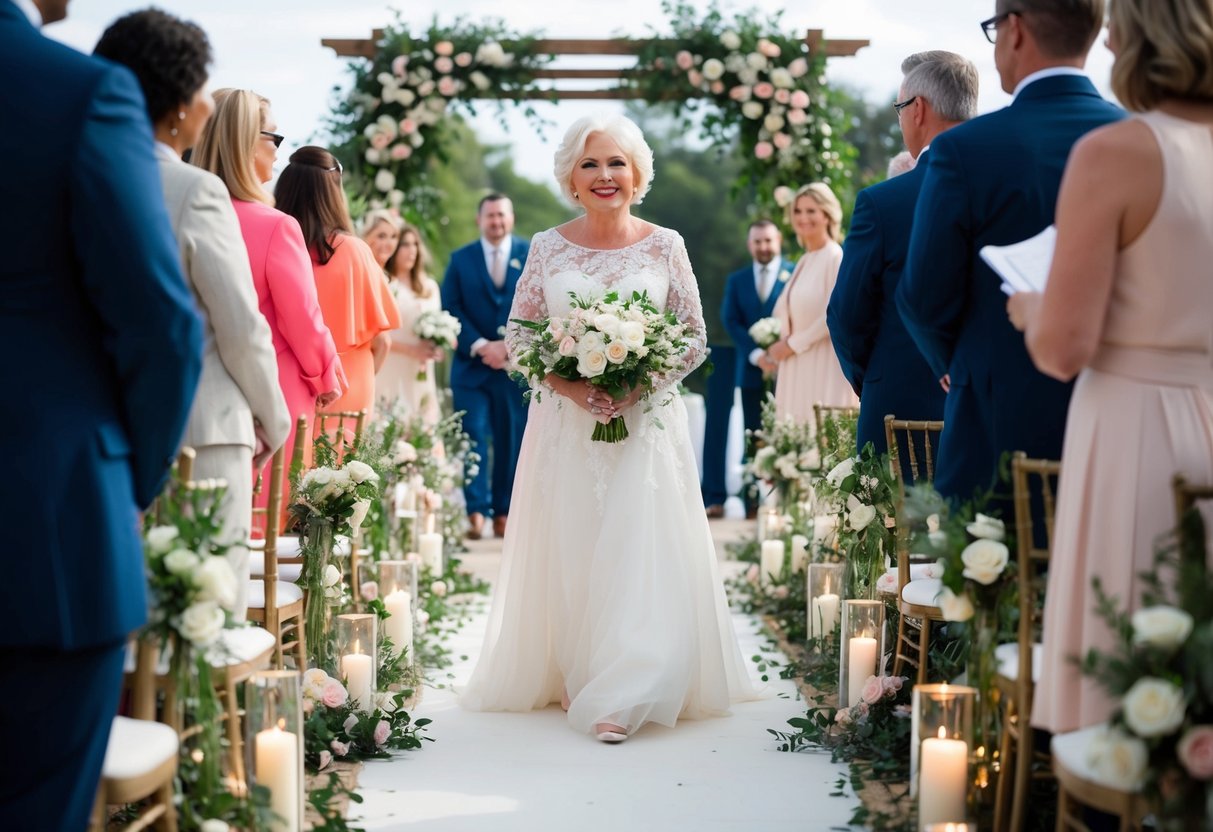
When planning the wedding processional, you want to create a smooth and meaningful flow for the ceremony. This includes deciding the order of entrance for the bridal party and selecting the right music to accompany your special moment.
Order of Entrance
In a traditional wedding, the processional begins with family members. The groom’s parents typically walk down first, followed by the mother of the bride. It’s common for her to be escorted by an usher or another family member.
Next comes the wedding party, which usually includes bridesmaids and groomsmen. They may walk in pairs or individually. The maid or matron of honor walks down last among the bridesmaids. Finally, the bride enters, often accompanied by her father or both parents, marking a significant moment.
If your wedding has unique traditions, such as in LGBTQ+ ceremonies, feel free to adjust the order to fit your preferences. You can create a processional that feels personal and true to your story.
Selecting the Processional Music
Choosing the right music for your processional can enhance the emotional atmosphere of your ceremony. You’ll want to select a song that resonates with you and fits the mood you want to create.
Consider options ranging from classical pieces to modern songs that hold special meaning for you and your partner. Take time to listen to various songs and assess how each makes you feel.
Consult your wedding officiant or venue about music restrictions. Some places may have specific guidelines for live music or require a certain type of setup. Aim for a song that not only reflects your style but also complements the overall tone of your wedding day.