
When Should You Ask Someone to Officiate Your Wedding? Essential Timing Tips
Choosing someone to officiate your wedding is a big decision, and timing is just as important as the choice itself. You should ask someone to officiate your wedding at least six months before your ceremony. This gives them plenty of time to prepare and helps ensure that your wedding planning goes smoothly.
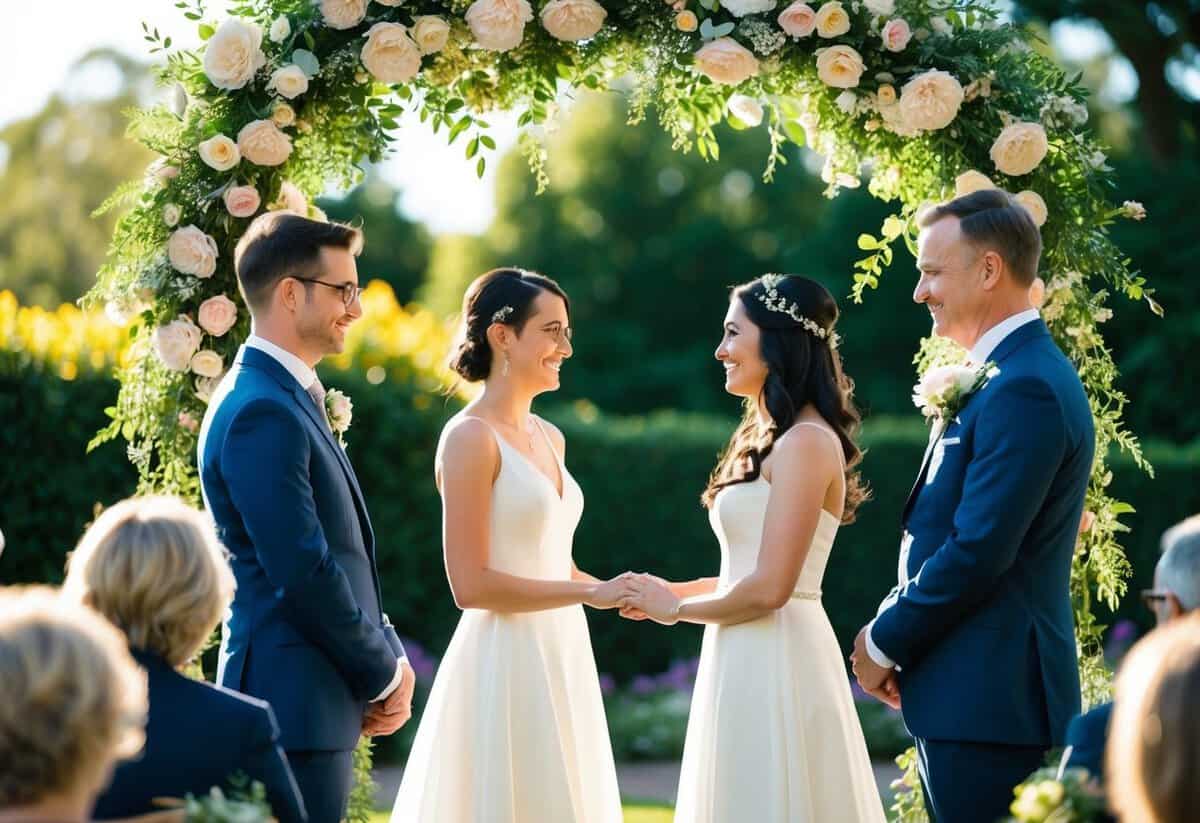
Consider who you want to be part of your special day. Whether it’s a family member, friend, or professional officiant, approaching them early will allow for a more personalized and meaningful ceremony.
Don’t wait until the last minute, as it may lead to stress for both you and your chosen officiant.
Planning your wedding is exciting, and involving your officiant early can bring even more joy. They can help shape the ceremony to reflect your love story, making the day uniquely yours. So, get ready to pop the question and start this beautiful journey together!
Choosing Your Officiant
Selecting the right officiant for your wedding is a crucial step. You will want to weigh your options carefully, considering whether to ask a friend or hire a professional. Each choice has its benefits and responsibilities that will shape your ceremony.
Friend or Professional?
Deciding whether to ask someone close to you or hire a professional can affect your ceremony’s feel. If you choose to ask a friend to officiate your wedding, think about their comfort level with public speaking and their understanding of your relationship. A personal touch from a friend can make your ceremony intimate and special.
On the other hand, a professional officiant brings experience and expertise. They typically know how to craft the ceremony, manage timing, and handle any unexpected events.
Consider their past ceremonies and reviews to ensure they fit your vision. Each option offers unique advantages, so take time to reflect on what matters most to you.
Understanding Officiant Responsibilities
No matter who you choose, it’s crucial to understand the responsibilities involved. An officiant’s role goes beyond just standing at the altar. They are responsible for crafting the ceremony, leading it, and ensuring all legal requirements are met.
If you pick a friend, make sure they know what’s expected. They might need to prepare a meaningful script, coordinate with you about vows, and know local laws for marriage licenses.
A professional officiant will typically handle all these details, ensuring a smoother process.
Think about your vision for the ceremony and what style resonates with you. A clear understanding of responsibilities will help you choose someone who aligns with your goals for the big day.
Timing and Officiant Proposals
Choosing the right time to ask someone to officiate your wedding is important. The approach you take can make the moment memorable. Here are some tips on when to ask and creative ideas for your proposal.
When to Propose to Your Officiant
Timing your officiant proposal is key. Ideally, you should ask someone several months before your wedding. This gives them enough time to prepare and complete any necessary requirements.
Consider proposing either right after you get engaged or when your wedding date is confirmed. These moments carry joy and excitement. If you feel strongly about a specific person, don’t wait too long.
Make it special by picking a sentimental location. It could be a spot where you both shared important moments. This adds meaning to your request.
Creative Ways to Ask
There are many unique ways to ask someone to officiate your wedding. Think beyond the traditional approach. For example, you could surprise them with a gift of friendship. A thoughtful gift can show your appreciation.
You could also make a formal request by writing a heartfelt letter. This can express your feelings clearly.
Another fun idea is to present the question on a cake. This adds a sweet twist to your proposal and creates a memorable experience.
Whichever method you choose, make sure it feels personal and sincere. Your officiant will appreciate the thought behind your proposal.
Legalities and Officiant Credentials
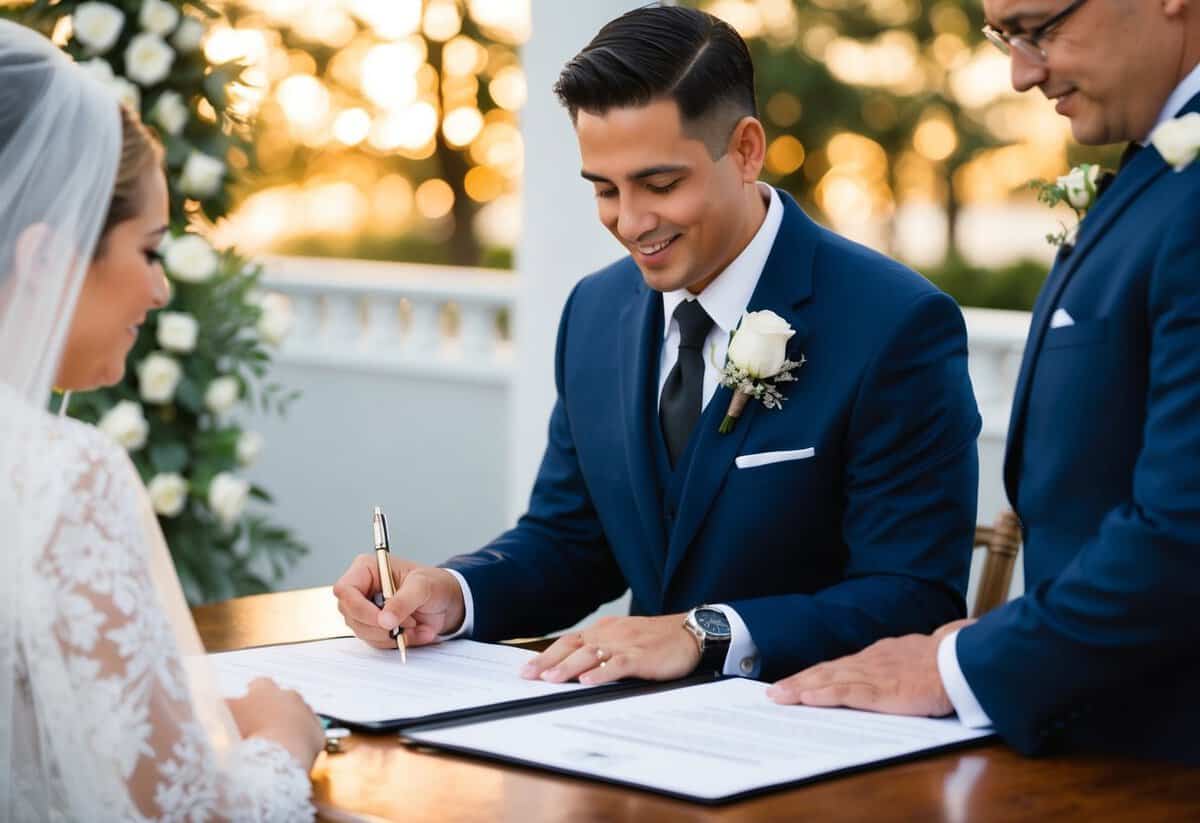
When choosing someone to officiate your wedding, understanding the legal requirements is crucial. You want to ensure your special day is recognized by law and that your officiant is qualified to perform the ceremony.
Understanding Marriage Licenses
Before the wedding, you and your partner need to obtain a marriage license. This document is essential and varies by state. Typically, you must apply in person at a designated office.
Requirements often include:
- Identification: Both partners usually need ID.
- Fees: There may be a fee when applying.
- Waiting Period: Some places have a waiting period between application and issuance.
Once you have the license, it should be signed by the officiant after the ceremony. Make sure you check your local laws for specific details.
Ordination and Legal Requirements
For your officiant to be legally recognized, they often need ordination. Many officiants become certified through organizations like American Marriage Ministries.
Key steps to consider include:
- Ordination Package: Some organizations offer packages that include essential documents and guidelines.
- Registration: Your officiant may need to register with the local court or relevant authority.
Always verify that your officiant understands and meets the legal requirements of your state to ensure everything goes smoothly on your big day.
Preparing for the Ceremony
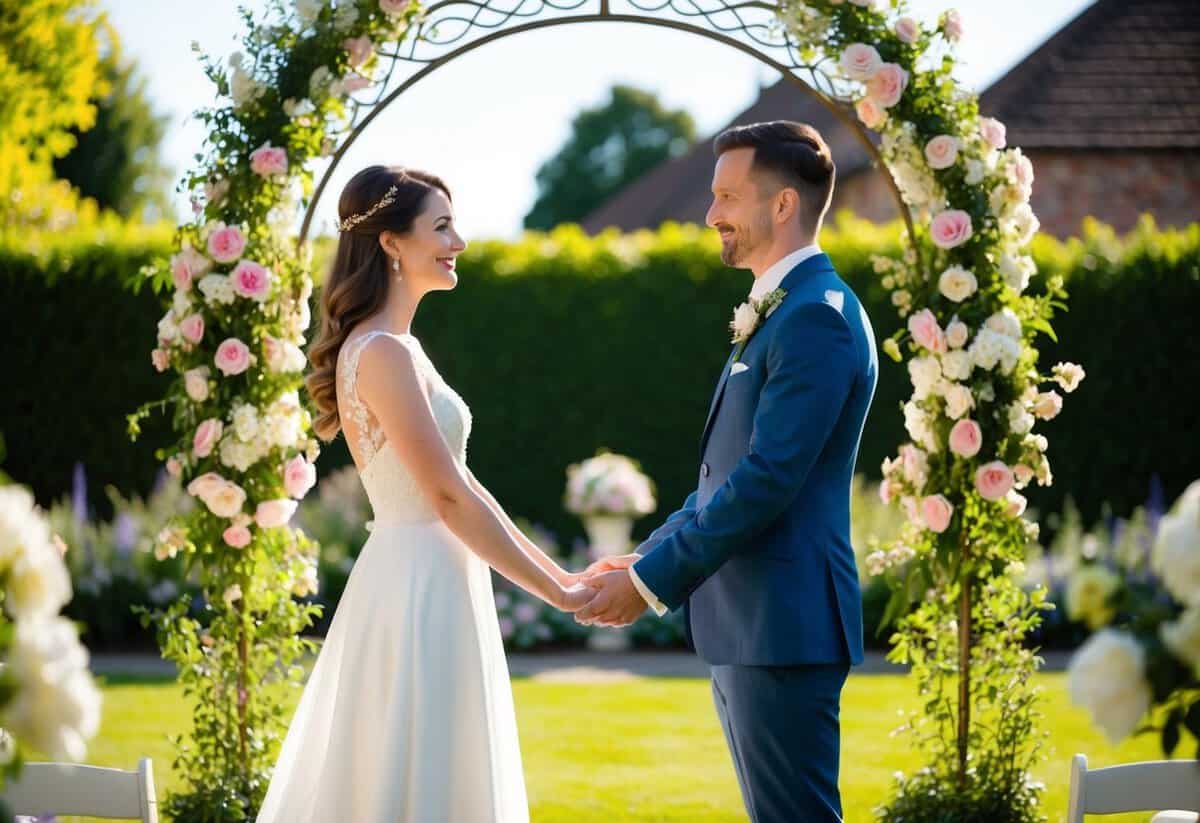
Preparing for the ceremony is one of the most important steps in planning your wedding. You want everything to reflect your love and commitment. Two key areas to focus on are writing a meaningful ceremony script and organizing a rehearsal.
Writing a Meaningful Ceremony Script
Your ceremony script sets the tone for the entire wedding. It should be personal and heartfelt, reflecting your unique relationship. Start by including sections such as your vows, readings, and any rituals you want to incorporate.
Consider asking your officiant for guidance on structure. You may also want to add anecdotes or quotes that resonate with both of you. Engaging family or friends in your script can make it even more special.
Once you draft your script, read it aloud. This helps you understand how it flows and allows you to make any necessary adjustments.
The Rehearsal Ceremony
A rehearsal ceremony is essential for a smooth wedding day. It’s your chance to practice the flow and timing.
Schedule the rehearsal a day or two before the wedding.
Gather your wedding party and officiant. Walk through each part of the ceremony, from the processional to the vows. Make sure everyone knows where to stand and when to speak.
Encourage your attendees to ask questions. This practice run helps everyone feel more comfortable.
Don’t forget to add a personal touch, such as including music or a special reading during the rehearsal.
Taking these steps makes a big difference on your wedding day, ensuring everything goes smoothly.