
When to Send Out Wedding Invitations? A Simple Guide for Stress-Free Planning
Planning a wedding involves many details, and knowing when to send out your wedding invitations is one of the most important. For the best experience, send save-the-date cards around 6 to 9 months before the big day, and your official invitations 6 to 8 weeks prior to the event. This timeline helps your guests make arrangements to celebrate with you.
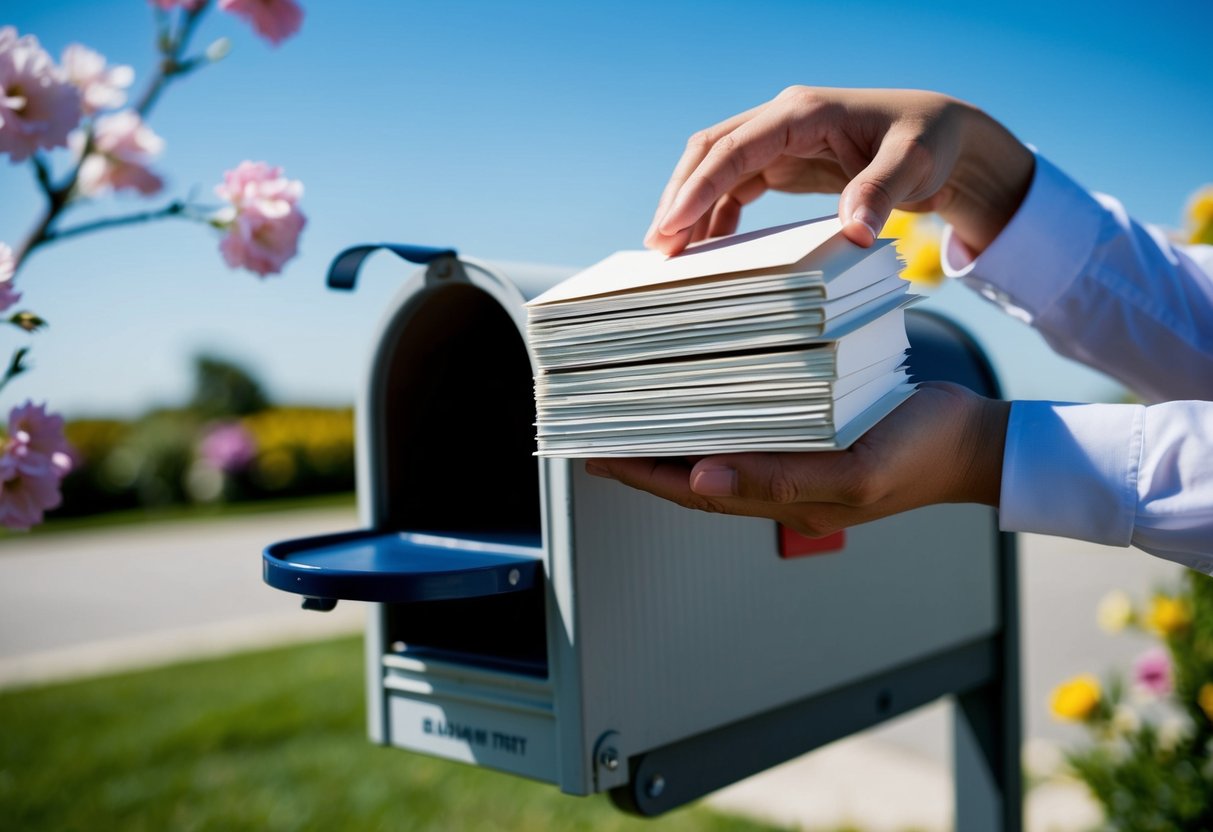
Consider your guest list as you plan. If you have out-of-town guests or a destination wedding, you might want to send invitations even earlier—two to three months ahead. This extra time allows everyone to make travel plans and book accommodations without stress, making your wedding planning smoother.
By understanding the wedding invitation timeline, you can set the stage for a joyful celebration. This gives you peace of mind and ensures that your loved ones will be there to share your special day.
Determining Your Wedding Invitation Timeline
Setting the right timeline for sending out your wedding invitations is essential. Timing helps ensure your guests have enough notice to prepare for your big day. There are specific factors to consider and different timelines based on the type of wedding you are planning.
Factors Influencing Your Timeline
Several factors will impact when you should send out your wedding invitations. First, consider your wedding date. A standard timeline suggests sending invitations six to eight weeks before the wedding. This allows guests ample time to RSVP.
For a destination wedding, you should send invitations earlier, ideally about three months in advance. This gives your guests time to make travel arrangements.
Think about the size of your guest list, too. A larger guest list may require more time to gather responses. Also, if you are planning related events like a bridal shower, consider coordinating those timelines as well.
Timeline for Different Types of Weddings
The type of wedding you are having can change when your invitations should go out.
For a traditional wedding at a local venue, the six to eight week guideline generally applies. You want your guests to feel informed, but not rushed.
For more casual or small weddings, you can shorten the timeline to about four weeks.
In contrast, if you are hosting a destination wedding, sending your invitations three to six months ahead is best. This extra time helps guests with travel and accommodation plans.
In any case, consider including a save-the-date card to help your guests mark their calendars early, especially for more significant events.
Creating Your Guest List and Gathering Addresses
When planning your wedding, one of the first tasks is to create a guest list and gather addresses. This will help ensure that you can send out invitations on time and manage RSVPs effectively.
Managing RSVPs
Start by organizing a clear guest list. You can use a spreadsheet to keep track of names, addresses, and contact information. Be sure to collect RSVPs ahead of time; set a deadline to make planning easier.
Consider using an online tool like Google Forms to track responses. This makes it easy for guests to reply. It’s a good idea to follow up with guests who haven’t responded, as reminders can help you get a clearer picture of who will attend.
Creating simple categories can help, too. You might label guests as “definites,” “maybes,” or “regrets” to streamline the planning process.
Accommodating Out-of-Town and International Guests
If you’re inviting out-of-town or international guests, gather their addresses early. This way, you can also recommend nearby accommodations or activities. Since some guests might require travel arrangements, sending invitations earlier can be helpful.
You can include local resources in your invitation package. Send a list of hotels, public transport options, and places of interest. This makes it easier for them to plan their visit. You may also want to offer assistance with travel arrangements if possible.
Keeping these guests informed will help make their experience enjoyable and stress-free. This extra attention shows that you care about their comfort.
Designing Your Wedding Invitations
Creating your wedding invitations is a fun and important step. It sets the tone for your big day and lets your guests know what to expect. Here are some key elements to consider when designing your invitations.
Selecting the Right Invitation Design
Start by choosing a design that reflects your wedding style. Think about the theme, colors, and mood you want to convey. Whether it’s elegant, rustic, or modern, the invitation should match your vision.
Consider using a mix of fonts and embellishments. Elegant scripts can add a touch of sophistication, while playful fonts can create a fun vibe. Don’t forget to think about the layout. Make sure your names are prominent, and the invitation flows well.
Additionally, consider using high-quality paper or unique materials. Textured finishes or envelopes can elevate your invitation further. A well-designed invite can create excitement for your guests even before the wedding day.
Incorporating Essential Information
Your wedding invitation needs to include key details. Start with the basics: who is hosting the wedding, the couple’s names, and the wedding date and time.
Make sure to include the venue address. If it’s a difficult location, consider adding directions or a map. Don’t forget to mention the dress code. This helps your guests know what to wear—be it formal, semi-formal, or casual.
You should also include RSVP details. Provide a date for guests to respond by and any RSVP methods, like a website or phone number. Clear information ensures your guests feel welcome and informed.
Understanding Wedding Invitation Etiquette
Know the etiquette when it comes to wedding invitations. Traditionally, you should send out invitations 6-8 weeks before the wedding date. This allows guests enough time to plan.
Make sure to address invitations properly, using titles and full names. Be respectful of your guests’ preferences by sending invites digitally if necessary.
Lastly, if you’re allowing plus-ones, be clear in your wording. Simply write “and guest” for those invited. This makes your guests feel valued and helps avoid confusion.
Additional Wedding Stationery and Invitations
Planning your wedding involves more than just sending invitations. You’ll also want to consider items like save-the-date cards and invitations for pre-wedding events. These details help set the tone for your special day.
‘Save-the-Date’ Cards and Pre-Wedding Events
Sending out save-the-date cards is a great way to inform guests about your wedding date before formal invites go out. Aim to send these cards at least six months before your wedding. This gives your guests ample time to plan and book their travel.
You might also want to include invitations to pre-wedding events. This could be your engagement party, bridal shower, or rehearsal dinner. Each invitation should reflect the theme of the wedding and provide all necessary details, such as date, time, and location. Keeping your wording consistent across all stationery creates a sense of unity.
Wedding Day Extras and Thank-You Cards
On your wedding day, you might have additional stationery, like programs or menus. These can enhance the guest experience by guiding them through your ceremony and reception.
Don’t forget about thank-you cards! It’s important to send these out after your wedding to show appreciation for gifts and attendance. Aim to send thank-you notes within three months of the event. Personalize each card by mentioning the specific gift or gesture, which makes your message more heartfelt.
By planning these elements, you create a seamless flow of communication for your guests.