
When Was “Obey” Removed from Wedding Vows in the UK? A Look at Changing Traditions
Wedding vows hold a special place in marriage ceremonies, often reflecting the values and expectations of the time. The Episcopal Church officially removed the word “obey” from the bride’s part of traditional wedding vows in the UK in 1922. This change marked a significant shift in how society viewed marriage and the roles of men and women within it.

As you explore the history behind this alteration, you’ll discover how movements for women’s rights influenced the language of marriage vows. The removal of “obey” symbolizes a growing emphasis on equality and partnership in relationships. Understanding when this change happened can give you insight into the evolution of modern marriage today.
You might find it interesting to see how traditional wedding vows have adapted over the years. Many couples now choose vows that reflect their personal beliefs and values, moving away from older phrases that no longer resonate. Learning about the history of these changes will help you better appreciate the vows you or someone you know might choose on their special day.
Historical Evolution of Wedding Vows in the UK
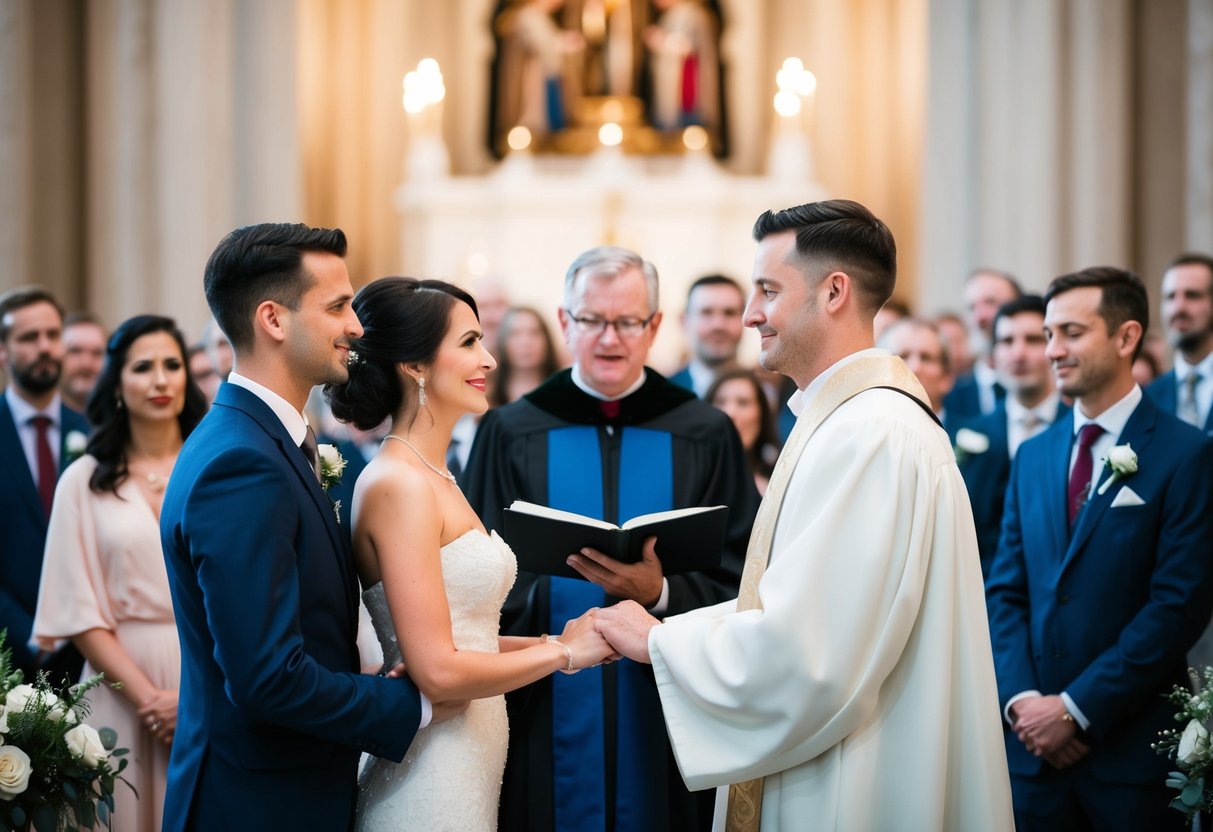
Wedding vows in the UK have changed significantly over time. This evolution reflects shifts in societal values and beliefs, especially regarding gender roles and relationships. Here’s a closer look at the key periods that shaped these vows.
Origins and Traditional Texts
In the beginning, wedding vows were rooted in religious traditions. The Church of England had a set of traditional wedding vows often included in their ceremonies. These included phrases like “to love and to obey,” which emphasized a hierarchical view of marriage.
The Book of Common Prayer, published in 1549, played a key role in standardizing these vows. It provided a formal structure that many couples followed for centuries. Over time, this book became a cornerstone of Anglican worship and marriage practices.
Women’s Suffrage Movement and Vow Changes
The women’s suffrage movement in the early 20th century brought significant social change. As women fought for the right to vote and equality, their roles in marriage began to shift as well. The push for equality led many to question traditional wedding vows.
In the 1920s, the Episcopal Church responded to these evolving attitudes. They officially removed the word “obey” from the bride’s vows in 1922. This change helped create a more balanced view of marriage, recognizing both partners as equals.
Twentieth Century Liturgical Reforms
The 20th century saw further liturgical reforms following the Second Vatican Council in the 1960s. This council encouraged more inclusive practices in the Catholic Church. Many churches began to reflect on the language used in their wedding ceremonies.
As a result, the term “obey” was dropped from Catholic wedding vows in the 1970s. This shift favored a partnership based on mutual love and respect rather than hierarchy. The changes in both liturgical practices and social views marked a new era in wedding ceremonies.
Modern Wedding Ceremonies and Vows
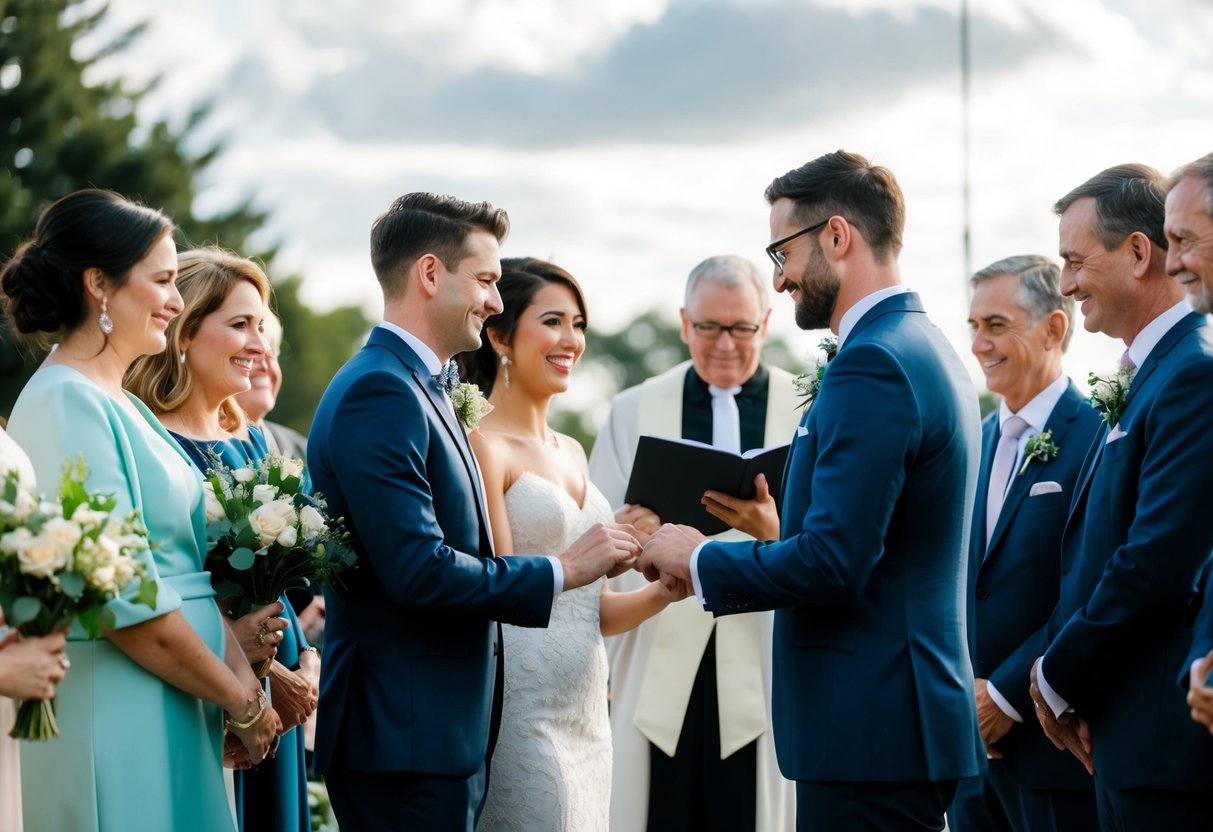
Today’s wedding ceremonies reflect changing traditions and values. You’ll find that modern vows often emphasize equality, love, and partnership. This shift is influenced by various factors, including royal weddings and church reforms.
The Influence of Modern Royal Weddings
Royal weddings have a significant impact on public perceptions of marriage. When Princess Diana married Prince Charles in 1981, traditional vows were still in place, including the promise to obey. Over time, royal ceremonies evolved.
For instance, Kate Middleton and Prince William’s wedding in 2011 and Meghan Markle’s marriage to Prince Harry in 2018 showcased a more modern approach. Both brides chose vows that highlighted mutual love and support, steering away from outdated concepts of obedience. Their choices resonated with many couples, encouraging personalized vows that reflect today’s values of equality.
The Church of England’s Contemporary Practice
The Church of England has adapted its wedding practices significantly. In recent years, the Church’s archbishops have supported vows that focus on partnership.
The traditional phrasing that included “to obey” has been revised. Many couples now express their commitment with vows that promise to love, honor, and cherish each other. This change aligns with a growing view of marriage as a shared journey. The shift reflects societal changes and a movement toward more equal relationships within the framework of church ceremonies.
Catholic Church’s Adaptations After Vatican II
After the Second Vatican Council, the Catholic Church also made significant changes. The new rite of marriage did away with the word “obey” in vows, which marked a profound shift in how marriage is perceived.
Couples are encouraged to write personalized vows that resonate with their beliefs. These adaptations aim to reflect mutual love and respect. The move has helped many couples feel more connected to their ceremonies while respecting their faith and traditions.
Cultural Shifts and the Concept of Equality in Vows
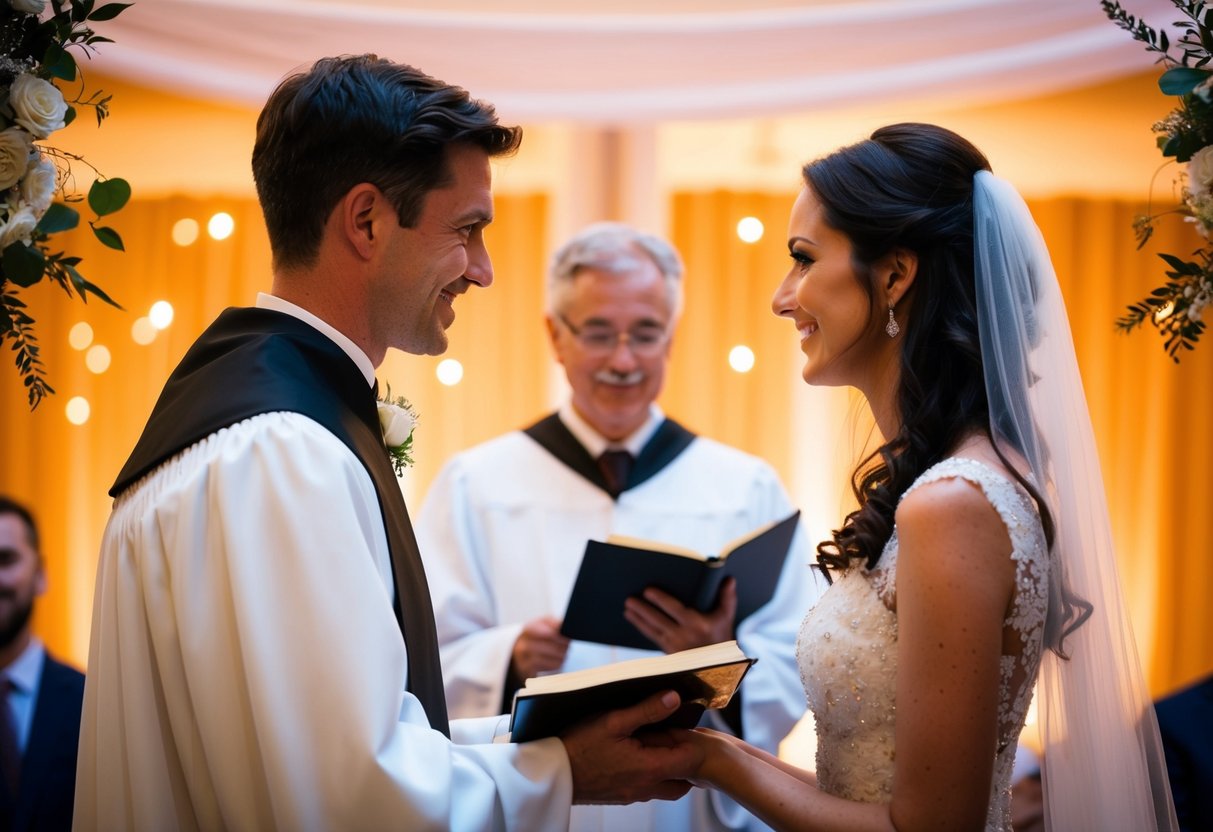
Changes in wedding vows reflect evolving views on marriage and equality. The shift away from terms like “obey” symbolizes a stronger focus on mutual respect and partnership in relationships.
From ‘Obey’ to ‘Love and Cherish’
The phrase “to love and to obey” has roots in traditional Christian marriage practices. Over time, many couples began to see this wording as outdated. Instead, the newer vows emphasize “love and cherish.”
This change aligns with the ideal of mutual love and commitment. Couples want to express a relationship built on partnership rather than hierarchy. The removal of “obey” signals that both partners should contribute equally. You can see how this shift reflects changing societal values about marriage and equality.
Reflecting Mutual Respect and Partnership
In modern marriages, mutual respect is essential. Couples aim for an equal partnership where both individuals share responsibilities and decisions. This is a significant departure from past practices when one partner had more authority.
Vows now highlight the importance of collaboration and understanding by replacing “obey.” You and your partner are committed to supporting each other’s dreams and goals. This transformation in wedding vows mirrors a broader cultural shift towards valuing equality within relationships.
Couples today focus on building healthy, loving partnerships that thrive on respect.