
When Was the Word “Obey” Removed from Wedding Vows? Exploring the Shift in Traditional Ceremonies
Wedding vows are a cherished part of many ceremonies, expressing the deep commitments couples make to one another. The Catholic Church officially removed the word “obey” from wedding vows in the 1970s. This followed a significant shift in how marriage is viewed. This change reflected a growing belief in partnership and mutual respect between spouses.
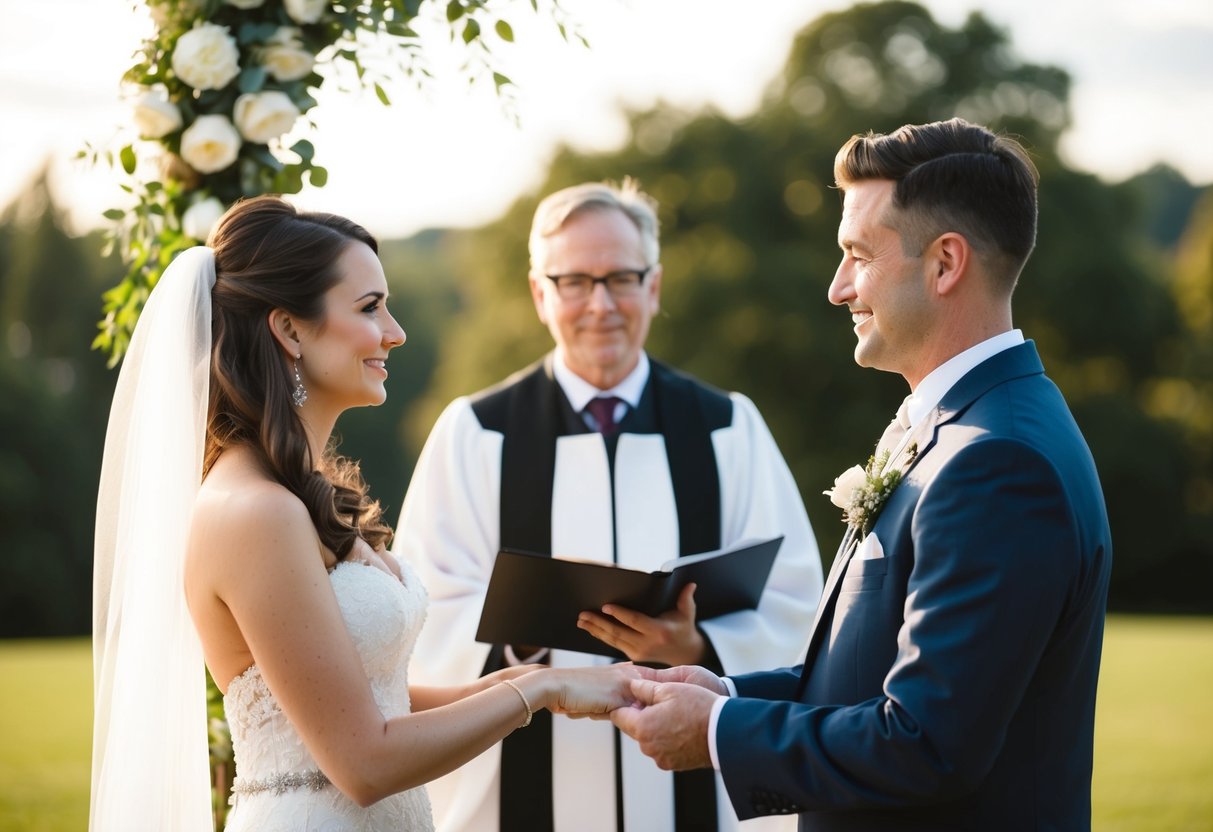
You might wonder why this word caused such discussion over the years. Many people see the vows as a promise of love, support, and equality. By dropping “obey,” churches aimed to modernize the language of vows, making them more aligned with current views on marriage.
As you explore the history behind these changes, you’ll discover how wedding vows have evolved to reflect our values and relationships. Understanding this transformation can give you deeper insights into the meaning of your own commitments.
Historical Context of Wedding Vows
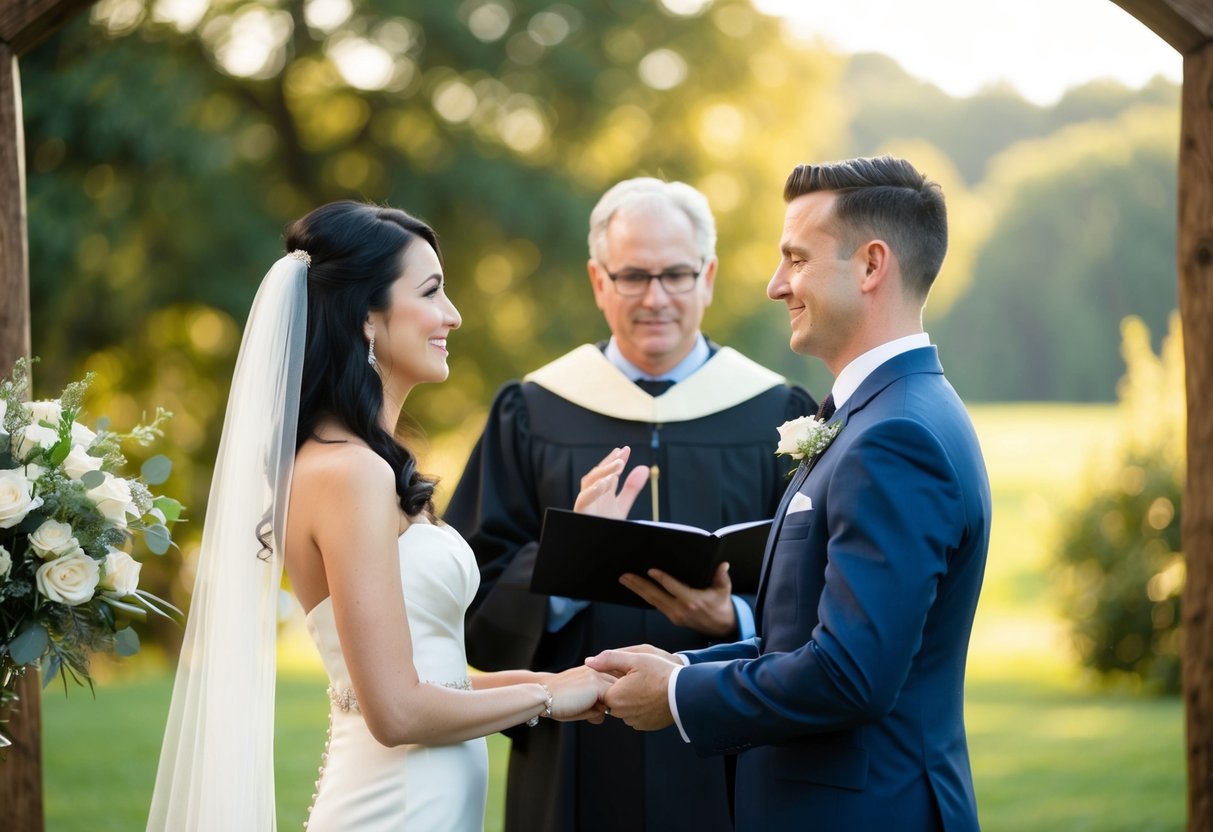
Wedding vows have a rich history that reflects changing societal values. The word “obey” in these vows signifies an earlier understanding of marriage, emphasizing duty over partnership. This section will explore the origins of this term and how attitudes toward vows have evolved.
Origins of ‘Obey’ in Wedding Vows
The word “obey” first appeared in wedding vows during the Middle Ages. It was part of a traditional vow that both partners would take. In this context, the bride would promise to “love, honor, and obey” her husband.
The focus on obedience represented societal views of marriage at that time. Women were often seen as subservient to men, and these vows echoed that hierarchy. Thus, the inclusion of “obey” marked a woman’s role within the marriage.
Changes Over Time
As society progressed, ideas about marriage began to shift. By the 20th century, many religious groups reconsidered the use of “obey” in vows. The Episcopal Church dropped the term in 1922, reflecting a growing belief in equality within marriage.
Similarly, the Catholic Church followed suit in the 1970s. The changes were part of broader liturgical reforms aiming for mutual respect. Today, most modern wedding vows focus on love and partnership, leaving out “obey.”
This shift shows how vows have adapted to reflect current values about relationships.
Modern Interpretations and Alterations
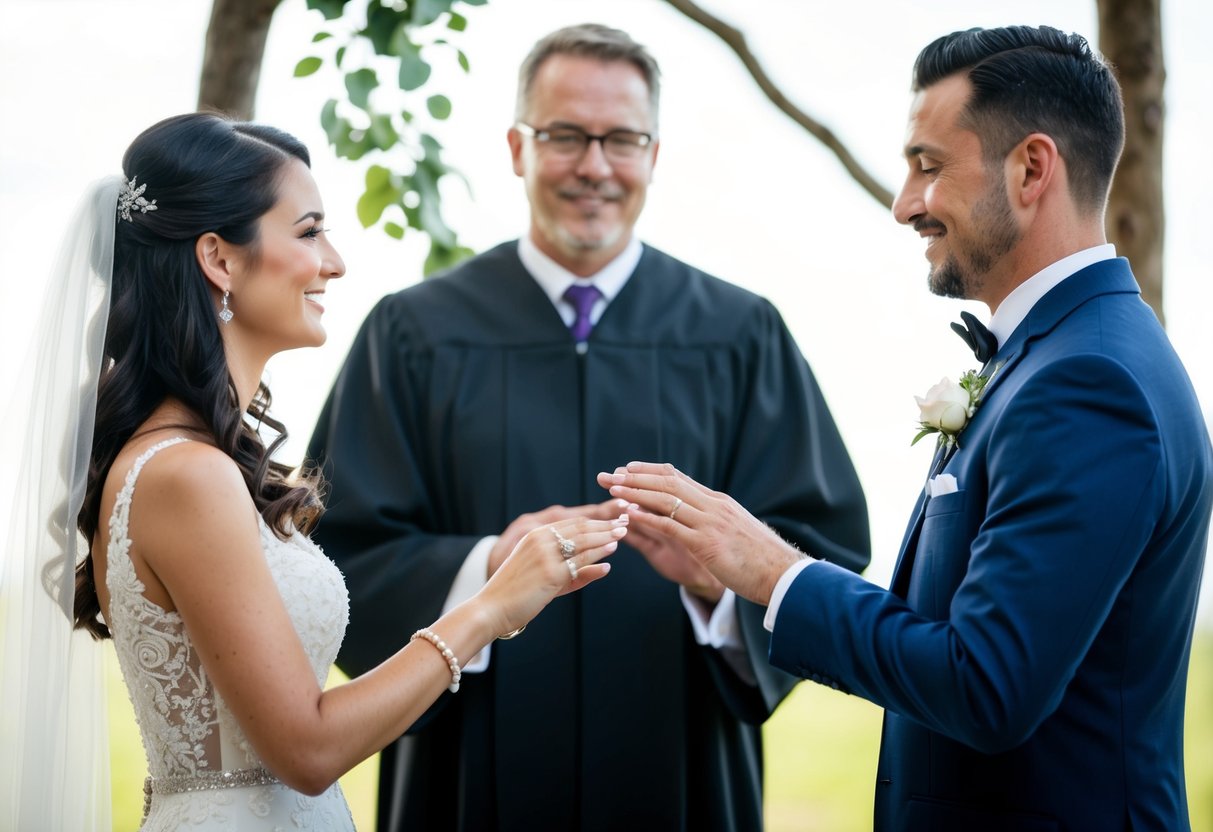
In today’s weddings, many couples are rethinking traditional vows. This reflects a desire for language that resonates with their values and personalities. Two key trends are the use of inclusive language and the personalization of vows.
Inclusive Language in Contemporary Ceremonies
Many couples choose to use inclusive language in their vows. This means avoiding traditional terms that imply one partner holds more power. For example, replacing “obey” with phrases like “support” or “honor” is common.
This shift encourages a sense of partnership and mutual respect. Couples might say they will “stand by” each other or “grow together.” This choice not only reflects modern views but also creates a more welcoming atmosphere for all guests.
Personalization of Vows
Personalization is another important trend in wedding vows. You can customize your vows to make them truly unique. This allows you to express your love and commitment in a way that feels authentic.
Some couples include personal stories or shared experiences in their vows. You might reference inside jokes or memorable moments. Others may opt for poetry or literary quotes that resonate with them.
This personal touch can make the ceremony feel special and memorable. Involving your partner in this process ensures that both of you feel represented in your vows.
Regional and Cultural Variations
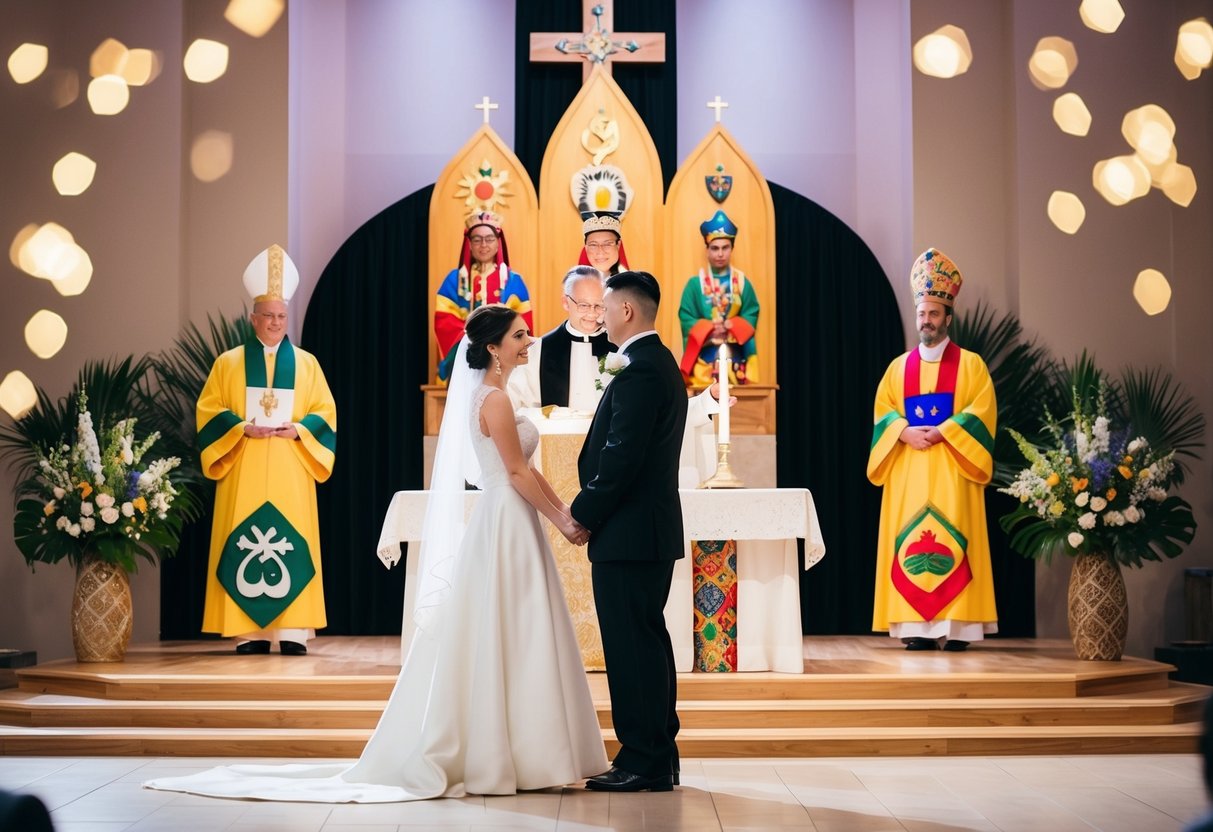
The phrase “to love and to obey” in wedding vows varies greatly depending on regional and cultural backgrounds. Different religious traditions and the distinction between secular and religious ceremonies can greatly influence how vows are shaped and understood.
Differences in Religious Traditions
Different religions have unique perspectives on marriage and wedding vows. For example, in many Christian denominations, the word “obey” has been traditionally included in the vows, emphasizing submission within the marriage. However, as societal views have changed, many denominations have updated their vows.
Secular Versus Religious Ceremonies
Secular wedding ceremonies often take a different approach to vows compared to religious ones. In a secular ceremony, you typically have the freedom to personalize your vows entirely.
- Personalization: You can create vows that resonate with your values, often excluding traditional phrases like “obey.”
- Cultural Influences: Some couples might choose to incorporate elements from their cultural backgrounds, further customizing the vows.
Religious ceremonies might retain traditional vows, but many modern couples prefer newer interpretations that focus on equality and partnership. This variation reflects the evolving nature of marriage in society today.