
Where Do Bride and Groom Sit at Reception? Helpful Tips for Arranging the Perfect Seating Plan
When planning your wedding reception, you might wonder about the best seating arrangement for you and your partner. Traditionally, the bride sits to the groom’s left, and both can choose to sit at a sweetheart table or with the bridal party. This decision can reflect your personalities and preferences, making the moment even more special.
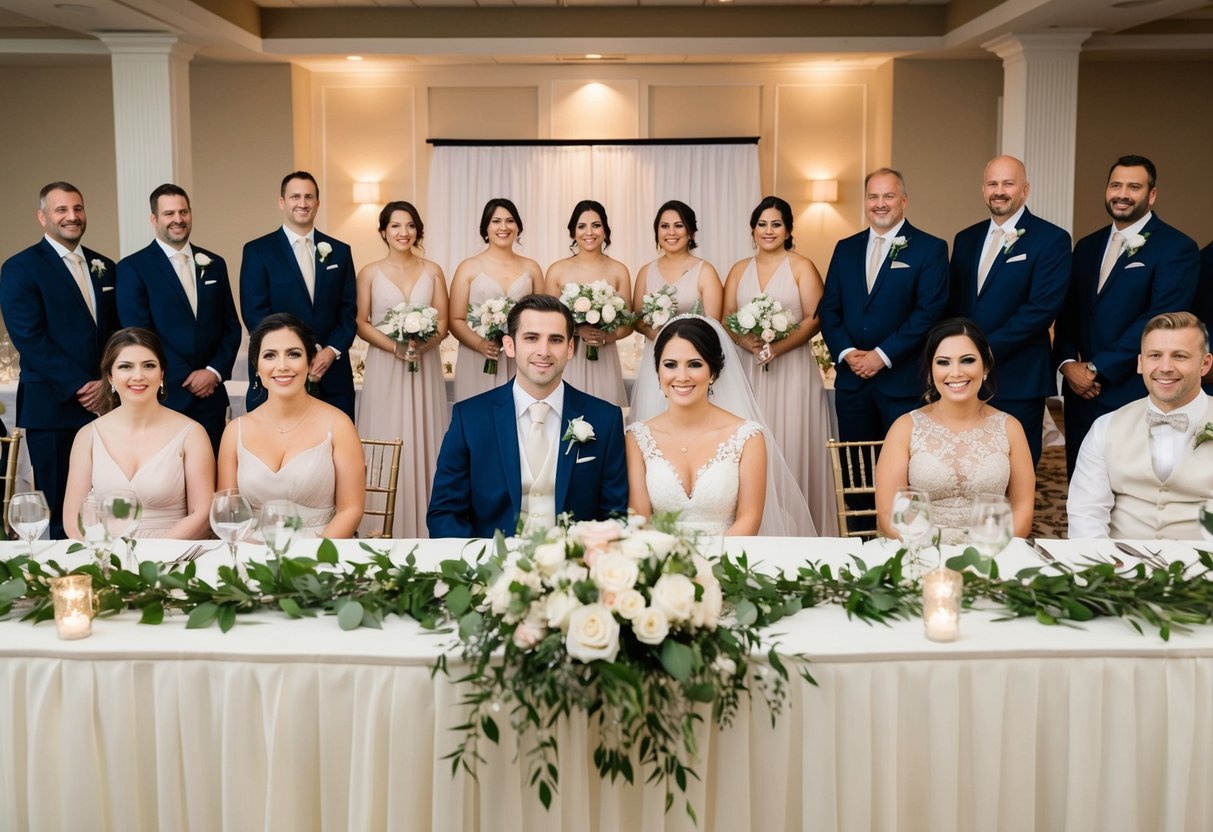
Seating can set the tone for your entire celebration. By deciding where you and your spouse will sit, you provide your guests with a clear picture of the evening.
Many couples prefer to sit with their closest friends and family, including parents and special loved ones. This can create an intimate atmosphere during the festivities.
The arrangement you choose can also impact the interaction and mood of the room. Being mindful of seating not only helps your guests feel comfortable but also enhances your experience as a couple.
Planning Your Reception Seating
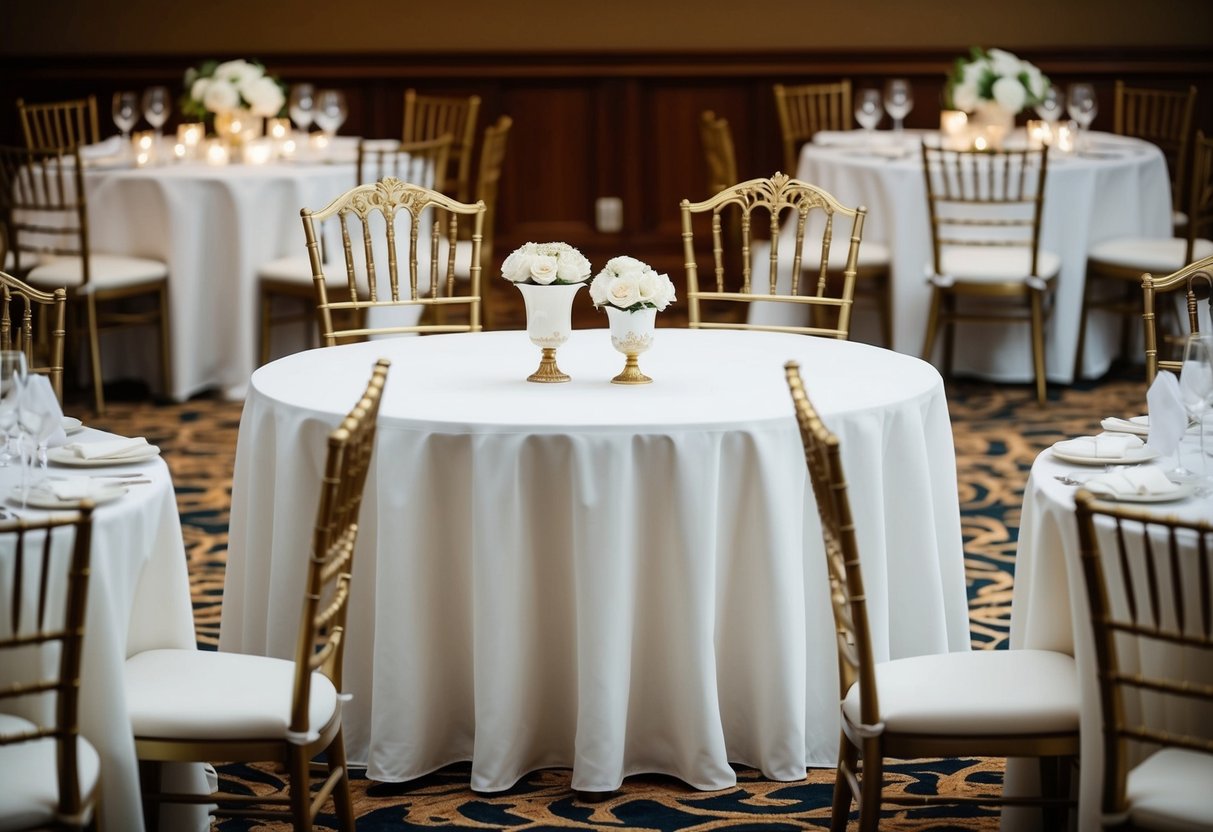
Planning your reception seating involves understanding arrangements and creating a seating chart. This ensures that your guests feel comfortable and enjoy the celebration.
Understanding Seating Arrangements
Start by considering your guest list. Knowing how many guests will attend will help you plan effectively.
Choose between assigned seating and open seating. Assigned seating guarantees that everyone has a spot. You can use escort cards to guide guests to their tables. Place cards can mark specific seats for added clarity.
Think about table shapes, too. Round tables foster conversation, while long banquet tables can create a more communal vibe.
Make sure to consider dynamics among guests. Try to seat friends and family members together to keep the energy positive.
Creating a Seating Chart
Once you have your seating arrangements figured out, it’s time to create your seating chart. This chart will illustrate who sits where, making it easier for guests to find their seats.
Start with a visual layout of your reception space. Sketch the tables and fill in where guests will sit. You can use software or printable templates for a polished look.
Share the seating chart in advance to reduce confusion. Display it at your venue for quick access.
Use seating chart etiquette by avoiding last-minute changes, as they can create stress.
Be mindful of guests’ preferences and any special needs. A well-organized seating chart not only enhances your wedding reception but also contributes to a smooth-flowing event.
The Head Table Layout
The layout of the head table can set the tone for your wedding reception. It’s important to consider who will sit where, as well as the various options available for the head table configuration.
Who Sits at the Head Table?
Typically, the head table is where you and your partner sit during the reception. You will sit in the center, often flanked by your bridal party. The best man usually sits next to you, while the maid of honor is positioned beside your partner. This arrangement highlights the importance of your closest friends on this special day.
Some couples choose to include other VIPs, such as parents or siblings, at this table. This can make the seating arrangement feel more inclusive. It’s all about how you want to honor those who matter most in your life.
Head Table Seating Variations
When planning your seating, there are a few variations to consider. One popular option is the traditional head table with the entire bridal party. This feature includes you and your partner in the middle, surrounded by your attendants.
Another option is a more intimate setup where you sit alone at a sweetheart table. This gives you a chance to have private moments amid the celebrations. It reinforces your special bond and allows for quiet conversations away from the crowd.
Also, remember that your seating arrangement can reflect your style. You can be creative with the design, such as using different table shapes or decorations that fit your theme.
Sweetheart Table Overview
A sweetheart table is a charming choice for many couples. It consists of just the bride and groom sitting together, creating a cozy ambiance.
With this setup, you can focus on each other, making for unforgettable memories.
Usually placed at the front of the reception venue, it becomes a focal point for guests. You can decorate it to stand out with flowers, candles, or personalized items.
You can choose styles like round or rectangular tables, depending on your preference. Whatever your choice, make sure it reflects your personality as a couple, making the sweetheart table special for both of you.
Special Tables and Considerations
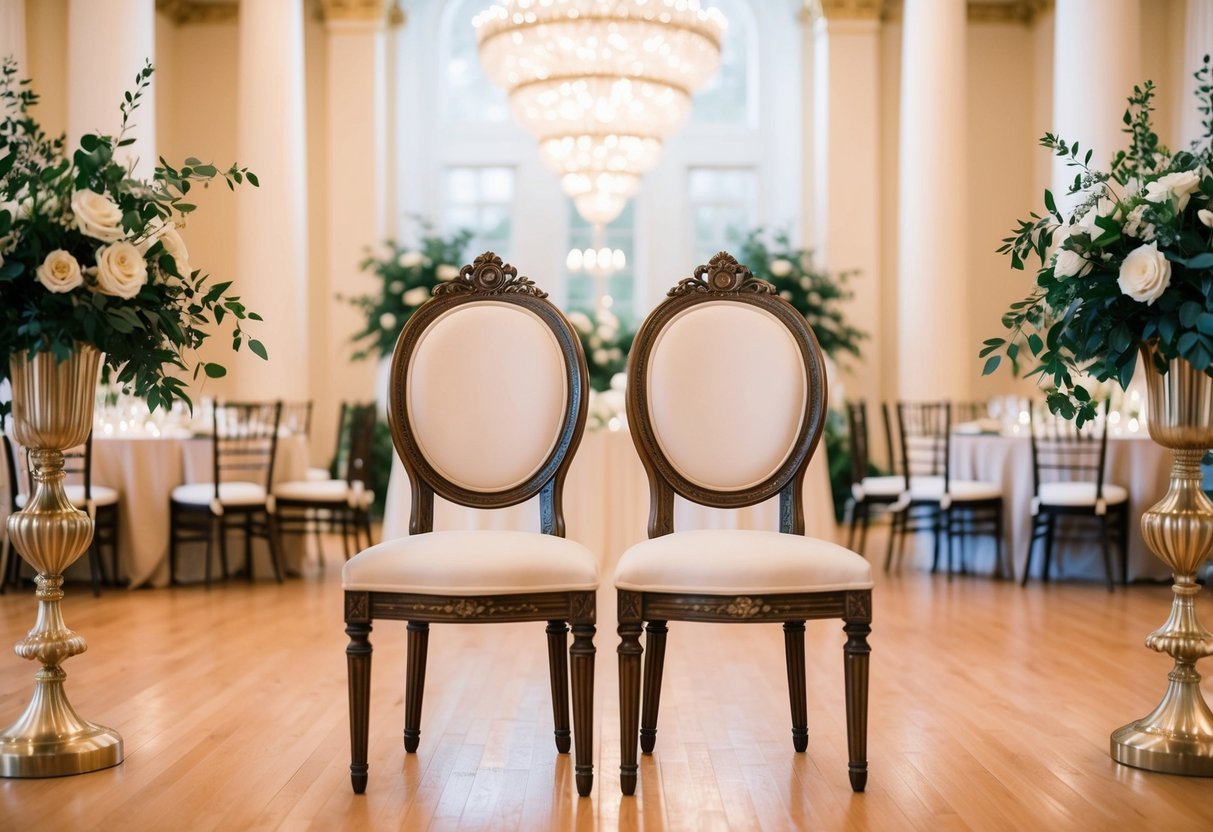
When planning your wedding reception, it’s important to think about special seating arrangements for key guests. Consider who sits where, including the bridal party and immediate family, as well as how to arrange seating for singles and couples.
Bridal Party and Family Seating
The bridal party typically sits at the head table with the couple. This table is often referred to as the table of honor.
You may also choose to have the parents of the bride and groom at this table. This arrangement helps emphasize the importance of these family members. Placing siblings nearby can also create a warm atmosphere.
If you prefer, set up a separate bridal party table adjacent to the couple. This allows the bridal party to enjoy the wedding while still being close.
Singles and Couples Seating
For guests who are single, creating a dedicated singles table can foster social connections. This allows singles to engage with each other, making the event more enjoyable.
At the same time, emphasize seating for couples. You can create a warm environment by placing couples together at their own table or mixed with other guests.
Mixing singles and couples at some tables can lead to new friendships and fun interactions.
Be mindful of your guests’ dynamics. You want everyone to feel comfortable and included at your reception.
Etiquette and Logistics
When planning your wedding reception, seating arrangements are crucial. Knowing where to place the bride, groom, and key guests can enhance the day’s enjoyment. Let’s look at the seating for the officiant and the flow of your entrance.
Seating the Wedding Officiant
Traditionally, the wedding officiant is seated at the main table or a nearby table. This placement acknowledges their role in the ceremony and helps them feel included in the celebration.
If you want to honor your officiant, consider a table with your parents and close family members. This can create a more intimate atmosphere. Remember to confirm their attendance before finalizing the seating plan.
Some couples choose to have a designated chair for the officiant with a small sign. This can help guests identify important figures during the reception.
Order of the Processional and Reception Entry
The order of the processional directly affects how guests view the reception. Typically, the bridal party enters first, leading to the couple’s grand entrance.
During the reception, the newlyweds usually enter last. This builds anticipation and excitement. Guests often cheer or stand as the couple makes their entrance.
When planning the order, keep in mind that you can personalize this moment. Whether it’s a specific song or a choreographed dance, make it feel special for you.
Establishing a clear plan can help everyone know what to expect. This allows for a smooth transition from ceremony to reception.