
Where Do Bride and Groom Stand During Wedding? A Guide to Ceremony Placement
When planning your wedding, one of the many details to consider is where you and your partner will stand during the ceremony. Traditionally, the bride stands on the left and the groom on the right at the altar. This setup has historical roots, often tied to the groom’s need to keep his sword hand free. However, many couples today are choosing to mix things up and personalize their ceremony.
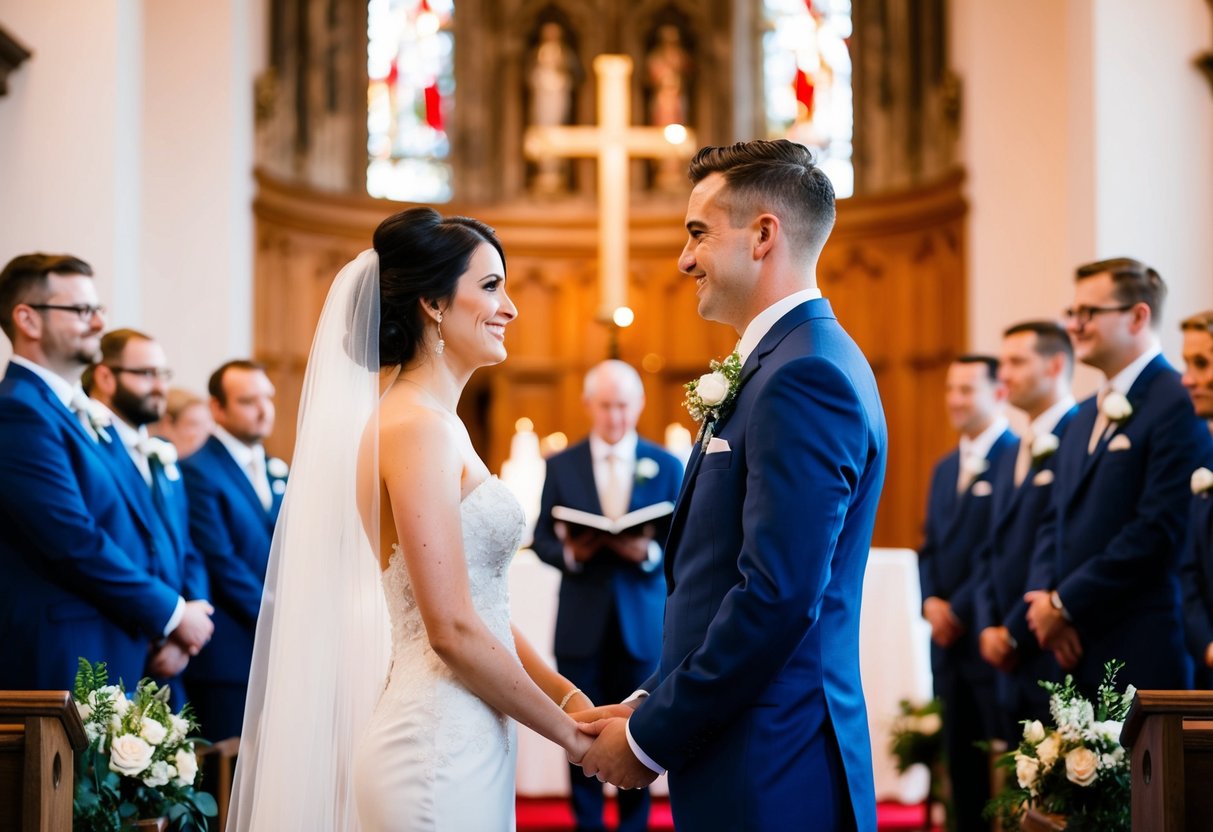
Understanding these traditions can enrich your wedding experience, but remember that what matters most is your comfort and preferences. You have the freedom to decide what feels right for you both. Whether you stick to tradition or create your own rules, this moment should reflect your unique love story.
By delving into the customs and modern trends around altar placements, you’ll discover not just where to stand, but also the meaning behind those choices. So, let’s explore this topic together and help you make the best decision for your special day.
Ceremony Positions Explained
The positions of the bride and groom during a wedding ceremony carry historical significance and reflect personal choices. Understanding these roles can help you choose what feels right for your ceremony.
Traditional Placement of Bride and Groom
In traditional weddings, the bride typically stands on the left side and the groom on the right. This custom dates back to ancient times. During these ceremonies, grooms kept their right side free to defend their bride from potential kidnappers, a practice known as “marriage by capture.”
Additionally, this placement symbolizes the groom’s heart being on his left side. In Christian ceremonies, this arrangement is common, but the specifics may change based on personal preferences.
Cultural Variations in Bridal Positions
Cultural traditions can vary the positioning of the bride and groom. For example, in many Jewish weddings, the roles are reversed. Here, the bride stands on the right and the groom on the left under the chuppah.
In Hindu weddings, both partners often stand together, facing their guests, reflecting their unity. Understanding these cultural differences can help you embrace the significance of your own wedding.
Modern Interpretations and Personal Choices
Today, couples enjoy the freedom to decide where they want to stand during their ceremony. Many opt for a more personalized approach.
Some might choose to stand side by side, symbolizing equality. Others may even break from tradition entirely based on what feels authentic to them. It’s essential to remember that your wedding reflects your love story, and there are no strict rules.
Whether you adhere to tradition or carve your own path, what matters is that you feel comfortable and connected during your ceremony.
Planning the Processional and Seating
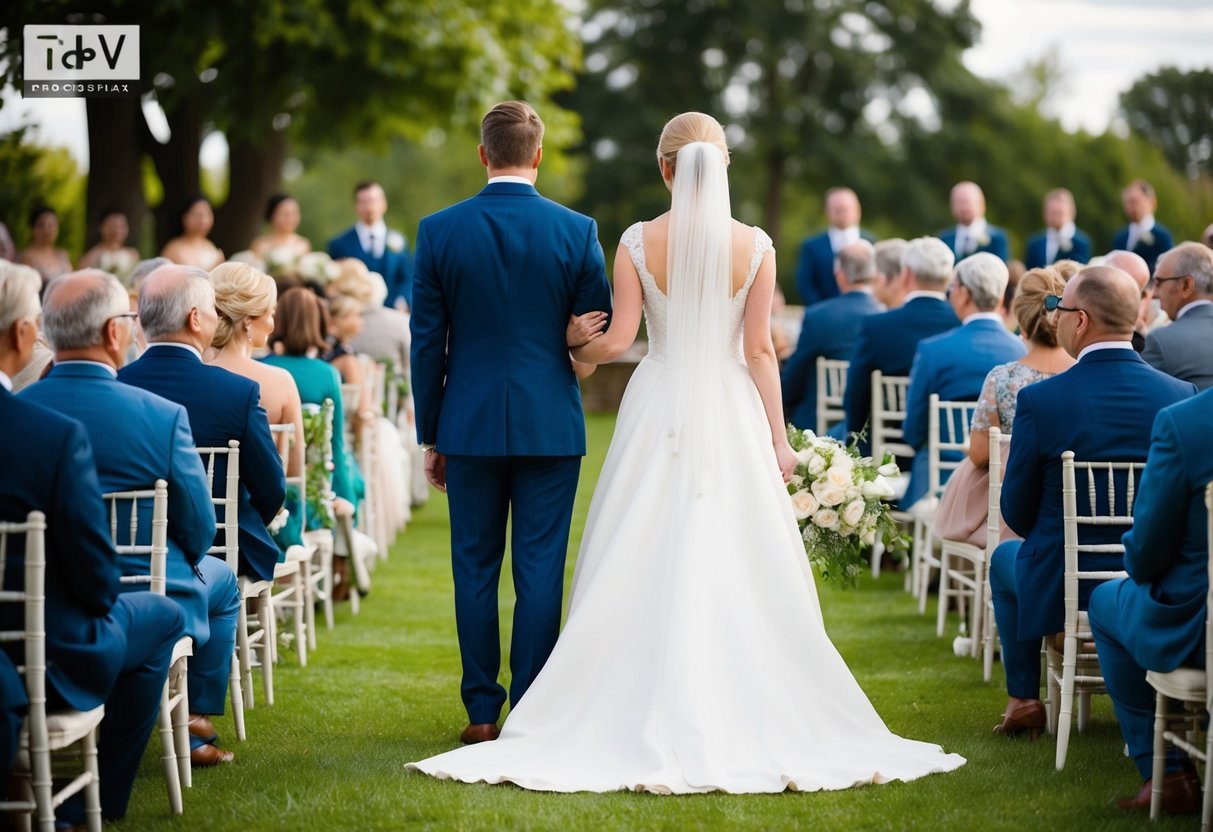
When planning your wedding, organizing the processional and seating is key. You want to ensure everyone knows where to go and how the flow of the ceremony will unfold. This section will focus on various seating arrangements options and the important roles in the wedding party.
Seating Arrangement Options
Choosing the right seating arrangement helps set the mood for your ceremony. Here are a few popular options:
- Traditional Rows: Guests sit in straight rows facing the front. This is common for both indoor and outdoor weddings.
- U-Shape: Seats are arranged in a U shape, allowing guests to see each other and the couple easily.
- Circle or Semi-Circle: This creates a more intimate atmosphere, bringing guests closer to the action.
You may also consider alternatives like a sweetheart table where just the bride and groom sit, allowing for a cozy dining option. For larger weddings, having a head table for the wedding party can encourage mingling and conversation.
Roles in the Wedding Party
Understanding the roles in your wedding party is important for the processional. Here’s a breakdown of the key players:
- Bride and Groom: They typically stand at the altar, with the groom on the right and the bride on the left.
- Bridesmaids and Groomsmen: They should enter the ceremony together, with the bridesmaids on the left and groomsmen on the right.
- Best Man and Maid of Honor: These two stand closest to the couple during the ceremony.
- Flower Girl and Ring Bearer: They often walk down the aisle just before the bride, adding a special touch to the ceremony.
Planning each role and their entry will help ensure everything runs smoothly on your big day.
The Wedding Officiant’s Role
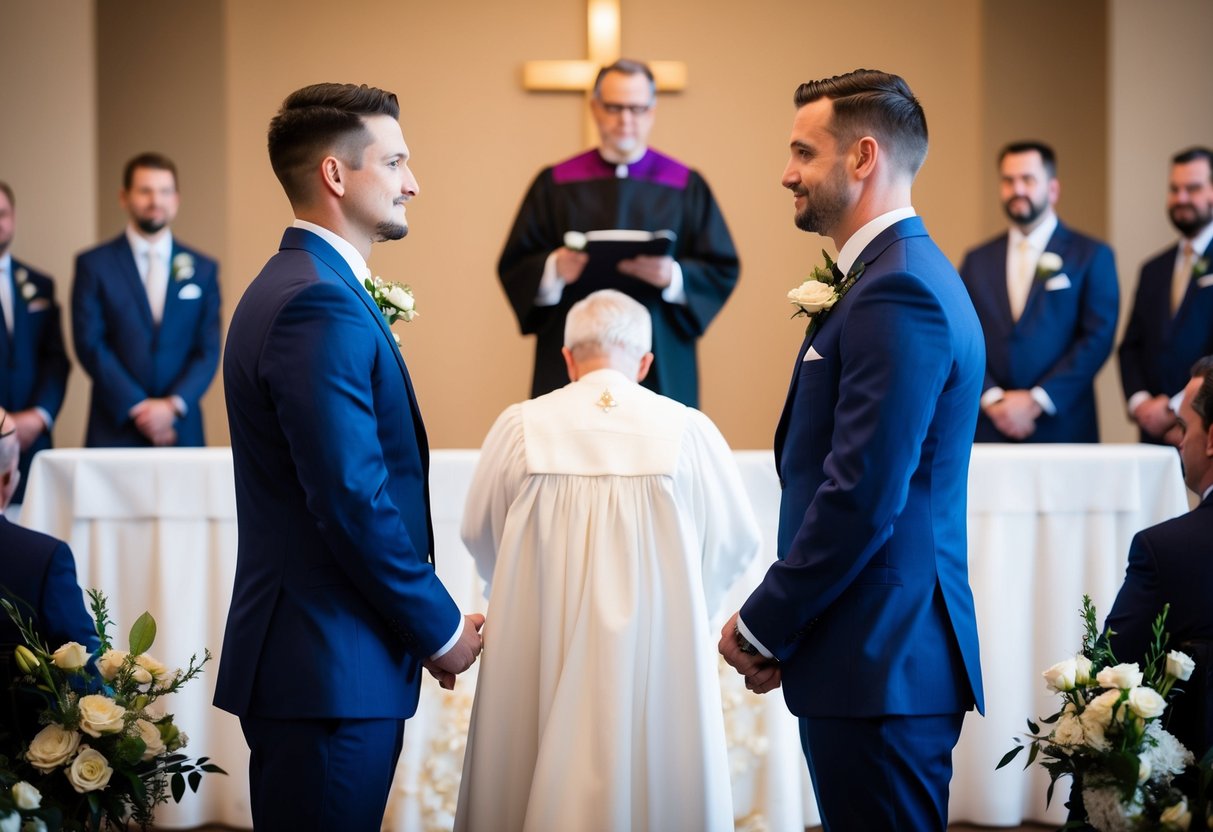
The wedding officiant plays a crucial role in your special day. This person guides the ceremony and helps create a meaningful atmosphere for you and your guests.
Your officiant is responsible for leading the vows. They help you express your love and commitment. Their words set the tone for the entire ceremony.
In a Jewish wedding ceremony, the officiant leads unique traditions. They may guide you through rituals such as the signing of the ketubah, or marriage contract. This highlights the importance of family and faith in your union.
During the ceremony, the officiant engages with both families. They often address them, reminding everyone of the importance of love and unity. It’s a time to celebrate not just your bond but also the community that supports you.
Your officiant also makes sure everything runs smoothly. They coordinate with the wedding party and keep track of the timeline. This helps you focus on what matters most—your vows and each other.
Choosing the right officiant can make a difference. Look for someone who understands your values and style. This ensures your ceremony reflects your love story.