
Where Do DJs Get All Their Songs From? A Guide to Music Sources and Inspiration
DJs have a unique journey when it comes to finding the perfect tracks for their sets. They pull music from a variety of sources, including streaming services, digital download stores, and specialized DJ record pools. Exploring these avenues can open up a world of sounds just waiting to be mixed and mastered.

In today’s music industry, discovering new music is easier than ever, but it still takes effort. Many DJs look to platforms like SoundCloud and Spotify for fresh tracks, while also tapping into podcasts that showcase their favorite artists. These resources not only help you find the current hits but also allow you to uncover hidden gems that might elevate your DJ sets.
With so many places to explore, the thrill of music discovery keeps the DJ community alive and buzzing. Understanding where DJs get their music not only enriches your playlists but also connects you to the ever-evolving world of sound.
Sources of DJ Music
Finding the right music is crucial for a DJ. There are various sources where you can access new tracks, remixes, and classic hits. Here are the primary ways you can build your music collection.
Music Streaming Services
Music streaming services like Spotify, Apple Music, and Tidal are popular among DJs for their vast libraries. You can easily stream different genres and create playlists to match your style. While these platforms are great for discovering new releases, they can have limitations.
For instance, tracks on these services often lack special versions that DJs need, such as extended remixes. Moreover, not all DJ equipment supports these streaming services, which can restrict their use during live sets. Still, you can find valuable inspiration and listen to a wide range of music.
Online Music Stores and Marketplaces
If you’re looking for digital downloads, online music stores like Beatport and Traxsource offer a fantastic selection. These platforms focus on electronic music and feature many exclusive tracks. You can find various genres and sub-genres to ensure your sets are fresh and diverse.
Amazon Music and Bandcamp are also excellent choices for finding unique tracks and supporting independent artists. With these stores, you can often purchase tracks directly, ensuring you get high-quality files for your performances. They cater to different needs, from vinyl records to CDs and digital formats.
DJ Record Pools and Subscription Services
DJ record pools are great resources for acquiring music. Services like DJCity, BPM Supreme, and Digital DJ Pool allow you to access a wide range of tracks. These platforms often provide new releases and exclusive remixes, which can enhance your sets.
With a subscription, you can download a number of songs monthly, making it easier to stay updated with the latest hits. Record pools are especially helpful for professional DJs who need a steady flow of new content. They also offer various genres, so you can always find something that fits your style.
Record Stores and Physical Formats
While digital formats dominate today’s music scene, record stores still have their charm. Whether you prefer vinyl records or CDs, these stores provide a tactile experience that many DJs cherish. There’s something special about flipping through crates and discovering hidden gems.
Stores like Juno Download, Boomkat, and Bleep offer physical and digital copies of tracks. You can explore different genres too, giving you access to old favorites and modern classics. Plus, browsing in a record store can inspire new ideas for your sets, helping you bring something unique to your performances.
Building and Organizing a Music Library
To create an effective music library, you need to focus on how to categorize your tracks, utilize playlists, and manage your files. A well-organized collection helps you find tracks quickly and keeps your DJ sets smooth and engaging.
Categorization by Genres
Start by organizing your music by genres. Your library can include categories like Electronic Dance Music (EDM), Pop, Rap, and Rock. Each genre might have sub-genres too. For instance, under EDM, you can have House, Dance, and Techno.
Create folders or tags that reflect these genres. This will help you when you’re looking for specific sounds. For example, when preparing for a set with high-energy Dancehall tracks, you can quickly access your dedicated folder.
Consider using tags for BPM to further refine your organization. Having tracks sorted by tempo lets you easily mix and match songs that will flow well together.
Utilizing Playlists and Tracklists
Playlists are essential for every DJ. They simplify your workflow during gigs. You should create playlists for different occasions, like weddings, parties, or club nights.
For instance, if you’re preparing for a party, include hits from Hip-Hop, Latin, and Reggae. Be sure to update these playlists regularly. Adding the latest tracks from music streaming services keeps your library fresh.
Tracklists are another valuable tool. After a gig, jot down which tracks worked well together. This information helps you recreate successful sets in the future. You can also check out popular tracklists from radio shows or podcasts for inspiration.
File Management and Metadata
Keeping your files neat is crucial for a smooth experience. Use a clear file naming system, such as “Artist – Track Title (Genre)”. This method makes it easy to search your library.
Don’t forget about metadata. Ensure your files have correct information about the artist, album, and genre. Managing metadata helps sorting and improves searching.
For digital downloads from services like iTunes, always check if the tags are correct. This action prevents any confusion later on. You can also use software tools to edit metadata efficiently.
Networking and Promotion
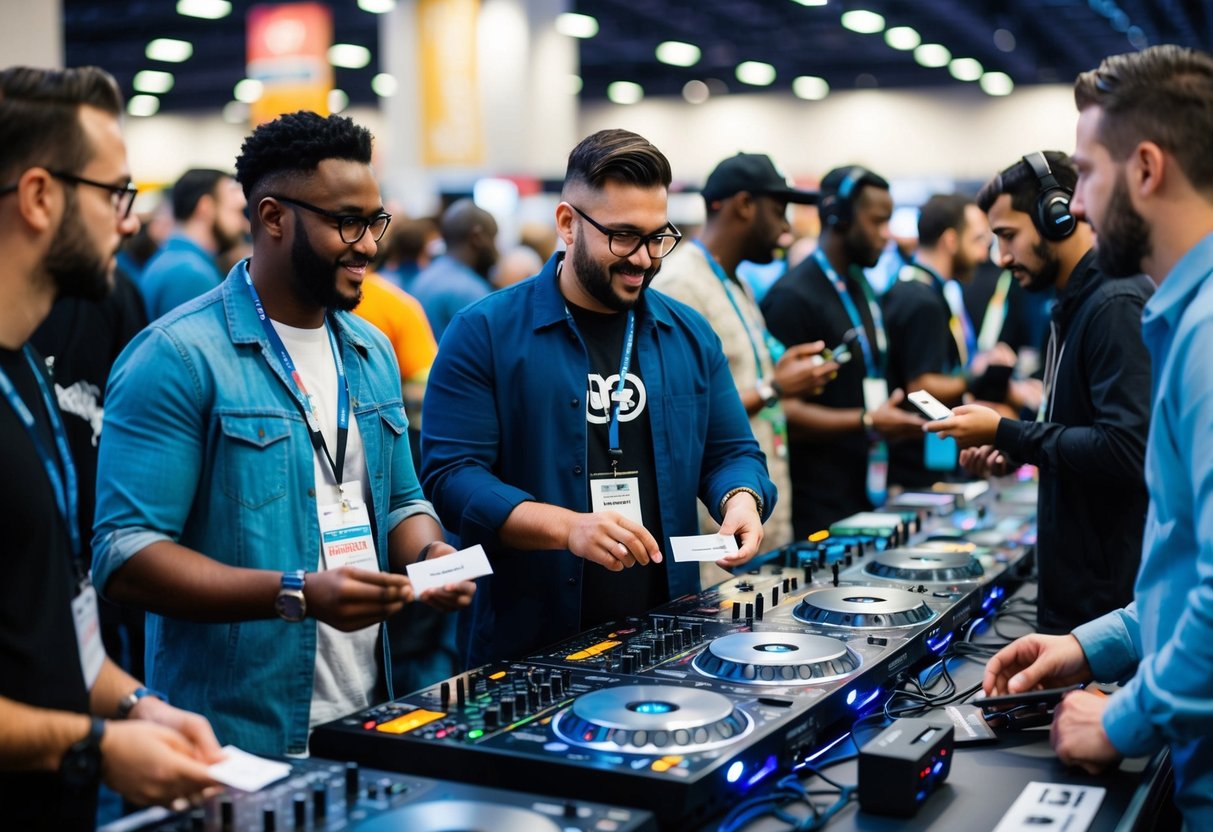
Networking and promotion play a vital role in how you find and gather music as a DJ. Engaging with other industry professionals helps you discover new songs, while promotion can boost your visibility, making it easier to connect with music sources.
Leveraging Social Media
Social media is a powerful tool for DJs. Platforms like Instagram, Twitter, and Facebook allow you to connect with fans and other DJs easily. You can share your mixes, promote your events, and even showcase your favorite tracks.
Many artists share new releases and exclusive content on these platforms. Follow your favorite artists and labels to stay updated. Additionally, you can join DJ groups or forums to exchange music recommendations and tips.
Record Labels and Mailing Lists
Joining record label mailing lists is a smart way to stay informed about new music. Labels often send out newsletters with information about upcoming releases, exclusive remixes, and special offers.
By subscribing, you get the latest tracks right in your inbox. This can include free music downloads and promotional emails that make it easier to access new material. Don’t hesitate to explore different genres and labels to broaden your collection.
Collaborations and Exclusive Content
Collaborating with other artists can lead to unique music opportunities. When you work with fellow DJs or producers, you can create exclusive content, such as remixes or acapellas.
These collaborations can be shared on platforms like YouTube or SoundCloud, giving both artists exposure. Sharing this original content helps you stand out in a crowded space. You not only showcase your skills but also gain access to each other’s fan bases, expanding your reach.
Building connections within the community opens doors to diverse music sources that can enhance your DJ sets.