
Where Do Groom’s Parents Sit at Wedding? A Guide to Seating Arrangements
As you plan your wedding, seating arrangements can seem overwhelming. It’s important to know where the groom’s parents should sit to keep things organized and comfortable. Typically, the groom’s parents sit in the first row on the right side during the ceremony. This ensures they are close to the action and can support their son on this special day.
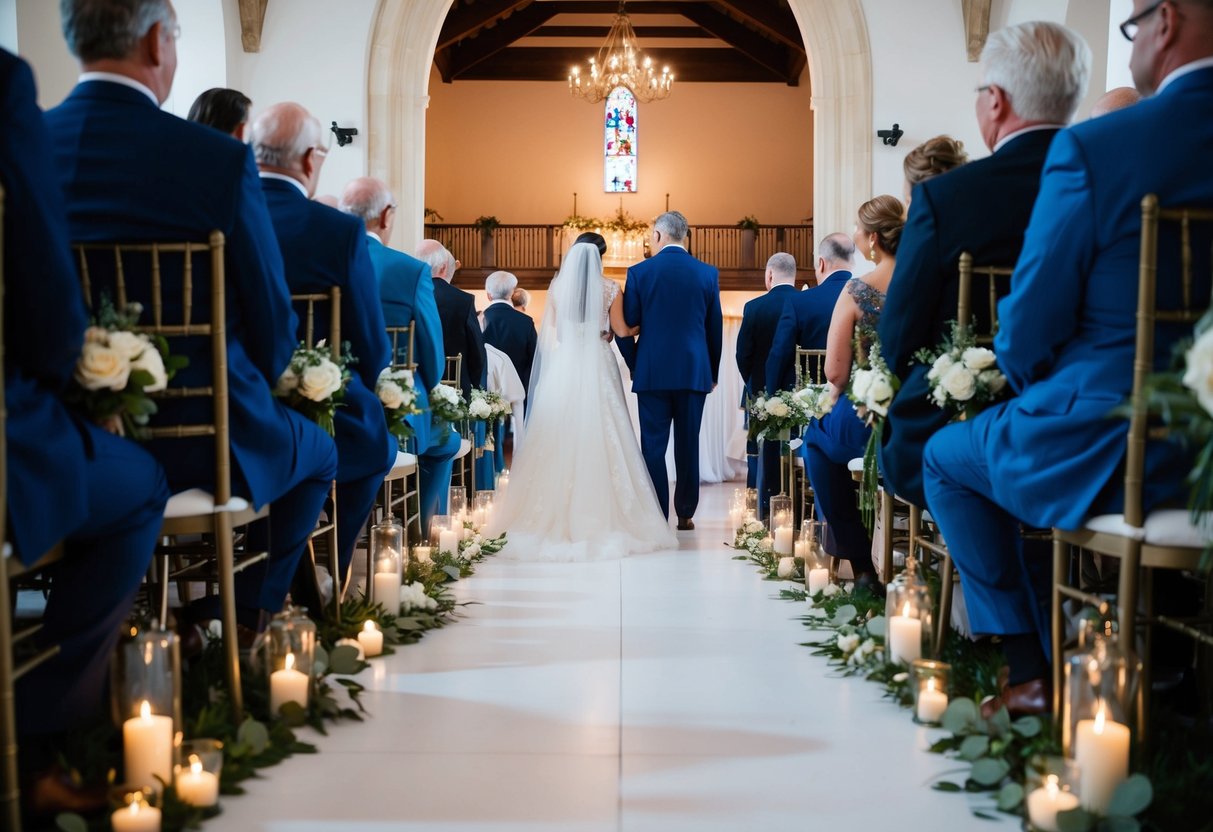
During the reception, the seating can vary based on your preferences and family dynamics. Many couples choose to have the groom’s parents sit at their own table alongside friends or have them share a table with the bride’s parents. This approach helps to blend families and create a warm atmosphere.
Understanding where the groom’s parents sit can set the tone for the entire event. By considering their comfort and the overall flow of the day, you can make decisions that reflect your wishes while honoring family traditions.
Understanding Ceremony Seating Basics
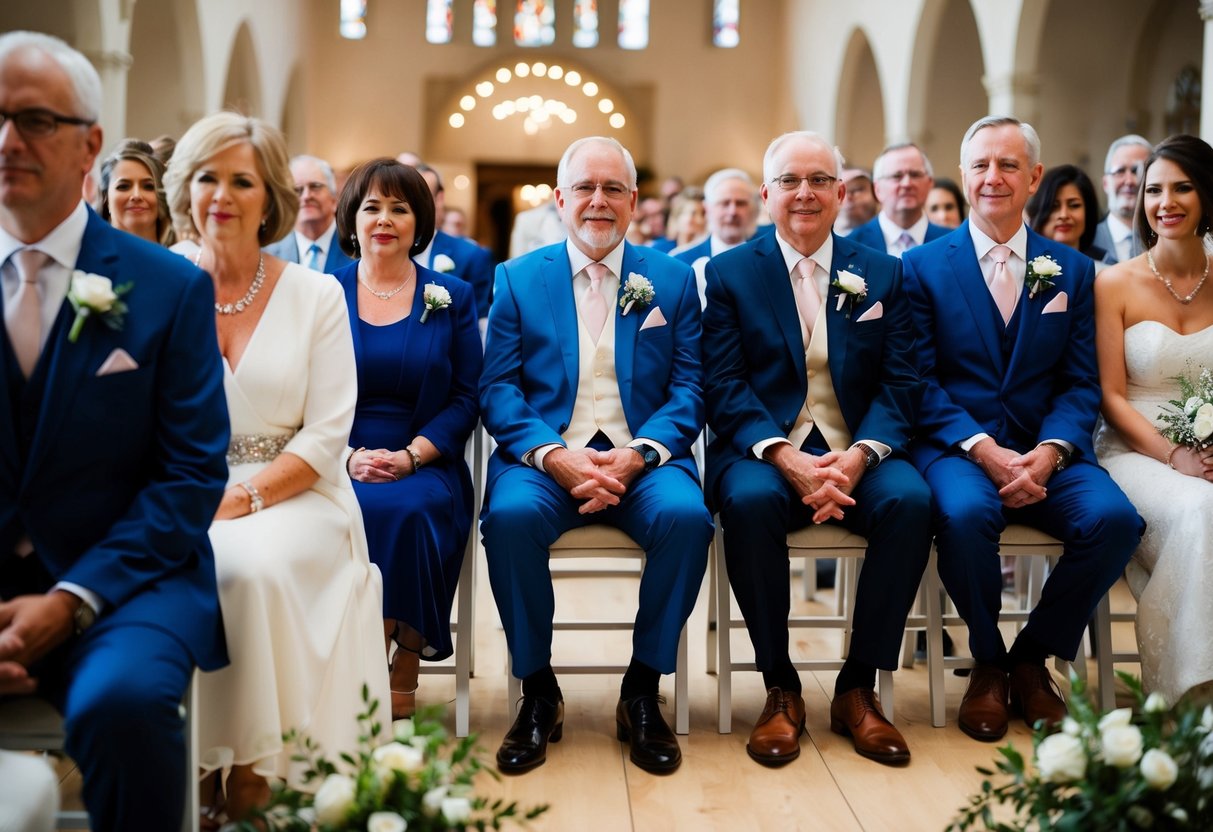
When planning your wedding ceremony, seating arrangements hold significant importance. It ensures that everyone feels comfortable and honored. This section will cover traditional seating, how to seat divorced parents, and guidance for blended families and same-sex marriages.
Traditional Seating Arrangements
In traditional weddings, the seating order is usually straightforward. The bride’s parents sit in the first row on the left, while the groom’s parents are in the first row on the right. Ushers can help guide guests to their seats, keeping everything organized.
Typically, immediate family members are given priority seating. This not only respects family roles but also creates a clear visual layout for the ceremony. Having a well-planned seating chart can make things easier for everyone involved.
Seating for Divorced Parents
Seating divorced parents can be a bit tricky. If both parents are attending, you can place them in separate rows to avoid tension. You might choose to have one parent sit behind the other.
In this case, it’s important to communicate clearly with both parents about their seating arrangements. Be open and honest about the plan to minimize discomfort. Some couples opt to assign their parents’ friends or new partners seats further back. This approach can help create a more harmonious atmosphere during your wedding ceremony.
Adapting to Blended Families and Same-Sex Marriages
Blended families often require unique seating arrangements to respect everyone involved. You might designate each family a specific side of the aisle, such as the bride’s family on one side and the groom’s on the other.
For couples in a same-sex marriage, you can tailor your seating based on personal preference. Many choose to assign sides based on which family is closer or more involved. Clear communication with both families about seating is key to ensuring that everyone knows where to go. Personal touches, like including children in the seating plan, can also help make the day feel special for your blended families.
Roles and Responsibilities During the Processional
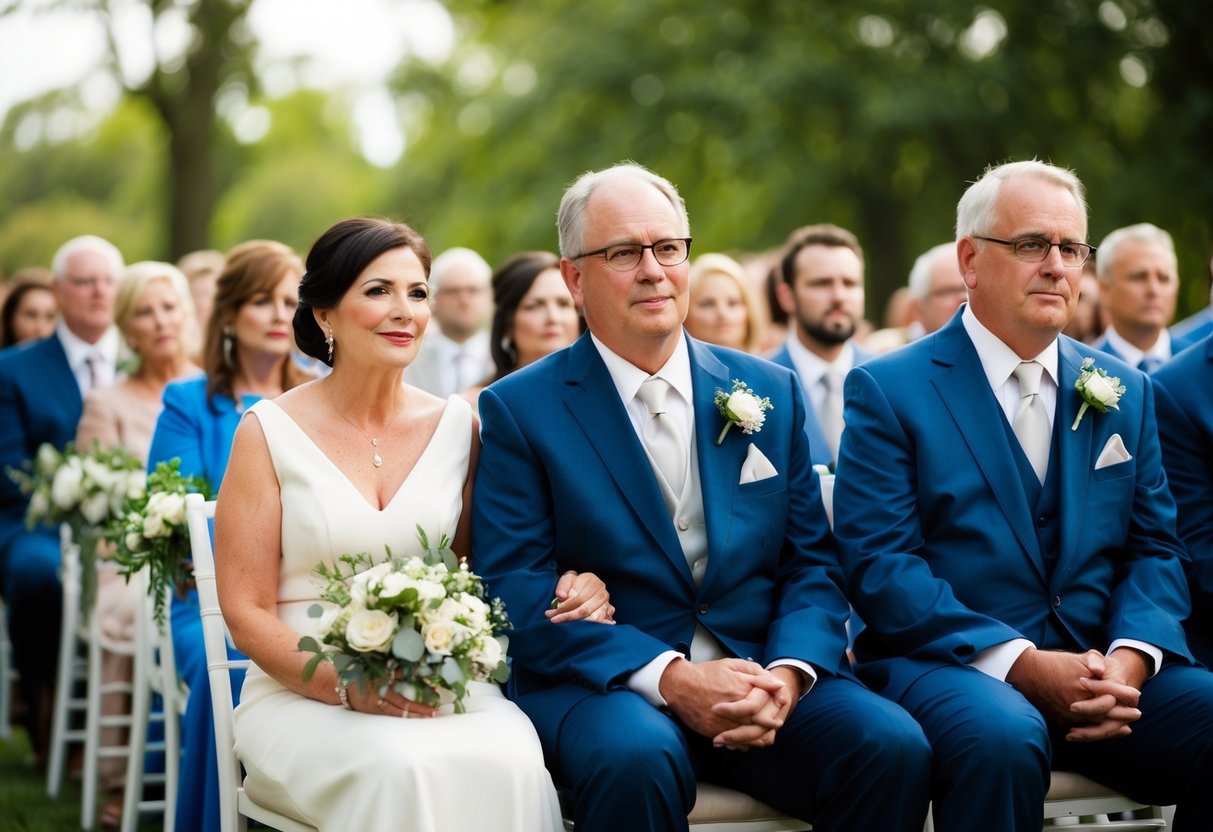
During the wedding processional, each person has a specific role that helps create a beautiful ceremony. Understanding where the groom’s parents and others in the wedding party sit and how they enter can make the day feel organized and special.
Seating the Mother of the Bride
The mother of the bride usually has a prominent role during the processional. She often walks down the aisle first, either alone or escorted by a family member.
After she reaches her seat, she typically sits in the front row on the left side of the ceremony space. This is a traditional choice, allowing her to have a clear view of the ceremony. When seated, she may greet guests, which adds to the joyful atmosphere as everyone awaits the bride’s entrance.
Position of the Mother of the Groom
The mother of the groom also has an important role during the processional. Following the mother of the bride, she usually walks down the aisle with the groom’s father. Together, they take their seats in the front row on the right side.
Her seating position allows her to support her son as he participates in the ceremony. It’s vital for her to feel involved, providing emotional support before the big moment. She may also greet guests as they arrive.
Order of Entrance for the Wedding Party
The order of entrance is crucial for a smooth processional. Here’s a common sequence to follow:
- Grandparents: Often the grandparents are seated first by ushers.
- Mother of the Bride: As mentioned, she walks in next.
- Parents of the Groom: After the bride’s mother, the groom’s parents proceed.
- Wedding Party: Following them, the bridesmaids and groomsmen enter, often paired up.
The best man and maid of honor will be among the last from the wedding party before the bride enters. This order helps establish a flow and highlights the couple during their special moment.
Reception Seating Dynamics
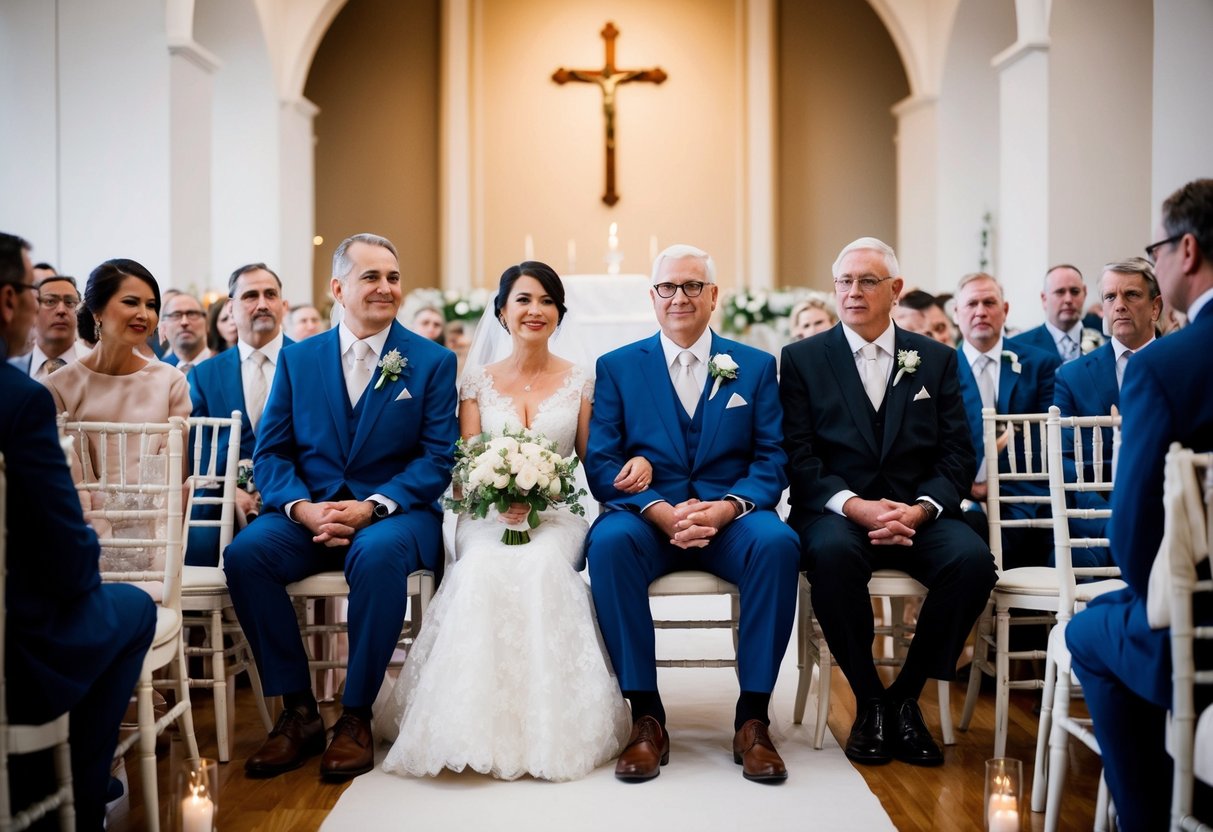
When planning your wedding reception, seating arrangements can significantly affect the atmosphere and comfort of your guests. You want to ensure that everyone feels included and happy, particularly the parents of both the bride and groom.
Navigating the Head Table Logistics
The head table is often a focal point at the wedding reception. Typically, you can choose to seat your parents with you or have them at their own table nearby.
This arrangement allows them to enjoy the celebration while feeling included in your special moments. It’s important to consider their preferences and communicate with them about seating. You might want to create a seating chart to visualize where everyone will sit.
Be mindful of including the maid of honour and best man beside you as well. This setup enhances important connections while keeping the focus on you and your spouse.
Creative Solutions for Seating Guests
Creating a seating chart can sometimes be tricky. To help with the process, consider making categories based on family relations or friendships. For instance, you could place family members at tables that encourage interaction.
You might also want to create a “singles table” for guests without partners. This can help break the ice and lead to new connections. Using color-coded cards can help everyone find their designated areas quickly and easily.
Remember to keep an eye on dynamics. Some family members may prefer to sit far apart, while others may love mixing. Finding that perfect mix can improve the overall enjoyment of the reception.
Incorporating a Kid-Friendly Approach
If your guest list includes children, plan for their seating thoughtfully. Creating a kid-friendly table is a great idea. This table can include fun activities, snacks, or even a small craft project to keep them entertained.
Seating kids together encourages social interaction and can lighten the mood for their parents. Make sure this table is close enough to the main activities so that parents can check in easily.
Including options for kids in your reception seating makes everyone feel welcome. It ensures that adults can relax, knowing their children are happily entertained during the celebration.