
Where Do the Bride and Groom Sit at Reception? A Guide to Seating Arrangements
Planning where the bride and groom sit at the reception is an important part of your wedding seating arrangement. Traditionally, the bride sits to the groom’s left. They often choose to sit at a sweetheart table or a head table with their closest friends and family. This choice sets the tone for the celebration and makes the couple the focal point during the meal.
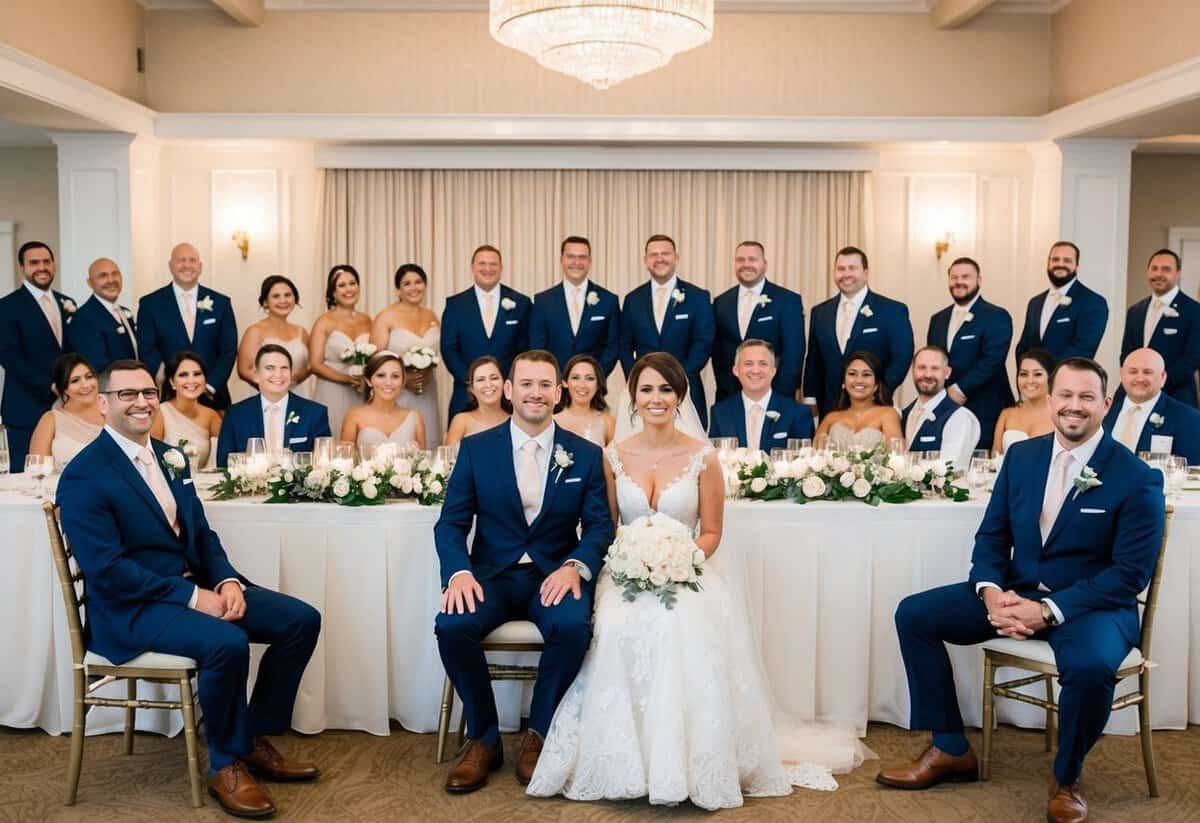
Your seating decision can also influence how guests interact throughout the night. You might want to consider placing family members nearby for comfort or grouping friends together to encourage conversation.
Whatever you decide, ensuring that you and your partner are centrally located will make your wedding reception feel more intimate and engaging.
As you finalize your seating chart, remember that this is your special day. Embrace your preferences and create a setting that reflects your style. The seating arrangement can help shape the atmosphere of the party, making it memorable for you and your guests.
Decoding the Seating Chart
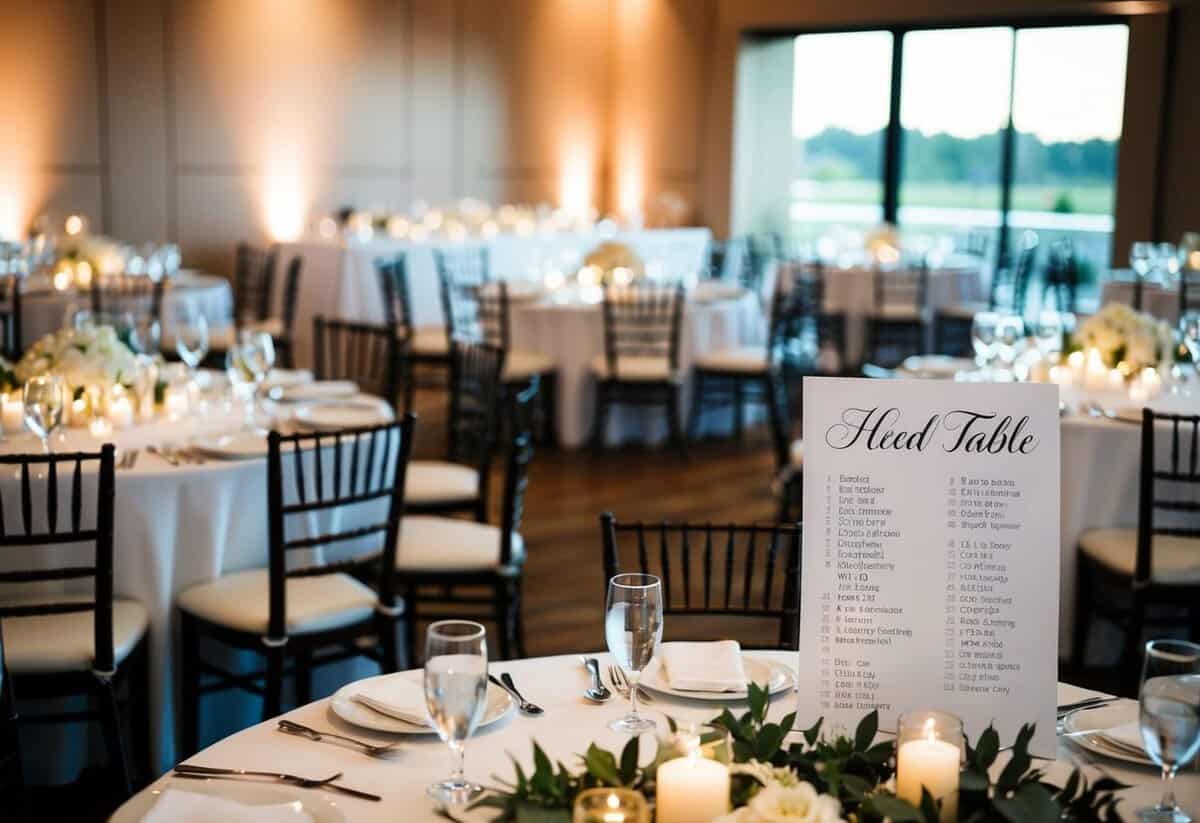
Understanding the seating chart at your wedding reception is key to creating a smooth and enjoyable experience for your guests. You will need to think about your seating arrangements, head table layout, and etiquette to make the best choices.
Basics of Seating Arrangements
Seating arrangements can set the tone for your reception. You might choose a formal layout or a casual one, depending on your style.
Common arrangements include:
- Round tables: They encourage conversation and interaction.
- Long rectangular tables: These create a more traditional, elegant feel.
- Sweetheart table: A small table for just you and your partner.
When planning, consider your guests’ comfort. You want to ensure friends and family can mingle easily. A balanced mix of personalities at each table can enhance the fun.
Head Table Layout
Traditionally, the couple sits at the head table during the reception. The layout usually has the bride and groom in the center, with their wedding party around them.
Here’s a typical head table seating guide:
- The groom sits to the bride’s left.
- The best man sits on her right.
- The maid of honor goes to the groom’s right.
This arrangement helps everyone feel included. Some couples opt for a sweetheart table instead, which allows for more intimate moments.
Seating Chart Etiquette
Creating a seating chart can be tricky, but following some guidelines can help. First, prioritize family dynamics and friendships.
Key points to remember:
- List guests alphabetically or by table for easy reference.
- Avoid seating ex-couples together to prevent awkwardness.
- Consider groupings that reflect guests’ comfort levels.
Communicate clearly about where guests should sit. Label tables with names or numbers to guide them. This thoughtful planning can lead to a pleasant atmosphere at your reception.
Special Tables at the Reception
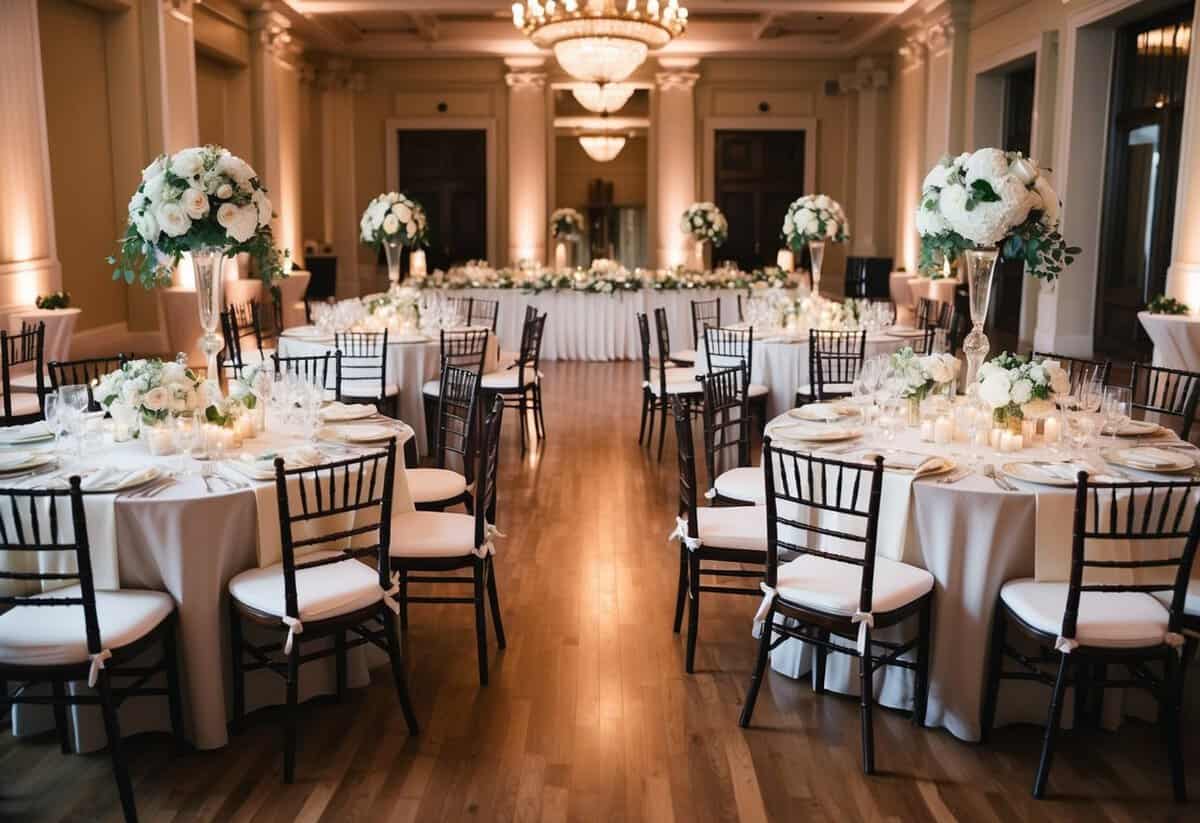
At your wedding reception, special tables create important settings for you, your family, and your closest friends. These tables help define the atmosphere and enhance the celebration. Here are some common types.
The Sweetheart Table Option
A sweetheart table is a charming choice for you and your partner. It’s a small, intimate table reserved just for the two of you.
This setup allows you to enjoy your meal together while also getting a moment away from the hustle of the reception. You can decorate it with lovely centerpieces to make it feel special.
Typically, you will sit side by side, with the bride on the groom’s left and the groom on the bride’s right. This setup enhances the romantic vibe of the evening and lets you focus on each other amidst the festivities.
Family and Honorary Guest Seating
Family tables play an essential role in your reception layout. You can set up special tables for your immediate family, like parents and grandparents.
Often, these tables are located near the head table for easy access, allowing your family to feel part of the main event. Also, consider having a table of honor for honorary guests, including your wedding officiant and other important figures.
This arrangement creates a sense of respect and appreciation for those who have played a significant role in your lives. Proper seating also helps ensure your family feels included in the celebrations.
Organizing Bridal Party Seating
When it comes to bridal party seating, you have several options. One choice is to have a separate bridal party table where your bridesmaids and groomsmen can enjoy their meal together.
This keeps the mood lively and fun, as your closest friends can share in the festivities. Another option is to mix your bridal party in with guests to encourage mingling.
Either way, make sure to seat the Best Man near you and the Maid of Honor close to your partner. This setup allows for easy access to support and helps keep the atmosphere upbeat as you celebrate your big day.
Final Touches and Guest Accommodations
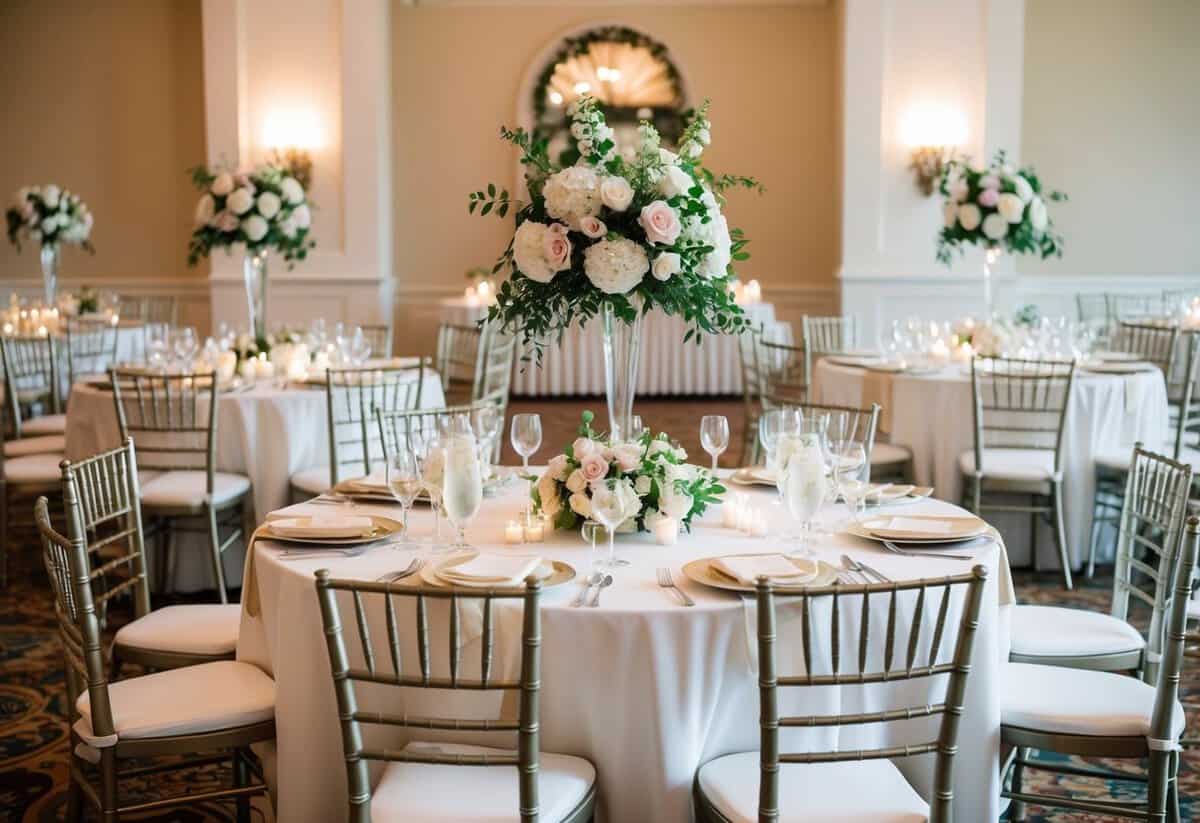
Ensuring that your guests are comfortable and can easily find their seats is crucial for a smooth wedding reception. You’ll want to consider place and escort cards, design a comprehensive floor plan, and accommodate special needs to create a welcoming atmosphere.
Using Place and Escort Cards
Place cards and escort cards serve different purposes at your reception. Place cards are assigned to specific guests at each table, while escort cards guide guests to their designated tables.
You can use elegant designs that match your wedding theme. Be sure to include clear names and table numbers. This will help everyone feel welcomed.
Consider a small display at the entrance with escort cards. This makes it easy for guests to locate their tables. It’s helpful to have someone nearby to assist if anyone has questions.
Designing a Comprehensive Floor Plan
Creating a comprehensive floor plan is key to a successful reception. Start by determining the layout of tables, the dance floor, and other important areas. Remember to place the head table prominently for the bride, groom, and bridal party.
When designing your layout, consider guest flow. Ensure there is enough space for people to move around without feeling cramped.
Using a seating chart can help guests find their way with ease. You can place this chart at the entrance to guide guests to the correct tables.
Accommodating Special Guest Needs
It’s essential to accommodate the needs of any special guests. This could include elderly family members or those with mobility issues.
Make sure to provide seating options that are easily accessible. You can also set aside tables closer to the exits for easy access.
Consider their comfort and ensure they have a clear view of important happenings, like speeches and dances.
If you have guests with dietary restrictions, make sure to inform the caterer ahead of time. Creating an inclusive atmosphere shows that you care about your guests’ comfort.