
Where Does Everyone Sit at a Wedding? Tips for Perfect Seating Arrangements
When it comes to wedding seating, it can be a bit overwhelming. You want everyone to feel included and appreciated as they gather to celebrate your special day.
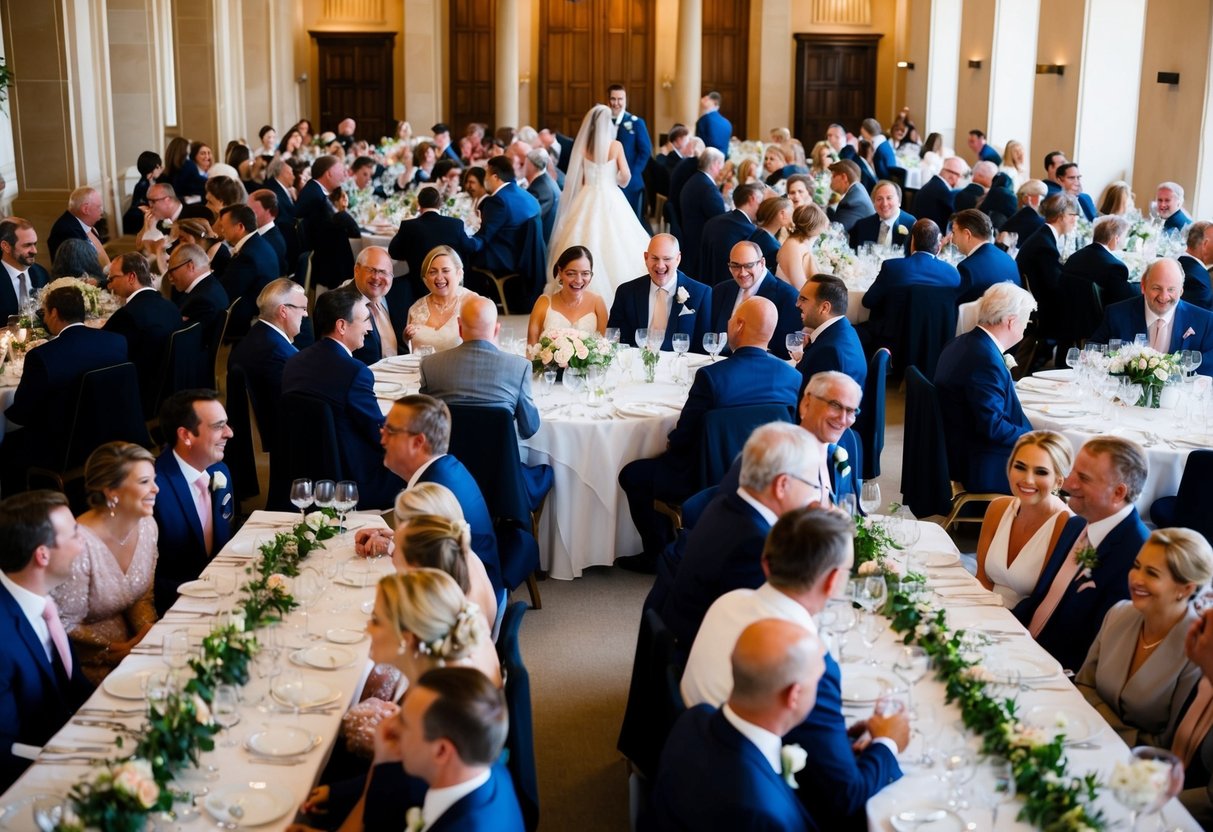
Traditional seating plans often place immediate family members up front. But, you can also create a relaxed atmosphere by allowing guests to choose their seats during the reception. Understanding where everyone sits and how to arrange seating can help avoid potential conflicts and ensure a smooth flow for your ceremony and celebration.
As you plan, consider designating specific areas for family, friends, and the wedding party. This will make it easier for guests to navigate and find their place, setting a warm and inviting tone for your wedding day.
Understanding the Basics of Wedding Seating
Getting the seating arrangement right is key for a smooth wedding ceremony. Knowing who sits where can help your big day feel organized and special for everyone involved.
Key Roles in a Wedding Ceremony
In a wedding ceremony, the seating often reflects important family dynamics and friendships.
- Bride’s Parents: Typically, they sit on the left side of the aisle.
- Groom’s Parents: They usually sit on the right.
- Wedding Party: This includes bridesmaids and groomsmen, who may stand by the couple at the front.
- Special Guests: Close family members, like grandparents and siblings, often get front-row seats for easy access.
Understanding these roles helps you plan a respectful and harmonious setting for your ceremony.
General Wedding Ceremony Seating Layout
The arrangement of seating can follow traditional patterns, but you can personalize it based on your preferences.
- First Row: Reserved for immediate family like parents and siblings.
- Second Row: Often occupied by close relatives and friends.
- Remaining Seats: Guests can fill in as they arrive, or you can assign specific seats if desired.
Consider accessibility by seating elderly guests or those with disabilities near the aisle for easy entry. Personal touches can enhance the experience while ensuring everyone knows their place during the ceremony.
Organizing Your Wedding Party and Guests
Arranging where everyone sits at your wedding is key for an enjoyable experience. You’ll want to think about your wedding party’s roles, reserved seating for special guests, and creating an effective seating chart.
The Role of Ushers and Seating Etiquette
Ushers play an important role in guiding guests to their seats. They help keep everything organized and make sure everyone feels welcomed.
As you plan, think about seating etiquette. It’s wise to seat guests with people they know. For example, friends and family can sit together.
Additionally, ensure that the wedding party is seated close to you for easy access and visibility during the ceremony. Make it clear for ushers to know who sits where.
Providing clear instructions for the ushers can help minimize confusion and enhance the overall flow of your special day.
Special Considerations for Reserved Seating
Reserved seating is essential for honoring special guests. Consider setting aside seats for family members, close friends, or anyone who has helped you with the planning.
It’s often lovely to reserve seats at the front for your parents and grandparents. They enjoy being close during the ceremony.
You may also want to reserve tables at the reception for the bridal party. This ensures everyone feels recognized and appreciated.
Be sure to label reserved seats clearly. Use signs or place cards to avoid any last-minute mix-ups.
Creating a Seating Chart and Plan
A seating chart helps distribute guests effectively. Start by creating a guest list and noting who will attend. This helps when you divide them into groups.
Once you have your RSVP numbers, think about your seating plan. You can organize guests based on their relationships or interests. For example, friends from college can sit together while family members from both sides enjoy their time.
A clear seating chart displayed at the venue helps guests find their seats easily. You can choose to share the seating arrangement in advance or keep it a surprise. Either way, an organized approach is key to a smooth seating experience.
Details of Seating for the Wedding Reception
Getting the seating right at your wedding reception is important for everyone’s enjoyment. You’ll want to carefully consider where to position the bridal party and how to arrange guest seating for the best experience.
Positioning the Bridal Party at the Reception
Typically, the bridal party sits at a designated table, often called the “head table.” This table is usually centrally located for maximum visibility, allowing guests to easily see you celebrate.
You can also consider smaller tables for each group in the bridal party. This allows for more intimate discussions among friends and family.
When arranging your bridal party, think about dynamics. Group friends and family members who get along well. Make sure to seat those who may need special attention, like elderly guests, closer to you.
Arranging Guest Seating for Optimal Engagement
To create an inviting atmosphere for guest seating, start by considering family ties and friendships. Group people who know each other, as this will foster conversation.
You can also use a seating chart to guide guests to their assigned spots. Place your chart at a visible location near the entrance.
A mix of round and rectangular tables can encourage mingling. Aim for tables with 8-10 guests for lively interaction. You may also want to leave some seats open for easy movement. This helps everyone feel connected and included throughout the evening.