
Where Does the Father of the Bride Sit? A Guide to Wedding Seating Arrangements
When it comes to a wedding, many details can create confusion, especially when it concerns seating arrangements. Traditionally, the father of the bride sits in the first row on the left side of the ceremony, directly facing the altar. This spot allows him to be close to his daughter as she walks down the aisle, providing a symbolic gesture of support and love on her special day.
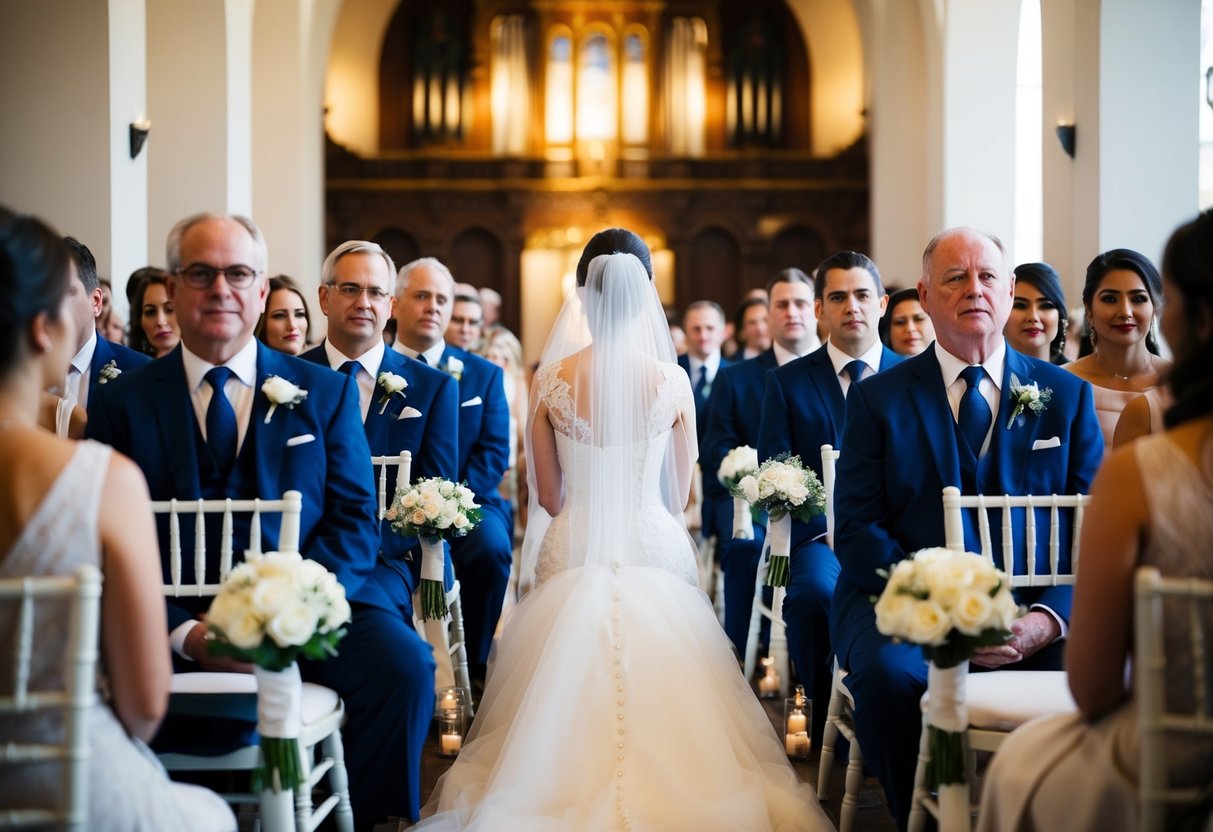
As you plan the seating, remember that these traditions can vary based on personal preferences and family dynamics. Whether you’re following long-standing customs or creating your own unique experience, understanding where the father of the bride sits can help ease some of the stress surrounding wedding planning.
Getting this detail right adds a meaningful touch to the ceremony. By knowing where the father of the bride is expected to sit, you can ensure that the day flows smoothly and everyone feels included in the celebration.
Understanding Wedding Ceremony Seating Basics
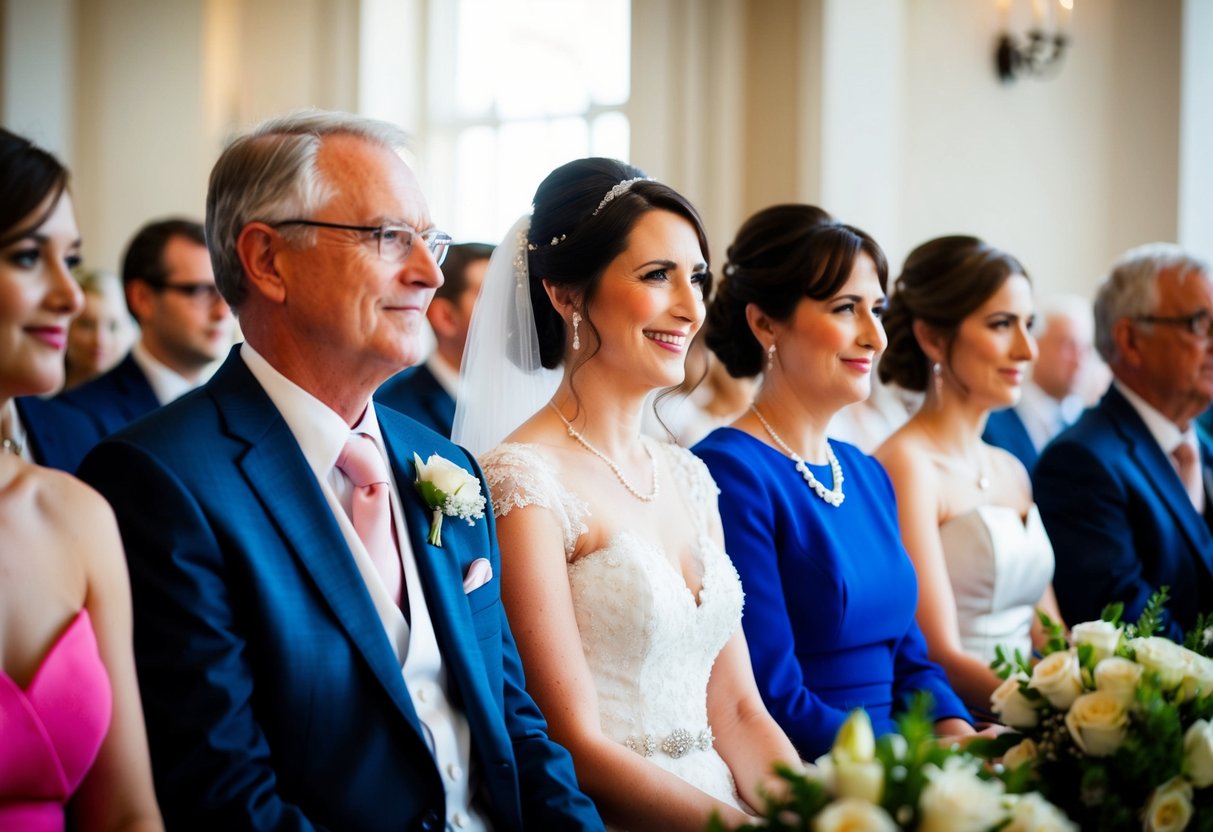
When planning your wedding, seating arrangements can be crucial for your special day. Knowing where the father of the bride and other key family members sit can help ensure everyone feels comfortable and honored.
Roles of the Father of the Bride
The father of the bride has an important role during the wedding. Traditionally, he walks his daughter down the aisle, symbolizing his support and blessing. After the processional, he usually takes a seat in the front row on the left side during the ceremony. This prominent placement highlights his role in the event and shows his connection to the bride.
In some modern weddings, the father might also have a special moment during the ceremony, such as giving a speech or toast. It’s a moment for him to share his feelings and celebrate his daughter’s new journey. This involvement adds to the emotional value of the day for everyone.
Tradition of Parents Seating
Seating arrangements in traditional weddings usually follow a set pattern. The bride’s family, including her parents, sit on the left side of the aisle, while the groom’s family occupies the right. This practice is common in many cultures and symbolizes each family’s support of the couple.
In a Christian wedding, this arrangement typically remains. It ensures that both families have a designated place, creating a sense of harmony and balance during the ceremony. The front rows are often reserved for immediate family, including grandparents, which allows them to easily view the wedding vows.
Variations in Christian Weddings
While many adhere to traditional seating, some variations exist, especially in Christian weddings. For example, in a Catholic wedding, both families may stand together at the altar, with parents often close to the couple.
Sometimes couples choose to mix seating arrangements to create a more inclusive atmosphere. This includes allowing friends or blended families to sit together regardless of traditional roles. These choices reflect the couple’s unique values and family dynamics, making their ceremony more personal and meaningful.
Seating Arrangements for Different Wedding Types
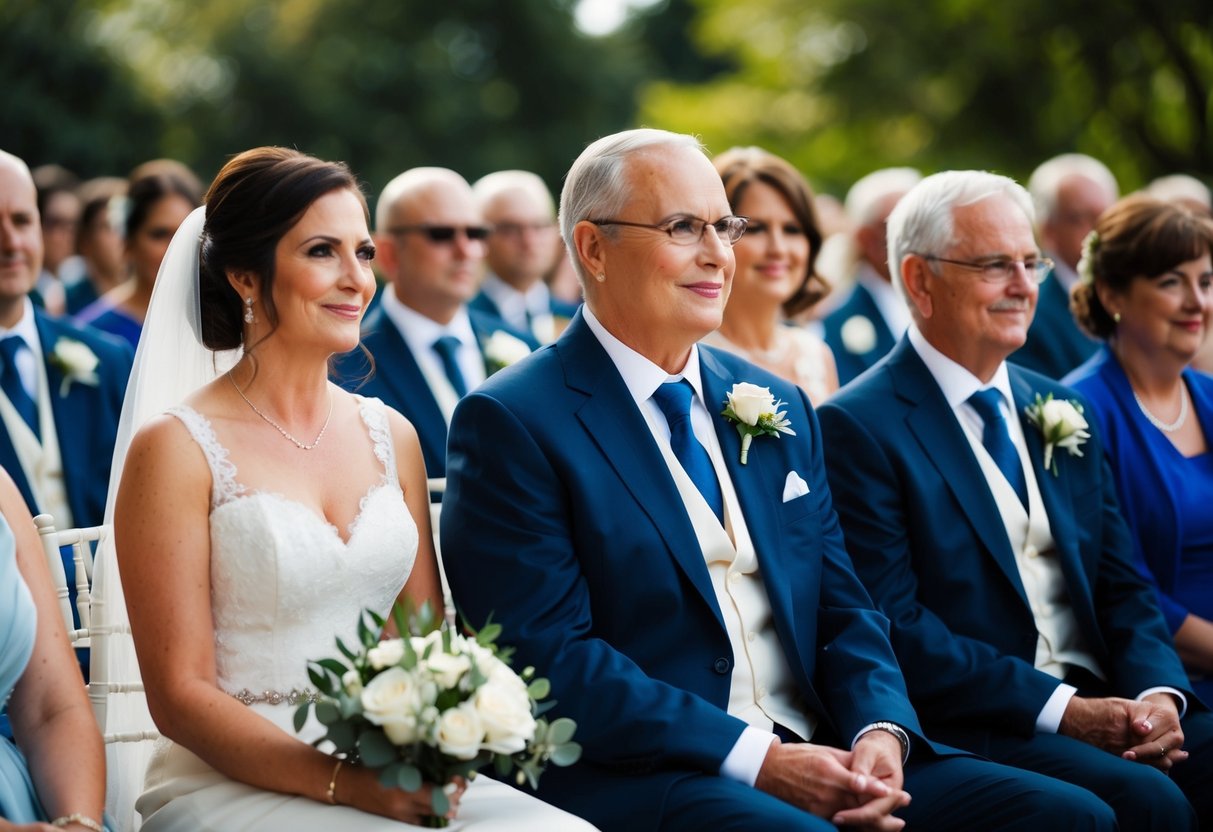
When planning seating for a wedding, it’s essential to consider the type of ceremony. Each wedding type has unique customs and considerations that can impact where the father of the bride and other family members sit. Below are specific seating arrangements for various wedding scenarios.
Conventional Seating Charts
In traditional weddings, the seating arrangement is usually straightforward. The father of the bride typically sits in the first pew or row on the left side, along with the bride’s mother.
The groom’s parents sit on the right side. This arrangement symbolizes the joining of the two families. It’s crucial to communicate this plan clearly in the seating chart so guests know where to sit.
For larger weddings, you might create a detailed seating chart that includes family members. You can use a lovely printed chart at the entrance or a digital format for easy access.
Seating for Same-Sex Couples
Same-sex weddings often have more flexibility when it comes to seating. You can choose to have guests seated according to their relationship with the couple rather than traditional family positions. This way, both fathers of the couple can share a central front-row seat.
You might enhance the ceremony by color-coding the seating or using signage. Each spouse’s family can also be seated on either side based on preference. Make sure to discuss these arrangements with your partner to reflect both families respectfully.
Managing Divorced Parents
When parents are divorced, managing seating can be tricky but necessary. It’s best to have an open conversation with both parents beforehand. Ideally, the father of the bride should sit in the front row, ideally close to the bride’s mother if they can manage it without tension.
If the relationship is strained, consider seating them at different ends of the room. This separation can help make the day more comfortable for everyone. A well-planned seating chart can help everyone understand their spots clearly, reducing tension on the big day.
Jewish Wedding Seating Norms
In Jewish weddings, seating typically follows traditional customs. The father of the bride often sits on the left side with the bride’s mother. The groom’s parents sit on the right side.
During the ceremony, it’s common for the parents to stand under the chuppah with their children. This symbolizes their support and blessing. Be mindful of these customs when creating your seating chart to honor both families’ traditions. Guests should be aware of their assigned seats to ensure a smooth flow during the ceremony.
Key Wedding Positions and Their Responsibilities
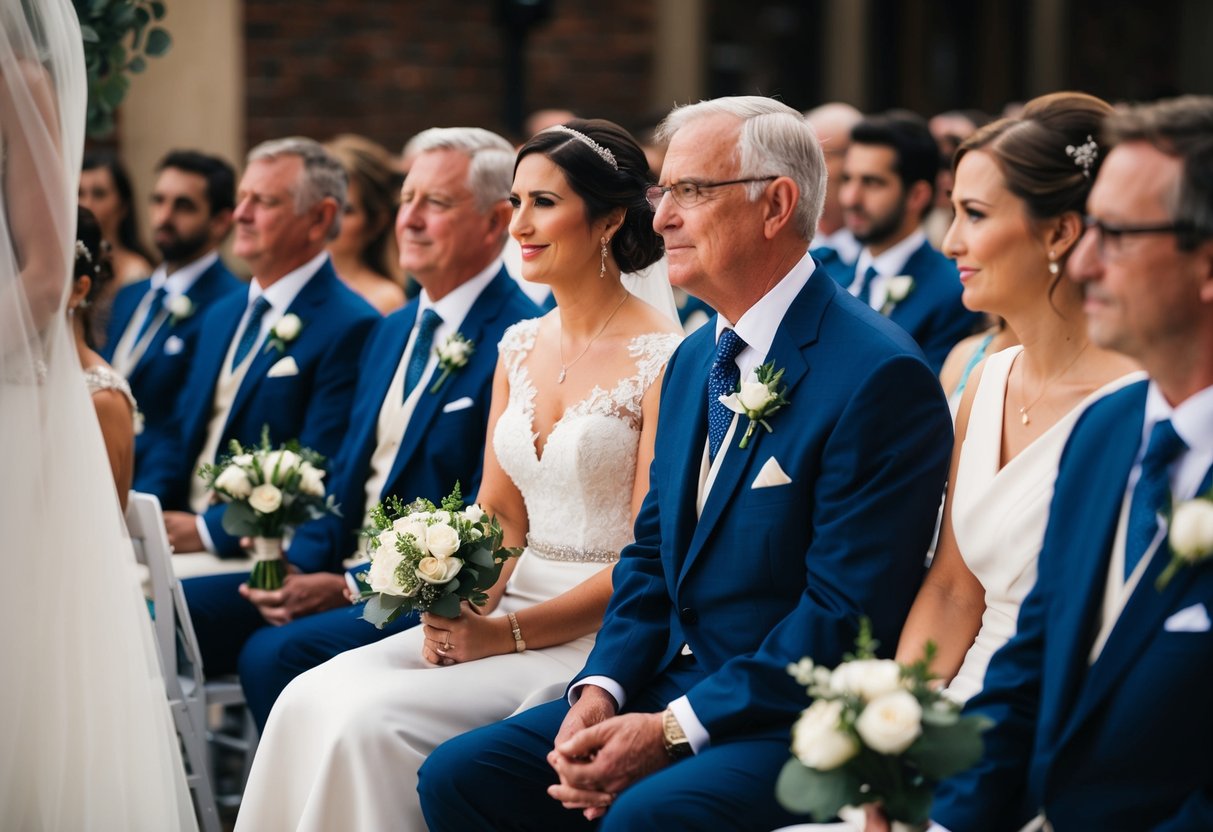
Knowing the key wedding positions and their responsibilities can help your big day run smoothly. Each role contributes to the overall experience, making sure everyone is in the right place at the right time.
Role of Ushers in Seating
Ushers play a vital role in guiding guests to their seats during the ceremony. Their main job is to ensure that family members and friends know where to sit.
Ushers typically stand at the entrance of the ceremony space. They greet guests, hand out programs, and direct them to the appropriate pews or chairs. It’s helpful if ushers are familiar with your family dynamics so they can manage any special seating requests.
In some cases, ushers might also help with seating at the reception. They can assist guests in finding their assigned tables, making everything feel more organized.
Functions of the Best Man and Maid of Honour
The best man and maid of honour are crucial support figures for you on your wedding day. They help with many tasks before, during, and after the ceremony.
The best man is responsible for holding the rings and delivering a speech at the reception. He also coordinates with the groomsmen, making sure they are ready for their roles. In addition, he might help the groom get dressed and offer any last-minute support.
The maid of honour supports the bride with various responsibilities. This includes planning the bridal shower, helping with dress fittings, and assisting with personal tasks. During the ceremony, she helps the bride with her gown, holds the bouquet, and may also give a speech.
Seating at the Head Table
The head table, sometimes called the top table, is where you and your wedding party will sit during the reception. This table is usually placed at the front of the venue to give you a clear view of the guests.
Typically, the head table includes the bride, groom, best man, maid of honour, and sometimes the parents of the couple. It’s a great way to ensure that those who are closest to you share the spotlight.
In some cases, couples choose a sweetheart table for just the two of you. This offers a more intimate setting while still allowing your guests to enjoy the festivities nearby. The seating arrangement at the head table can set the tone for the evening and create a welcoming atmosphere for everyone involved.
Navigating the Wedding Reception

The wedding reception is a special time for you, as the father of the bride, to enjoy and celebrate. Your role is important, from where you sit to the speech you give. Understanding these details helps create lasting memories for everyone involved.
The Father of the Bride’s Place at the Reception
At the wedding reception, you typically sit at a place of honor. This is often near the head table where the bride and groom are seated. The traditional seating arrangement has the bride’s family on one side and the groom’s family on the other.
You may also want to sit with close friends or family members. This arrangement helps you feel relaxed and enjoy the day. Marking your table with flowers or special decorations can make your seating area even more special.
Making a Memorable Wedding Speech
Delivering a wedding speech can be a highlight of the reception. Prepare a few heartfelt words about your daughter and her new spouse. You can share funny stories or special memories that showcase their relationship.
Aim for a mix of humor and emotion to keep guests engaged. Keep it short—around three to five minutes is ideal. Practice beforehand to feel more confident. Make eye contact with your audience, including your daughter, to create a connection. A well-delivered speech adds warmth to the celebration.
Etiquette for Giving Away the Bride
Many ceremonies cherish the tradition of giving away the bride. Your daughter’s wishes about this moment are crucial, so make sure to check with her. Some brides prefer a traditional approach, while others may want to involve both parents.
When the time comes, stand beside your daughter and escort her to the front. You can choose to say a few words or simply present her to her partner. The key is to ensure that this moment feels right for both of you. Your support will be a meaningful part of her special day.