
Where Does the Mother of the Bride Sit? Tips for a Special Seating Arrangement
When it comes to weddings, seating arrangements can feel like a puzzle. You may wonder where the mother of the bride should sit during the ceremony.
The mother of the bride typically sits in the front row on the left side, allowing for the best view of her daughter walking down the aisle. This spot holds significance as it places her close to the action and highlights her special role in the day.
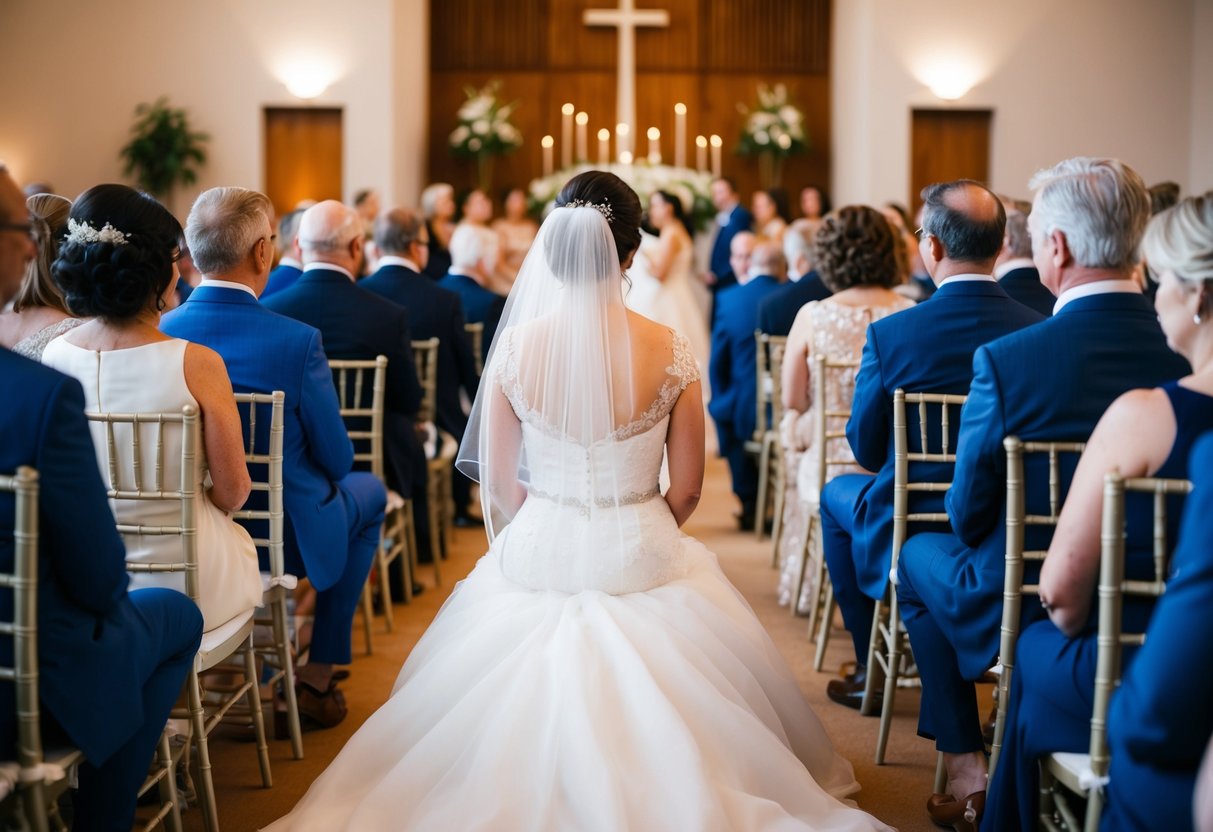
Seating can also reflect family dynamics, especially in blended families or when parents are divorced. Knowing the traditional seating arrangements can help ease tension and make everyone feel included.
As you plan, think about what will be most comfortable and meaningful for your family.
Understanding where the mother of the bride should sit sets the tone for the ceremony and honors her important role. Are you ready to explore more about this and other seating arrangements for family members at your wedding?
Understanding Wedding Ceremony Seating Basics
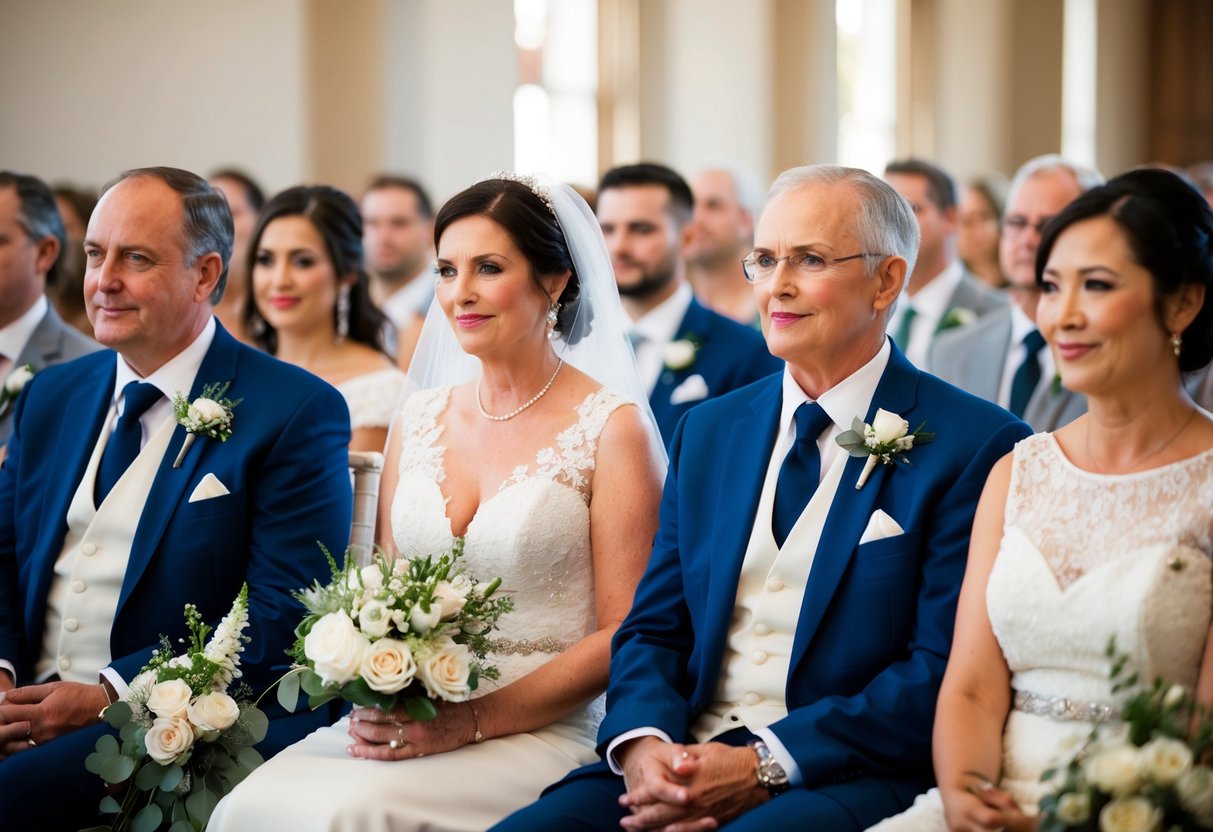
Weddings have traditional seating arrangements that help guide guests on where to sit. Understanding these basics can help you plan a comfortable and respectful ceremony for everyone involved.
Traditional Seating Arrangements
In many traditional weddings, the mother of the bride sits in the first row on the left side. This spot holds significance, marking her as a central figure in the ceremony. The parents of the groom usually sit on the right side.
If there are divorced parents, it’s essential to communicate the seating plan clearly. You might want to separate them or seat them at different ends of the same row for comfort.
Some cultures have specific practices. For example, in Jewish weddings, the seating might vary based on family traditions or religious customs. Ensuring everyone knows their place helps keep the focus on the couple.
Seating for a Modern Twist
Modern weddings often prioritize inclusivity and comfort. Many couples choose a “choose a seat, not a side” approach. This allows guests to sit wherever they feel most comfortable, regardless of their relation to the bride or groom.
If you’re planning such a ceremony, consider a mix of seating that respects all family dynamics. For example, during Orthodox Jewish weddings, understanding seating etiquette is crucial.
You could also opt for mixed arrangements, where both families sit together, symbolizing unity. This can especially help ease tension if there are blended families or divorced parents involved. Communicating these plans clearly will help everyone feel welcome and relaxed.
Planning the Reception Seating
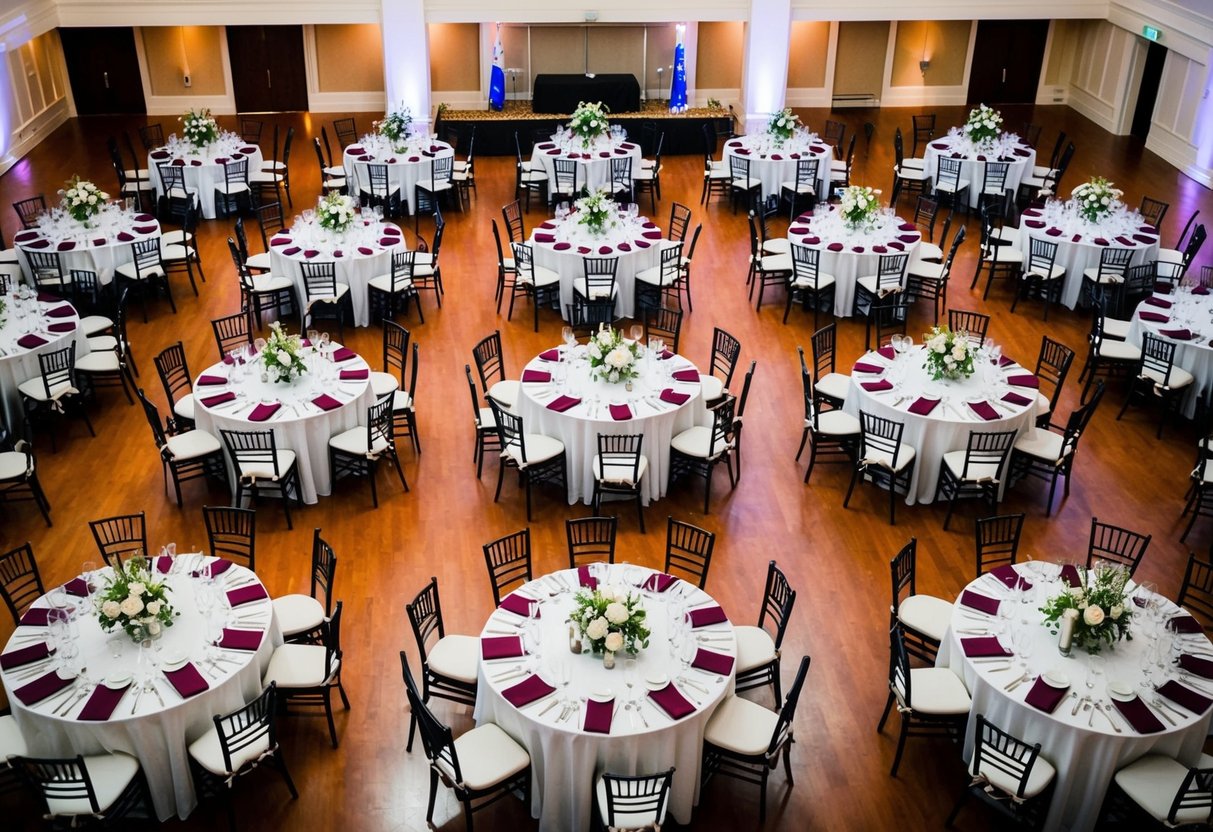
Creating the perfect seating arrangement for your wedding reception is essential. It ensures everyone feels comfortable and included while following the proper seating etiquette. Here’s how you can address the key elements involved in planning effectively.
Creating a Seating Chart
Begin by making a comprehensive seating chart. Start with your guest list and categorize attendees. Family members might have specific preferences on where to sit, especially the parents.
Consider groupings based on relationships. For example, close friends can sit together, while family can be placed at designated tables.
Be mindful of any RSVPs received, adjusting the chart as needed. If someone can’t attend, feel free to shuffle seats around.
It’s always helpful to create a visual layout. You can sketch it out or use online tools to help visualize arrangements.
The Head Table and Sweetheart Table Considerations
Decide on the table for the wedding couple. The head table typically includes the couple and their parents. This table tends to be the center of attention and should be placed where everyone can see.
Alternatively, you might opt for a sweetheart table, just for the couple. This creates an intimate setting, allowing you to focus on each other during the meal.
Both options have pros and cons. The head table has the advantage of family inclusion, while the sweetheart table offers privacy. Whichever you choose, remember to keep it comfortable and aligned with your vision.
Special Seating for the Mother of the Bride
When it comes to seating, the mother of the bride holds a special place. She is often seated at the top table with the wedding couple. This spot is usually reserved for immediate family.
In many weddings, the seating etiquette places her right next to the bride. This arrangement honors her role and importance on this special day.
Here are some common seating arrangements for the mother of the bride:
- Top Table: She sits at the top table alongside the bride, groom, and their parents. This arrangement highlights her significance.
- Front Row: During the ceremony, she typically sits in the front row on the left. This allows her to be close to her daughter.
- Friends’ Table: Sometimes, she may prefer to sit with her friends at a separate table. This is perfectly fine if it suits her style.
As you plan your wedding, consider what makes your mother feel special. Discuss seating options with her to ensure she’s comfortable.
Remember, the goal is to create a warm atmosphere where everyone feels included. Good seating choices can help achieve that.
Finalizing Seating Assignments
Finalizing seating assignments is an important step in the wedding planning process. It ensures that guests are comfortable and helps create a pleasant atmosphere for everyone. Proper coordination and clear communication make this task easier.
Coordinating with Wedding Planners
Working closely with your wedding planner can simplify seating arrangements. They can assist you in creating a detailed seating chart that considers relationships and dynamics among your guests.
Make a list of your guests and their RSVPs. This helps to identify who will be attending. Specify any seating preferences for the mother of the bride and other key family members. Share this information with your planner.
Your planner might suggest a seating layout that will enhance the flow of your reception. They can also help you visualize the setup, ensuring everyone feels included.
Communicating Seating to Guests
Once you finalize your seating assignments, you need to communicate them clearly to your guests. Consider creating a seating chart or place cards at each table.
Make sure to share your seating plan through your wedding website or invitation, if possible. This gives guests a heads-up on where they’ll be sitting. You can also inform key individuals, like the mother of the bride, about her designated seat ahead of time.
On the day of the wedding, have ushers available to guide guests. They can help everyone find their seats easily, ensuring a smooth start to your celebration.