
Where Does the Word Bridal Come From? Exploring Its Etymology and History
When you think about weddings, the word “bridal” often comes to mind. The term “bridal” comes from the Old English word “bryd,” meaning “bride,” and “ealo,” which means “ale,” originally referring to a wedding feast. This connection to early wedding traditions shows how celebrations have evolved over the centuries.
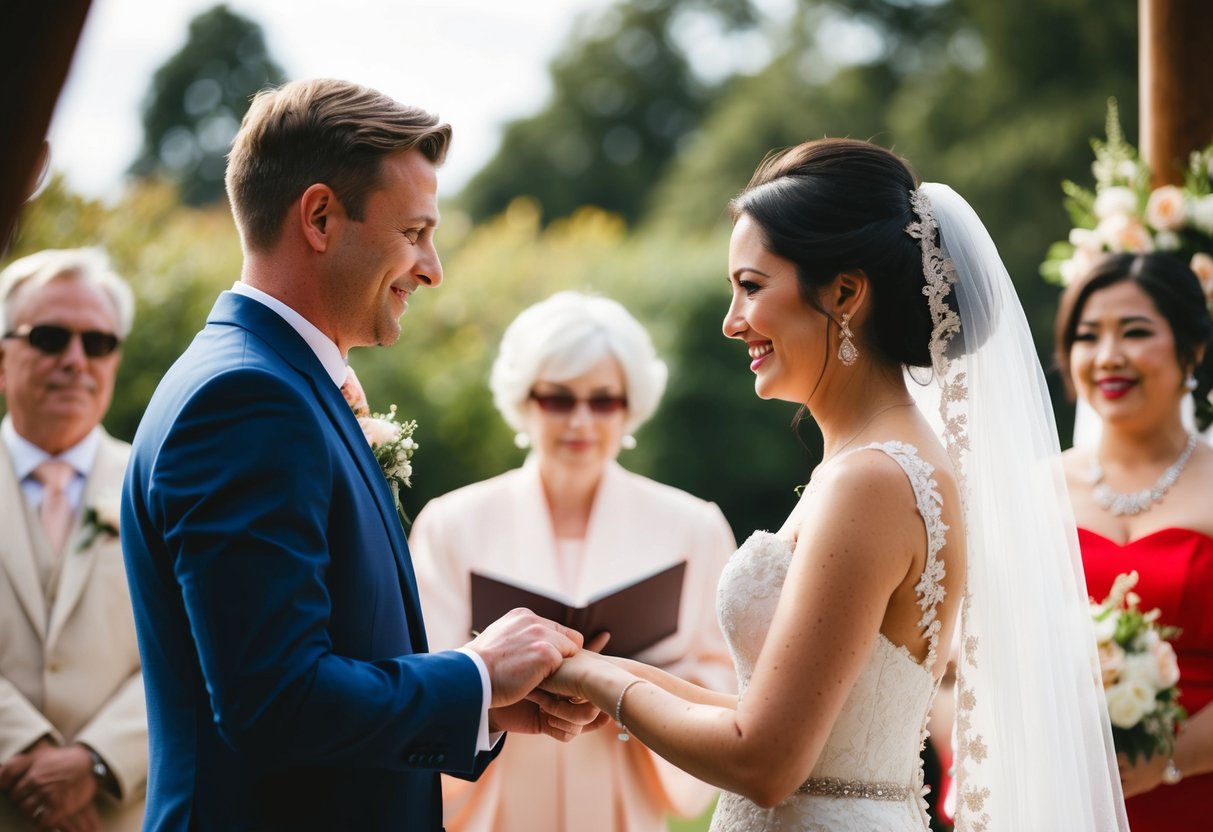
Understanding where the word “bridal” comes from can enrich your knowledge of wedding customs. From ancient celebrations to modern ceremonies, the term reflects the joyful spirit of uniting two people in love.
Exploring its roots can make your planning feel even more special, knowing the history behind the words you use.
As you dive into this topic, you’ll discover more about how “bridal” has shaped the way we celebrate love today. Uncover the significance of this term and how it connects us to our past traditions, making your own wedding story even more meaningful.
Etymology of Bridal
The word “bridal” has interesting roots that trace back to Old English and Germanic languages. Understanding where it comes from can give you a deeper appreciation for its meaning today.
Roots in Old English
The term “bridal” is linked to the Old English word “bryd,” meaning “bride.” This word refers to a woman who is getting married or has recently been married. The Old English word “bryd” evolved into “bride” in modern language.
Additionally, “bridal” is related to “brydealo,” an Old English term for a “wedding feast.” Here, “ealo” means “ale,” suggesting a social gathering focused on celebrating marriage with drinks and joy. This combination reflects customs surrounding weddings in early medieval England.
Influence of Germanic Languages
The influence of Germanic languages also shapes the word “bridal.” In Old Frisian, the word “breid” means “bride,” and in Dutch, “bruid” carries the same meaning. Similarly, the German word “braut” translates to “bride.”
These similarities across languages highlight a shared cultural focus on marriage. This linguistic connection shows how the concept of a bride has been significant in various societies. Understanding these roots helps you appreciate the traditions and celebrations tied to weddings today.
Bridal Traditions and Customs
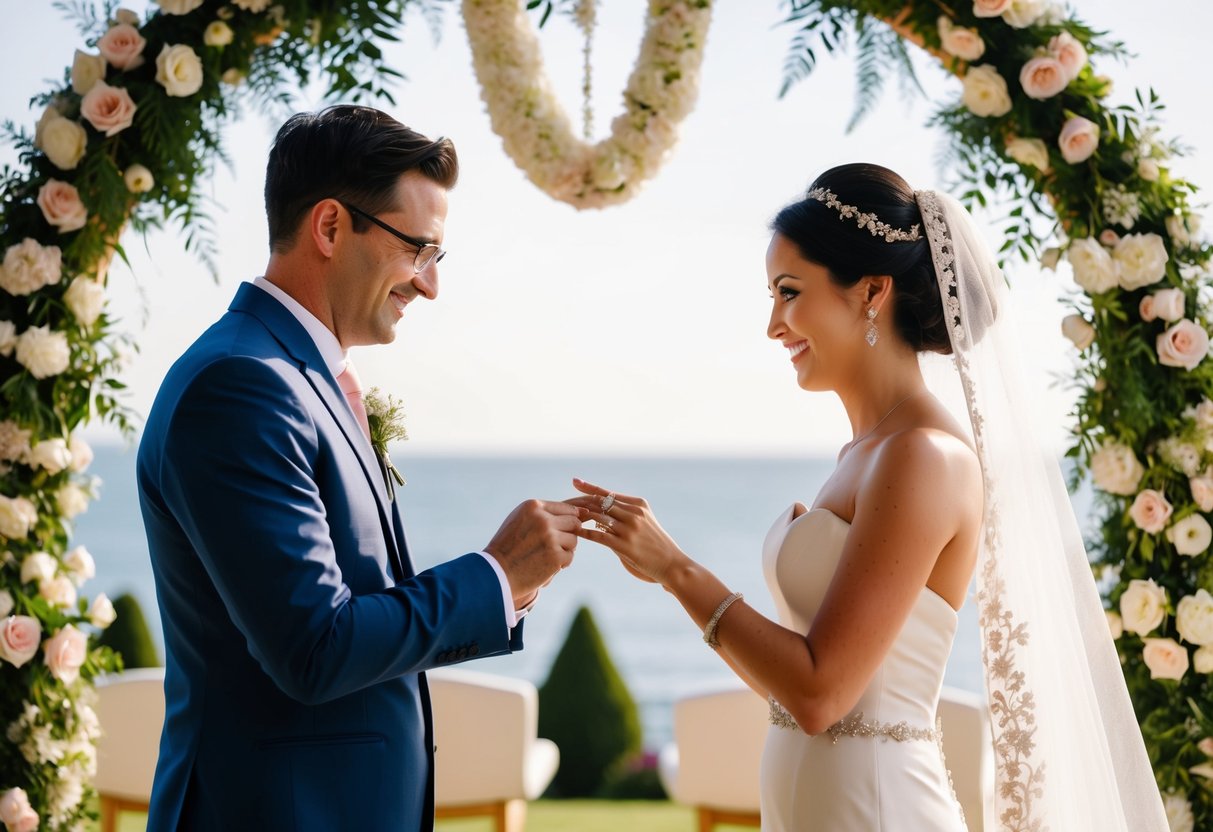
Bridal traditions and customs have evolved over time, adding rich meaning to weddings today. These practices create lasting memories for couples and their families during this special celebration.
Historical Wedding Customs
Throughout history, weddings have included unique customs that symbolize love and commitment. In ancient Rome, the bride wore a veil to ward off evil spirits. This practice has influenced modern bridal attire.
Another historical custom involves a wedding feast. Families would gather to celebrate the union, sharing food, drink, and joy with the newlyweds. This gathering often included special toasts and dances to honor the couple.
In many cultures, certain rituals, like the exchange of rings or flowers, were meant to bring good fortune to the bridegroom and bride. Such traditions are still cherished, connecting the past with today’s celebrations.
Modern Bridal Celebrations
Today’s bridal celebrations blend old and new customs, creating a unique experience for each couple. You might choose a wedding ceremony that reflects your personality, incorporating traditional elements or personal touches.
The planning process often includes activities like bridal showers and bachelorette parties. These gatherings give friends and family a chance to bond and celebrate together.
Wedding festivities may also encompass themed decorations, music, and even food choices that reflect your culture or interests. This personalization makes your big day truly special and memorable, allowing you to create a celebration filled with love and joy.
Bridal Fashion and Attire
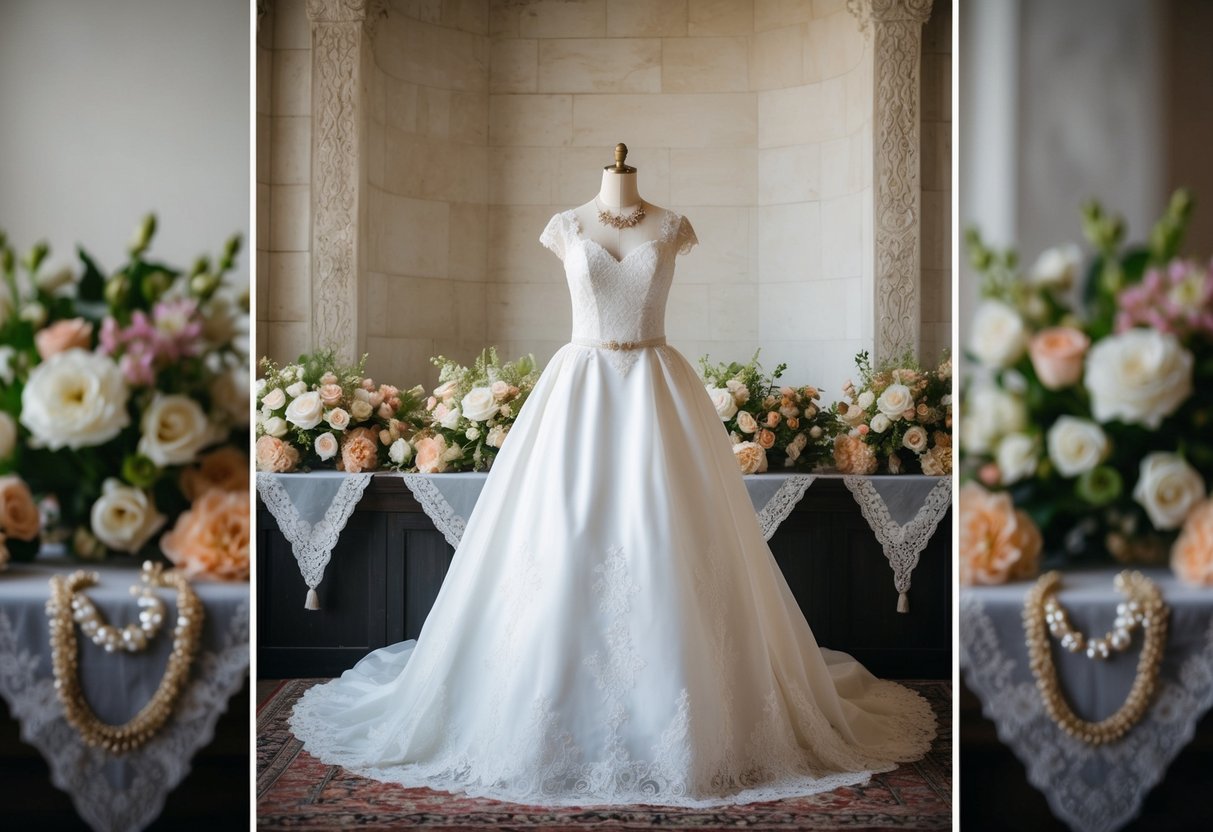
Bridal fashion is all about celebrating the unique style of the bride on her special day. It includes the history and evolution of bridal gowns as well as how to choose the perfect wedding dress that reflects personal taste and tradition.
The Evolution of the Bridal Gown
Bridal gowns have transformed significantly over the years. In early history, brides wore their best dresses, often in various colors. As traditions developed, white became the preferred color, especially after Queen Victoria wore a white gown for her wedding in 1840.
The styles have changed with each era. The Victorian period saw long trains and lace, while the 1920s introduced simpler lines and more movement. Today, you’ll find a mix of vintage and modern designs, allowing you to choose something that matches both your style and the theme of your wedding.
Selection of the Wedding Dress
Choosing your wedding dress is an exciting journey! Start by considering styles that reflect your personality. Whether you adore classic A-line gowns or trendy mermaid styles, there’s something for everyone.
Don’t forget the details! Flowers can complement your dress beautifully, so think about how they coordinate. Visiting bridal magazines can spark inspiration and help you see various designs.
Remember to consider comfort and fit, as you want to feel just as great as you look. Take your time to explore and enjoy the process, making this experience memorable and fun!
Symbolism and Meanings
The term “bridal” carries rich symbolism and meanings that encompass love, celebration, and unity. It connects to traditions that have evolved over time, often reflecting the joyous aspects of marriage and partnerships.
Symbols of Love and Unity
The root of the word “bridal” is tied to strong emotions like love and joy. When you hear “bridal,” think of the deep bond between two people in love. This bond is celebrated through events like weddings, where the bride showcases her commitment.
In many cultures, the bride represents not only a love story but also a connection to her family. Terms like bride ale come from old practices where ale was served at weddings, symbolizing a celebration of joining families and their households.
Religious and Cultural Significance
Bridal traditions often have significant religious and cultural meanings. Many societies view weddings as sacred events. Some even refer to the church as the “bride of Christ,” emphasizing a holy union.
In various cultures, a newly married woman is seen as a key figure in household formation. She often takes on a new role, balancing both family ties and community connections.
Celebrations include various customs that reflect local beliefs and values, making the word “bridal” resonate with magic and romance. From joy-filled ceremonies to traditions celebrating daughters-in-law, the bridal concept enriches human relationships.