
Where Should Bride and Groom Sit at Reception? Tips for the Perfect Seating Arrangement
Choosing where you and your partner should sit at your wedding reception is an important decision that can affect the flow of your big day. Generally, the bride and groom sit at a head table or a sweetheart table. This allows you to enjoy the celebration together while being the focus of the event. This seating arrangement not only highlights your special status but also makes it easier for guests to interact with you throughout the evening.
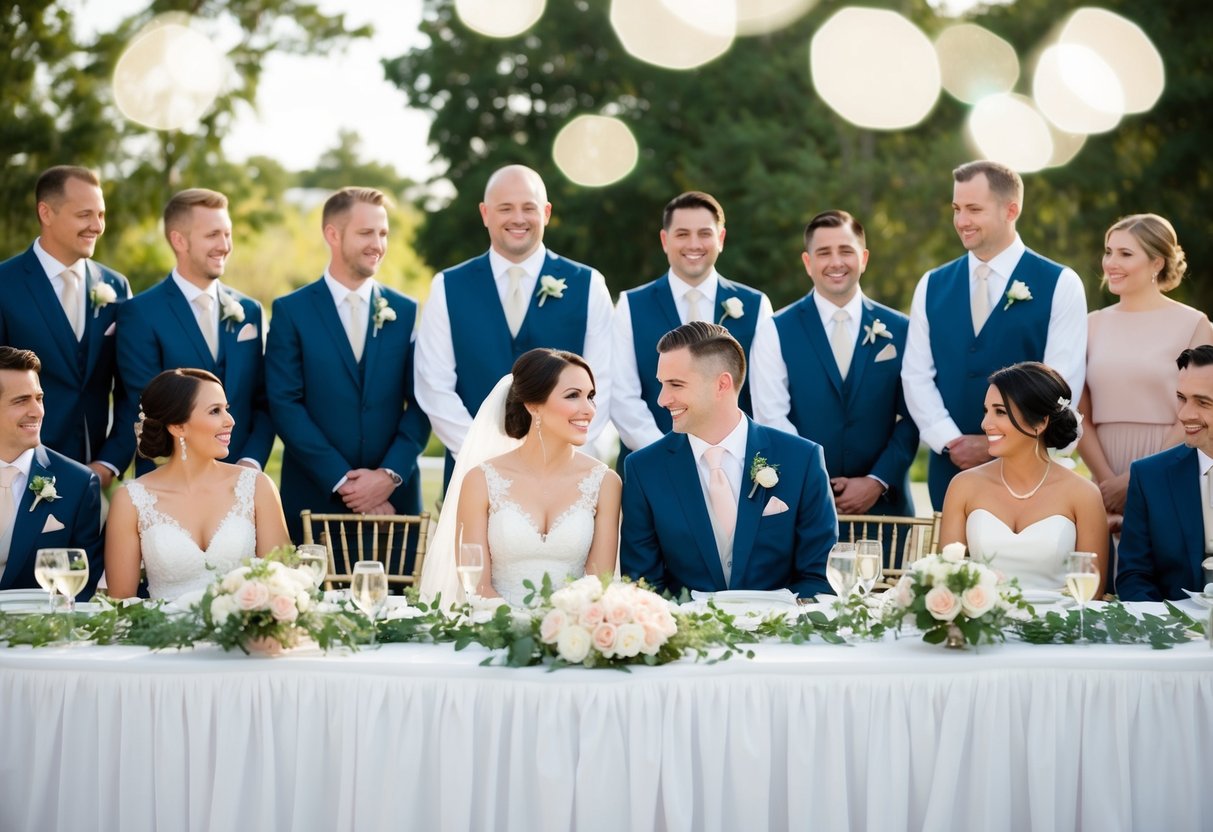
In addition to your main seat, consider including your bridal party or close family at the head table. This helps to create a warm atmosphere and ensures that your closest supporters are nearby to share in the joy.
As you plan your wedding reception, think about the size and layout of the tables to ensure that you have a comfortable spot to celebrate your love with family and friends.
Effective wedding planning includes a thoughtful seating arrangement that reflects your style and enhances the overall experience. By considering where you and your partner will sit, you set the tone for your reception and cultivate a welcoming environment for everyone involved.
Establishing the Reception Seating Layout
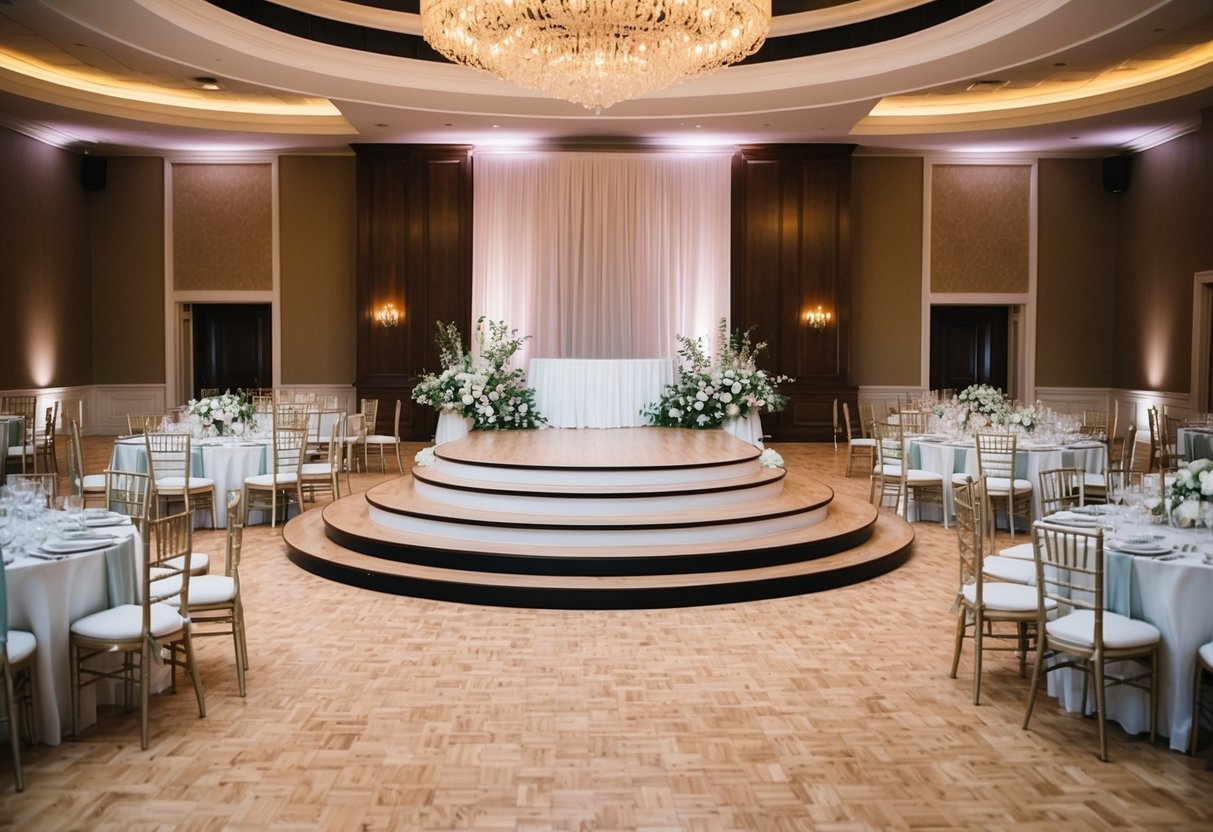
Creating an effective seating layout for your reception is key to ensuring everyone has a great time. You will need to decide whether to use seating charts or place cards, and it’s important to follow some basic etiquette to keep things organized.
Choosing Between Seating Charts or Place Cards
When deciding between a seating chart and place cards, consider the feel you want for your reception. A seating chart provides a clear overview of where guests will sit, usually displayed at the entrance. It can help everyone find their designated table without confusion.
On the other hand, place cards are individual cards that sit at each table setting, telling guests precisely where to sit. This option allows for a more personalized touch but can take longer to set up.
Think about your guest list and the dynamics between attendees. A seating chart might work better for larger groups, while place cards can add charm for smaller weddings. Choose what fits your style and keeps things flowing smoothly!
Understanding Seating Chart Etiquette
Following proper seating chart etiquette can make a big difference in your reception. First, group guests by familiarity or relationship. Put family members together and consider seating friends who get along well.
Next, be mindful of any special needs. For instance, consider elderly guests or those with disabilities when assigning seats. Make sure their tables are close to the dance floor or reception area for comfort.
Finally, label tables clearly. A list of seating assignments at the entrance can guide guests. If using escort cards, place them in alphabetical order to help guests find their names easily. This organization enhances your reception experience for everyone.
Designing the Head Table

When planning your wedding reception, designing the head table is a key step. This table should reflect the day’s joy and celebrate you and your partner’s love. Here are two common options to consider for seating arrangements.
Traditional Head Table Seating
In a traditional wedding, the head table is a focal point. You and your partner sit in the center, typically with you to the right of your spouse. This arrangement allows both of you to have a clear view of your guests.
Your bridal party, including the maid of honor and the best man, usually sits nearby. They might be arranged on alternate sides to create balance. This setup fosters a sense of unity among you and your closest friends, enhancing the celebratory mood. The goal is to feel connected yet also visible and accessible to your guests.
Alternatives to the Conventional Head Table
If you’re looking for something different, consider alternatives to the traditional setup. One popular choice is the sweetheart table. This is a smaller, more intimate table meant just for you and your partner. It lets you focus on each other during the reception while still being a part of the celebration.
Another option is a “table of honor,” which can include immediate family or special guests alongside you. This can help make loved ones feel included in your special moment. Whichever option you choose, make sure it fits your style and enhances the overall vibe of your wedding day.
Arranging Guest Tables

Seating your guests correctly can create a warm atmosphere and keep relationships flowing during the wedding reception. Thoughtful arrangements can enhance connections among friends and family. Here are some key ways to manage guest seating effectively.
Seating Familial Groups Together
Start by grouping your family together. This encourages conversation and creates a sense of belonging. Place the parents of the bride and groom at the family table, which can be centrally located for easy access.
Consider how you want to arrange other familial ties. For example, you might sit siblings and childhood friends together. This fosters stronger bonds and shared memories.
It’s also helpful to draw up a list of those invited so you can balance the tables with different family dynamics.
Ensure to account for RSVPs. Knowing who will attend helps in deciding if you need extra tables. If space allows, consider adding tables for extended family to encourage interaction while avoiding crowding.
Managing Singles and Plus-Ones
When dealing with singles and plus-ones, aim for an inclusive atmosphere. You can create a singles table with a mix of friends or acquaintances to avoid anyone feeling isolated. This encourages new friendships and a fun vibe.
For guests with plus-ones, place them at tables where they can bond with others. This fosters new connections and keeps everyone feeling included.
Be mindful of personalities too; pairing outgoing guests with quieter ones can keep the table lively.
A tip is to ask friends for advice on arranging singles. They might have insights into who might enjoy sitting together. By paying attention to these details, you can ensure that all guests, including singles, have a memorable experience.
Special Considerations for VIPs and Hosted Tables

When planning your wedding reception seating, it’s important to think about how to honor your VIP guests and make them feel special. Reserving seats for important people, such as family or close friends, helps create a warm atmosphere. It also makes sure everyone knows their place and feels included.
Reserving Seats for VIP Guests
To make your VIP guests feel appreciated, set aside specific seats for them. These might include your closest family members, best friends, or anyone who plays a key role in your life.
When making your wedding reception seating chart, consider the following:
- Immediate Family: Place parents and siblings near the head table.
- Close Friends: Consider a table for your wedding party for a fun, supportive vibe.
- Elderly Guests: Reserve easy-access spots for grandparents or guests with mobility issues.
This thoughtful arrangement shows respect for the important people in your life and enhances their experience at your celebration.
Honoring the Parents of the Bride and Groom
Your parents play a major role in your wedding day. Make sure they feel honored through thoughtful seating arrangements.
Traditionally, the bride’s parents sit closest to the head table, with the groom’s parents nearby.
You might create a special table just for them or seat them at the main table. Here are some points to remember:
- Head Table Seating: The bride often sits to the groom’s left, while parents sit next to the couple.
- Acknowledgment: Consider toasts or special mentions to honor them during the reception.
This shows appreciation for their support and love, making the day even more memorable for everyone involved.