
Where Should Guests Sit at a Wedding? Tips for Creating the Perfect Seating Arrangement
Deciding where your guests should sit at your wedding can feel overwhelming, but it doesn’t have to be. The best approach is to consider the relationships between your guests and arrange them in a way that encourages conversation and comfort.
By taking a thoughtful look at who will be attending, you can create a seating chart that makes everyone feel included and happy.
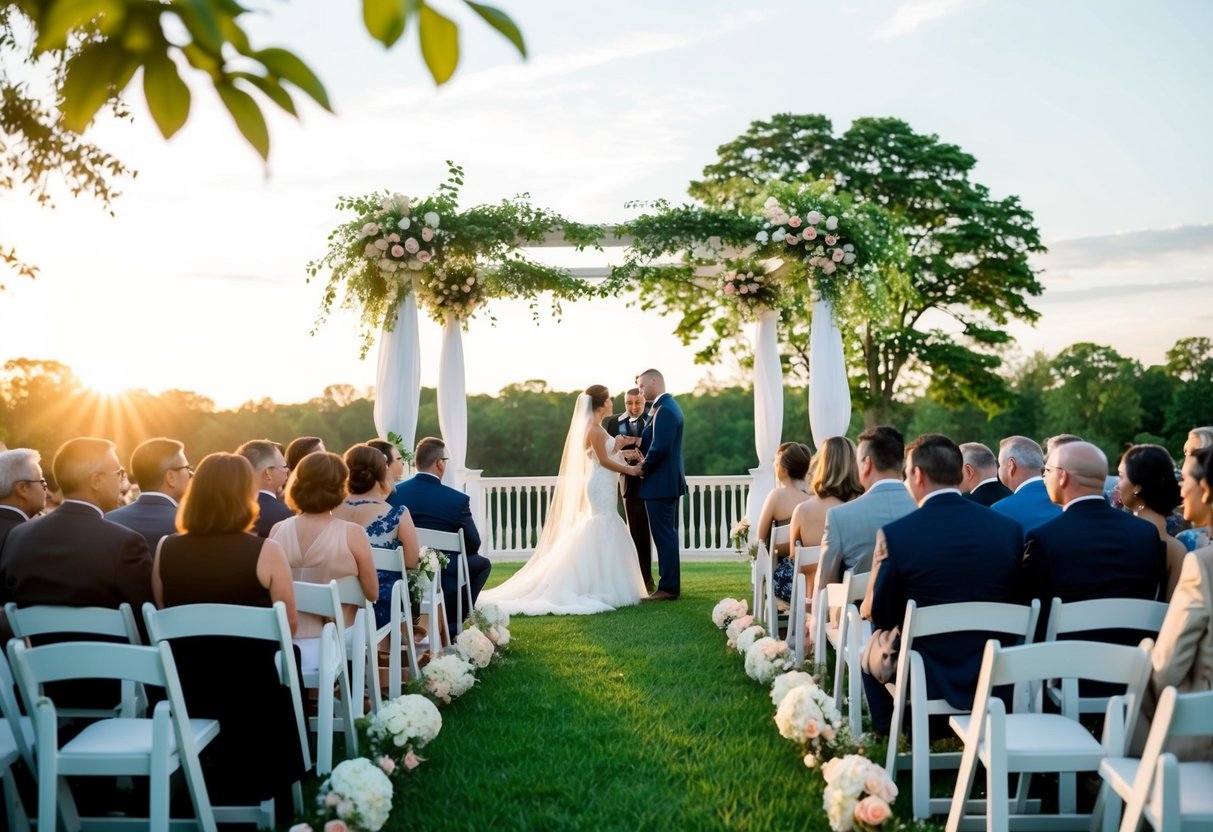
Think about placing close family members and friends near the front, while keeping more distant relatives or acquaintances toward the back. This arrangement allows your VIPs to feel special during the ceremony and at the reception.
Personal touches, like pairing guests who share interests or work together, can make the event even more enjoyable for everyone.
As you plan your seating, remember that your goal is to create a warm and welcoming atmosphere. Knowing where to place each guest can help avoid awkward situations and set the tone for a joyful celebration.
Whether you choose assigned seating or a more relaxed approach, thoughtful planning will make a significant difference on your big day.
Understanding Seating Arrangements

Creating a seating arrangement is essential for a smooth and enjoyable wedding experience. It helps your guests find their places easily and ensures a comfortable atmosphere for everyone.
Importance of a Seating Chart
A seating chart guides your guests to their assigned seats at the reception. This is important because it reduces confusion and helps create a welcoming environment.
When you create the chart, consider your guests’ relationships. Place close family and friends near the front tables. You might want to seat those who know each other together. This encourages conversation and makes everyone feel more at ease.
The chart can also help you organize table shapes and sizes effectively. Round tables are great for conversation, while rectangular tables can fit more guests. A well-thought-out seating chart can enhance the flow of the event and help everyone enjoy their time.
Layout Considerations and Floor Plan
Your floor plan should make the most of your venue’s space. Start by measuring the area and noting any obstacles, like pillars or doorways.
Decide on the shape of your tables. Round tables create an intimate setting, while long tables can foster a communal feel. Think about grouping tables to encourage mingling.
Consider the placement of key areas, like the dance floor, buffet, and bar. Guests should have easy access to these spots. Ensure there is enough space for servers to move around during dinner service.
Lastly, keep in mind any special needs. Seat elderly or disabled guests closer to exits and restrooms for convenience. Taking these steps will help keep your guests happy and engaged during the celebration.
Organizing Your Guests
Getting your guests seated at your wedding can feel like a big task, but it’s all about planning. By considering family ties and friend groups, you can create a comfortable and enjoyable environment for everyone.
Assigning Seats for Family and Extended Family
Start by making a list of your immediate family and extended family. This will help you visualize where each person should sit.
Consider who gets along well and who might need a little distance, especially if there are divorced parents.
For close relatives like parents and siblings, reserve tables near the front. Extended family members can be seated a bit farther back but should still be included in the best spots.
It’s also a kind gesture to check with them about any specific seating preferences.
When you create the seating chart, think about RSVPs as well. Knowing who is definitely coming lets you finalize your seating assignments effectively.
Accommodating Friends and Other Guests
When it comes to friends, you’ll want to group them by their connections. This makes the experience lively and enjoyable for everyone.
Place best friends together, and think about any shared interests or backgrounds they may have.
It’s helpful to create a table for casual friends and co-workers who might not know many people at your wedding. Consider adding some fun touches, like a game or photo booth, to encourage mingling.
Pay attention to those who may need special accommodations, such as guests with disabilities or dietary restrictions. Make sure their seating provides access and comfort.
Special Seating Considerations
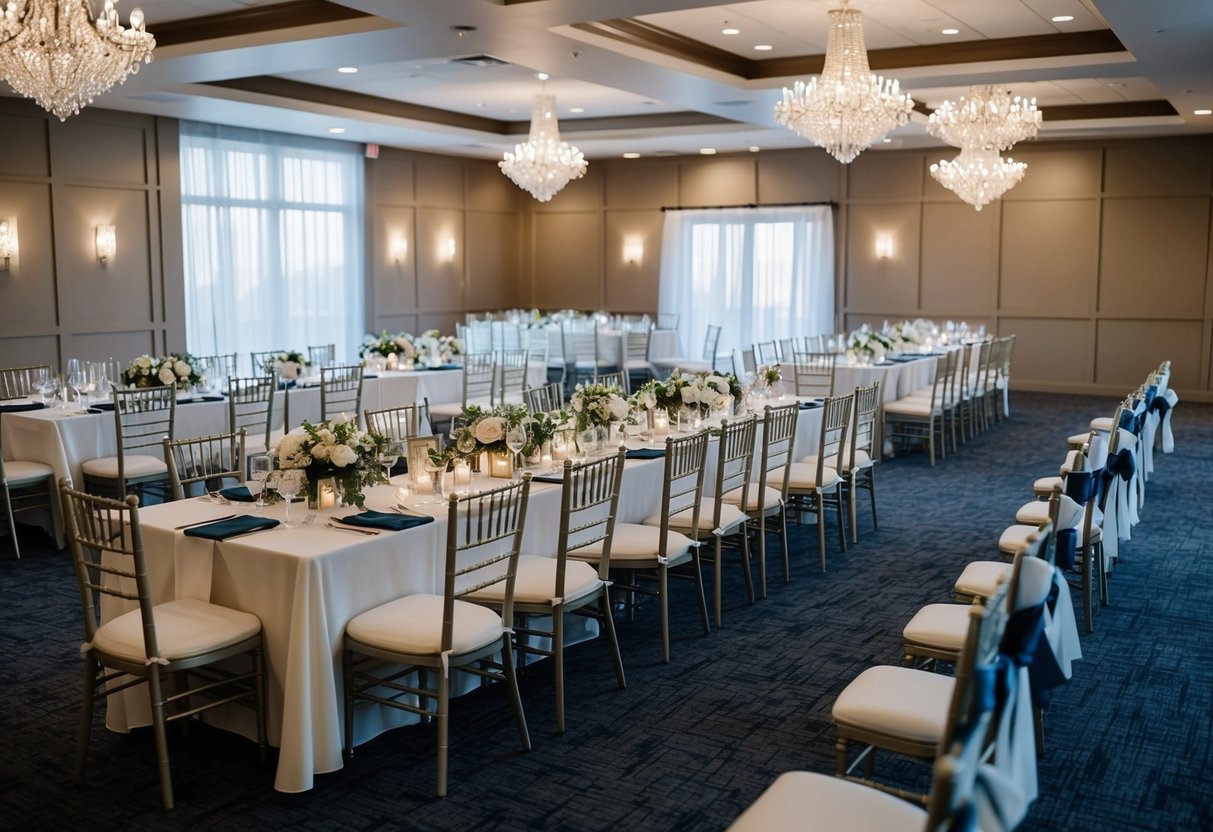
When planning where guests should sit at your wedding, special seating arrangements can make a big difference. Think about your head table, VIP guests, and how to manage seating for children. Each aspect helps set the tone for the celebration.
Head Table and Sweetheart Table Dynamics
Your head table is often where you, as the couple, and your wedding party will sit. This table is usually placed at the center of the room, allowing everyone to see you.
Consider seating your closest friends and family next to you.
If you prefer a more intimate setting, a sweetheart table is a great choice. This table is just for the two of you. It gives you a chance to enjoy the meal together without distractions, while still being a part of the celebration.
Seating for VIP Guests and Wedding Party
VIP guests should have special seating to honor their importance in your lives. Parents, grandparents, and anyone who played a significant role in your journey should sit near the front.
Your wedding party deserves to be close to you as well. You can arrange seating for them at the head table or sections nearby. This way, they can celebrate with you while also enjoying the festivities.
Managing Children’s Seating
Kids can bring joy to your wedding, but they also need special consideration.
A kids’ table is a smart way to keep them entertained and comfortable.
Make sure this table is close to the main dining area and has games or activities to keep them occupied. You can also assign a few adults to supervise and ensure that everyone is having a great time.
Final Touches for Guest Comfort
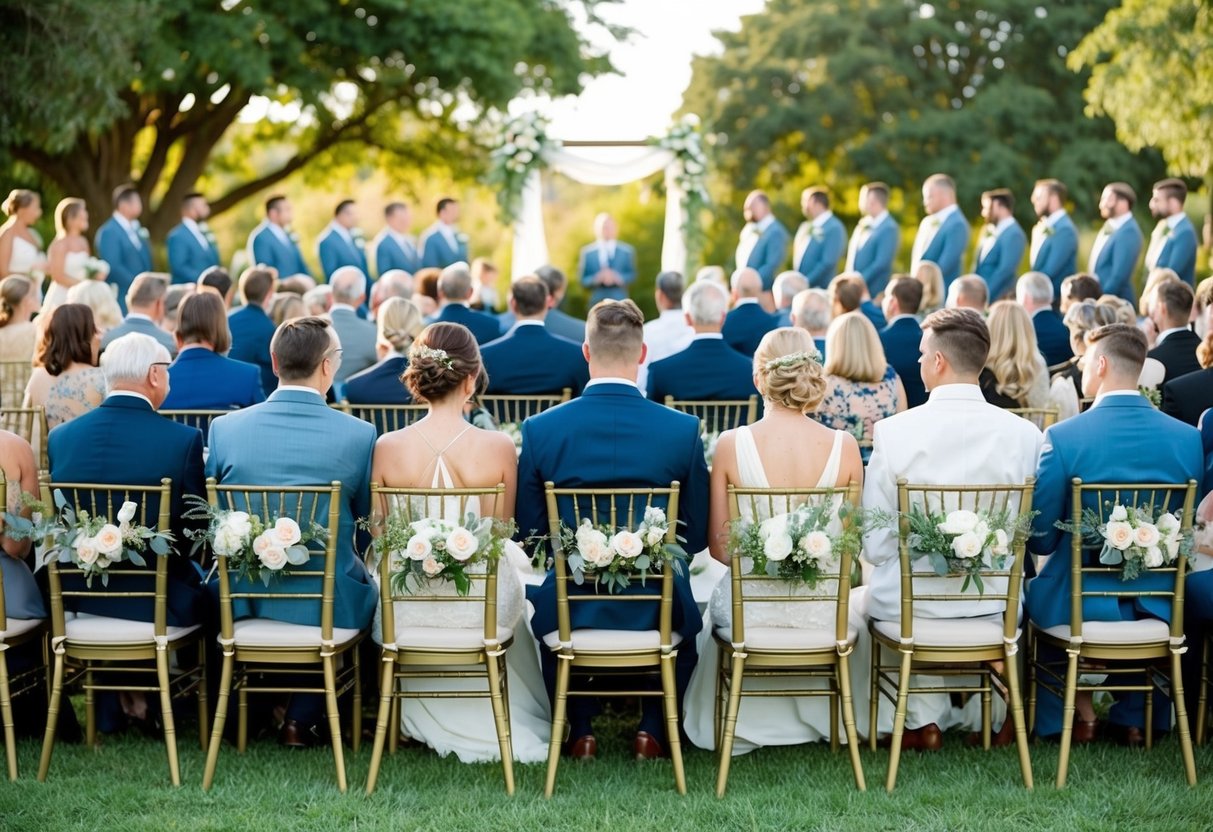
Making sure your guests feel comfortable starts with thoughtful details. Properly organizing seating can significantly improve the overall experience of your wedding. This includes choosing the right cards and having clear guidance on the day of the event.
Choosing Escort Cards and Place Cards
Escort cards and place cards are essential tools for guiding your guests.
Escort cards typically show guests to their assigned tables, while place cards indicate specific seats.
Design them to match your wedding theme. Use elegant fonts and colors, making them easy to read.
Consider adding small personal touches, like a note or a small favor, to create a warm atmosphere.
Having a seating plan available near the entrance can also help guests locate their names quickly. When guests feel welcomed and informed, they can relax and enjoy the day ahead.
Providing Clear Signage and Ushers
Clear signage is vital for directing guests throughout your venue. Use signs to mark areas like the ceremony, reception, and restrooms. Ensure they are visible and in line with your decor.
Another great way to enhance guest comfort is having ushers. Ushers can greet guests, provide information about seating, and help with any questions. A friendly face at the entrance or during the reception can make a big difference.
Incorporating both signage and ushers creates an inviting wedding atmosphere. When guests feel guided and cared for, it adds to the joy of celebrating with you.