
Which Arm Does the Bride Come In On? A Guide to Wedding Traditions
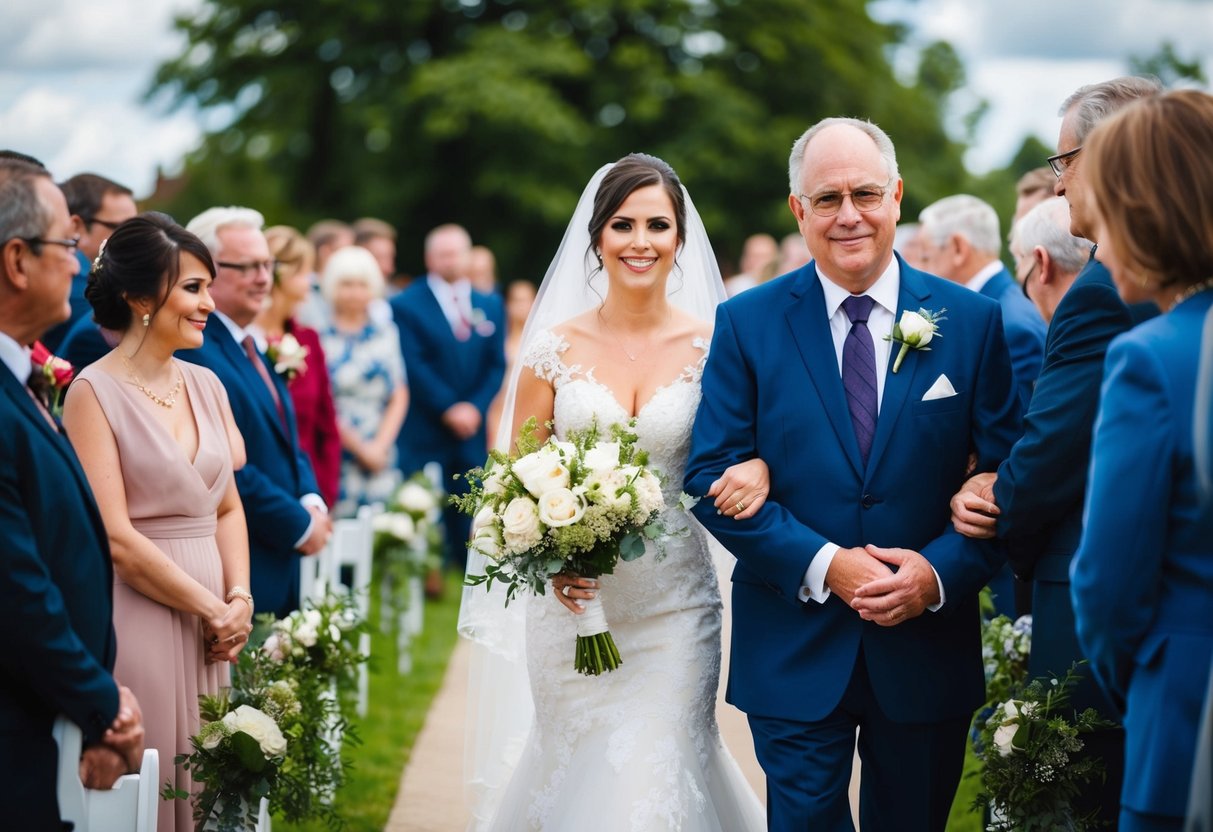
When planning your wedding, you may wonder about many details, including which arm you should come in on. Traditionally, the bride enters on her father’s left arm. This custom holds significant meaning as it represents the father giving his daughter away and showing the bond they share.
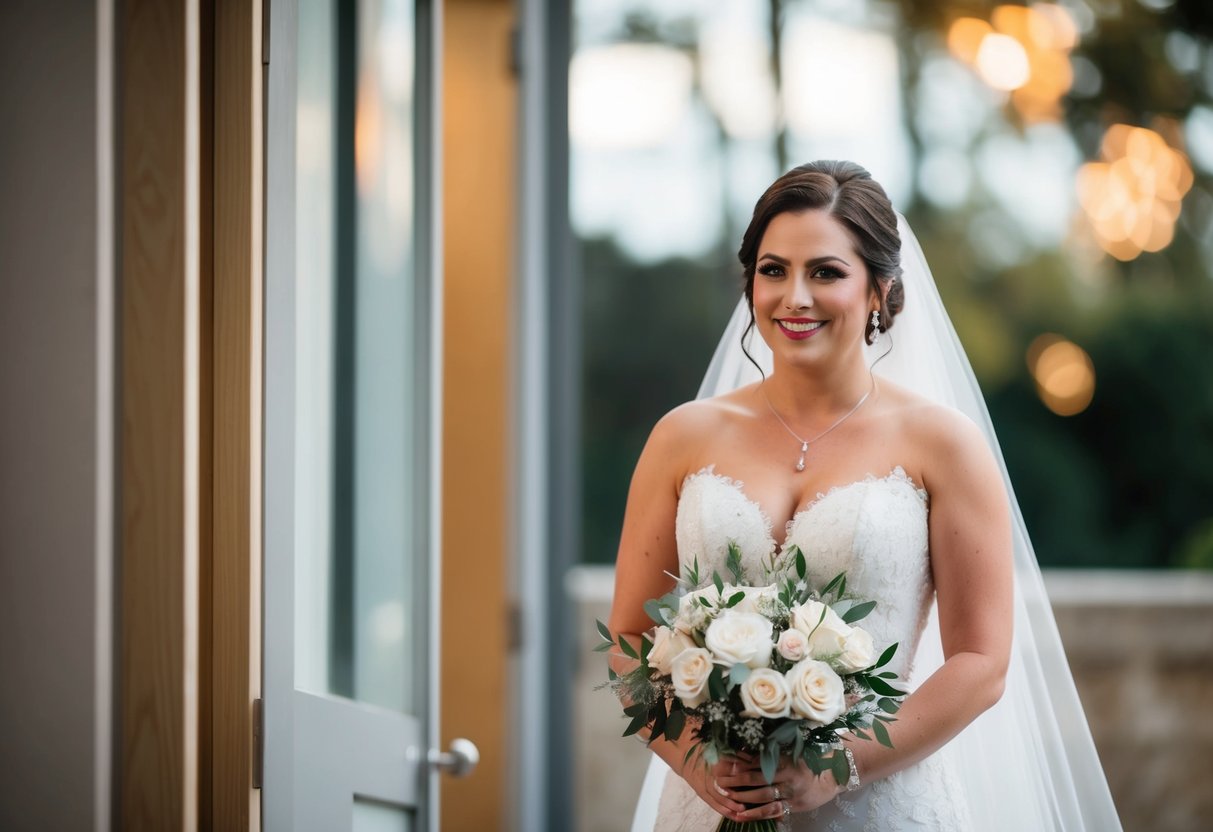
Understanding this tradition can help you decide what feels right for you on your big day.
Some couples may choose to personalize this part of the ceremony, making it unique to their relationship.
It’s essential to consider both tradition and personal preference when making this choice.
As you think about your entrance, remember that it should reflect your style and the love you share.
Embracing this tradition or adjusting it to fit your vision can make your wedding memorable and special.
Wedding Traditions and Customs
Wedding ceremonies are rich in traditions and customs that shape how events unfold. Understanding these can help you appreciate the significance of the bride’s entrance and how it varies across cultures.
Historical Context of Bridal Processions
Historically, the way a bride enters the ceremony has deep roots. In many traditions, the bride walks down the aisle on the left side of her father or escort. This placement allowed the groom to have his sword arm free, symbolizing protection against any potential threats.
This custom reflects ancient practices and societal norms.
Over time, the idea of the bride arriving to join her groom has remained strong. The moment symbolizes the transition from her family to her new life with her husband.
Cultural Variations in Wedding Entrances
Different cultures have unique ways for brides to enter a wedding ceremony. In some cultures, the bride walks in alone, symbolizing independence. Others feature the bride accompanied by both parents, emphasizing family unity.
For example, in Jewish traditions, the bride circles the groom seven times to create a protective space. In Hindu weddings, the bride’s entrance can be very elaborate, often featuring music and dance.
These variations illustrate how customs can reflect cultural values and beliefs, making each ceremony unique. Understanding these nuances can add depth to your own wedding experience.
The Bride’s Entrance Explained
The way a bride enters the ceremony has significant meaning and involves key participants. Understanding the traditions behind her entrance can help you appreciate this special moment.
Meaning of the Right Arm Entrance
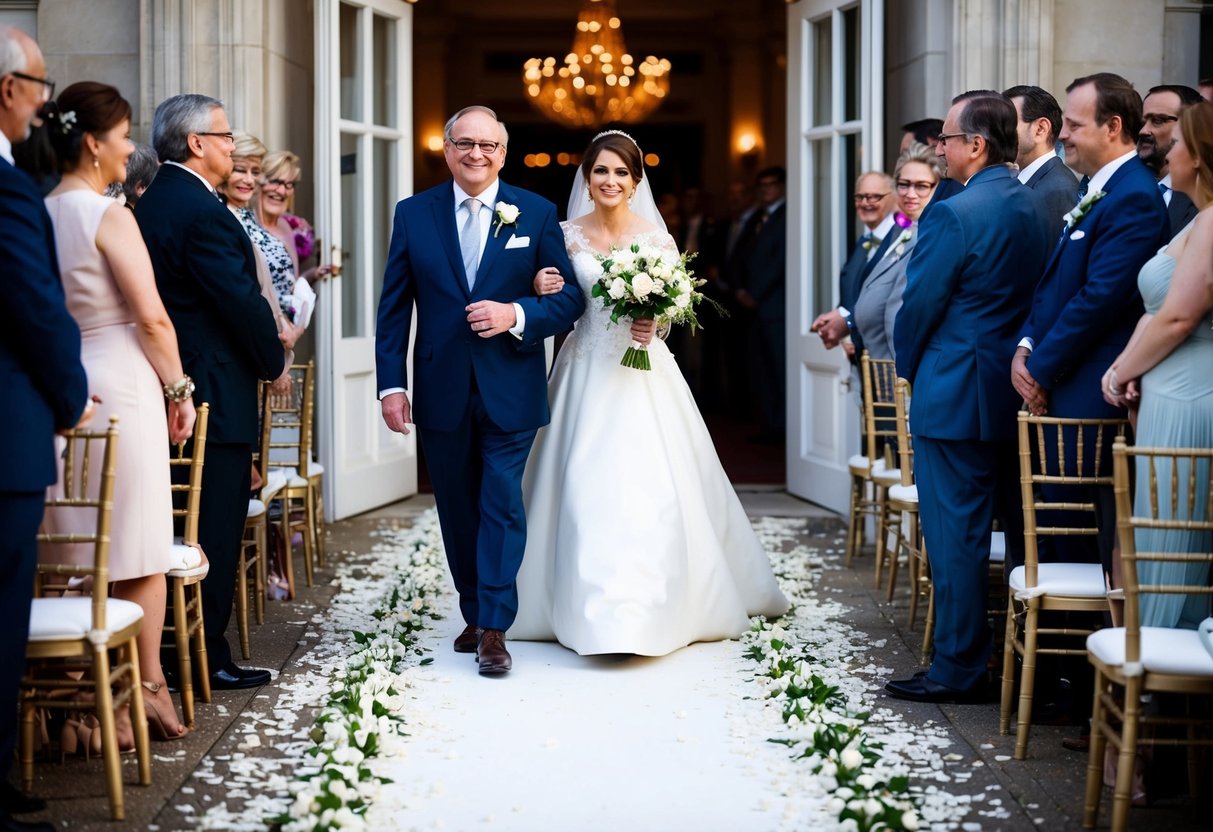
Traditionally, the bride walks down the aisle on her father’s right arm. This practice symbolizes several heartfelt sentiments.
It signifies protection and support, as the father gives her away to her future husband.
By being on his right, the father also showcases the bride in the best light. This placement allows guests to see her dress and beauty as she walks.
The moment emphasizes the bond between father and daughter while marking her transition into a new chapter of life.
Roles in the Bridal Procession
During the bridal procession, various individuals play important roles. Typically, it starts with grandparents, followed by the groom’s parents. Then comes the bridal party, including the maid of honor and bridesmaids.
The bride walks last, usually with her father. Once they reach the altar, her father places her hand on the groom’s arm. This movement further highlights the bond being formed and the unity of two families.
Each person in the procession contributes to this special moment, creating a memorable experience for everyone.
Planning the Ceremony Entrance
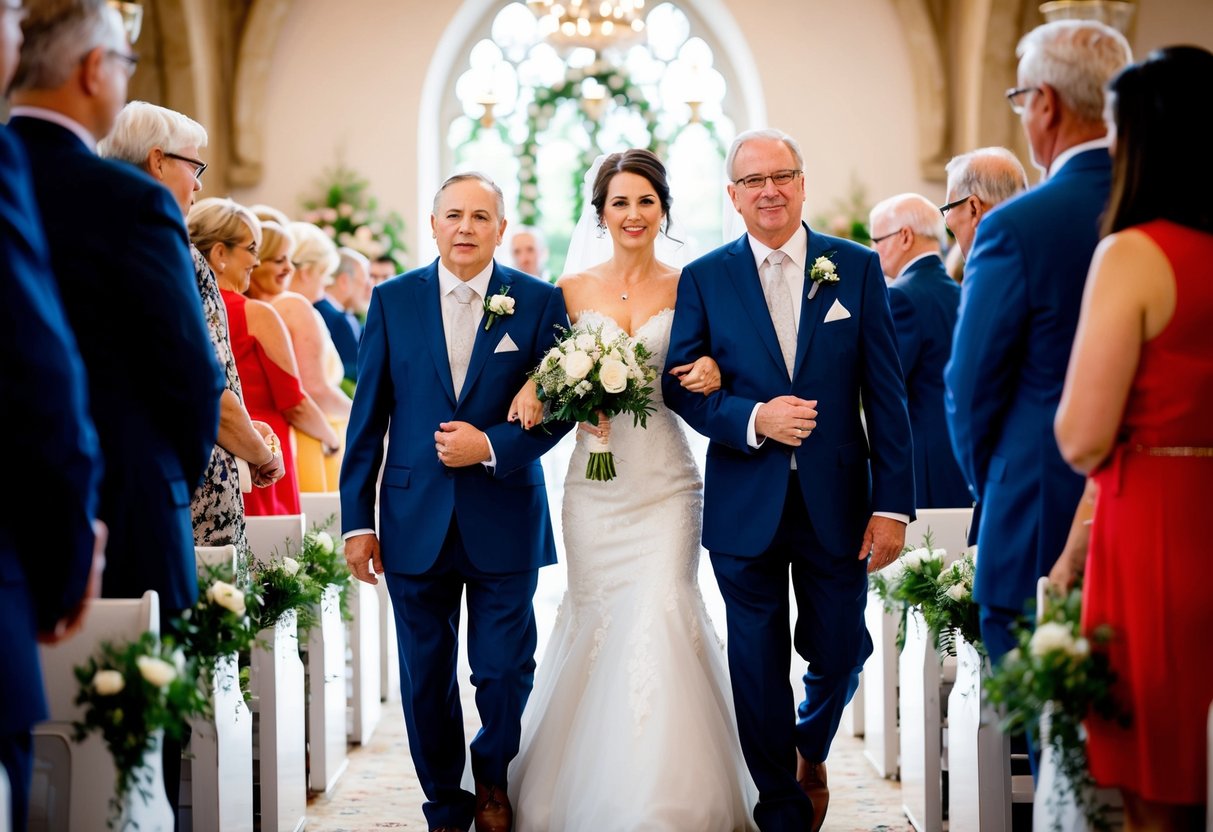
Planning your ceremony entrance can set the tone for the entire wedding. While choosing what arm the bride will come in on is important, coordinating with the wedding party and selecting the right music are key elements that complement this moment.
Coordinating with the Wedding Party
Coordinating with your wedding party is essential for a smooth entrance. Make sure everyone knows their role and when to walk down the aisle.
Consider creating a timeline for the entrance.
- Best Man: Walks with the maid of honor.
- Groomsmen: Escort bridesmaids in pairs.
- Parents: Decide if they will walk alone or with each other.
You might want to have a rehearsal to practice the order. This will help everyone feel confident and ready for the big day.
Clear communication with everyone involved makes for a lovely and organized ceremony.
Choosing the Right Music and Timing
The music you choose sets the mood for your entrance. Think about songs that resonate with you and your partner.
- Processional Music: Select something emotional or joyful.
- Timing: Ensure the music starts at the right moment for your entrance.
Consider the duration of the song, too. It should fit nicely with your pace as you walk down the aisle.
You may want to work with a DJ or live musicians to make sure everything flows perfectly.
Testing out the timing with your chosen song during the rehearsal can help you feel more comfortable on the day. A well-timed entrance with fitting music adds a meaningful touch to your ceremony.