
Which Bridesmaid Goes First? A Guide to Perfectly Organizing Your Wedding Procession
Choosing which bridesmaid goes first in your wedding ceremony can feel a bit tricky. Typically, the order starts with the bridesmaids walking down the aisle before the maid of honor. This setup not only highlights the special role of the maid of honor but also creates a lovely flow for the processional.
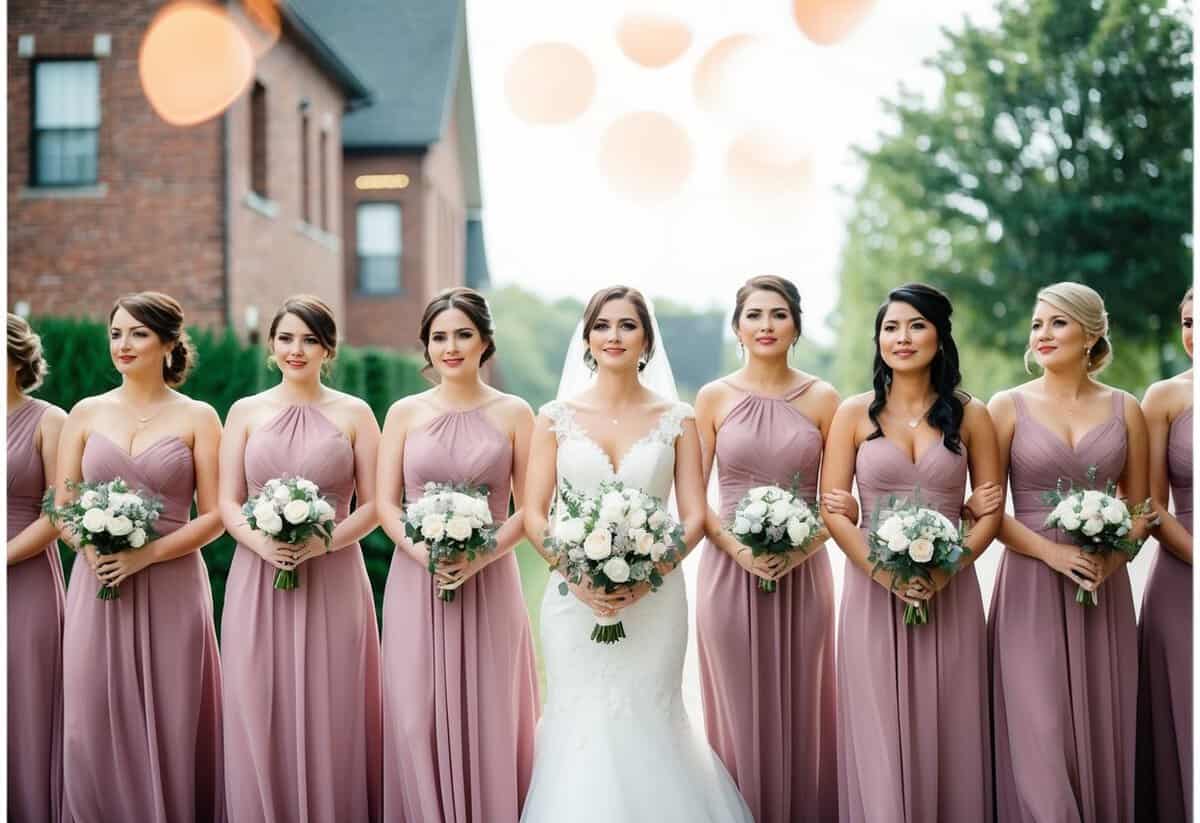
As you plan your big day, remember that your bridesmaids are there to support you and set the tone for the ceremony. Their entrance is a moment to cherish, so think about how you want to showcase each individual. From their dresses to their smiles, each bridesmaid adds to the celebration of your love story.
Understanding the traditional order can help ease any confusion. That way, you can focus on what truly matters: enjoying the special moments with your bridal party and getting ready to say “I do.”
Understanding the Wedding Processional
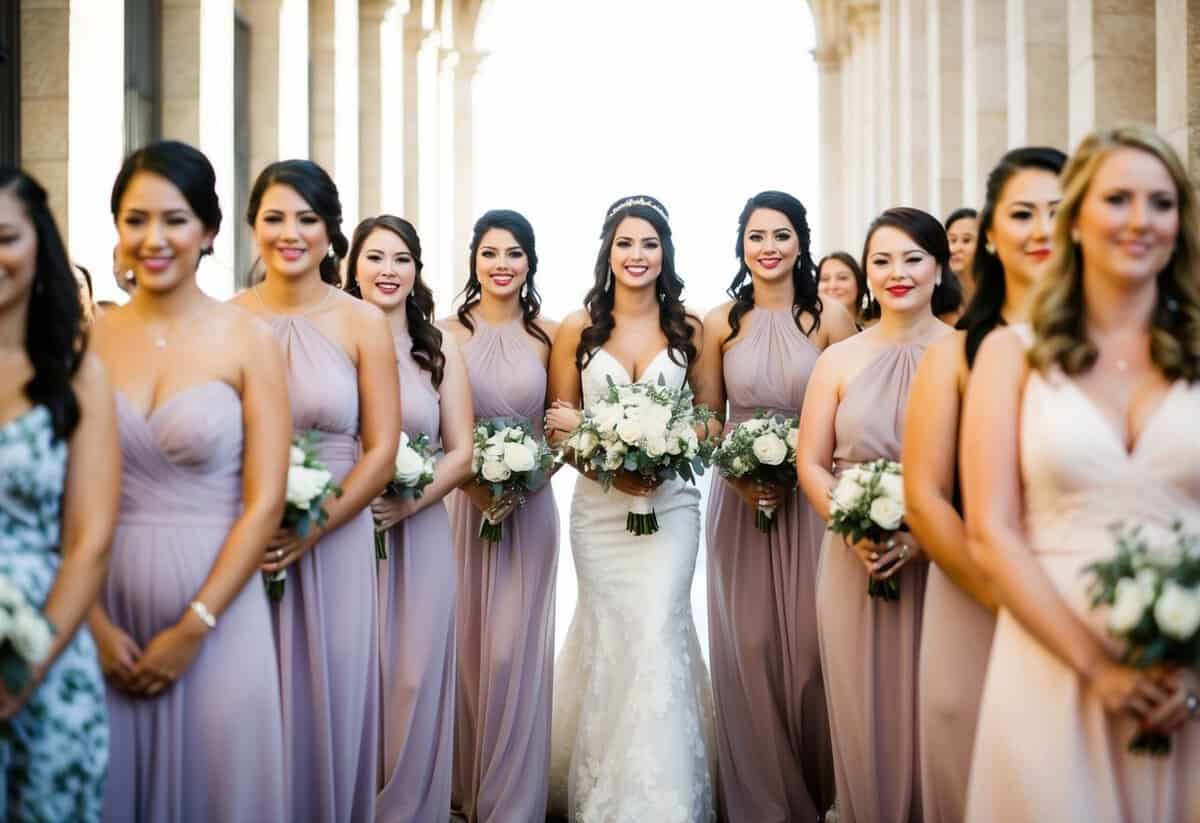
The wedding processional is a key part of the ceremony. It sets the stage for the bride’s entrance and signifies the start of a very special moment. Knowing the order and roles can make this part of the celebration flow smoothly.
The Significance of Processional Order
The order of the wedding processional is important for both tradition and ceremony. It not only helps guests understand who is involved but also builds anticipation for the bride’s arrival.
In traditional ceremonies, the order typically starts with the grandparents, followed by parents, and then the wedding party. For example, the groom’s parents usually walk down the aisle first. Then, the mother of the bride enters, often escorted by a male relative. This sets a formal tone as the bridal party follows, culminating in the bride’s grand entrance.
Traditional vs. Modern Processionals
Processionals can vary between cultures and personal preferences. In a traditional wedding processional, such as those in Christian or Jewish ceremonies, specific orders are usually followed.
For example, in a Christian wedding, after the mother of the bride, the bridesmaids and groomsmen walk in pairs. Then, the maid of honor and best man follow. In contrast, modern ceremonies often allow couples to select their order, sometimes having flower girls and ring bearers go first, adding a playful touch to the event.
Hindu and nondenominational processionals may include unique elements, such as involving family rituals or alternative formats, allowing for creativity in how you present your wedding party.
The Roles Within the Wedding Party
Each member of the wedding party has a specific role during the processional. Understanding these roles can help you plan the order better.
- Bridesmaids and Groomsmen: Usually enter together, with the maid of honor walking just before the bride. Their presence signifies support for the couple.
- Flower Girls and Ring Bearers: Often walk in front, creating a cute moment. They add charm to the procession and signify the start of the wedding party.
- Officiant: Generally walks in with or shortly after the parents. They play a vital role in leading the ceremony.
This organized flow helps create a memorable entrance for the bride while ensuring everyone knows their place in the event.
The Bridesmaids’ March
The march of the bridesmaids is an important part of the wedding ceremony. Knowing the order of who walks down the aisle can help make everything flow smoothly and set the right tone for the day.
Order of Bridesmaids in the Processional
In a typical wedding ceremony, the order of bridesmaids can vary depending on personal choice and traditions. Generally, they walk down the aisle in pairs or individually.
If there is an odd number of bridesmaids, they may walk alone. The flow can also be influenced by the number of groomsmen.
This order often starts with the youngest bridesmaids, like flower girls, followed by older ones. Follow the flow of each bride’s family traditions while considering the comfort and preferences of your bridesmaids.
Precedence of Maid and Matron of Honor
The maid of honor and matron of honor usually take on special roles in the processional. The maid of honor, who is unmarried, typically walks just before the bride.
If there is a matron of honor, she usually walks right after the maid of honor or may walk arm in arm with the bride as they prepare for the ceremony.
Some couples choose to have both the maid and matron of honor walk together. This can highlight their importance and strengthen their bond in the celebration.
Prioritize comfort and style by discussing these details with your wedding planner or officiant.
Special Considerations and Variations
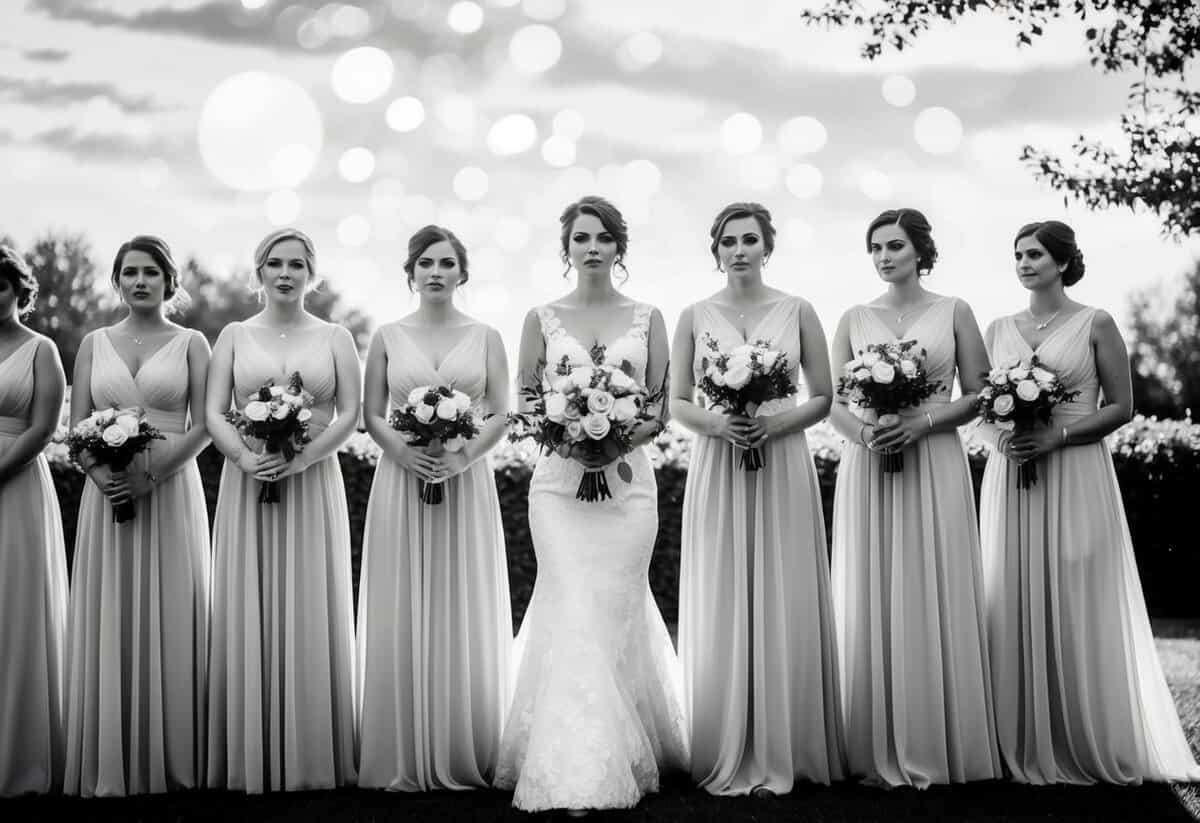
When planning your bridesmaid processional, it’s essential to think about various cultural and personal factors. These considerations can help you create a ceremony that reflects your unique style and values.
Cultural and Religious Influences
Different cultures have distinct wedding customs that affect the order of the processional. For example, in a Jewish wedding, the groom’s mother typically walks down the aisle first, followed by the bridesmaids. In contrast, a Catholic wedding often sees the Maid of Honor walking just before the bride to highlight her role.
In Hindu weddings, you might include a baraat procession, where the groom arrives with his family and friends before the ceremony. Similarly, a mandap may be set up for the couple, adding to the visual impact of the entrance. Understanding these traditions can make your processional more meaningful.
Personalizing Your Processional
You have the freedom to personalize your processional order in a way that suits your tastes. Consider factors like height. Having the tallest bridesmaid go first can create a pleasing visual effect as the gown or dress train flows behind her.
You can also think about how each bridesmaid supports you. If one has a special bond with you, she could go first or last to emphasize her importance. Let each bridesmaid carry a bouquet that complements your wedding colors.
Personal touches like these will make the day feel more special and connected to your journey.