
Which Father Speaks First at a Wedding? Understanding the Tradition
When it comes to wedding speeches, you might wonder about the traditional order and what that means for your big day. Typically, the father of the bride speaks first, marking a heartfelt moment at the beginning of the reception. This tradition comes from the idea that he is hosting the event and wanting to share his pride in his daughter’s new journey.
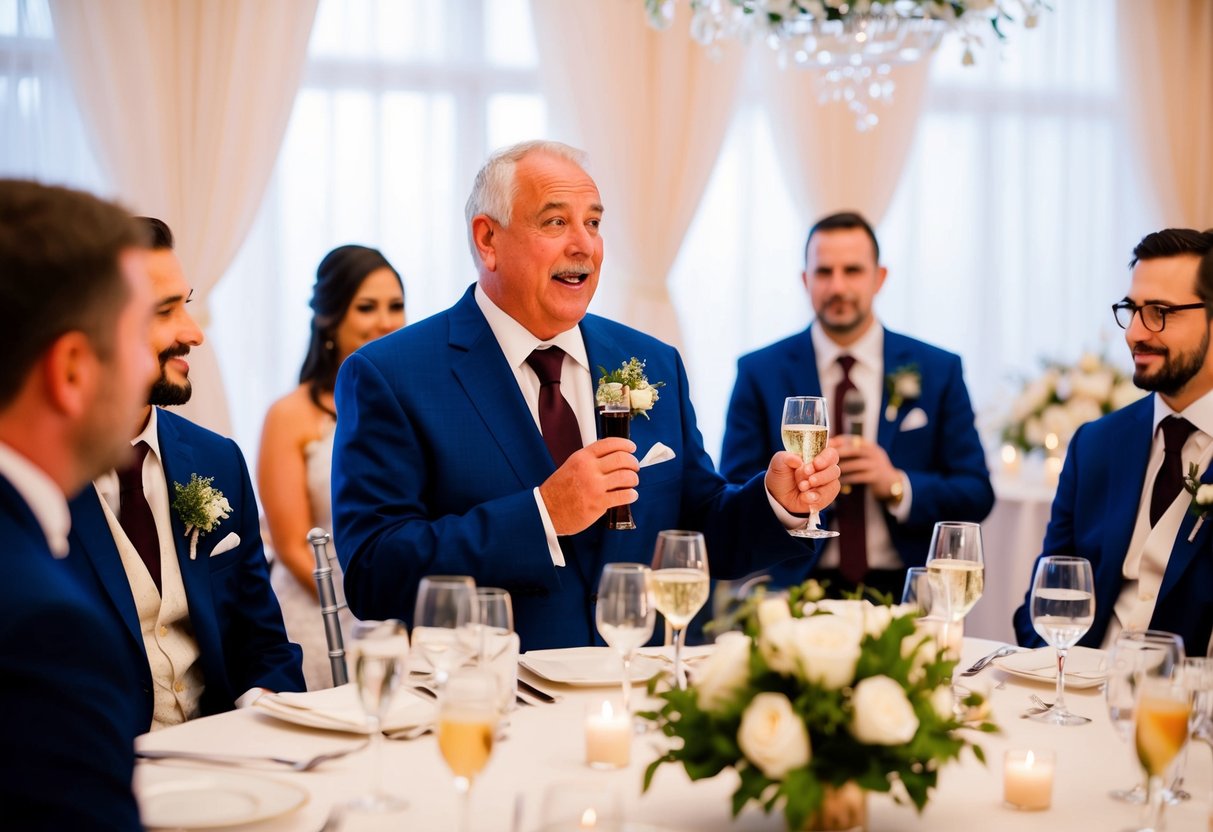
In modern weddings, while some traditions remain, many couples choose to personalize their speech order. You might find the bride and groom thanking their guests before the father’s speech, creating a warm and welcoming atmosphere. Understanding these nuances can help you navigate this special part of your wedding day, whether you prefer sticking to tradition or adding your own twist.
Knowing the speech order can also relieve any anxiety you may feel as the big day approaches. By understanding who speaks when, you can better prepare your own remarks and ensure a joyful celebration filled with love and memorable moments.
Tradition and Speech Order
When it comes to weddings, the order of speeches carries a lot of meaning. Each speech serves a purpose and follows a traditional path that many couples choose to honor.
Understanding Wedding Speeches
Wedding speeches are an essential part of the celebration. They give important people in the couple’s lives a chance to share heartfelt messages. The speeches are typically filled with love, laughter, and well-wishes. Generally, close family and friends deliver these speeches, each contributing to the joyous atmosphere.
Understanding who speaks and when can help you plan your reception. A good flow of speeches can help everyone’s nerves settle and create an enjoyable experience for all.
The Traditional Order of Speeches
In a traditional wedding, the father of the bride usually kicks off the speeches. This custom honors the role of the bride’s family, as they often host the event. After the father’s toast, the groom typically follows. He thanks the bride’s family and shares his excitement about the new journey.
Next in line is the best man, who often shares humorous tales about the groom. The maid of honor usually speaks after the best man. This order has been followed for many years, providing a familiar rhythm to wedding receptions.
Modern Adaptations to Speech Order
Today, many couples choose to adapt the traditional speech order. In modern celebrations, both partners may have the opportunity to speak, reflecting their equal roles. In LGBTQ+ weddings, for instance, both partners might give toasts at any time, depending on their preferences.
Some couples opt for a more casual or themed order of speeches. They may invite special guests to speak, like close friends or mentors, before the traditional speakers. This flexibility allows them to create a personal touch that resonates with their unique story and relationship.
Roles and Responsibilities
Weddings involve several important roles, each with specific duties. Understanding these can help ensure a smooth and memorable day for everyone involved.
Father of the Bride’s Role
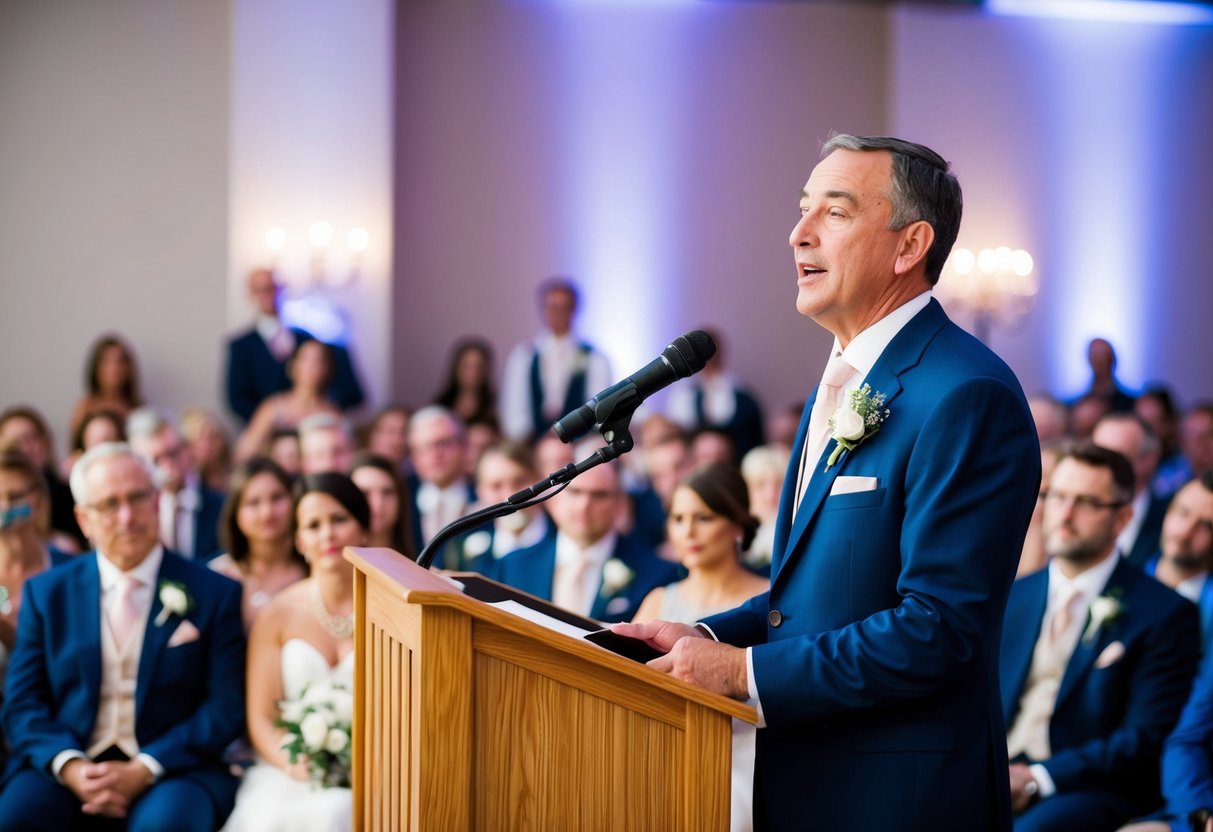
As the father of the bride, your responsibilities are significant. Traditionally, you walk your daughter down the aisle, giving her a sense of support and love.
You might also be involved in planning aspects of the wedding, like budget discussions and venue selection. During the reception, you typically give a heartfelt speech to welcome guests and share your feelings about your daughter and her partner. This speech is a key moment and should reflect your emotions and pride.
It’s also common to thank everyone for attending and to acknowledge important people, such as your family and the groom’s family.
Father of the Groom’s Role
Your role as the father of the groom is just as important, though it differs. You help support your son in the wedding preparations. This can include helping with costs or coordinating with vendors.
On the wedding day, you often give a speech during the reception. This speech should be about 5 to 7 minutes long. It’s your chance to share stories about your son, welcome the bride into the family, and express happiness for the couple’s future. Keeping the tone light and engaging will keep guests interested.
Additionally, you may assist in welcoming guests and making sure they feel comfortable throughout the event.
Breakdown of Other Key Roles
Several other key figures support the event. The best man plays a vital role in helping the groom prepare and often delivers a memorable speech that may include funny anecdotes or heartfelt moments.
The maid of honor assists the bride with planning and often helps organize the bridal party. She may also deliver a speech that celebrates the bride.
Lastly, the couple often gives their own speeches, sharing their gratitude and love for one another. Each speech adds to the emotional tapestry of the day, creating cherished memories for all.
Crafting the Perfect Speech
Creating a memorable speech is an important part of your role as the father of the bride. You’ll want to combine heartfelt sentiments with a touch of humor while keeping your audience engaged and avoiding common pitfalls.
Tips for Memorable Speeches
Start by sharing a personal story about your daughter that highlights her character. Think about moments that made you proud or funny experiences that show her personality.
Consider these tips:
- Keep it short. Aim for 3-5 minutes to hold attention.
- Open with a warm welcome. Acknowledge guests and thank them for being there.
- Compliment the bride. Share what makes her special and express your love.
End with a toast to the couple to wrap up your speech on a high note.
Avoiding Speech Fatigue
One common issue is speech fatigue. This happens when long speeches lose the audience’s interest. To avoid this, maintain a good pace and vary your tone.
Helpful strategies include:
- Break your speech into sections. Use natural pauses to keep listeners engaged.
- Include humor. Light jokes can keep the mood upbeat.
- Practice aloud. Rehearse in front of a mirror or with friends. This helps build confidence and smoothes out any rough spots.
Remember to watch your audience. If they seem restless, it might be time to wrap up.
The Art of Public Speaking
Public speaking is a skill you can improve. Start practicing well ahead of the wedding day. Focus on your delivery and body language.
Key points to remember:
- Make eye contact. This connects you with your audience.
- Use gestures. Natural movements can emphasize points and engage listeners.
- Stay calm. Deep breaths before speaking help ease nerves.
Consider asking the toastmaster for tips on timing and pacing. Their experience can guide you to a successful speech that everyone will remember.
The Wedding Ceremony and Reception
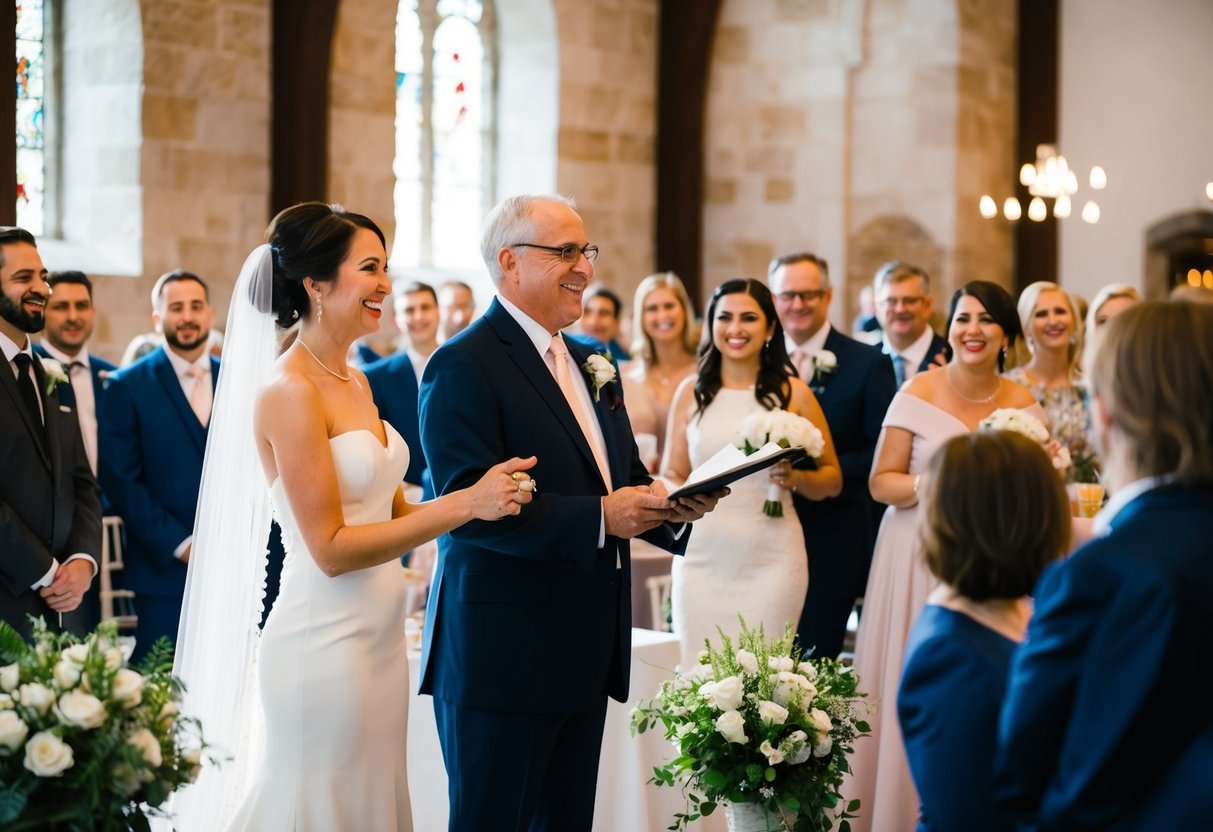
The wedding ceremony is a significant moment where the couple exchanges vows in front of family and friends. Following this, the reception is a chance for everyone to celebrate. Each part has its own flow and traditions, especially regarding speeches.
Flow of the Wedding Ceremony
During the wedding ceremony, the officiant leads the couples through the process. This usually includes the traditional order of vows, where you and your partner make promises to each other.
The officiant may read a short introduction, introduce readings, and then proceed to the vows. The moment you say “I do” is a highlight.
Speeches at the Reception
At the wedding reception, the father of the bride usually starts the speeches. Then, the groom speaks to thank everyone for attending.
Next, the best man has a chance to share a few words.
If the bride wishes to speak, she can do this after the groom’s speech. Guests are also welcome to offer toasts, celebrating your love.
It’s an excellent time for heartfelt stories and laughter, embracing the joyful spirit of the day. A master of ceremonies can help keep this part organized and flowing smoothly.