
Which Flower is Expensive and Rare? Discover Nature’s Luxurious Blooms
Flowers have a special place in our lives, symbolizing beauty, love, and cultural values. While many flowers are accessible and commonly found, some stand out due to their rarity and high cost. The Juliet Rose is the most expensive flower in the world, valued at an astounding $15.8 million. It showcases both cultural significance and rarity.
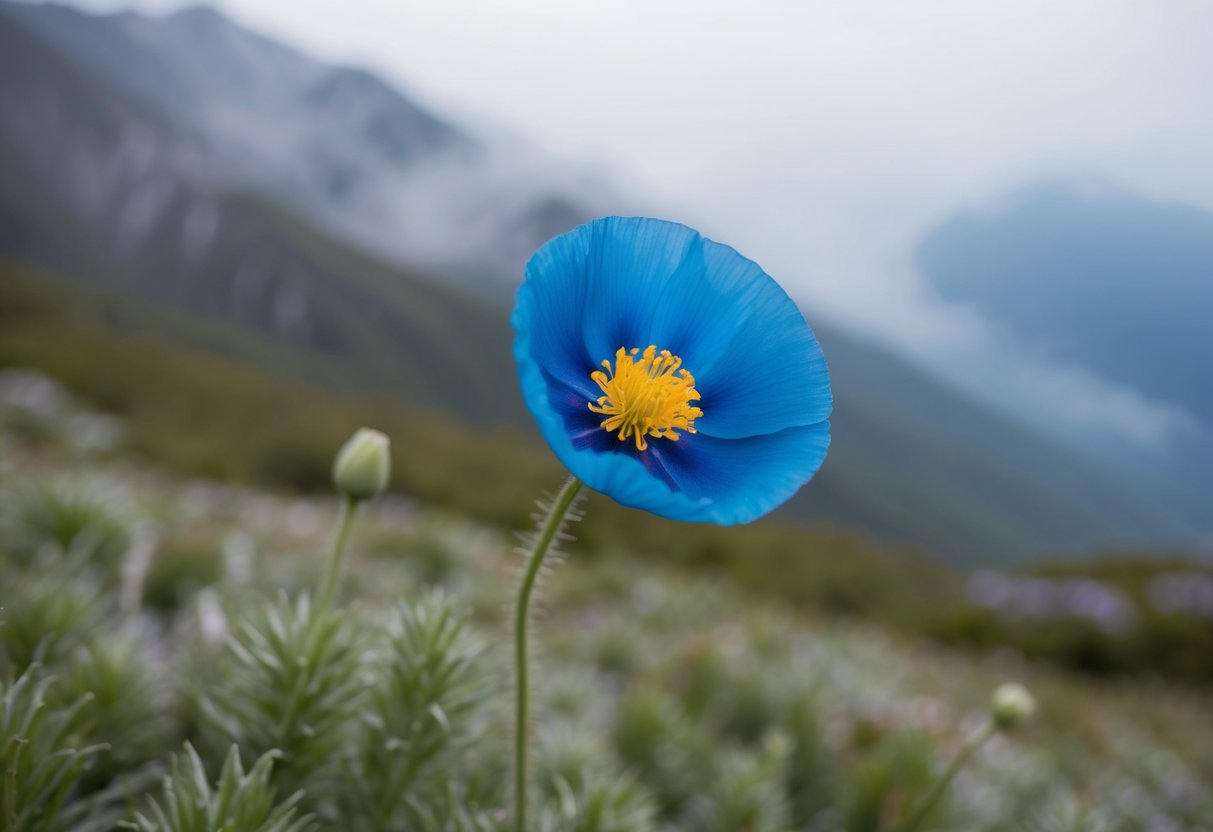
You might be curious about what makes these flowers so exclusive. Rarity can come from limited growing conditions, special breeding, or simply high demand among collectors and enthusiasts. Some flowers, like the Shenzhen Nongke Orchid, are not just prized for their beauty but also for the stories and legends tied to them, adding to their allure.
As you explore the world of rare and expensive flowers, you’ll discover the fascinating reasons behind their high prices. From stunning visual appeal to the cultural stories surrounding them, these flowers represent more than just a bloom—they reflect human creativity and our appreciation for nature’s wonders.
The Rarity and Beauty of Orchids
Orchids are not just flowers; they are some of the most unique and sought-after botanical treasures in the world. Their beauty and rarity can captivate anyone, especially orchid enthusiasts. Let’s explore a few exceptional types that exemplify this allure.
Nongke Orchid and Its Uniqueness
The Shenzhen Nongke Orchid is among the most expensive orchids, known for its exquisite shape and vibrant colors. This orchid took eight years to cultivate before it appeared.
The rarity of the Nongke Orchid is highlighted by its auction price, which reached a staggering $200,000. This makes it a coveted choice for collectors and flower lovers alike. Such uniqueness and beauty contribute to its high value in horticultural circles, making it a true treasure for any collection.
Gold of Kinabalu Orchid: The Gem of Kinabalu National Park
The Gold of Kinabalu Orchid is another remarkable flower that grows exclusively in Malaysia’s Kinabalu National Park. This orchid is famous for its stunning green petals dotted with red spots.
Cultivating this orchid is challenging, as it takes years before it blooms. Its rarity and limited habitat contribute to its status as one of the most expensive orchids, often fetching prices around $7,500. Due to its endangered status, it is protected, adding to its allure and the effort required to cultivate it.
The Mystique of the Ghost Orchid
The Ghost Orchid is renowned for its ethereal beauty and elusive nature. This orchid thrives in swamps and is often hidden among trees, making it a challenge to find.
It is described as a living work of art due to its delicate, phantom-like appearance. The Ghost Orchid is endangered and is prized by collectors for its rarity, often motivating dedicated plant lovers to search the wilds for it. Its mystique enhances its appeal, making it a standout among orchids.
Orchids like these combine rarity and beauty, offering a glimpse into the fascinating world of these exquisite flowers.
Iconic Blooms with Hefty Price Tags
Some flowers stand out not just for their beauty, but also for their rarity and high price. Here are a few iconic blooms that capture attention and the imagination.
Juliet Rose: The Making of a Man-Made Marvel
The Juliet Rose is a stunning creation from renowned breeder David Austin. Introduced in 2006, this flower made history with its remarkable price of £3 million at the Chelsea Flower Show.
This man-made marvel has soft, peach-colored petals that create a romantic appeal. It took over 15 years of breeding to perfect. Its rarity and the effort needed to cultivate it contribute to its high market value.
Many admire it for its beauty, but few can own it. That makes the Juliet Rose truly special for those who appreciate unique flowers.
Saffron Crocus: More Than Just a Spice
The Saffron Crocus, known scientifically as Crocus sativus, is famous not only as a flower but also as a spice. Its vibrant, purple blossoms produce saffron, the most expensive spice in the world.
Each flower produces only three red stigmas, which need to be hand-harvested. This labor-intensive process drives up its price.
Though it is primarily grown in places like Iran and Kashmir, it’s also cultivated in parts of Europe. The saffron crocus requires specific conditions, making it a rarity in agriculture.
This flower’s high value comes from its unique flavor and color in cooking, as well as its limited and careful cultivation.
Kadupul Flower: The Priceless Sri Lankan Beauty
The Kadupul Flower is truly a treasure of Sri Lanka. This flower is known for its beauty and rarity but is considered priceless.
What makes it so exceptional is its unique blooming cycle. It typically blooms at night and wilts by dawn, making it fleeting and elusive. As a result, you can’t buy or sell it, adding to its mystique.
In Sri Lankan culture, the Kadupul Flower symbolizes purity and beauty. Its scarcity and ephemeral nature make it a sought-after subject for photography and art.
Seeing this flower in full bloom is a rare experience that many cherish, making it one of the most iconic blooms on the planet.
Specialized Cultivation and Economic Impact
Cultivating rare and expensive flowers requires a careful mix of labor and knowledge. Growers need to understand the fine balance between science and creativity to succeed in this field. The cultivation process can be quite labor-intensive, and it has significant effects on the economy.
Labor-Intensive Cultivation of Exquisite Flowers
Growing exotic flowers can take a lot of time and effort. Each flower often needs specific growing conditions like soil type, temperature, and moisture levels.
For example, the Juliet Rose requires precise care to produce its stunning blooms. Growers often work long hours to ensure their plants get the right nutrients. This includes activities like hand-pollination, which guarantees better reproduction.
As a result, each flower can demand a high price in the market due to the care it requires. The investment in labor not only showcases the beauty of these flowers but also pushes their value higher.
Floriculture: A Delicate Balance of Science and Art
Floriculture combines science and creativity to produce beautiful and unique flowers. Growers need to apply horticultural techniques to create the best conditions for exotic plants.
Understanding plant biology is essential for success. You must know how to manipulate light, water, and nutrients to promote healthy growth.
Additionally, art plays a role, as arranging flowers attractively can increase their appeal.
The economic impact of floriculture can be significant. The demand for rare flowers influences market prices and encourages innovation in growing techniques.
By investing in research and development, growers can improve their practices and increase the quality of their ornamental plants.
This blend of science and art keeps floriculture thriving and maintains its place in both the economy and your garden.