
Which Is More Expensive, an Engagement or a Wedding Ring? A Guide to Understanding Costs
When it comes to rings for your special day, you might wonder which is more expensive: an engagement ring or a wedding ring. Engagement rings are generally more expensive than wedding rings, often featuring a larger center stone and intricate designs. These rings can cost anywhere from $1,000 to even hundreds of thousands of dollars, while wedding rings tend to be more modest in price, averaging around $1,000.
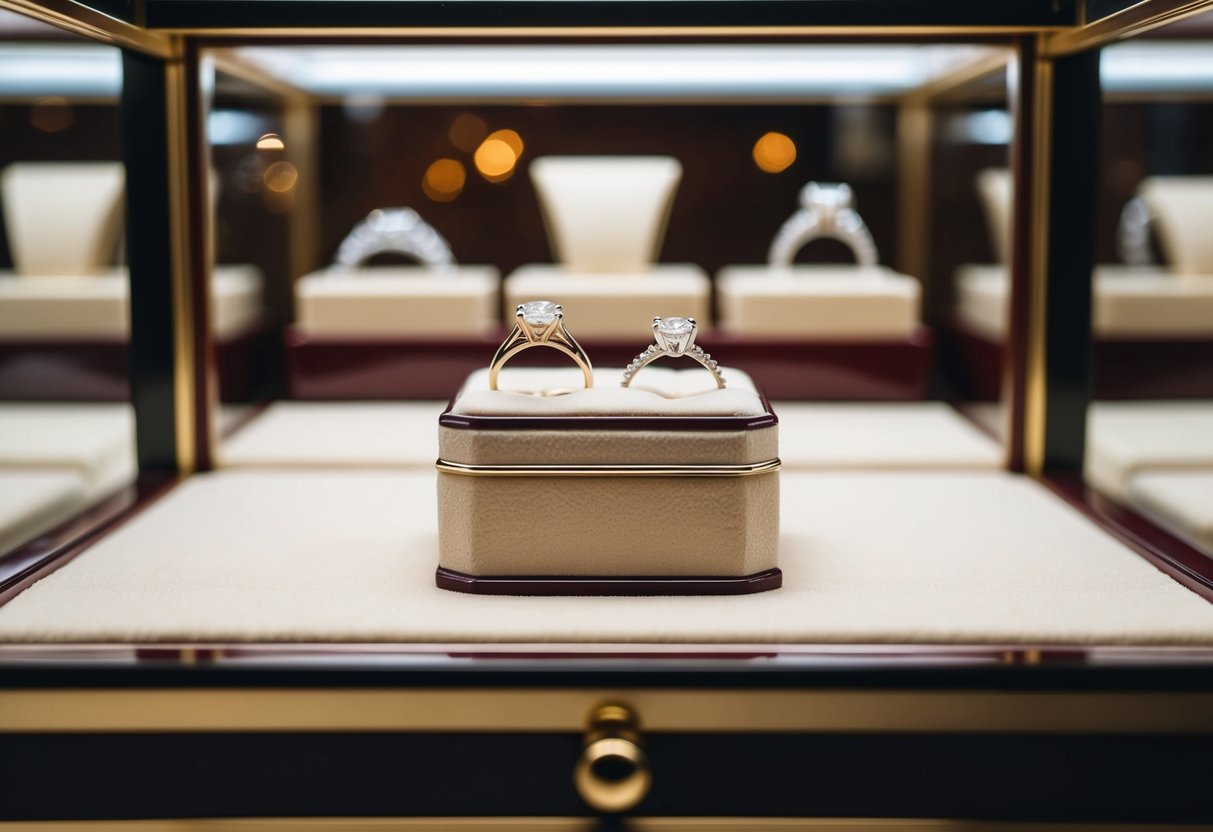
The difference in cost is mainly due to the design and materials used in each type of ring. Engagement rings usually come with diamonds or other precious stones, which boosts their value. In contrast, wedding rings are often simpler and focus more on symbolizing the commitment between partners.
Understanding this can help you make informed choices as you plan for your future together. Whether you’re shopping for a dazzling engagement ring or a meaningful wedding band, knowing the price range can make the process easier and more enjoyable.
Understanding the Rings
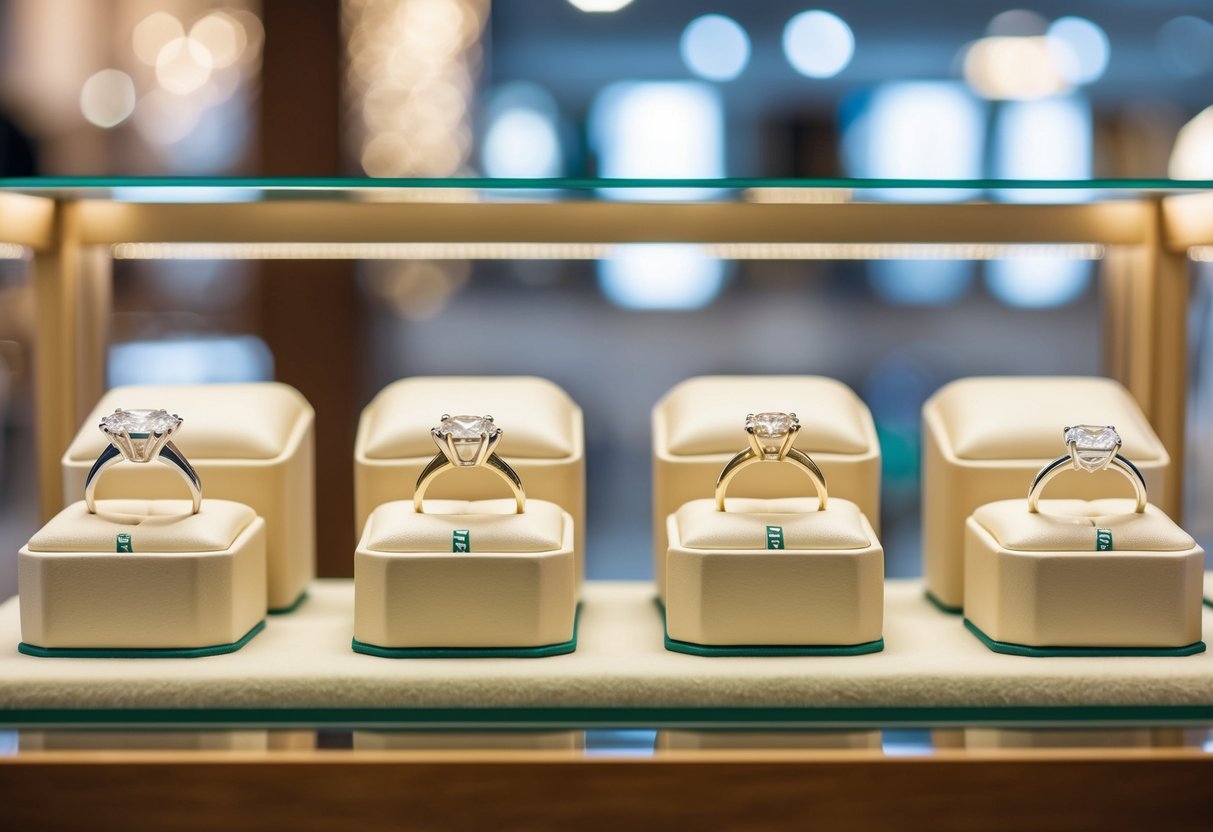
Rings play an important role in romantic traditions, especially during engagements and weddings. Knowing the differences between an engagement ring and a wedding ring can help you make informed choices for your special moments.
The Tradition of Rings
Rings have been used in engagements and weddings for centuries. They symbolize commitment and love. The circle shape represents eternity, showing that your love has no end.
Traditionally, the engagement ring is given during a proposal. This ring often has a prominent center stone, typically a diamond, which signifies the promise to marry. Wedding rings are exchanged during the wedding ceremony, symbolizing the bond of marriage.
While engagement rings are worn on the left hand, many people choose to wear wedding rings alongside them after the ceremony. This combination showcases both the promise and the commitment you share.
Engagement vs. Wedding Ring
When you think about engagement and wedding rings, consider their designs and meanings. Engagement rings are usually more elaborate and expensive than wedding rings. Most engagement rings feature a central gemstone, often a diamond, which adds to their value.
In contrast, wedding bands are usually simpler and often made from the same metal as the engagement ring. Their design focuses on representing the union of marriage instead of individual style.
Costs vary, with engagement rings averaging around $5,500 while wedding rings often cost about $1,000. This price difference is due to factors like the materials used and the intricacies of the design.
Choosing your rings is an important part of your journey, reflecting your unique love story and commitment.
Factors Influencing Cost

The cost of engagement and wedding rings can vary widely based on several important factors. Understanding what influences these prices can help you make an informed decision when choosing the ideal ring.
Materials and Metals
The metal used for the ring band plays a significant role in its cost. Common metals include:
- Gold: Available in yellow, white, and rose varieties. Prices can range depending on the karat.
- Platinum: More durable and rare; it often comes with a higher price tag.
- Alternative metals: Options like titanium and tungsten can lower costs significantly.
Your choice of metal can impact not just the price but also the ring’s durability and appearance. For instance, platinum is heavier and lasts longer but is also pricier than gold.
Diamonds and Other Stones
When it comes to engagement rings, the center stone is usually the most expensive part. The cost often depends on the diamond’s quality, which is assessed using the 4Cs:
- Cut: Impacts how well the diamond reflects light.
- Clarity: Refers to imperfections within the stone.
- Color: Ranges from colorless to various shades.
- Carat weight: Affects the size and weight of the diamond.
For example, a diamond solitaire may cost more than a ring with multiple smaller stones. Additionally, precious gemstones like sapphires or emeralds can also alter costs based on availability and quality.
Ring Design and Craftsmanship
The design and craftsmanship of your ring significantly influence its price. Intricate details, such as unique settings or engravings, require skilled artisans and additional time.
- Custom designs: Typically cost more due to the personalized nature.
- Mass-produced rings: May be less expensive but often lack unique craftsmanship.
When selecting a ring, consider how much the artistry matters to you. A well-crafted ring not only looks stunning but can also be a treasured keepsake, making it a worthwhile investment.
Pricing of Engagement and Wedding Rings
When choosing rings for your special day, understanding the pricing differences is key. Engagement rings are generally more expensive than wedding rings. This section will give you details on average costs and budget considerations to help you make informed decisions.
Average Cost Comparisons
The cost of an engagement ring typically ranges from $1,000 to $10,000, with the average price being around $5,500 according to recent data. This price can greatly depend on details like the size, quality, and type of the center stone, usually a diamond.
In contrast, wedding rings are usually less costly. They often range from $500 to $3,000, averaging about $1,000. While some wedding bands can be elaborate, most are simpler in design, contributing to their lower price point. Therefore, if you’re considering your budget, factor in these average prices to plan accordingly.
Budget Considerations
Setting a budget for your rings is important. Start by deciding how much you want to spend on the engagement ring first. Remember, many couples allocate about two to three months’ salary for this purchase.
For wedding rings, it’s wise to think about simplicity versus elaborateness. A plain band can be stylish and more affordable, while rings with diamonds or intricate designs increase the cost.
By prioritizing what matters most to you, you can find rings that fit both your style and budget without overspending.