
Which is the Prettiest Flower? Discover the Beauty of Nature’s Blooming Treasures
When it comes to the question of beauty in nature, flowers often take center stage. The rose is frequently celebrated as the prettiest flower, thanks to its classic beauty and wide range of colors. Whether you’re drawn to lush blooms or delicate petals, many flowers have their unique charm that captivates the heart.
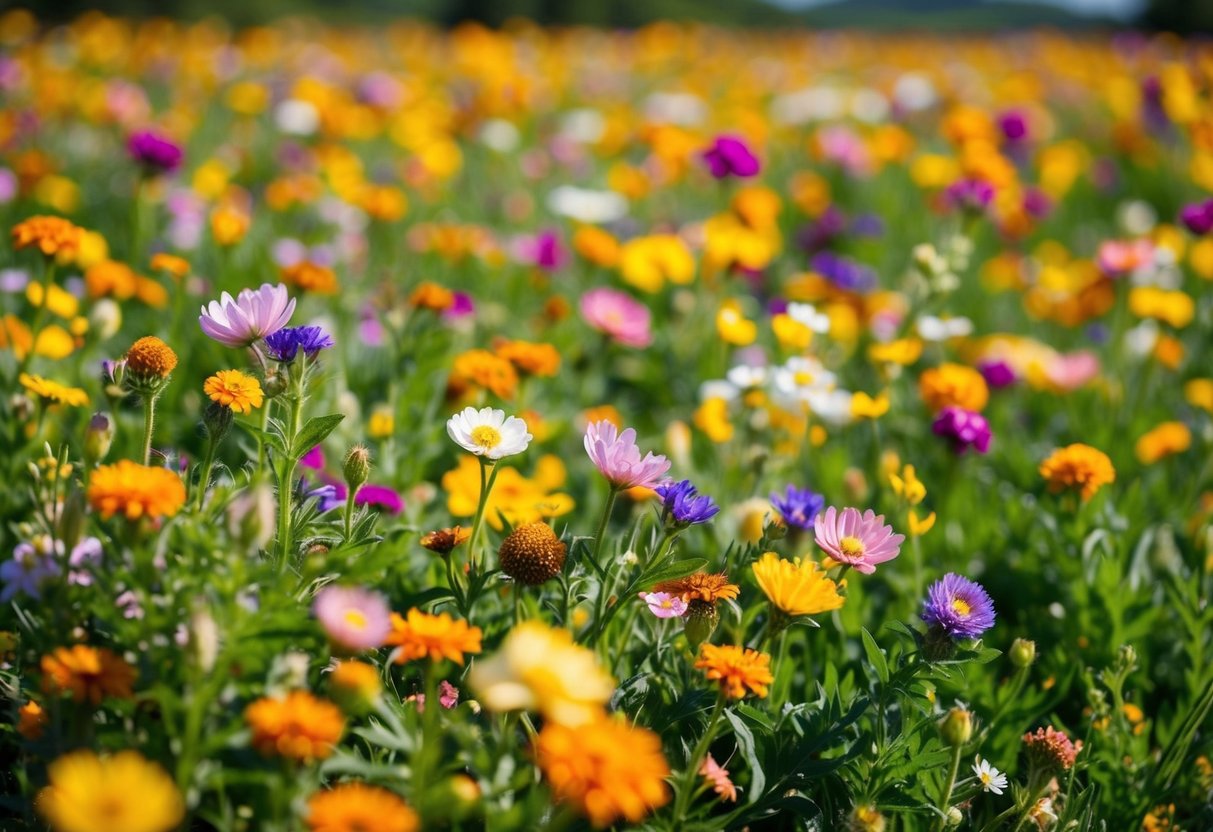
As you explore the diverse world of flowers, you’ll discover stunning varieties like dahlias, lilacs, and camellias, each with special qualities that make them beloved by gardeners and flower enthusiasts alike. With so many options, it’s easy to see why picking just one flower can be a challenge.
Join us on a journey through the most beautiful flowers on the planet, as we uncover what makes each bloom special. You might just find a new favorite along the way!
Worldwide Wonders of Flower Beauty
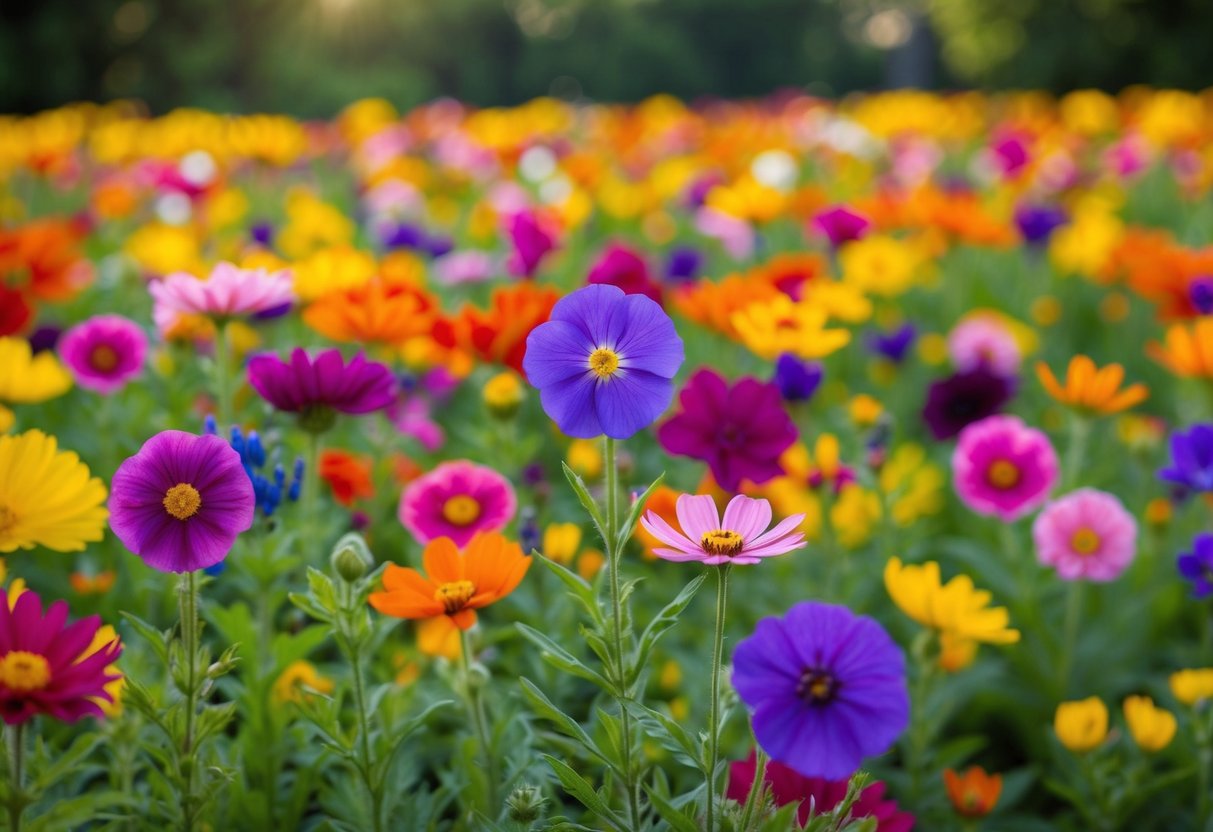
Flowers are not just beautiful; they tell stories and hold special meanings around the world. From symbols of love to national treasures, flowers play an important role in different cultures and countries.
Variety Across Continents
Flowers vary greatly across the globe, each with its unique charm. One stunning example is the cherry blossom, or sakura, found in Japan, celebrated for its brief yet beautiful bloom in spring. People gather for hanami, or flower viewing, to appreciate these delicate pink blossoms.
In warm climates, lotus flowers flourish, representing purity and beauty, especially in countries like India and Egypt. Their ability to rise from muddy waters to bloom beautifully makes them a strong cultural symbol.
Mexico’s national flower is the vibrant Dahlia. This flower is cherished for its rich colors, ranging from deep reds to bright yellows, making it a favorite for celebrations. Each region has flowers that tell a story about its landscapes and people.
Cultural Significance and National Symbols
Flowers often represent deeper meanings and values in various cultures. In Japan, the cherry blossom symbolizes the beauty and transience of life. This idea reminds you to appreciate moments because they are fleeting.
In contrast, the lotus flower is symbolic in many Asian cultures, often connected to spirituality and rebirth. It signifies resilience and purity, showing how beauty can emerge from difficult circumstances.
Flowers also carry meaning through the language of flowers. A rose can stand for love, while a lily may represent renewal. Understanding these meanings helps you express emotions in a special way.
Many countries have national flowers that reflect their heritage. For instance, Mexico’s national flower, the Dahlia, symbolizes strength and unity. These national symbols unite people and celebrate unique cultural identities.
Exquisite Exhibits of Color and Form
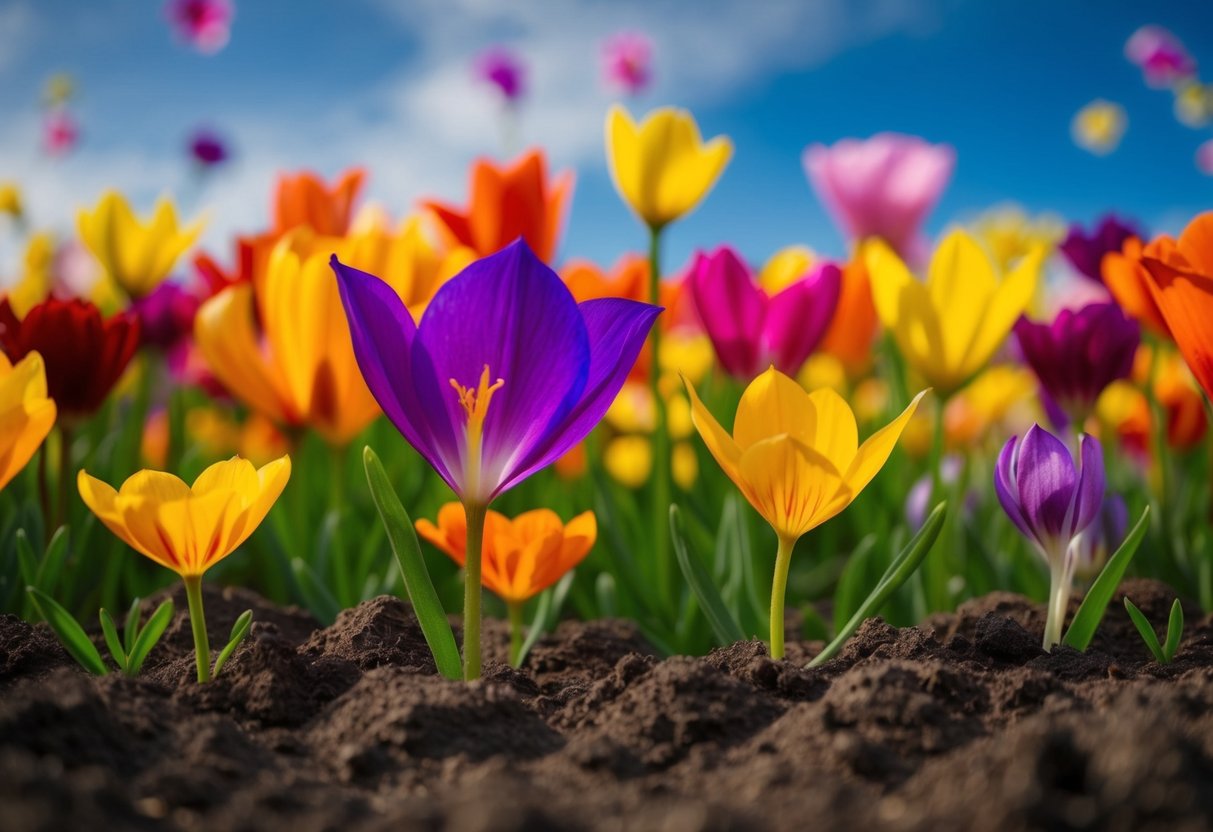
Flowers display a stunning range of colors and unique shapes that grab your attention. When you explore these features, you’ll find that both color and petal structure play a crucial role in their beauty.
The Role of Color in Floral Appeal
Vibrant colors are among the most captivating aspects of flowers. Each flower color can evoke different emotions and attract various pollinators. For instance, bright red roses symbolize love and passion, while sunny yellow marigolds can bring joy to any garden.
You might enjoy the striking blue of an iris or the bold purple of a dahlia. Tulips, found in almost every shade imaginable, create a perfect spring display. Orchids are known for their unique patterns and vibrant colors. Their variety, from the radiant pinks to deep purples, makes them a favorite among flower enthusiasts.
In your garden, incorporating flowers with different colors not only enhances visual appeal but also creates a lively atmosphere that changes with the seasons.
Unique Shapes and Petal Structures
The shapes of flowers contribute significantly to their charm. Each type has its own distinct petal structure that adds character. For example, roses have layered petals, creating a soft, full appearance.
In contrast, the sleek form of tulips gives them a simple elegance. Dahlias showcase a stunning array of shapes, with some having pom-pom like blooms. Peonies, known for their lush and rounded petals, add a dramatic touch to any bouquet.
Orchids, with their intricate and often asymmetric shapes, stand out for their exotic appearance. The unique petal structures can enhance the texture of your garden or floral arrangements. By mixing these shapes, you can create a beautiful tapestry of color and form that truly excites the eye.
Gardening and Cultivation Tips
Creating a beautiful garden involves knowing how to grow a variety of flowering plants successfully. Here are some essential tips to help you cultivate stunning blooms like sunflowers, hydrangeas, and more.
Best Practices for Growing Beautiful Blooms
To make your flowers thrive, begin by selecting the right location. Most flowering plants prefer full sun, so find a spot that gets at least six hours of sunlight daily.
Watering is crucial. Avoid getting water on the leaves to reduce the risk of disease. Water at the base of the plants instead. Aim for consistent moisture—especially for annuals like zinnias and daisies.
Soil quality matters, too. Use well-draining soil mixed with organic compost to nourish your plants. For perennials like lilacs and camellias, regular fertilization can promote healthy growth and vibrant flowers.
Lastly, don’t forget about deadheading. This practice encourages more blooms and keeps your garden looking tidy.
Choosing the Right Flowers for Your Garden
When selecting flowers, consider your garden’s climate and soil type. For sunny spots, opt for bright sunflowers and cheerful daisies. These annuals bring smiles and energy to any space.
If you have a bit more shade, try incorporating hydrangeas and magnolias. These perennials add lovely texture and rich colors.
For a fragrant touch, consider adding lilies and lilacs. Both are great for cut flowers and can brighten up your home.
Plan your layout strategically, mixing annuals and perennials for a continuous bloom throughout the seasons. This way, your garden stays lively and colorful all year round!
Sensory Delight and Ecosystem Benefits
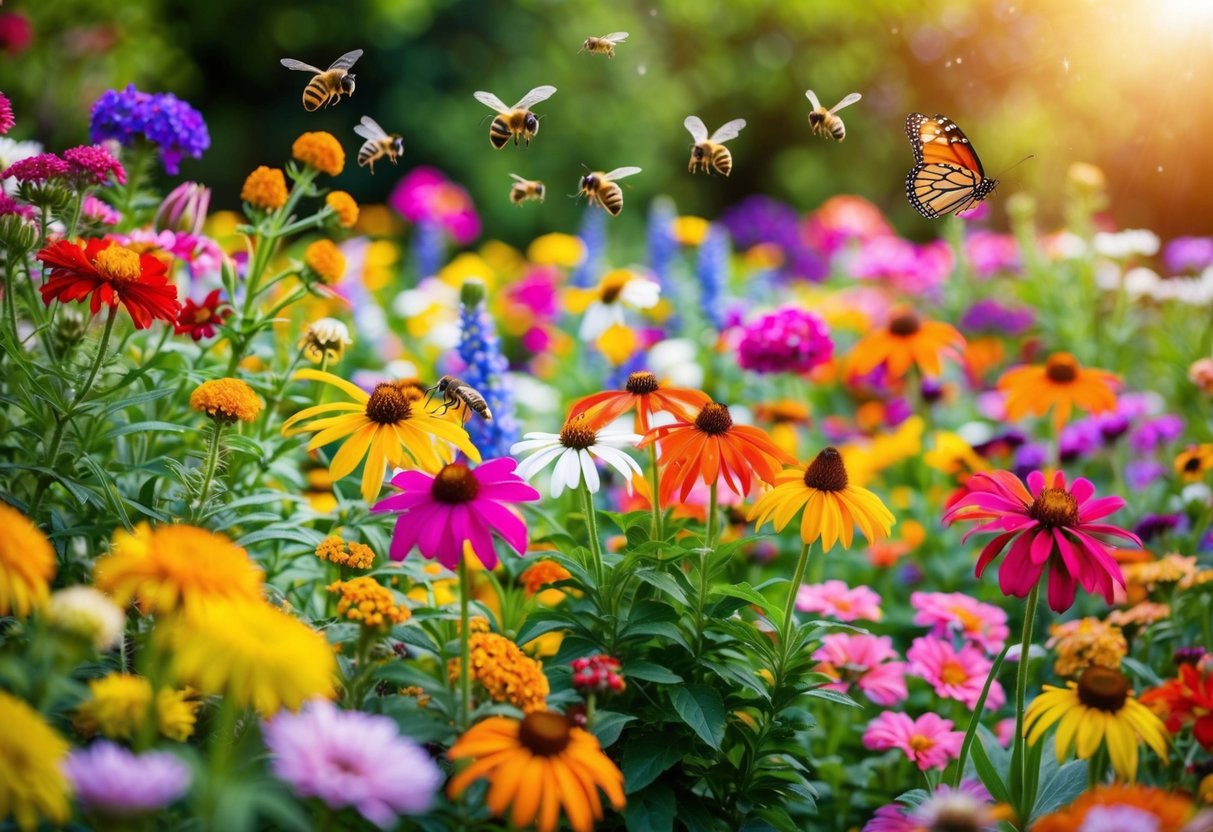
Flowers provide not just beauty but also sensory experiences that can enhance your garden. Choosing the right flowers can create delightful fragrances and attract important wildlife that supports the ecosystem.
Scents and Fragrances in Floral Selection
When you select flowers, consider their scents. Fragrant blooms can transform your garden into a sensory paradise. For example, jasmine fills the air with a sweet, alluring aroma. Lavender has a fresh scent that is calming and therapeutic. Lilacs also offer delightful fragrances that can evoke nostalgia.
You might love the bold, tropical scent of plumeria or the exotic smell of hibiscus. Other options, like sweet peas, provide subtle but lovely fragrances. Position these flowers near pathways or windows to enjoy their scents daily. Each choice adds a unique sensory experience, making your garden not just pretty but inviting.
Attracting Pollinators and Supporting Biodiversity
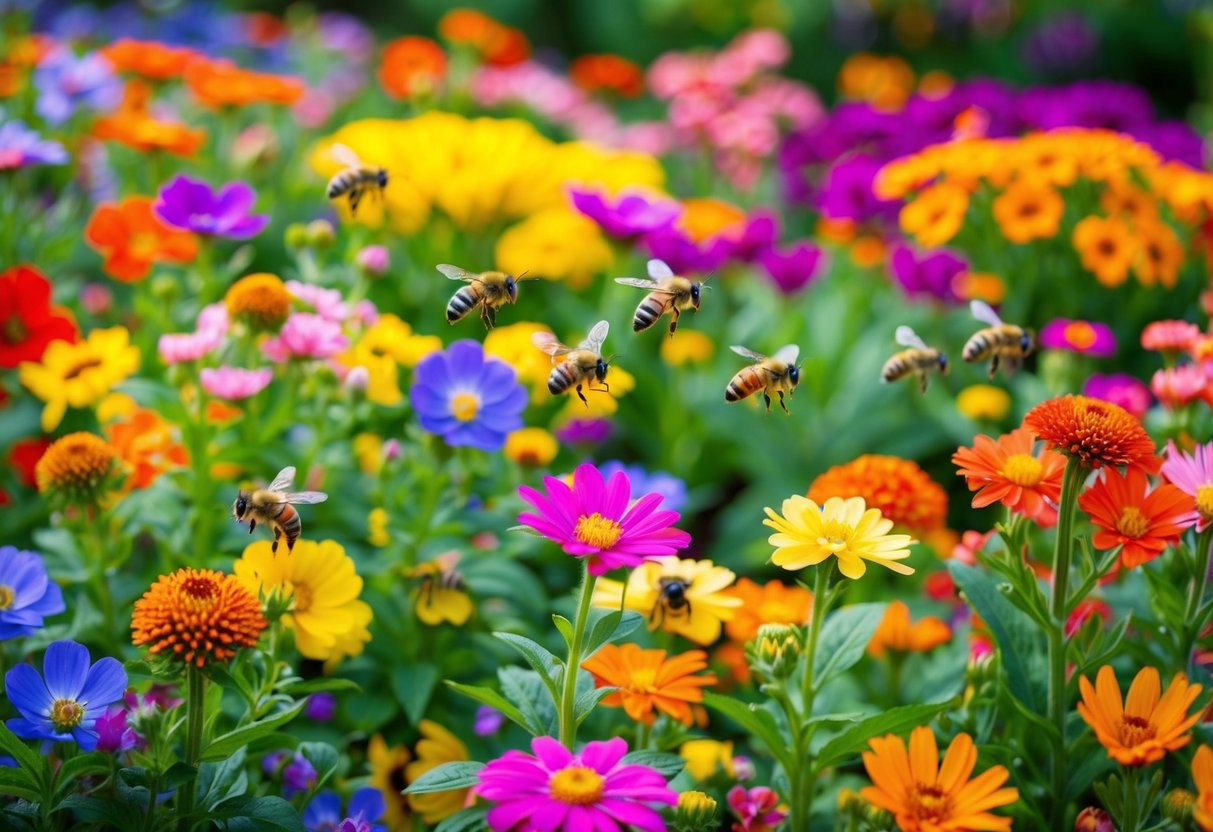
Choosing the right flowers also helps attract pollinators to your garden. Bees and butterflies favor flowers like magnolia and bird of paradise. They play a vital role in helping plants reproduce, which keeps ecosystems healthy.
Having a diverse flower selection fosters biodiversity, benefiting all plants and wildlife. For instance, planting a variety of blooms, such as hibiscus and lavender, creates habitats for pollinators. This encourages a balanced ecosystem. By nurturing these friendly visitors, you contribute to a thriving garden that supports life. Your choices can make a big difference!