
Which Mother is Seated First at a Wedding? Understanding Seating Etiquette
As you plan your wedding, you may wonder about the seating order during the ceremony, especially when it comes to the mothers of the couple. Traditionally, the groom’s mother is seated first, followed by the mother of the bride. This practice highlights the joining of two families and helps set the stage for a meaningful ceremony.
Understanding this seating arrangement can help you and your families feel more comfortable on the big day. Knowing who goes where can ease any confusion and ensure that everyone is included.
When it comes time for the ceremony, you’ll appreciate having clarity on this important detail.
Whether you’re organizing a large celebration or an intimate gathering, each element contributes to the overall atmosphere. By making sure the right people are seated in the right order, you can focus on enjoying the moment as you say your vows.
Wedding Ceremony Basics
As you prepare for your wedding, understanding the basics of the ceremony is essential. These elements help create a smooth flow and set the tone for the day.
Understanding Processionals
The processional marks the start of your wedding ceremony. This involves all key participants walking down the aisle, creating a moment of anticipation for you and your guests.
Typically, the order begins with the officiant and groom. Next come family members, often starting with grandparents, followed by the groom’s parents. The bride’s mother usually walks last before the bridal party.
Traditions can vary, so it’s important to decide what feels best for you. Discussing your preferences with family can also help.
Making these choices will add a personal touch to your ceremony.
Significance of Seating Arrangements
Seating arrangements are more than just logistics; they reflect family dynamics and relationships. Knowing who sits where can help avoid any awkward moments.
Traditionally, the groom’s parents are seated first, followed by the bride’s mother, who usually takes her seat last. This arrangement symbolizes the joining of families.
Your close family members, like siblings and cousins, should sit in the front rows. This makes them feel included in the special moment. Including your loved ones in the ceremony can add warmth and joy to the occasion.
Order of Entrance and Seating
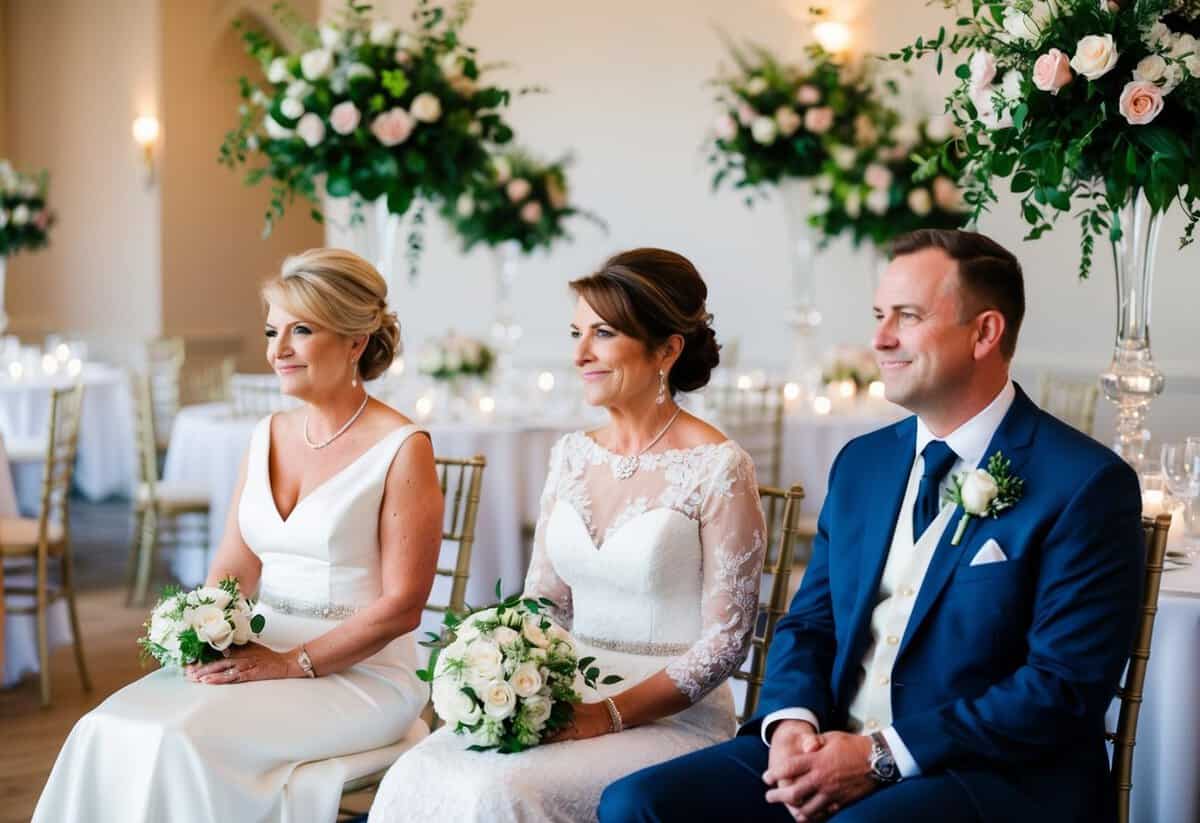
Understanding the order of entrance and seating is essential for a smooth wedding ceremony. It sets the stage for the processional and ensures that important family members have their roles highlighted.
General Processional Order
In many wedding ceremonies, the processional order typically starts with special guests. This includes grandparents, followed by the groom’s parents. After them, the mother of the bride is seated.
Then, the bridal party enters, beginning with groomsmen and bridesmaids. Finally, the maid or matron of honor walks down the aisle, followed by the bride, who is the last to enter. This sequence not only honors family but also builds anticipation for the couple’s big moment.
Seating the Mothers
When it comes to seating the mothers, tradition plays a key role. Commonly, the mother of the bride is seated last, just before the processional begins. This signifies her special role in the ceremony.
On the other hand, the groom’s parents are usually seated earlier in the processional. Some couples prefer to have both mothers escorted down the aisle together, which can be a lovely touch.
It’s important to communicate these preferences to ensure everyone feels included.
Special Considerations for Step-Parents
If you have step-parents, it’s vital to consider their roles during the ceremony. Typically, step-parents are included in the processional but may sit in the same row as the biological parent.
You might want to name them alongside their partner in the seating plan. This acknowledges their importance while maintaining the family dynamic.
Planning this ahead of time can help avoid any misunderstandings on the wedding day.
Cultural and Religious Considerations
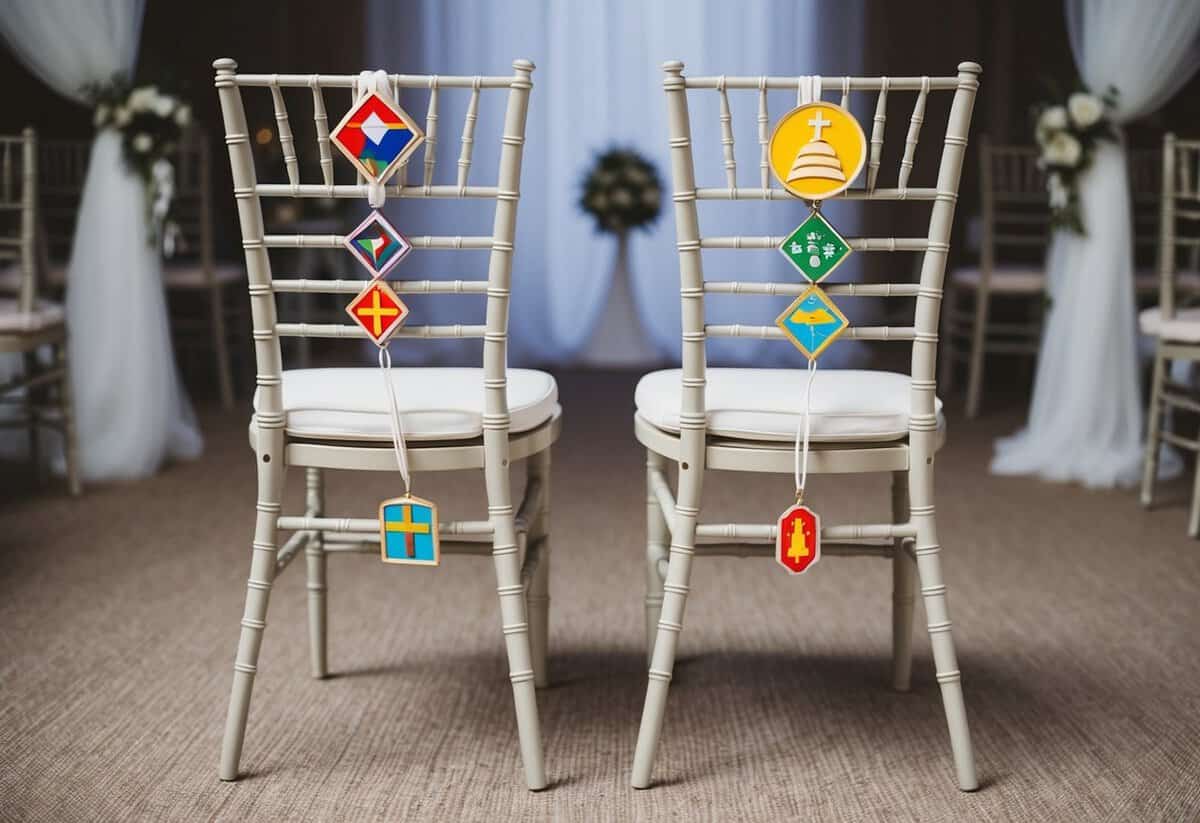
When it comes to seating mothers at weddings, cultural and religious traditions play a big role. Different ceremonies have unique customs that guide this special moment. Here’s a closer look at some key differences.
Differences in Christian and Jewish Ceremonies
In Christian weddings, the order is quite straightforward. Typically, the groom’s parents are seated first. This symbolizes their support for the groom. Then, the bride’s mother takes her seat, often just before the ceremony begins.
In contrast, Jewish weddings can vary. The bride’s mother might be seated last, signifying the importance of her role. During the Jewish wedding processional, the focus is on the bride’s family. This showcases the deep-rooted cultural values held within the ceremony itself.
Varied Traditions in Hindu Weddings
Hindu weddings are rich with traditions and rituals. The groom’s family often participates first, leading the processional. This is known as the baraat, where the groom arrives with family and friends.
After they are seated, the bride’s mother usually takes her place at the mandap. This ceremonial canopy marks the beginning of the wedding rituals. The seating arrangement emphasizes the importance of both families and their roles in the ceremony.
Customs in Non-Denominational and Interfaith Marriages
In non-denominational and interfaith weddings, the processional order can be quite flexible. Couples often blend different traditions to create a unique experience.
You might see the groom’s parents seated first, followed by the bride’s mother. This approach reflects the couple’s desire to honor both sides. Since there are no strict rules to follow, it allows for creativity, making the ceremony feel personal and meaningful.
Practical Tips for a Smooth Ceremony
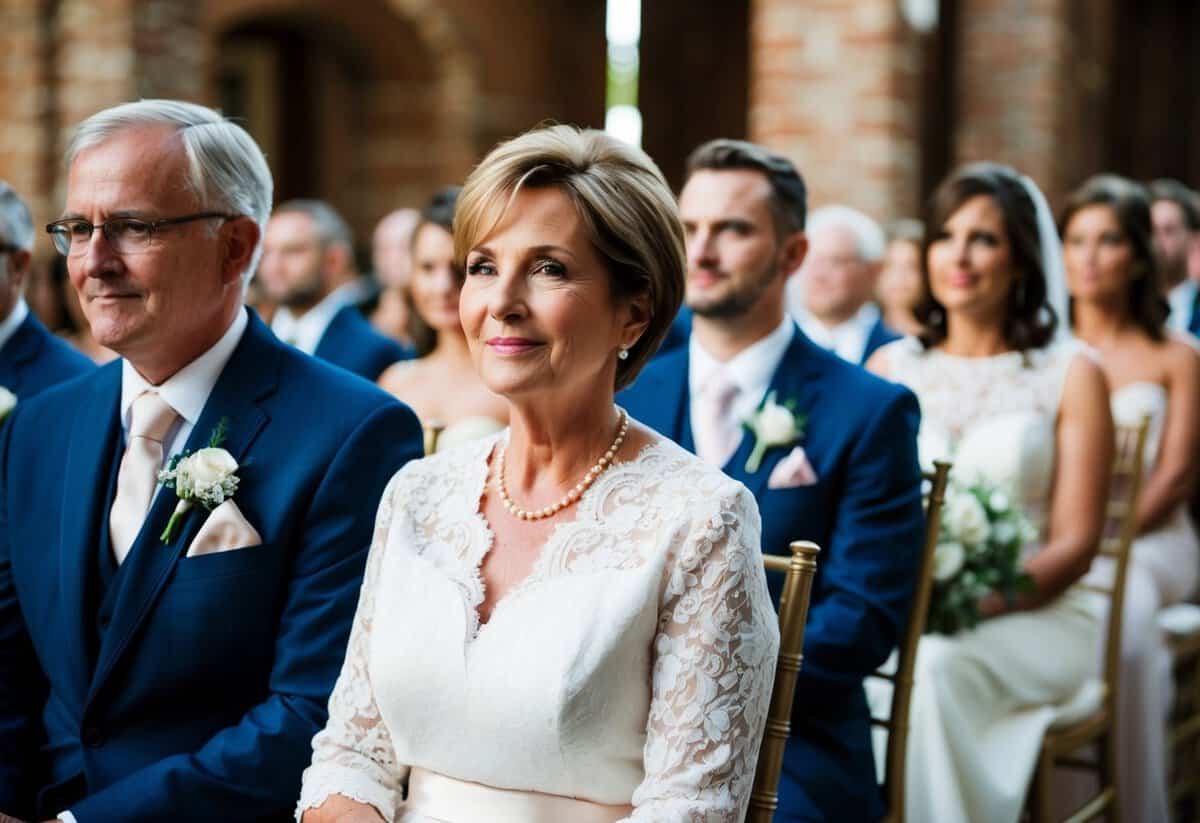
Planning your wedding involves many details that can make your special day go smoothly. Focusing on coordination, personal touches, and choosing the right music can enhance the experience for everyone involved.
Coordinating with the Wedding Planner
Your wedding planner is your best ally in making sure everything runs smoothly. Start by discussing the seating order of the mothers with them. Decide who will be seated first based on traditions or personal preferences.
Make a detailed timeline of the ceremony events and share this with your planner. This will help them ensure that everyone knows when to be in place.
Don’t forget to communicate any special needs for family members, so everyone feels comfortable during the event.
Personalizing the Processional Order
Personalizing the processional order adds meaning to your ceremony. Begin with the groom’s mother, as this is a common tradition. Following that, the bride’s mother is typically seated.
Consider involving other important family members too. You could have grandmothers or other close relatives walk down the aisle.
Discuss any special preferences with your planner to create a processional that reflects your family dynamics.
Choosing the Right Music
The music you choose sets the mood for your ceremony. This includes the wedding processional song. Select a tune that resonates with you and your partner.
Consult with your planner about how and when the music will play. Think about whether live musicians or recorded tracks are best for your setting. Ensure the song choice is clear to everyone involved so there are no surprises on your special day.