
Which Parents Walk Down the Aisle First? A Guide to Wedding Traditions
Choosing the order in which parents walk down the aisle during your wedding ceremony can feel a bit tricky. Traditionally, the groom’s parents walk down first, followed by the bride’s mother, often escorted by an usher. However, many couples today personalize this aspect to fit their unique style and family dynamics.
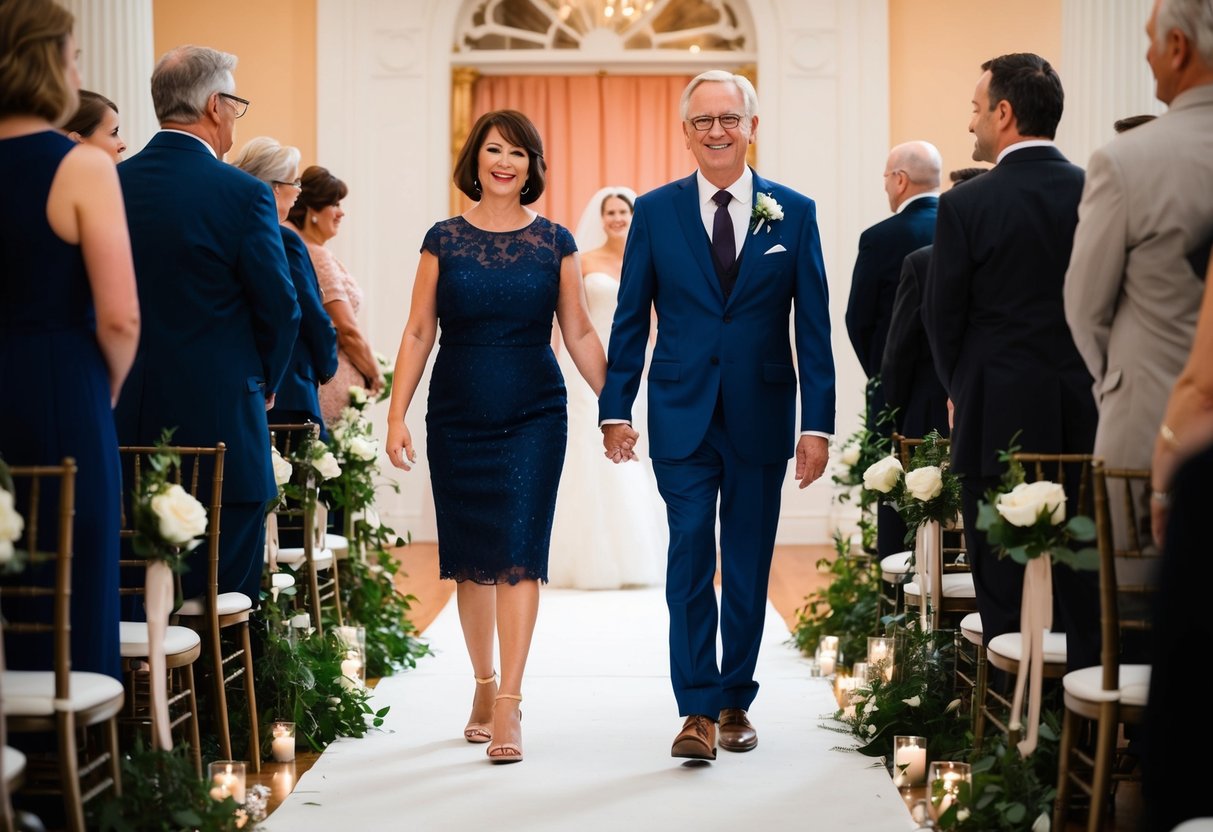
In modern weddings, you might see different variations based on cultural backgrounds or personal preferences. For instance, in a non-religious ceremony, you could decide to have both sets of parents walk down together or even select a different order to suit your story. Understanding these traditions can help you feel more confident in making the right choice for your special day.
Understanding the Traditional Wedding Processional Order
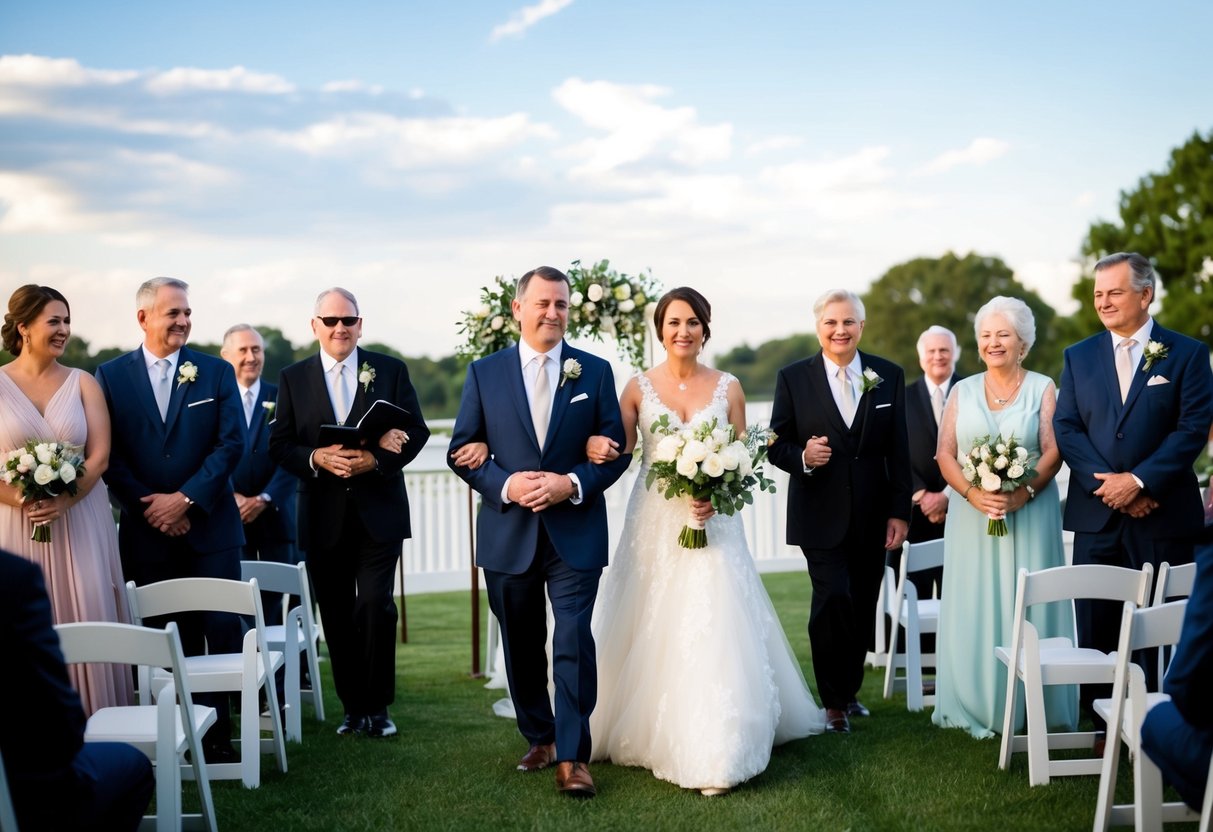
When planning a wedding, knowing who walks down the aisle first is important. It sets the tone for the ceremony and highlights the roles of family members involved. Different traditions can also influence this order.
The Role of the Officiant and Grandparents
The officiant typically leads the processional. This person is essential for the ceremony, and they usually enter first. Following the officiant, the grandparents may walk down the aisle.
In many traditions, grandparents are honored guests. They might be escorted by a family member or walk alone, depending on their comfort. Their presence is often appreciated and adds to the emotional weight of the ceremony.
In some cultures, like Jewish and Catholic weddings, the order might differ slightly. However, the officiant’s entrance remains a constant, signifying the start of the event.
Parents of the Groom and Mother of the Bride
After the officiant and grandparents, the order often includes the groom’s parents. The groom’s mother usually walks down the aisle, sometimes accompanied by her partner.
Next, the mother of the bride follows. She often walks alone or with the bride’s father, depending on family dynamics. In some nondenominational ceremonies, both sets of parents may walk together to symbolize unity.
In Hindu weddings, the order can vary significantly. The bride’s parents may enter last, creating a strong visual statement. Each tradition has its unique way of honoring family, so it can be helpful to choose what feels right for you.
Roles and Entrance of the Wedding Party
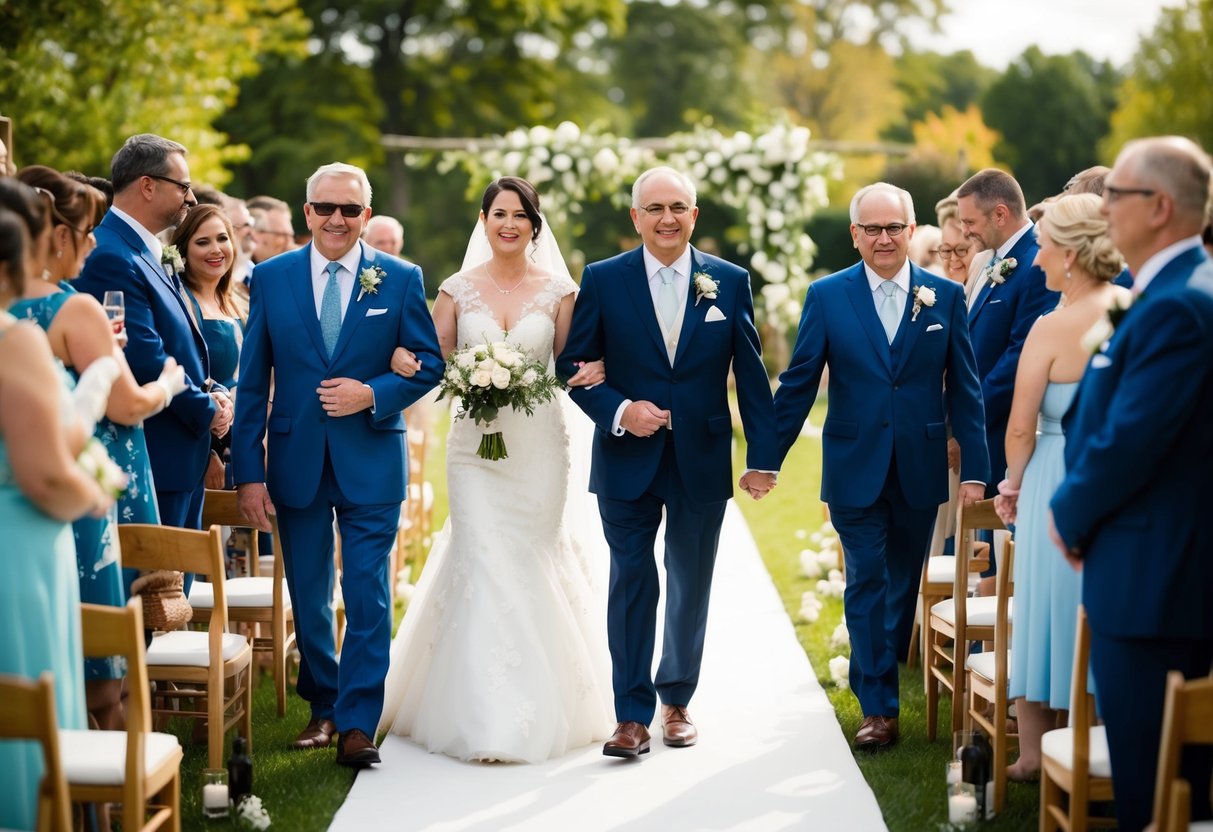
The wedding party plays an important role in the ceremony. Each member has a specific part to play during the bridal party procession, ensuring the day unfolds smoothly. Understanding who enters when will help you coordinate the event perfectly.
The Groom and Best Man’s Entrance
The groom usually walks down the aisle first, setting a confident tone for the ceremony. He may be accompanied by his best man, who stands by his side during the vows.
Often, the best man is a close friend or relative, chosen for his support. It’s common for the groom to enter from the side or front of the venue, depending on the layout.
This entrance is usually simple and relaxed, allowing for a moment to settle any pre-ceremony jitters.
Bridesmaids, Groomsmen, and Ushers
After the groom, the bridesmaids and groomsmen walk down the aisle. Typically, they enter in pairs, with one bridesmaid paired with one groomsman.
Bridesmaids may wear matching dresses that align with the wedding colors. Groomsmen often wear coordinating suits. This keeps the look uniform and visually appealing.
Ushers can also play an important role in seating family members and guests. They should be attentive and ready to assist as needed. Their entrance adds to the overall ceremony flow, bringing anticipation for the bride’s arrival.
Special Roles: Flower Girls and Ring Bearers
Flower girls and ring bearers add charm to the ceremony. They usually walk right before the bride, bringing a touch of innocence and joy.
Flower girls typically scatter petals down the aisle, creating a beautiful path. Their outfits are often similar to the bridesmaids, adding to the visual theme.
Ring bearers carry the wedding rings on a decorative pillow or in a small box. This role is often filled by a younger family member, making it a special moment for everyone involved.
Their entrance captures guests’ hearts, adding to the emotional impact of the day as they lead up to the bride’s big reveal.
The Highlight of the Ceremony: Bride’s Entrance
The bride’s entrance is a magical moment in any wedding ceremony. It sets the tone for the rest of the event and captures everyone’s attention. Understanding the roles involved can help you prepare for this special moment.
Bridal Entrance and the Father of the Bride
Traditionally, the father of the bride walks her down the aisle. This symbolizes his support and blessing as she begins a new chapter in her life. As you approach the aisle, the music often shifts to a more emotional piece, enhancing the moment’s significance.
Before the ceremony, communicate your preferences with your father. Discuss if you want him to escort you all the way to the chuppah, or if you’d like to pause for a special moment with him. This step can personalize your entrance and make it more meaningful.
During the walk down the aisle, all eyes will be on you. Embrace the moment, smile, and maintain eye contact with your loved ones. This connection empowers you and sets a joyous tone for the ceremony.
Maid of Honor’s Role During the Bride’s Entrance
The maid of honor plays a vital role during your entrance. Her responsibilities include holding your bouquet and smoothing your dress as you walk. Ensure you choose someone who can support you emotionally and practically.
When you reach the front, the maid of honor stands nearby, helping to manage your veil or train. This attention to detail makes for a smooth transition to the next part of the ceremony.
As the wedding officiant begins, your maid of honor will help keep you focused. Her presence can provide comfort and reassurance. Having a trusted friend by your side during this moment makes all the difference.
Cultural Variations in Wedding Processional Orders
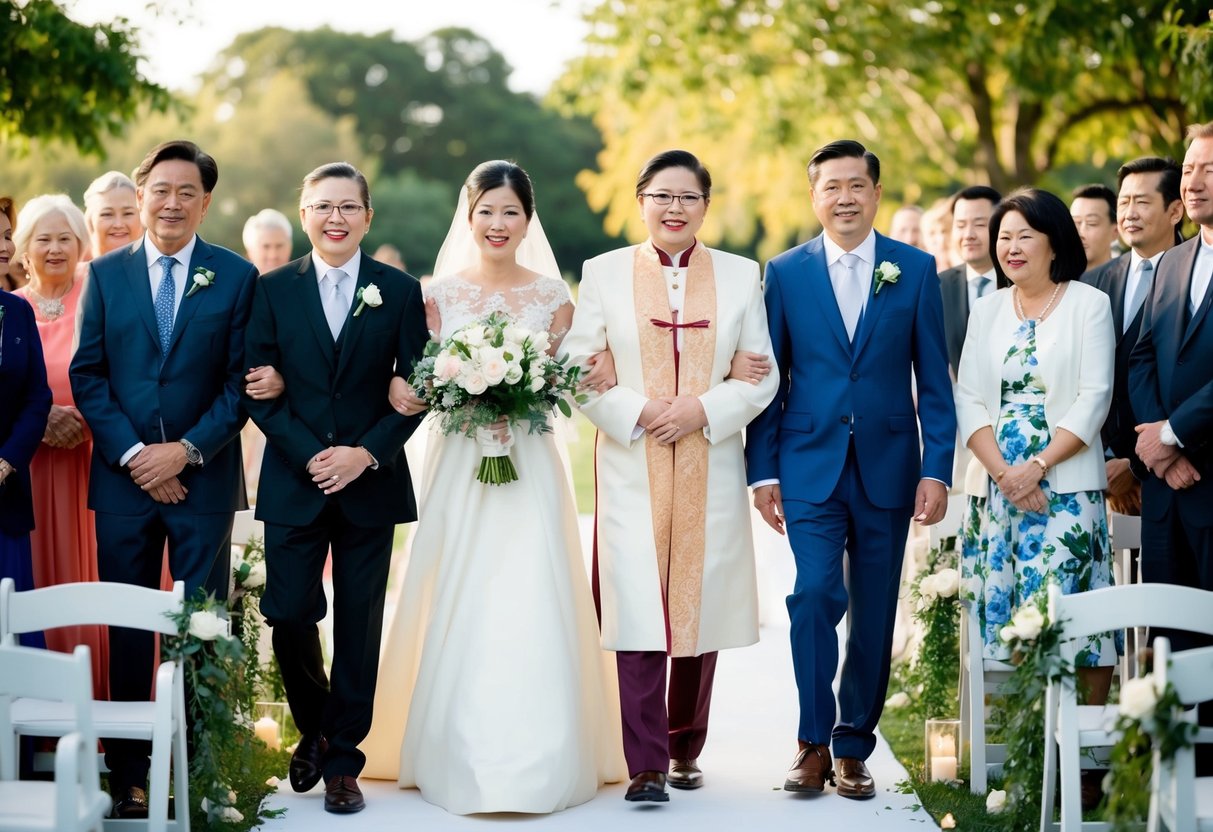
Different cultures have unique customs for the wedding processional. These traditions affect the order in which parents and family members walk down the aisle. Here’s a look at how processional orders vary across different cultures.
Christian Wedding Processional Customaries
In many Christian weddings, the groom’s parents typically walk down the aisle first. They may be followed by the bride’s mother, who is often accompanied by an usher. The officiant often enters last before the wedding party.
A common order for the wedding party includes the following:
- Best Man
- Groomsmen
- Bridesmaids
- Maid/Matron of Honor
Finally, the bride enters, usually with her father. This tradition highlights the importance of family and the joining of two households.
Jewish Wedding Processional Traditions
In Jewish ceremonies, the processional can vary but generally places the bride’s parents first. They often walk down the aisle together, followed by the groom’s parents.
The bride usually enters last, often accompanied by both parents as a show of unity and support.
Here’s how the order might look:
- Rabbi
- Bride’s Parents
- Groom’s Parents
- Groomsmen
- Bridesmaids
- Bride
This tradition reflects significant religious customs and values, making the procession a meaningful part of the ceremony.
Hindu Wedding Processional Practices
Hindu weddings often have colorful and elaborate processions. The groom usually enters first, accompanied by his family and friends, while playing traditional music. The bride may wait until after the groom has arrived at the wedding venue.
Once the groom is in place, the bride walks down the aisle with both of her parents. This practice symbolizes the support of the family in welcoming the couple into a new life together.
The typical order looks like this:
- Groom with his family
- Bride’s family members
- Bride
These practices reveal the cultural significance of family and community in Hindu celebrations.