
Which Side Does the Bride Sit on Top Table UK? A Guide for Your Wedding Day
When planning your wedding, one important detail is the seating arrangement, especially at the top table. In the UK, the bride traditionally sits on the left side of the table next to her father, with the groom on the right. Understanding this layout helps create a comfortable and organized atmosphere for you and your guests.
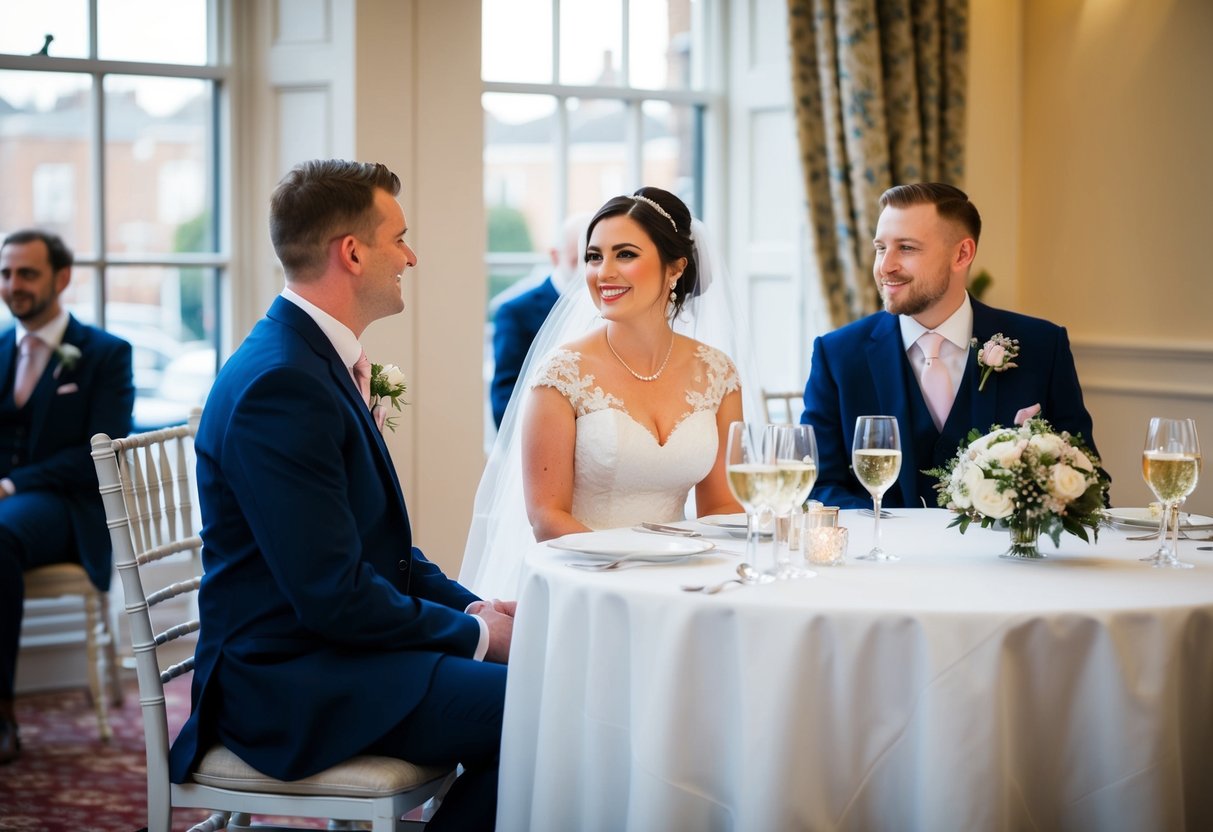
The top table at a wedding usually includes the bride and groom, their parents, and the maid of honour and best man. This traditional top table layout ensures that the most important people in your life are close to you during the celebration. Knowing where everyone sits not only adds to the charm of your wedding but also helps in coordinating your big day smoothly.
As you plan your wedding, consider these seating arrangements carefully. A well-planned seating chart can enhance the experience for everyone involved, making your special day even more memorable.
The Top Table Layout
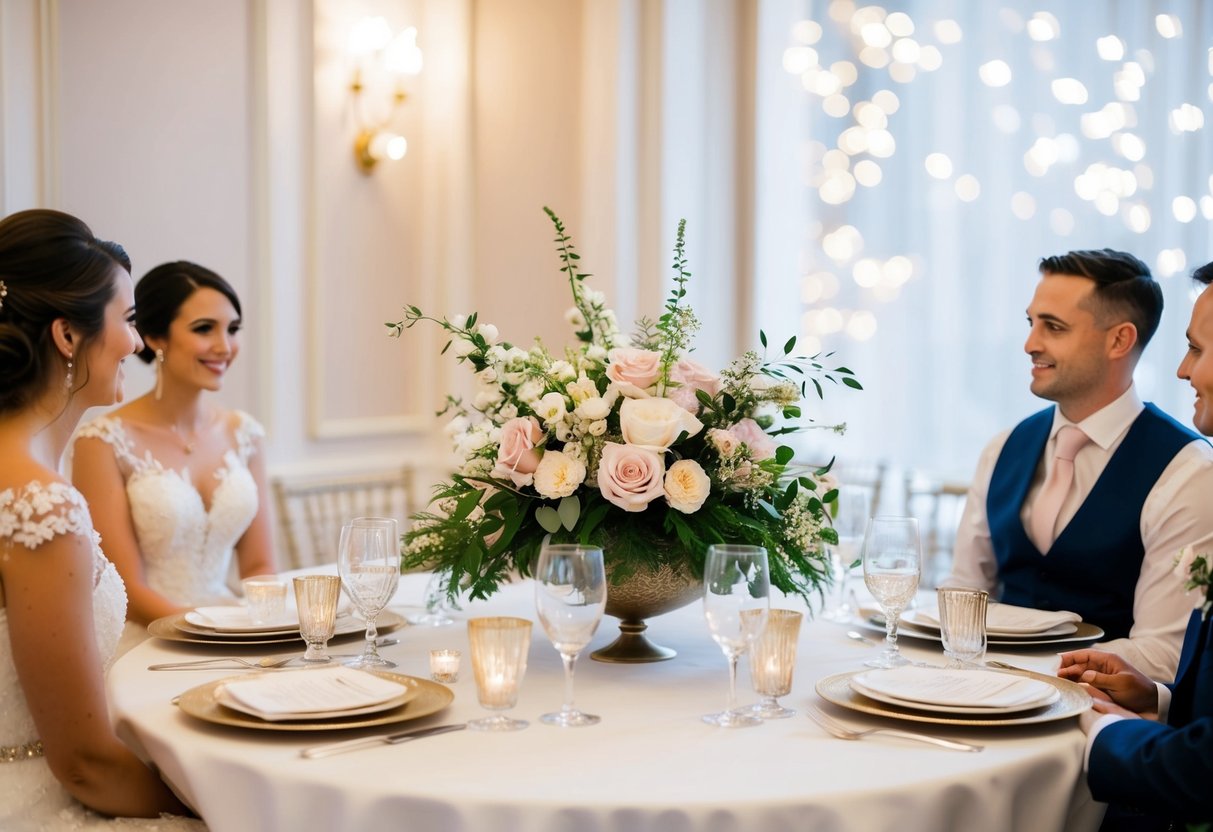
When planning your wedding, the top table layout is an important detail to consider. Understanding the traditional arrangement can help you decide how to seat your closest friends and family.
You might also explore alternatives that suit your style and situation.
Understanding the Traditional Top Table Arrangement
In the UK, the traditional top table layout places the bride and groom at the center. Typically, the bride sits to the left of the groom. Beside them, you will usually find their respective parents. The bride’s father sits to her left, while her mother sits next to him. The groom’s parents are seated on the groom’s right, with his mother beside him and his father next to her. The best man and maid of honour often sit at either end of the table.
Alternatives to the Traditional Layout
Many couples choose to get creative with their top table layout. You might opt for a more relaxed seating arrangement, such as having no top table at all. Instead, you can join your guests at various tables. This option encourages mingling and creates a fun atmosphere.
Alternatively, some couples adopt a more American style, where the entire wedding party, including bridesmaids and groomsmen, sits together at one head table. This variation allows for a closer-knit celebration.
Seating Etiquette for Divorced and Step-Parents
Handling the seating for divorced parents can be sensitive. It’s best to communicate openly with your families about their preferences.
You may decide to seat divorced parents at separate ends of the top table to avoid tension. If you have step-parents, consider their feelings as well. A good approach can be to seat step-parents next to their partners, ensuring everyone feels included.
Make sure your seating chart reflects these dynamics to promote a harmonious atmosphere.
Positioning the Wedding Party
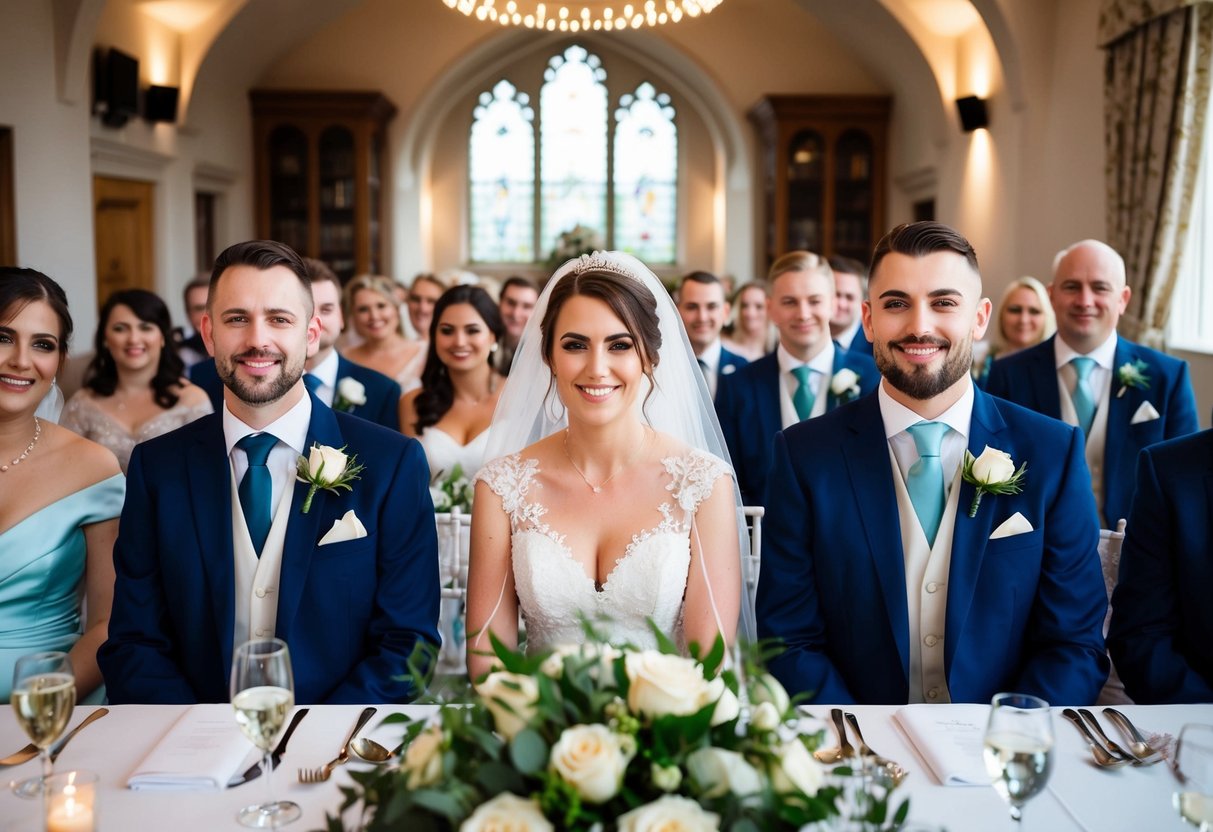
Getting the seating arrangement right is key for a beautiful wedding. The way you position your wedding party can enhance the ceremony and reception experience, making it more memorable for everyone involved.
Roles of the Bridesmaids and Groomsmen
Bridesmaids and groomsmen play important roles in your wedding. They stand beside you during the ceremony, offering support and love.
Typically, the chief bridesmaid sits beside the bride at the top table. This person often helps with planning and is there for moral support. Next to the chief bridesmaid, the best man supports the groom, sitting just as close.
The rest of the bridesmaids and groomsmen usually sit at a dedicated table nearby. This keeps your wedding party close while allowing them to mingle with guests. If you have multiple bridesmaids and groomsmen, consider how their seating arrangement can help the flow of conversation.
Incorporating Children into the Seating Plan
If you have children in your wedding party, such as flower girls and ring bearers, think about their seating too. You want them to feel included and comfortable during the event.
Children often sit with their parents or guardians at the reception. If they have specific roles, like walking down the aisle, they can also sit at the top table. This highlights their importance in your special day.
Be mindful of their needs. Having fun activities or snacks available can keep them entertained. It’s all about making everyone feel special, including the youngest members of your wedding party.
Creating Your Seating Plan
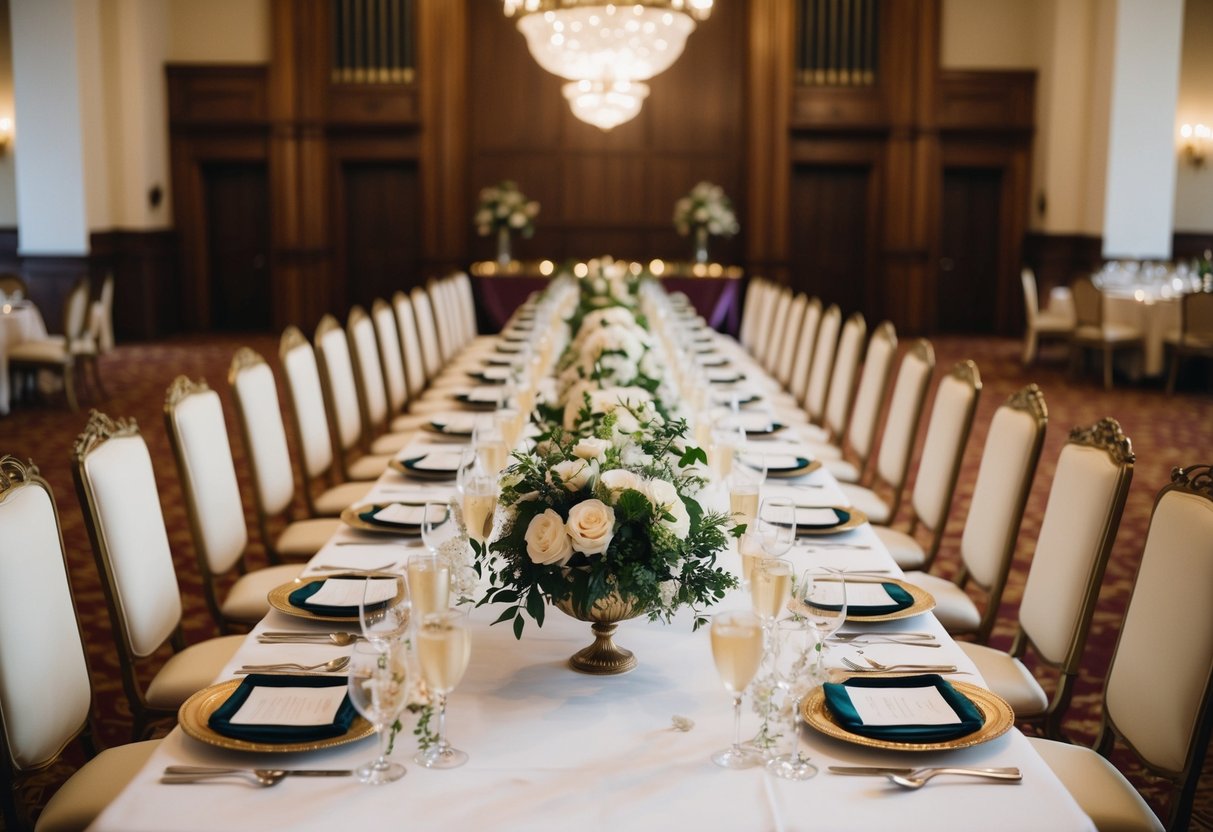
Creating a seating plan for your wedding can feel overwhelming, but it’s key to ensuring everyone enjoys the big day. You’ll want to gather RSVPs, decide on your table types, and consider the best arrangements for family and friends.
Gathering RSVPs and Planning Seating
Start by collecting RSVPs from your guests. This will help you know how many people will attend and assist in deciding on your seating plan.
A handy tool for tracking is a spreadsheet where you can list guests and their responses.
Once you have your numbers, think about how you want to arrange your tables. Consider creating a family table for parents of the couple and any closest family and friends. Make sure to note any special requests or needs, like dietary restrictions.
Deciding on a Sweetheart or Head Table
Choosing between a sweetheart table and a head table depends on your preference and style.
A sweetheart table means just the two of you sit together, which can be intimate. This setup lets you focus on each other during the meal.
If you opt for a head table, you can include your bridal party alongside you. Traditionally, the bride sits on one side of the groom. This table is great for sharing laughs and moments with close friends. Remember to check wedding seating etiquette for placement tips.
Designing Seating for Family and Close Friends
When designing your seating for family and friends, think about relationships and dynamics. Place family members next to each other for comfort. This could mean putting parents together at the family table.
You can also mix in close friends with family to create a lively atmosphere. Ensure everyone’s comfortable.
Decide on a layout that feels good and uses the space wisely. Think about flow and conversation to make sure your guests have a delightful experience.