
Which Side of Husband Should the Wife Sit On? Exploring Traditional Seating Arrangements
When it comes to seating arrangements, you might wonder which side you should sit on next to your husband. Traditionally, the wife is expected to sit on her husband’s left side. This practice comes from historical beliefs that a man’s right arm is his “sword arm,” allowing him to defend his wife from danger if needed.
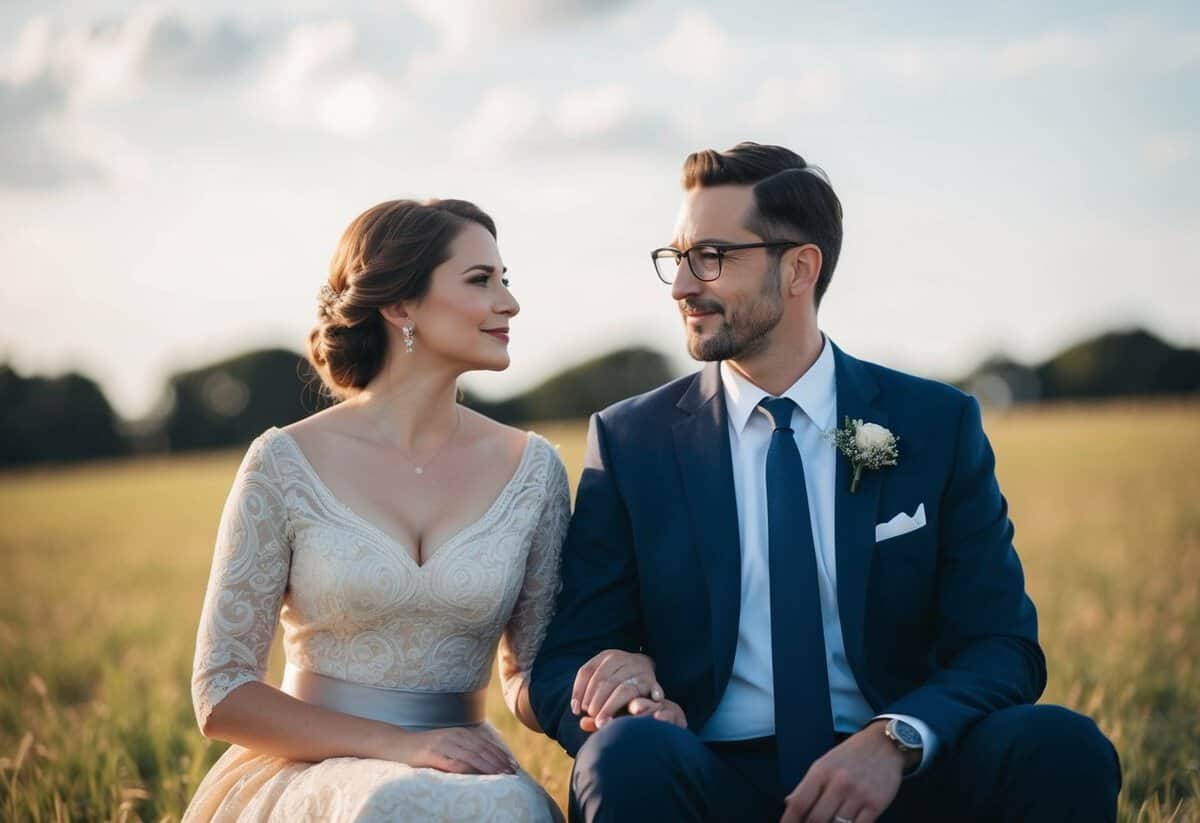
Cultural and religious customs can influence this arrangement too. In many ceremonies and rituals, such as weddings or religious rites, specific seating positions may carry symbolic meanings.
Exploring the reasons behind this practice can add depth to your experiences, whether at formal events or in casual settings. Knowing where to sit is more than just a tradition; it reflects values of partnership and support.
Cultural Significance of Seating Positions
Seating positions during rituals and ceremonies carry rich cultural meanings and traditions. These customs often reflect historical, religious, and social beliefs. Understanding these aspects helps you appreciate the importance of positioning in various contexts.
Historical Perspective
Historically, the seating arrangement of a husband and wife during weddings and rituals has been significant. In many cultures, the wife traditionally sits to the left or right of her husband, symbolizing various values.
For instance, sitting on the right often indicates support and partnership, as seen in several Hindu rituals, like puja and homa.
During weddings, customs dictate that the wife sits on the left side of her husband to signify closeness or preference. Over time, these practices have strengthened family bonds and reinforced social roles. Understanding these historical nuances helps you see why seating matters in modern ceremonies.
Religious and Social Implications
Seating positions are also important in religious and social contexts. In Hinduism, the wife’s placement varies depending on the ritual.
For example, during rituals like shraad and yajna, she sits on the right, while on occasions like meals and blessings, she may sit on the left. These practices carry deep meanings related to respect and duty.
Socially, these seating customs can illustrate the dynamics within relationships. They reflect not just personal connections but also wider societal expectations.
By recognizing these implications, you can better grasp how seating positions impact your interactions during weddings and other significant events.
Symbolism in Wedding Ceremonies
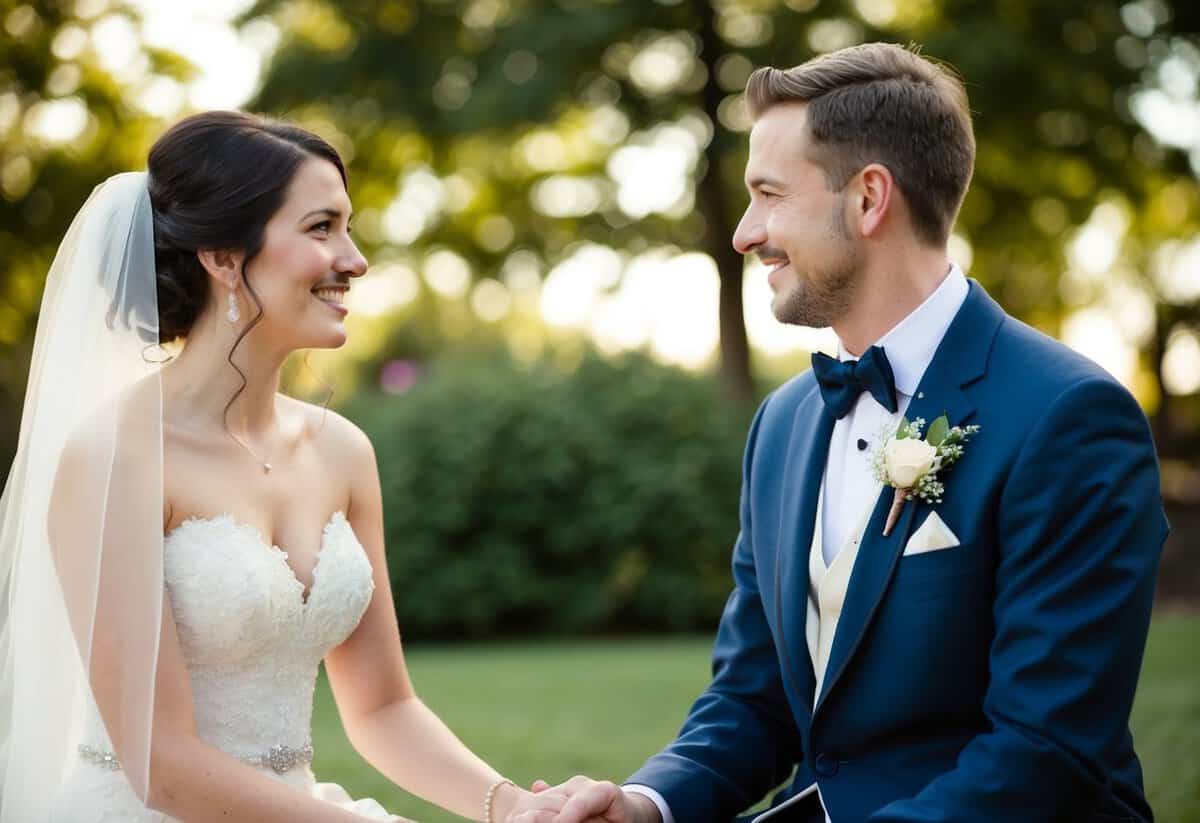
Wedding ceremonies are rich in symbolism, reflecting the roles and relationships between partners. This section looks at how positioning during the ceremony signifies protection and unity between the husband and wife.
Protective Positioning and the ‘Sword Arm’
During the wedding ceremony, the husband usually stands on the right side. This positioning is significant because it places him in the protective role, often referred to as the “sword arm.”
The idea is that the husband can shield his wife with his left arm. This traditional setup is about more than protection; it symbolizes the husband’s commitment to safeguarding his partner throughout their life together.
The wife’s placement on the left side also plays a role in this symbolism. It showcases the heart side, reflecting emotional warmth and strength. Together, these positions express a deep bond where each partner supports and defends one another.
Unity and the Couple’s Placement
The way a couple positions themselves during the ceremony emphasizes their unity. By standing together, they demonstrate their commitment to a shared life.
The traditional roles of the husband on the right and the wife on the left signify balance and harmony in their relationship.
The left side represents the wife’s emotional presence, while the right side represents the husband’s protective stance. This placement is vital for showcasing support, where both partners acknowledge their roles in nurturing and strengthening their relationship.
Such symbolism reinforces the idea that they face challenges together, united in love and partnership.
Modern Interpretations and Adaptations

Traditions around seating arrangements have evolved, reflecting changes in fashion and modern values. As married couples plan their ceremonies and events, they may choose to adapt these customs to fit their personal style and preferences.
Influence of Fashion and Trends
Fashion plays a significant role in how couples choose their seating arrangements. Modern weddings often incorporate unique ideas that break from tradition.
For example, while it’s common for the wife to sit on the left, some couples might opt for a more balanced look by switching sides or even sitting together.
Current trends favor personalization. Couples are embracing alternative seating like lounge areas filled with stylish chairs and cushions. This fosters a relaxed atmosphere, allowing you to express your personality while still honoring traditional ideals.
Contemporary Seating Arrangements
Contemporary seating arrangements focus on comfort and connection. Many couples prefer intimate setups rather than rigid, formal arrangements.
You might find a mix of seating styles, from elegant chairs to casual sofas. This variety ensures that you and your guests feel at ease.
Additionally, some couples choose to reverse traditional roles entirely. For example, a wife may sit on the right side, depending on the couple’s unique story or preferences. Ultimately, modern interpretations allow you to create an atmosphere that reflects your relationship while still acknowledging your roots.
Practical Considerations and Etiquette
When deciding which side to sit on during meals or events, it’s important to consider both tradition and personal comfort. Many customs can guide this decision, but what matters most is the setting and your own preferences.
Seating Dynamics During Meals and Events
During a meal, where you sit can affect the flow of conversation and comfort. Traditionally, many people believe that the wife should sit to the left of her husband. This is especially common in formal settings like weddings or ceremonies.
For family events, consider seating arrangements that allow for easy communication.
If you are sitting at a table with many guests, balance the sides by alternating seats between genders. This way, everyone feels included.
During a pooja or religious gathering, you may also want to follow customs. In these settings, seating arrangements might follow specific rules based on tradition.
You can make it special by discussing with your partner how you both prefer to sit together during these meaningful moments.
Balancing Tradition with Personal Preferences
Traditions often provide guidance, but it’s vital to balance them with your own comfort.
Think about how you and your husband feel about these customs. If sitting to the left makes you feel valued and secure, follow that tradition.
At gatherings with family or friends, you might feel more at ease breaking from tradition. Let guests decide which side they’d prefer to sit on.
This approach can make the atmosphere more relaxed.
Ultimately, seating should feel natural for you and your partner. Discuss your preferences together.
Whether at meals, pooja, or larger events, prioritize what feels right for both of you, while still respecting important traditions when they matter most.