
Who Arrives at the Wedding Ceremony First? A Guide to Wedding Timing
As you plan your wedding ceremony, you might wonder who arrives first. Typically, the officiant is the first to enter. Following them, the groom and his best man take their places at the front of the space. This traditional order sets the stage for the rest of the wedding party and highlights the significance of the couple’s moment.
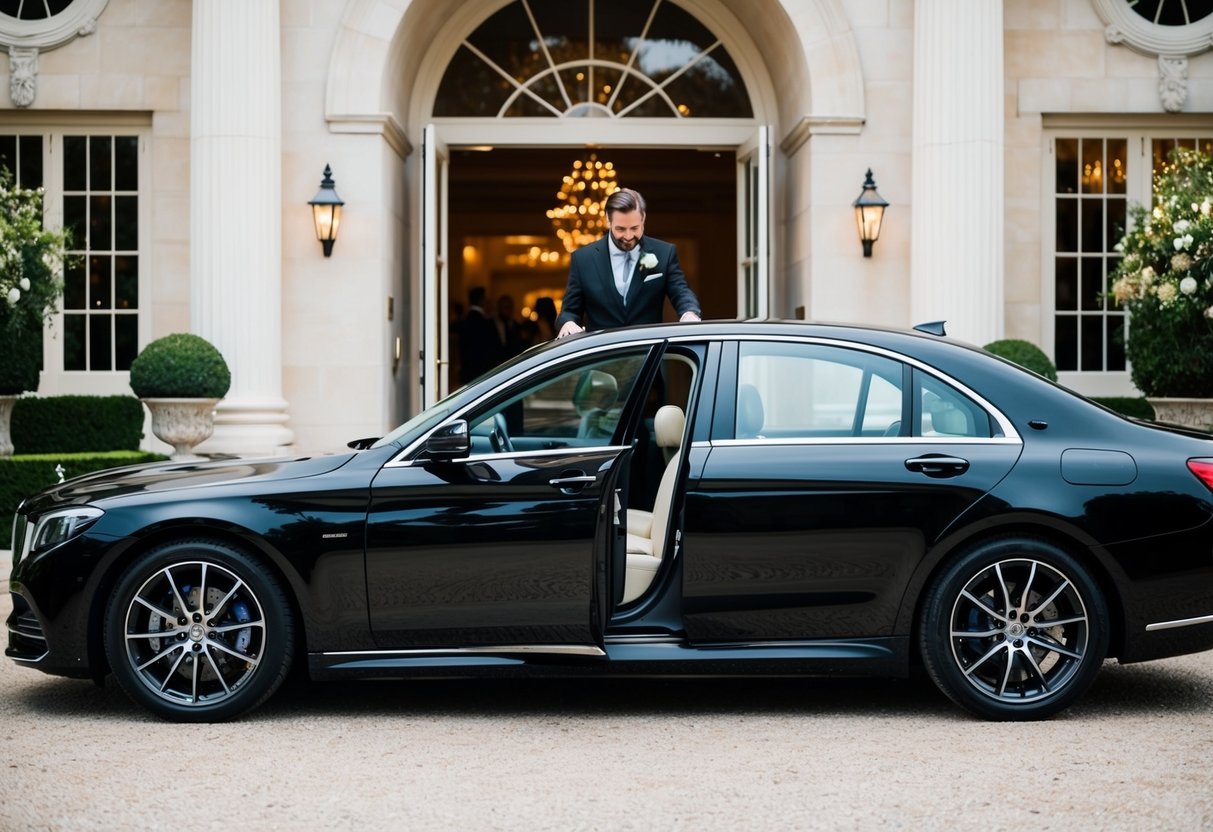
Cultural traditions can influence the order of arrivals, with different customs adding unique touches to the ceremony. You might include grandparents and parents of the couple next, followed by the wedding party, which consists of bridesmaids and groomsmen.
Each type of entrance brings its own charm and meaning to the event, showcasing not just the couple’s unique style but also their family ties.
Some couples choose a less conventional order to reflect their personalities or cultural heritage. Whatever route you take, understanding who arrives first helps you create a memorable ceremony that resonates with you and your loved ones.
The Significance of Arrival Order
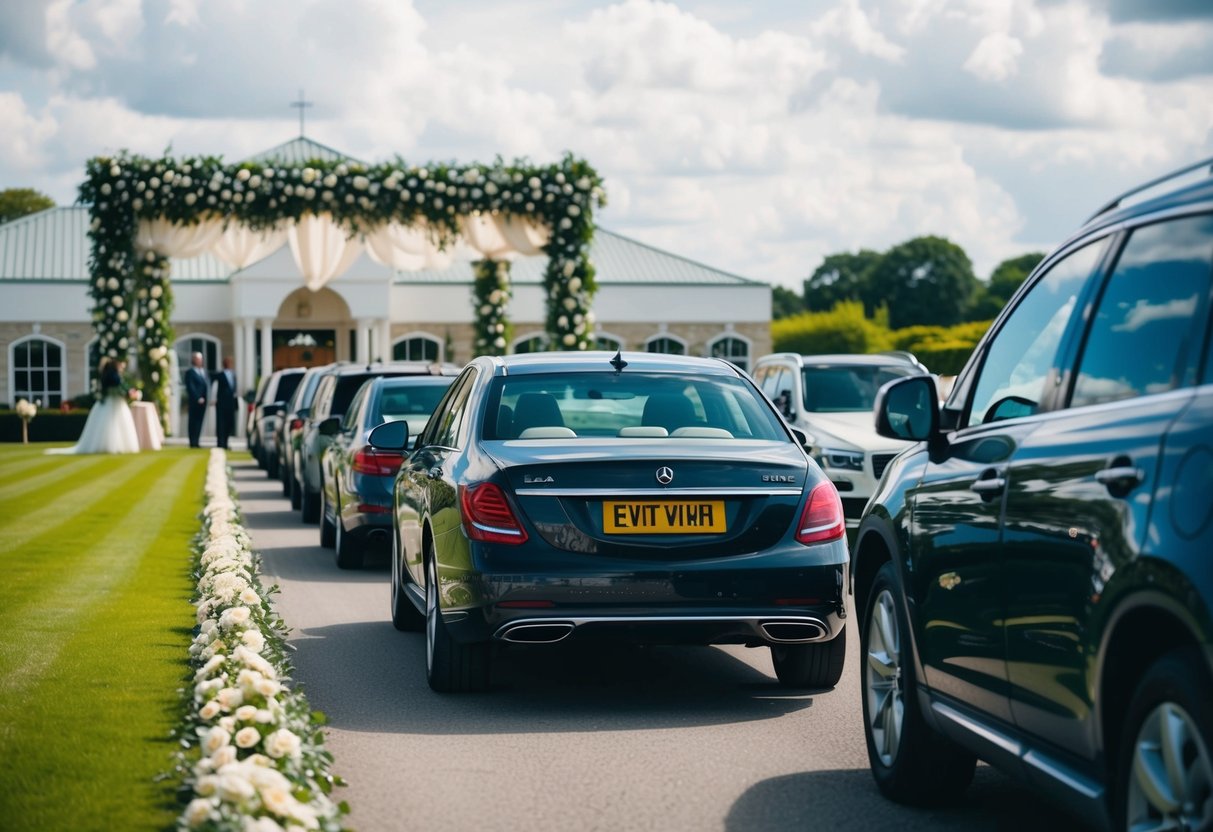
The order in which people arrive at a wedding ceremony can carry deep meanings. Each person’s entrance reflects traditions, cultural values, and personal choices. Understanding this will help you plan a meaningful event.
Symbolism and Tradition
The traditional order of entrance often starts with the officiant, followed by the groom and then the wedding party. This reflects a symbol of unity. It emphasizes the groom’s role as a supporter to the bride.
Grandparents and parents may enter next, honoring family and showing respect for elders. This signifies their importance in the couple’s lives. The bride usually makes the last entrance, symbolizing her transition into a new chapter.
Adhering to these traditions can help you honor family values. It can also create an atmosphere of celebration as guests witness the unfolding moment.
Personal Preferences and Cultural Variations
Your wedding can reflect personal tastes and cultural traditions. Some couples choose to break from traditional orders to make the ceremony feel unique.
For instance, in some cultures, both partners may walk down the aisle together, signaling equality and partnership.
You might also consider including specific customs. In some traditions, the bride’s parents escort her down the aisle. This highlights their role in her life.
Gender roles may also affect how you plan the entrance order. You might decide to incorporate a mix of traditional and modern elements to create a balance that feels right for you.
Roles and Responsibilities
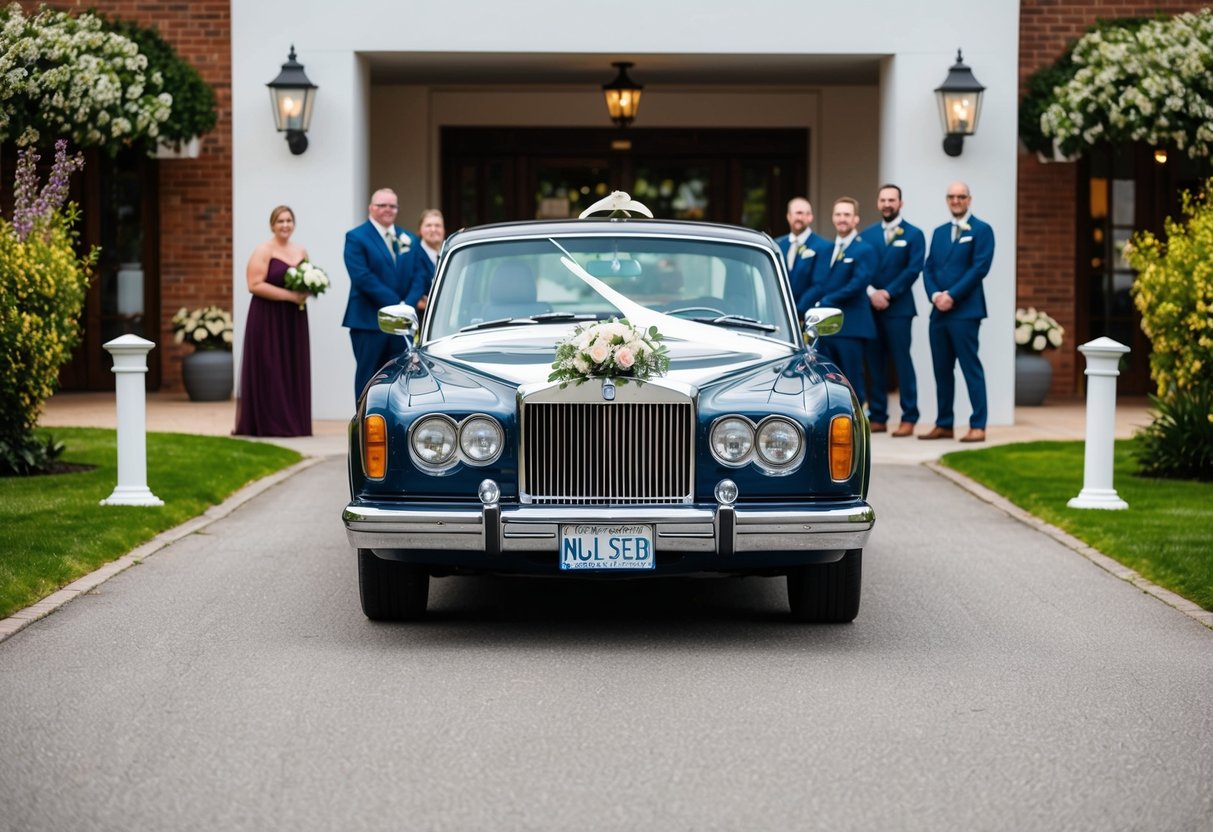
Understanding the roles and responsibilities of everyone involved in the wedding ceremony helps create a smooth and enjoyable event. Each member of the wedding party has specific duties that contribute to making the day memorable.
The Essential Wedding Party Members
The wedding party plays a key role in the ceremony. The groom is the central figure alongside his bride. The best man supports the groom, holding the rings and giving a speech.
Groomsmen assist with guest seating and provide support throughout the day.
Bridesmaids stand by the bride, helping her with tasks like adjustments and carrying her bouquet. The maid of honor, a crucial member, is in charge of the bride’s train and bouquet during the ceremony.
Little ones like the flower girl and ring bearer add charm. The flower girl scatters petals to create a lovely aisle, while the ring bearer carries the wedding rings, adding to the ceremony’s excitement.
Duties Beyond the Processional
Beyond their roles in the processional, members of the wedding party have other responsibilities. The officiant leads the ceremony, making sure everything runs smoothly and according to plan.
The mother of the bride and father of the bride often help with coordinating logistics. They may also assist in seating family members and greeting guests.
The parents of the groom also play a role in welcoming guests and supporting their son. The wedding planner is essential in organizing and ensuring all details, from decorations to timelines, are managed properly.
The Ceremony Timeline
In planning a wedding, the ceremony timeline helps you understand who arrives first and the order of events. This can ensure everything goes smoothly and everyone knows their role.
Traditional Ceremonial Order
In a traditional wedding ceremony, the order usually starts with the guests arriving and being seated. Ushers often help guests find their seats, typically about 30 to 45 minutes before the ceremony begins.
Next, the processional starts with the wedding party. This often includes parents, the bridal party, and then the bride, who usually has a grand entrance. The groom typically arrives with his best man just before the bride. This is a special moment as the couple prepares to exchange vows, making the ceremony feel even more significant.
Adjustments for Unique Celebrations
Many couples want their ceremony to reflect their unique style. In nondenominational weddings, you might skip some traditional elements. For example, you can change the order of entrance.
Same-sex couples may choose to walk down the aisle together or have both partners enter at the same time.
You can also incorporate personal touches, like special songs during the processional. Customizing the order of service makes your day feel more genuine and memorable.
Remember, the timeline can be flexible, but communication with everyone involved is essential for a smooth ceremony.