
Who Brings the Bride to the Altar? Understanding Traditional Roles in Wedding Ceremonies
When it comes to weddings, one of the most touching moments is when the bride makes her way down the aisle. Traditionally, the father of the bride brings her to the altar, symbolizing support and love as she begins this new chapter. This time-honored custom is charged with emotion and signifies the importance of family in the wedding ceremony.
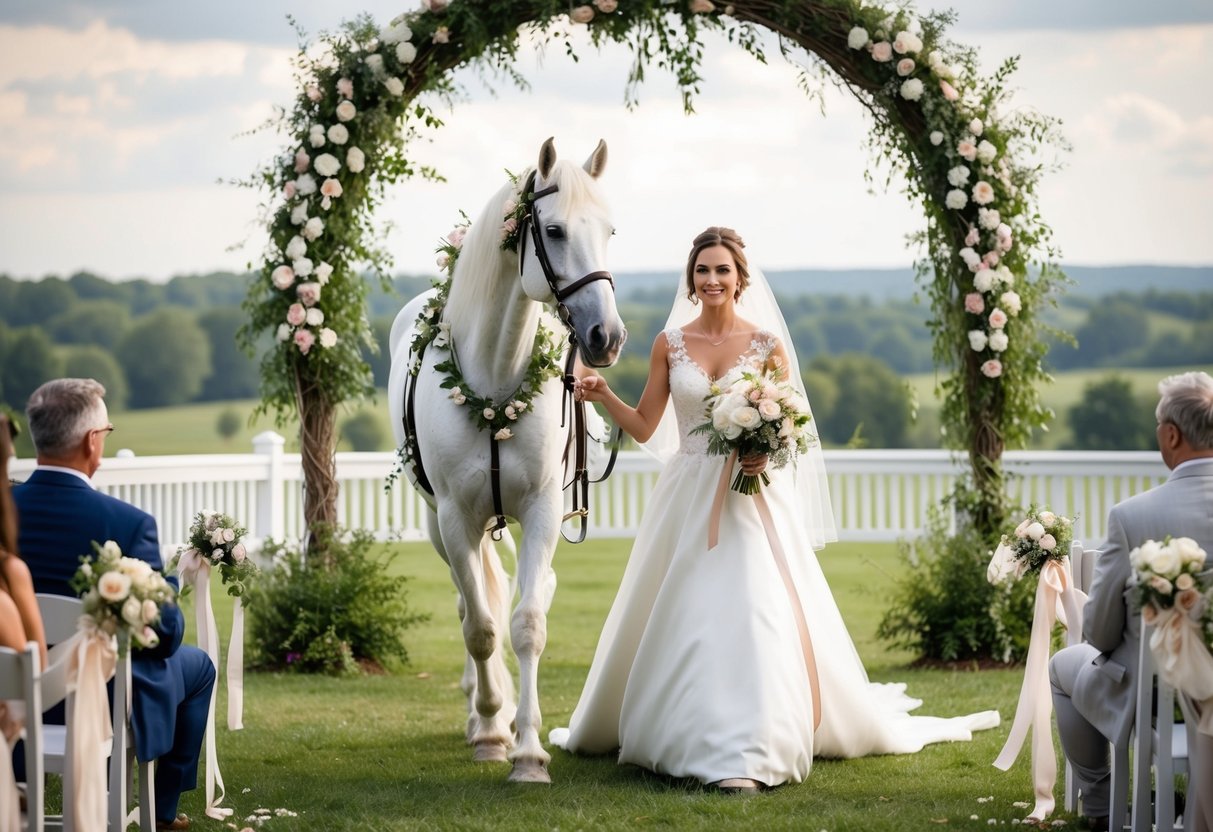
You might be curious about who else can play this special role. While the father is the most common choice, many brides opt for other family members, friends, or significant figures in their lives to walk them down the aisle.
The decision is personal and can reflect your values and relationships, making the moment uniquely yours.
As you plan your wedding, consider what this tradition means to you. The journey to the altar is not just about the physical act but also about shared memories and connections.
Wedding Ceremony Traditions
Wedding ceremonies have many traditions that highlight the roles of different participants, especially the bride’s journey to the altar. This section will explore the classic role of the father of the bride and how these customs can differ in various cultures.
Role of the Father of the Bride
In many cultures, the father of the bride has a special role during the wedding ceremony. Traditionally, he walks his daughter down the aisle, symbolizing giving her away to her groom. This act represents acceptance of the union and a blessing for the couple’s future.
During a Christian wedding ceremony, this moment is often emotional and significant. It can reflect the father’s love and support for his daughter.
In a Jewish wedding, the father has a similar role. He may also participate in other rituals, like the breaking of the glass, symbolizing the fragility of relationships.
The father’s presence is a meaningful part of the wedding day. It emphasizes family’s importance in the bride’s life and marriage.
Differences Across Cultures
Different cultures have unique traditions for who brings the bride to the altar. For instance, in a Hindu wedding ceremony, both parents or family members may lead the bride in a procession, highlighting the collective support of family.
In some cultures, brides may walk alone to the altar, symbolizing independence and self-reliance. In a Jewish wedding, the couple might walk down the aisle together, signifying their commitment to one another.
These variations show how weddings reflect personal beliefs and values. Understanding these differences enriches the experience of the wedding day, making it memorable and special for everyone involved.
Processional and Recessional
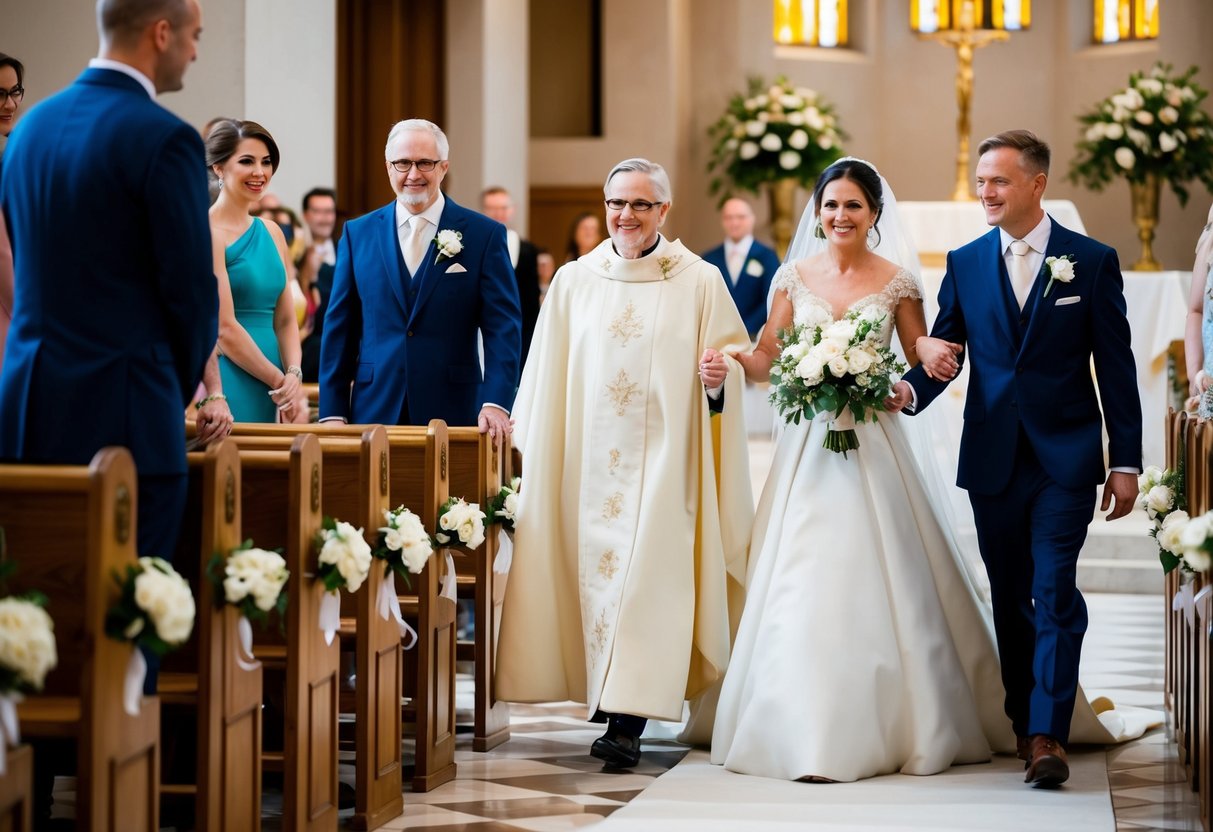
The processional and recessional are key parts of a wedding ceremony. These moments set the tone for the day, marking important transitions such as the bride walking down the aisle and exiting with her partner.
Order and Roles
The traditional order of the processional usually starts with the wedding party. First, the officiant and groom take their positions at the altar.
Next are the groomsmen, who often walk in pairs with the bridesmaids. It’s common for the maid of honor and best man to follow.
In many ceremonies, younger family members like the ring bearer and flower girl come next.
Finally, the moment everyone waits for: the bride walks down the aisle, often escorted by her father or a chosen family member. This processional can also include unique roles for LGBTQ+ couples depending on their preferences.
Modern Variations
In modern weddings, the processional can adapt to fit your style. For example, some couples choose non-traditional music or have the groom walk down the aisle with both parents.
You can also personalize the roles in the processional. Friends and family from either side can participate, reflecting the couple’s journey.
For LGBTQ+ couples, it’s common to include all loved ones and create a diverse lineup.
As for the recessional, it typically begins immediately after the couple is pronounced married. Both partners walk back down the aisle together, often met with cheers and confetti. This moment celebrates your union and sets the mood for the celebration ahead.
Wedding Party and Participants
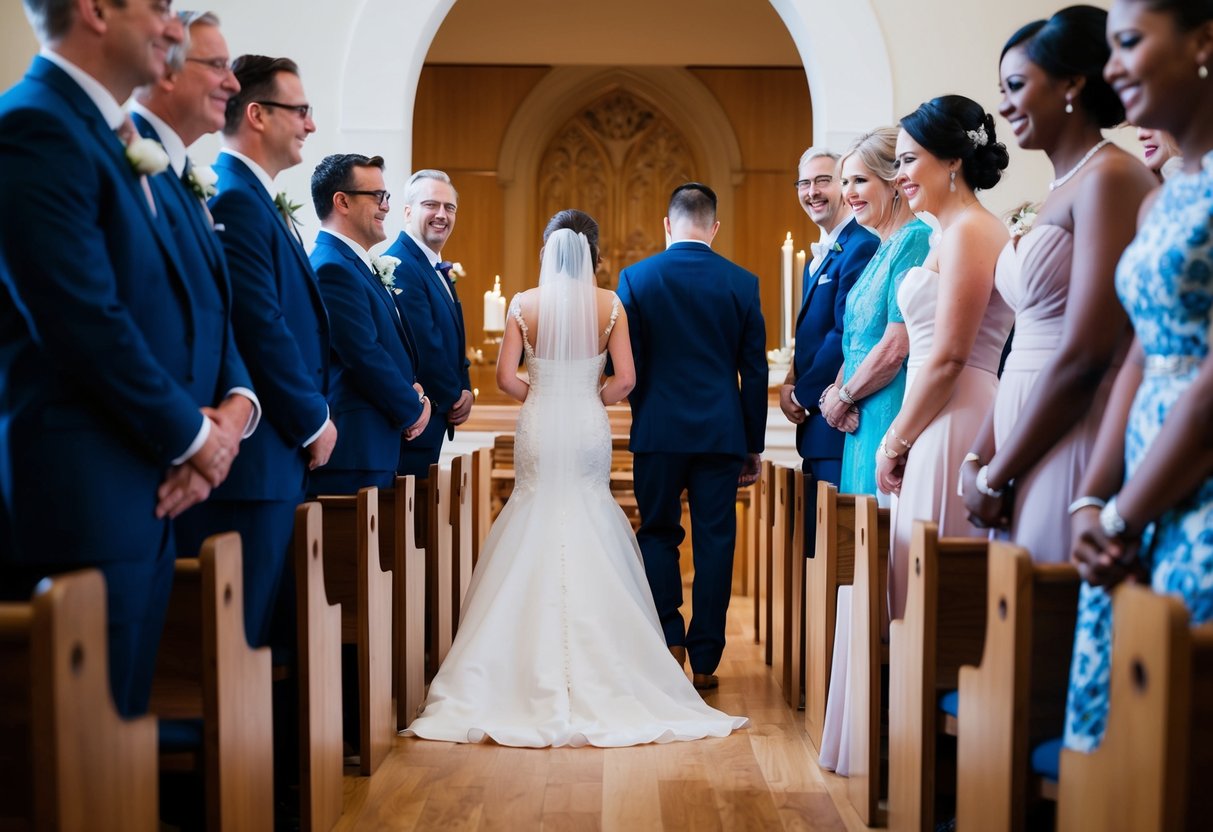
In a wedding, the wedding party plays a key role in creating a memorable experience. Understanding the roles of important participants can help you navigate the ceremony with ease and joy.
Maid of Honor and Best Man
The Maid of Honor holds a special place in the wedding party. She supports you throughout the planning process and helps keep everything organized on the big day.
Her tasks may include planning the bridal shower, helping with the dress, and holding your bouquet during the ceremony. The Maid of Honor also stands by your side during the vows, ensuring everything runs smoothly.
Similarly, the Best Man is a crucial figure for the groom. He stands with him at the altar and is responsible for returning the wedding rings.
The Best Man often gives a toast at the reception, sharing stories and celebrating your love. His role is to support the groom emotionally and logistically, making sure he feels comfortable and confident.
Flower Girl and Ring Bearer
The Flower Girl brings charm to the ceremony by walking down the aisle before you. She usually scatters petals, adding a lovely touch to the atmosphere.
It’s essential to choose a flower girl who feels comfortable and excited about her role. This will make the experience more enjoyable for everyone.
The Ring Bearer is typically a young boy who carries the wedding rings down the aisle. It’s wise to give him the rings right before he walks to avoid any accidents.
This little participant adds a delightful element to the ceremony and helps to engage young guests in the celebration.