
Who Brings the Mother of the Bride Down the Aisle? Tips for a Special Moment
When planning your wedding, one important detail to consider is who will accompany the mother of the bride during the ceremony. Traditionally, the mother of the bride walks down the aisle with a close male relative, such as the father of the groom or a groomsman. This moment can be meaningful, as it honors her role and adds a special touch to the event.
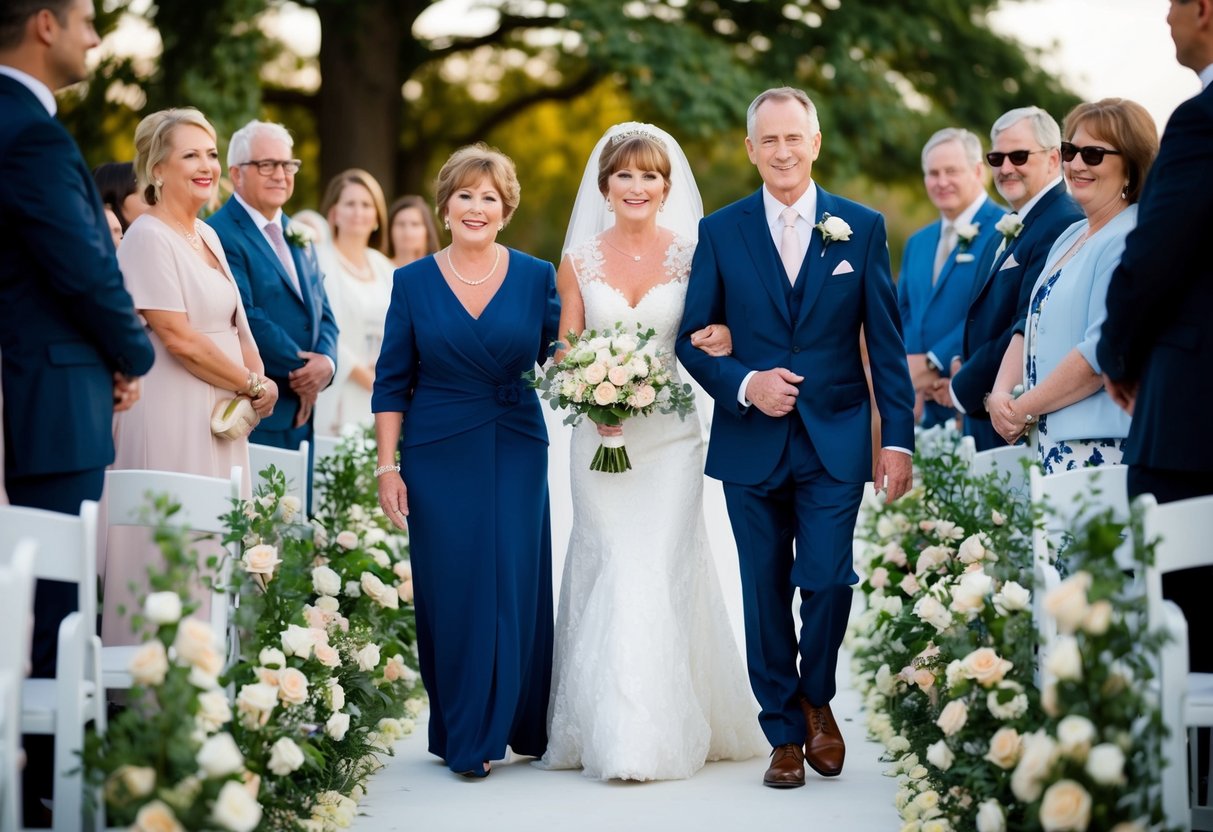
In modern weddings, there’s more flexibility. Your mother may choose to walk alone or be escorted by a partner, or significant friend. This choice can reflect her personality and the dynamics of your family, making the moment truly unique.
Understanding these options can help you make decisions that showcase the bond between your mother and loved ones.
As you plan your wedding ceremony, think about what feels right for you and your family, ensuring that every detail is filled with love and joy.
Traditions of the Wedding Processional
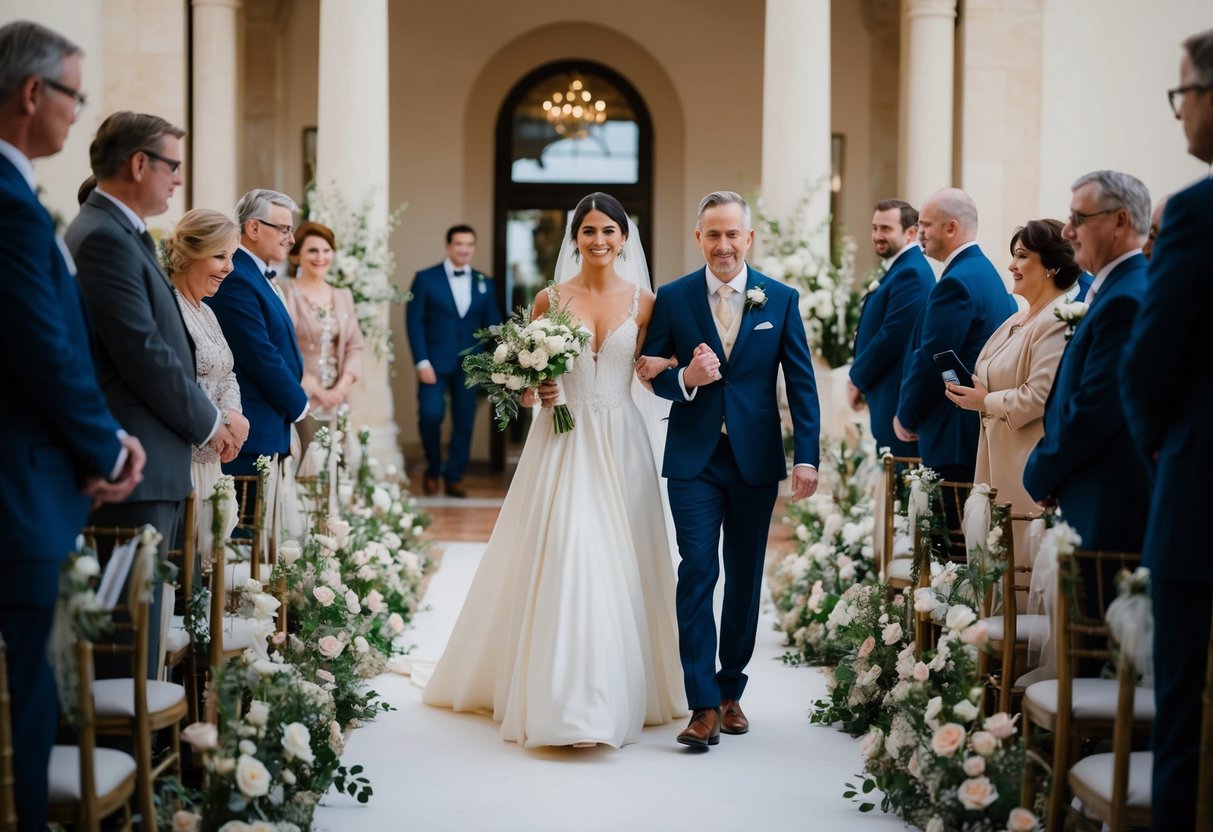
Understanding the traditions of the wedding processional can enrich your wedding experience. Many couples choose to honor customs that have been passed down through generations.
Roles in a Traditional Wedding
In a traditional wedding, specific roles are assigned during the processional. The processional order often begins with the officiant, followed by the groom and his parents.
Next, the bridesmaids enter, usually accompanied by groomsmen. The highlight is when the mother of the bride walks down the aisle. She is often escorted by a close male family member, such as her son or a brother. This moment showcases the love and respect between family members. After the mother of the bride, the bride makes her grand entrance.
This order can vary, but this structure is common in many ceremonies, including Christian weddings.
Variations Across Cultures
Different cultures have unique takes on the wedding processional. For instance, in a Hindu wedding, the bride may make her entrance with her family, symbolizing the joining of two families. This is often colorful and vibrant, reflecting cultural traditions.
In a Jewish wedding, the processional includes both sets of parents and the bride. The parents of the bride walk alongside her to honor their role in her life. Each cultural variation adds meaning and depth to the ceremony, making it more personal.
Exploring these differences can help you decide what resonates with you as a couple.
The Significance of the Processional Order
The processional order has great significance in weddings. It sets the tone for the ceremony. Who walks down the aisle first can reflect family dynamics and relationships.
For many couples, the order symbolizes respect. For example, the parents of the bride lead the way, acknowledging their role in raising her.
The seating arrangement for guests is also important, as it offers them a moment to witness these special relationships.
By being aware of these customs, you can create a memorable experience that honors your family and cultural backgrounds.
Participants and Roles in the Wedding Party

Understanding the participants and their roles in the wedding party is crucial for a smooth ceremony. Each member has a specific function that contributes to the day’s success.
Bridal Party and Groomsmen
The bridal party typically consists of the bride, bridesmaids, and the maid of honor. The maid of honor supports the bride, helping with plans and holding the bride’s bouquet during the ceremony.
Bridesmaids assist in various tasks, from planning parties to helping guests.
On the other side, the groomsmen, led by the best man, play vital roles as well. The best man often organizes the bachelor party and supports the groom throughout the wedding.
Groomsmen walk in during the procession and stand with the groom.
Dance partners like the flower girl and ring bearer add charm to the ceremony. The flower girl often tosses petals, and the ring bearer carries the wedding rings, ensuring all eyes are on them as they walk down the aisle.
Distinct Roles for Family Members
Family members also have significant roles in the wedding. The mother of the bride traditionally assists in planning and often shares the emotional spotlight with her daughter. She may also walk down the aisle, either alone or escorted by a close male relative or family member.
The mother of the groom supports the couple during planning and often helps with guest lists.
Grandparents might be honored guests during the ceremony, and ushers are usually family members or friends who assist guests in finding their seats.
Each participant contributes uniquely, creating a collaborative atmosphere that enhances the wedding experience.
Who Escorts the Mother of the Bride

When planning a wedding, deciding who escorts the mother of the bride is an important choice. This moment is significant, reflecting love, support, and family ties. You have various options that can blend traditional roles with modern personal touches.
Traditional and Modern Approaches
Traditionally, the mother of the bride is escorted by a close male relative. This could be her son, brother, or even her father. This practice symbolizes respect and honor for her role in the bride’s life.
However, modern weddings embrace more flexibility. You might choose a stepfather, uncle, or another loved one to walk with her. Some brides prefer their mother to walk alone, showcasing her independence and strength.
Ultimately, the decision should resonate with what feels right for you and your family.
Navigating Family Dynamics
Family dynamics can complicate who walks the mother of the bride down the aisle. If there are step-parents or blended families, communication is crucial.
You might want to discuss options with everyone involved before making a final decision.
Consider roles that reflect love and unity. For example, if the mother has a close relationship with her stepson, he may want to escort her. This gesture can strengthen family bonds and show mutual respect among family members.
Be sensitive to any feelings that arise to ensure everyone feels included in this moment.
Adding a Personal Touch
Personal preferences can make this moment even more special. Consider choosing someone who shares a close bond with your mother. A groomsman or best man could also accompany her if they share a friendship.
You might even opt for a unique escort, such as a beloved family friend. This adds a personal touch while celebrating your family history.
You could discuss the option of a symbolic gesture, like having her walk alone. This showcases her individuality, acknowledging her strength and independence.
Whatever you choose, ensure it reflects your family’s values and traditions, making the moment meaningful for everyone involved.
Creating a Memorable and Meaningful Ceremony
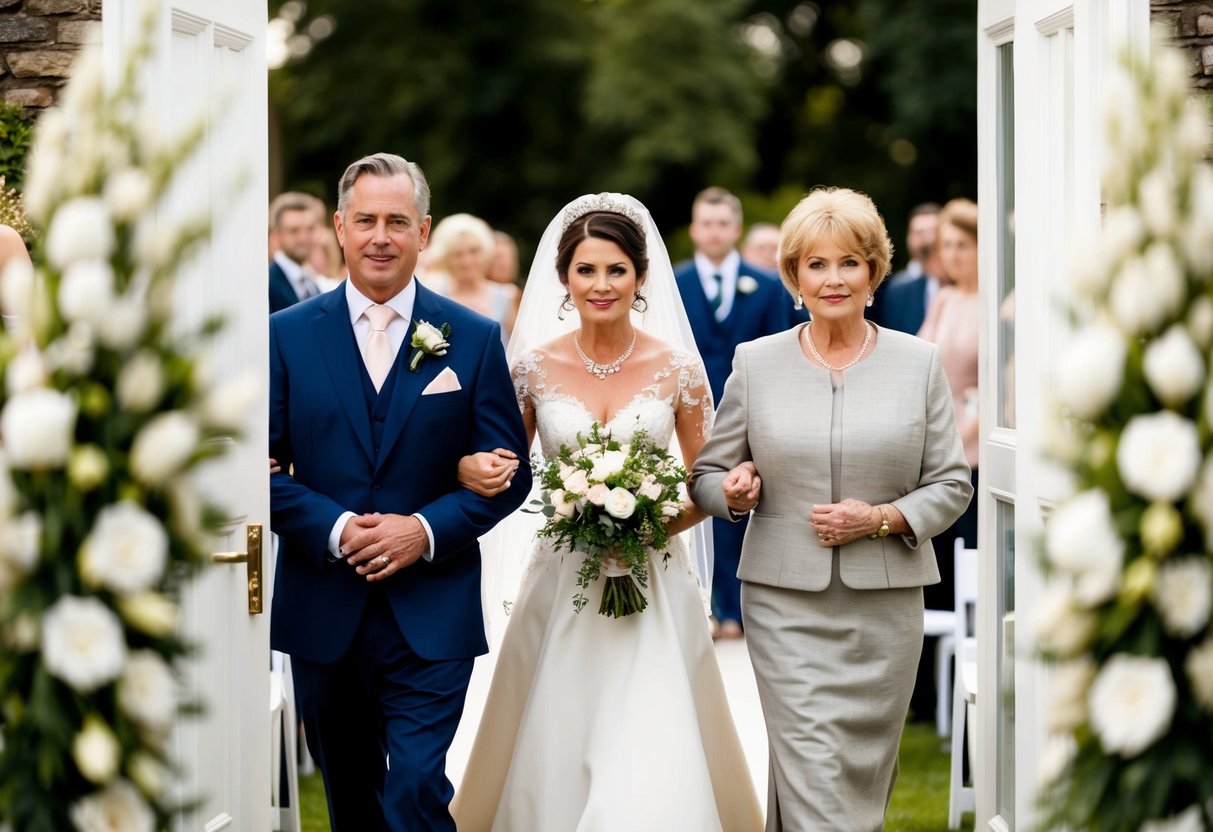
Your wedding ceremony is a special moment that reflects your values and honors your loved ones. Personal touches can make the experience unforgettable for you, your family, and guests.
Reflecting Personal Values
When planning your ceremony, think about what is most important to you and your partner. Many couples choose to personalize the approach based on their backgrounds and beliefs.
For example, in Christian weddings, it’s common for both parents to escort the bride down the aisle. In contrast, Hindu weddings might focus more on family traditions and rituals during the ceremony.
You can also consider modern elements, like having a stepmother or siblings participate in unique ways. Incorporating cultural or family traditions can create those memorable moments you cherish forever.
Honoring the Family and Bridal Party
Your wedding should include key family members and friends who have supported you. This acknowledgment can enhance the ceremony’s emotional impact.
Choosing who walks down the aisle can be meaningful. You might have a groomsman accompany your mother or let her walk alone for a more traditional feel.
The wedding processional order isn’t just about formality; it’s about showcasing love and support. Consider including special roles for your bridal party, like readings or musical performances during the recessional.
Personalizing these moments forms a deeper connection with everyone present.