
Who Brings the Mother of the Groom Down the Aisle? Exploring Roles in Wedding Traditions
Choosing who brings the mother of the groom down the aisle can be a meaningful part of your wedding ceremony. Traditionally, the groom takes on this role, walking his mother to her seat at the front of the ceremony. This moment highlights the special bond between them and sets a warm tone for the event.
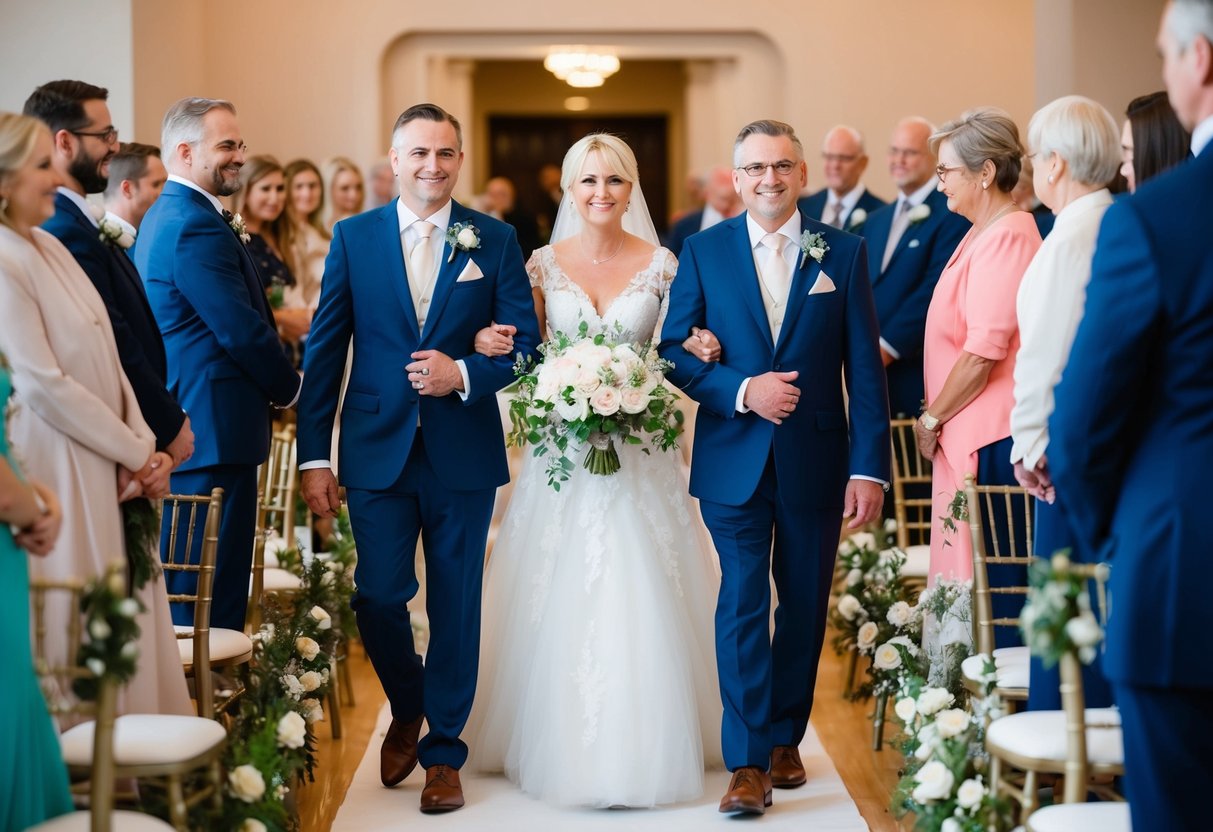
In some cases, couples might decide to do things a bit differently. You could opt for both parents to walk down together, which creates a lovely atmosphere that honors both sides of the family. Understanding these options can help you personalize your wedding and make it truly special.
As you plan your wedding, consider what feels right for you and your family. The way you choose to bring the mother of the groom down the aisle can reflect your relationships and traditions, adding a heartfelt touch to the entire processional.
Traditional Roles and Responsibilities
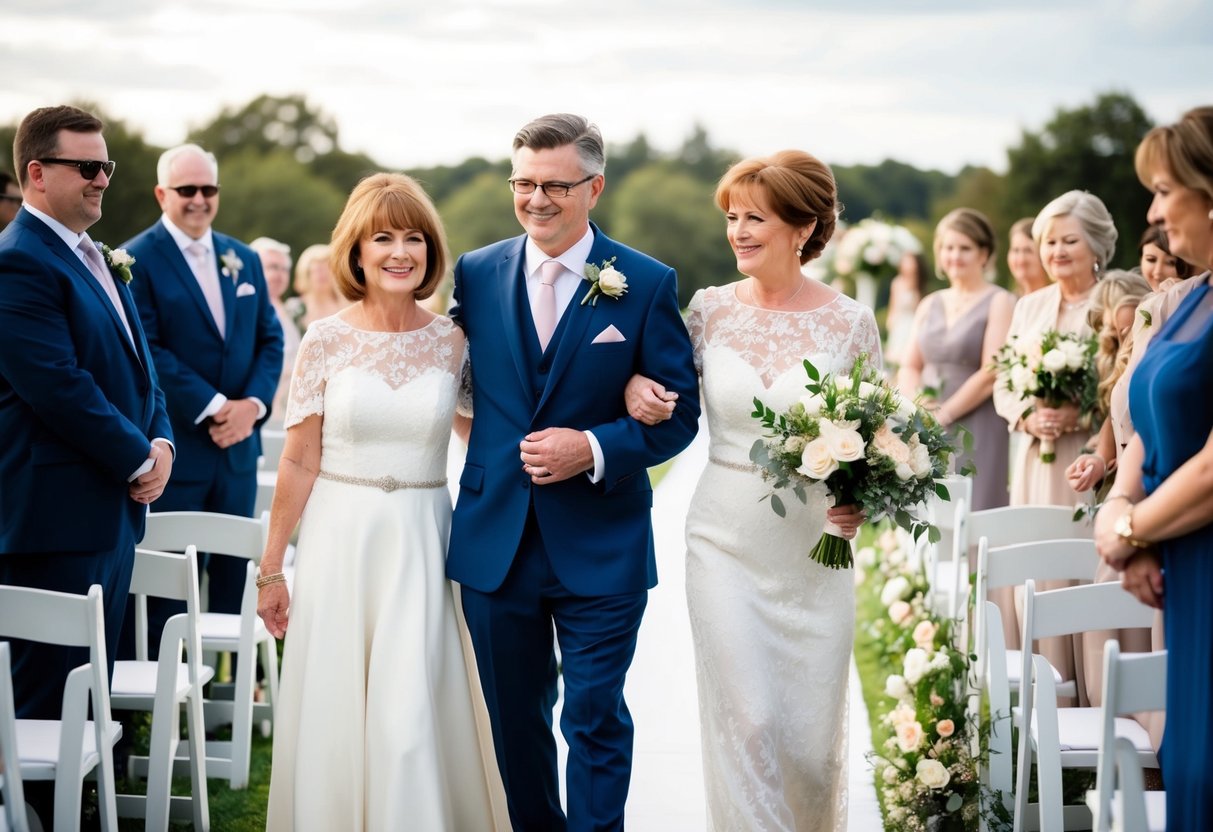
Understanding the roles in the wedding processional helps create a smooth experience for everyone involved. The mother of the groom plays a significant part, and knowing who brings her down the aisle is essential for ensuring family unity during the ceremony.
Who Escorts the Mother of the Groom
Typically, the mother of the groom is escorted by an usher or a close family member. This gesture shows respect and acknowledges the importance of her role. Many couples choose to have an usher accompany her to ensure she does not walk alone.
If the groom has siblings or a close relative, they can step in as well. The key is to make her feel supported and included during this special moment. The person escorting her should ensure she feels comfortable and knows where to go.
Processional Order for Family
In traditional weddings, the order of procession often starts with the officiant, followed by the groom and his Best Man. Next, you will typically see the parents of the groom walk down.
The mother of the groom usually follows, accompanied by her escort. This setup emphasizes family unity and sets a warm tone for the ceremony. If you have specific family dynamics, you can adjust the order as needed to reflect those relationships while keeping the flow of the event smooth.
Escorting in Different Wedding Traditions
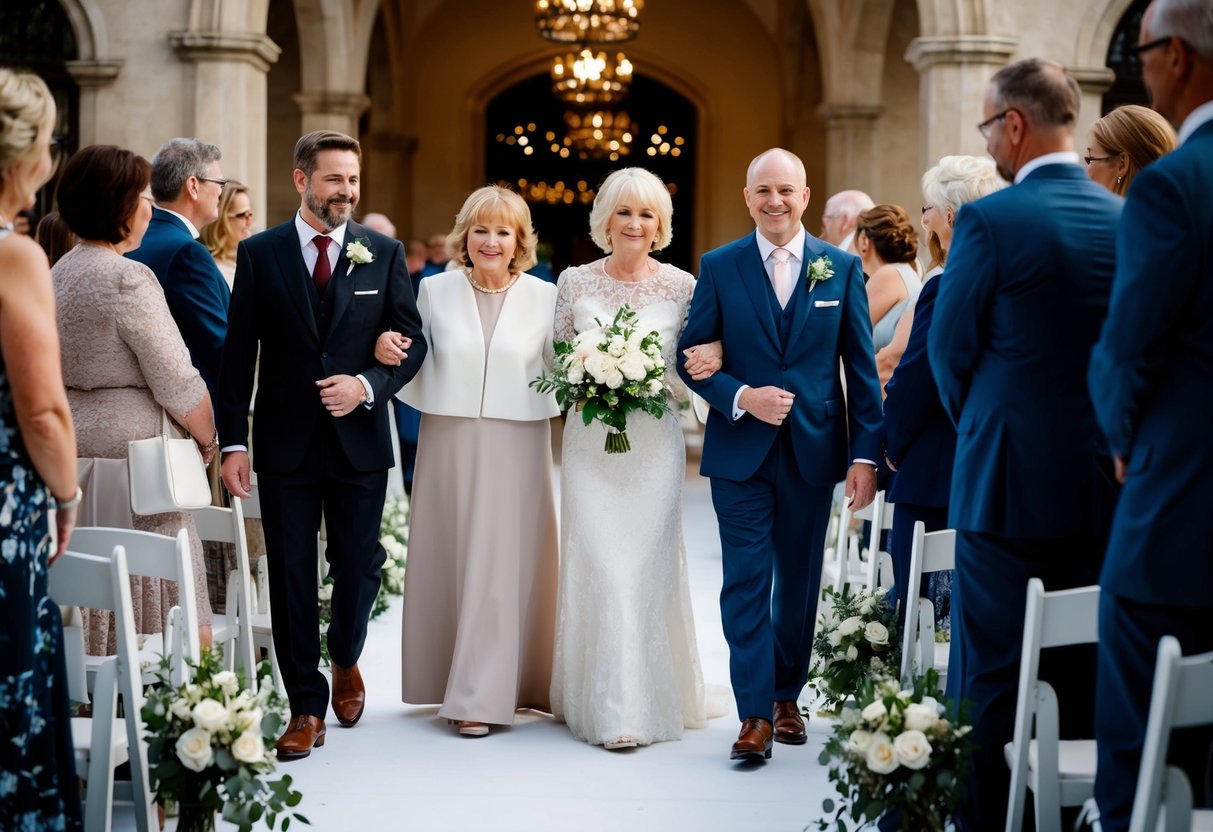
Different wedding traditions have unique customs for escorting the mother of the groom. These practices can reflect cultural values and the significance of family in the ceremony. Here’s a look at how various weddings approach this important moment.
Christian Weddings
In Christian weddings, the processional often follows a specific order. Typically, the groom’s mother is escorted to her seat by a groomsman, usually a family member.
She may walk down the aisle just before the bride enters. This symbolizes support for the groom and acknowledges the mother’s role in his life. Usually, the parents of the groom will sit on the right side of the ceremony venue. This arrangement not only shows respect for family but also highlights the connection among loved ones.
Jewish Weddings
Jewish weddings have unique customs and rituals. Here, the groom’s mother may be escorted by a family member or walk down the aisle with the groom.
During the ceremony, the couple often stands under a chuppah, a symbolic canopy representing their new home. The groom’s family plays an important role in this setting, highlighting the importance of family ties in Jewish culture.
It’s common for the groom’s mother to share this moment closely linked to her son, making it a significant and cherished time.
Hindu Weddings
Hindu weddings feature vibrant ceremonies, each filled with rich traditions. At the start of the ceremony, there is a joyful procession known as the baraat.
This procession marks the groom’s arrival, often on a horse or in a decorated vehicle. The groom is accompanied by family and friends, celebrating and dancing together. Once at the mandap, or sacred altar, the groom’s parents and the bride’s mother typically join him, emphasizing family unity. The mother of the groom plays a crucial role in this celebration, symbolizing blessings and support for the couple.
Modern Wedding Practices
Modern weddings often take a more flexible approach to escorting the mother of the groom. Many couples choose non-religious or personalized ceremonies.
In these cases, the groom’s mother might walk down the aisle with her son or choose to be escorted by a close friend or family member. This flexibility allows for diverse expressions of love and support. Additionally, some couples may use creative processional traditions to reflect their unique relationships.
This adaptability makes modern weddings more inclusive, allowing everyone to share the moment in a way that feels right for them.
The Impact on Family Dynamics
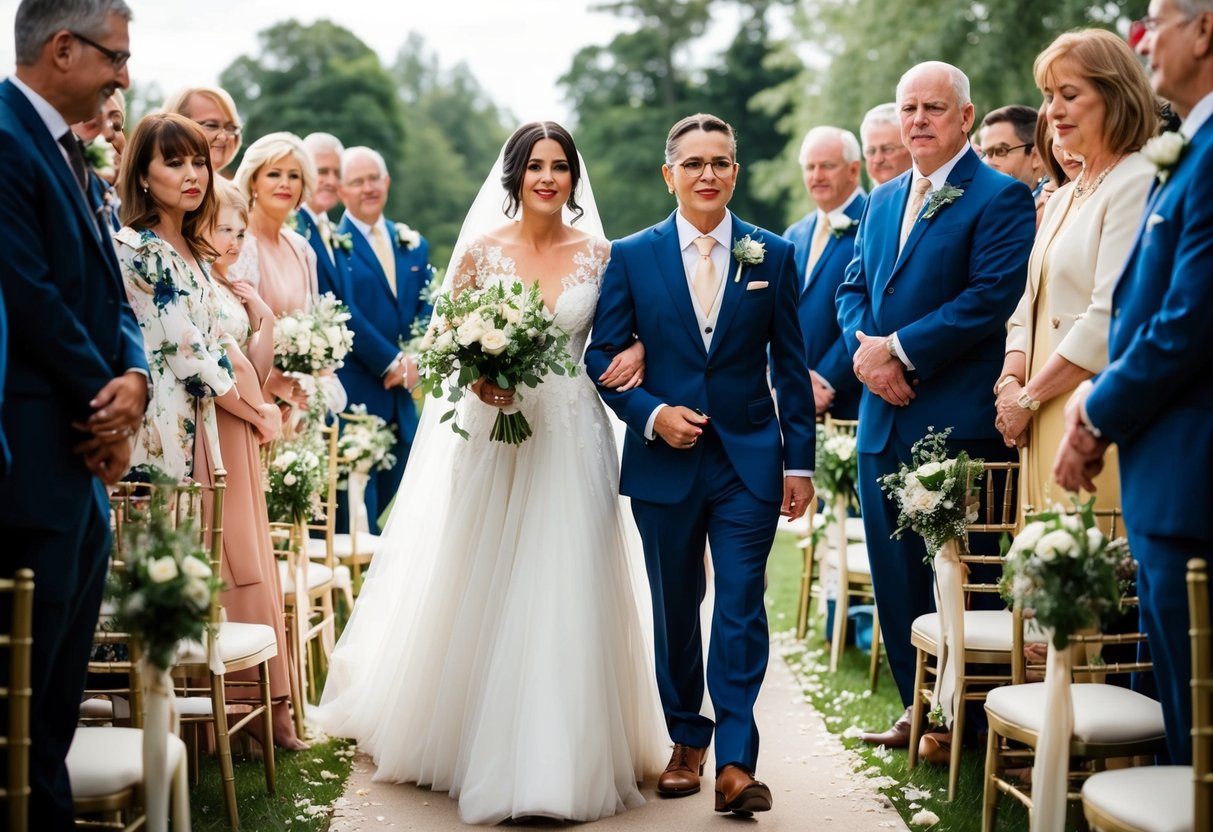
When planning a wedding, the way you arrange the processional can significantly affect family dynamics. The choices made reflect family bonds, appreciation, and individual roles during this special moment. Let’s explore how these elements play a crucial part in the ceremony.
Inclusive Processional Considerations
Choosing who escorts the mother of the groom can create a more inclusive atmosphere. You might have the groom lead her down the aisle, which can symbolize strong family ties. This decision shows respect and acknowledgment of the mother’s role.
You can also consider other family members, like siblings or close relatives, to participate. This approach fosters a sense of unity and togetherness. When family members feel included, it strengthens their bonds and celebrates shared history.
Notably, personalizing the processional can help accommodate different family situations, showing that everyone’s role matters. This flexibility allows you to tailor the ceremony to fit your family’s unique dynamics.
Appreciation and Acknowledgment
Appreciating the mother of the groom through this processional can deepen family connections. When she is escorted down the aisle, it highlights her importance and contributions to the family.
Expressing gratitude through this gesture can enhance the emotional weight of the ceremony. Invite family members to share uplifting stories during this time. This moment of acknowledgment nurtures feelings of belonging and love.
You can also take a moment during the ceremony to thank her. This small act demonstrates appreciation and strengthens family bonds. Everyone enjoys a moment of recognition, leading to a more meaningful celebration that emphasizes unity and support.
Wedding Party and Ceremony Procession Tips
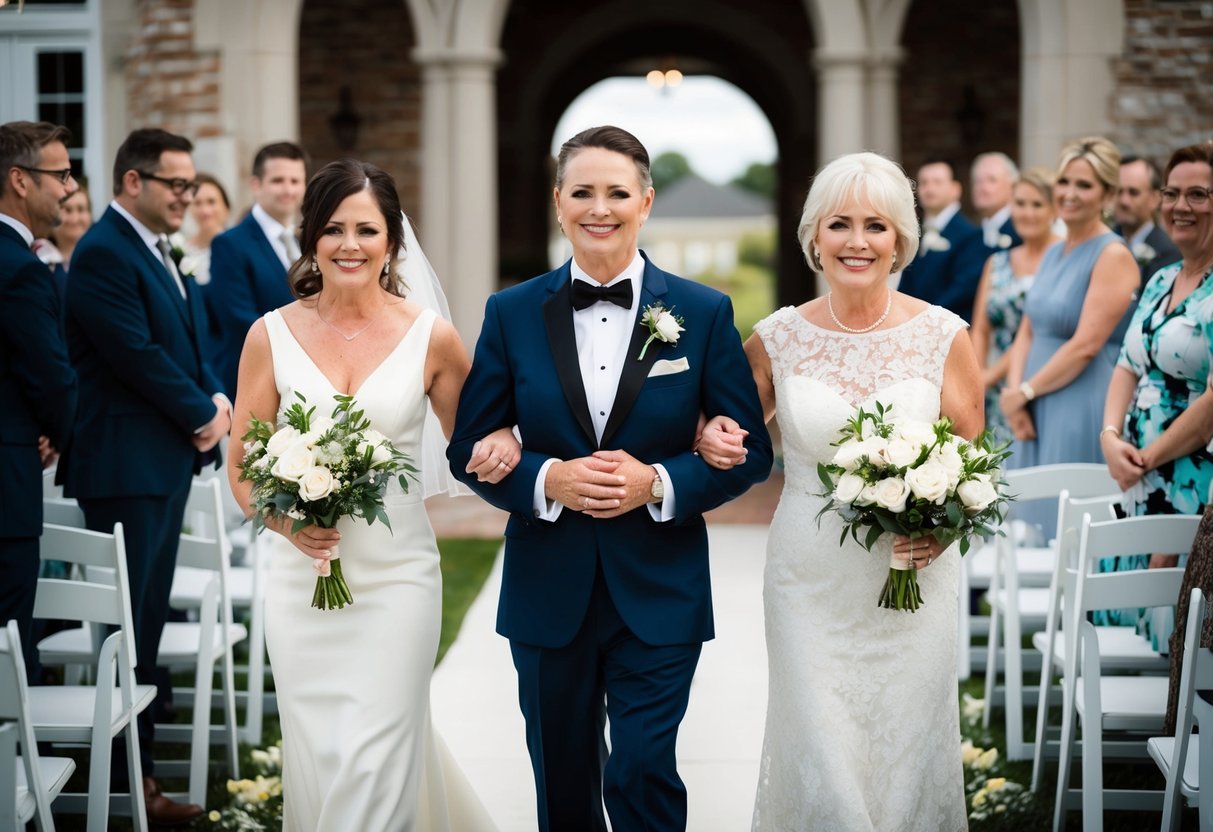
Planning the ceremony entrance can create special moments for everyone involved. It’s important to coordinate your wedding party and ensure that the procession flows smoothly. Here are some practical tips to keep in mind.
Coordinating the Ceremony Entrances
Start by mapping out who will walk down the aisle. Typically, the bride’s mother and the mother of the groom can be escorted, creating a meaningful moment. You might choose to have a groomsman or close family member accompany the mother of the groom. This adds to the ceremony’s warmth.
Make sure to discuss the procession order with your officiant so everyone knows when to walk. Timing is essential. Using a rehearsal can help everyone feel comfortable. Consider a simple checklist for ease:
- Bride’s mother walks first
- Mother of the groom follows
- Wedding party members enter next
Visualizing the entrance can help you feel more confident on the big day.
Memorable Moments for Parents
Creating memorable moments for parents during the ceremony adds a personal touch. For instance, the parents of the bride and groom can share a special moment as they walk down the aisle. Choosing meaningful songs can enhance this experience.
You can also consider special gestures, like a brief pause before the bride enters. This allows parents to soak in the atmosphere and feel appreciated. You might also want to include a frame or photo of loved ones who couldn’t be there, creating a heartfelt moment.
Encouraging a warm embrace as parents are escorted can lead to beautiful memories. Make these moments count by ensuring everyone knows their roles.