
Who Walks the Mother of the Groom Down? Understanding This Special Role in Weddings
When it comes to the wedding ceremony, you might wonder who walks the mother of the groom down the aisle. Traditionally, the groom’s mother is escorted by a close family member, such as her husband or another relative, to honor her role in the family. This moment is not just practical; it represents family unity and the support surrounding the couple.
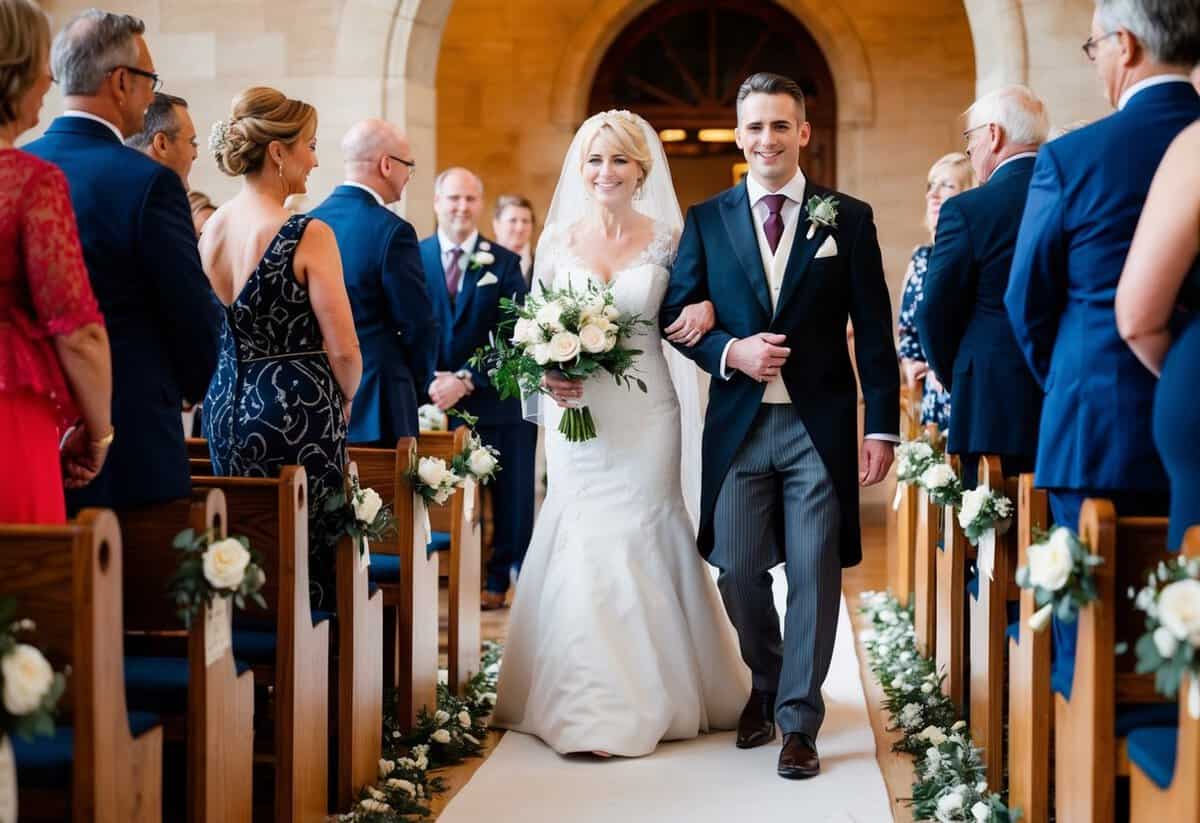
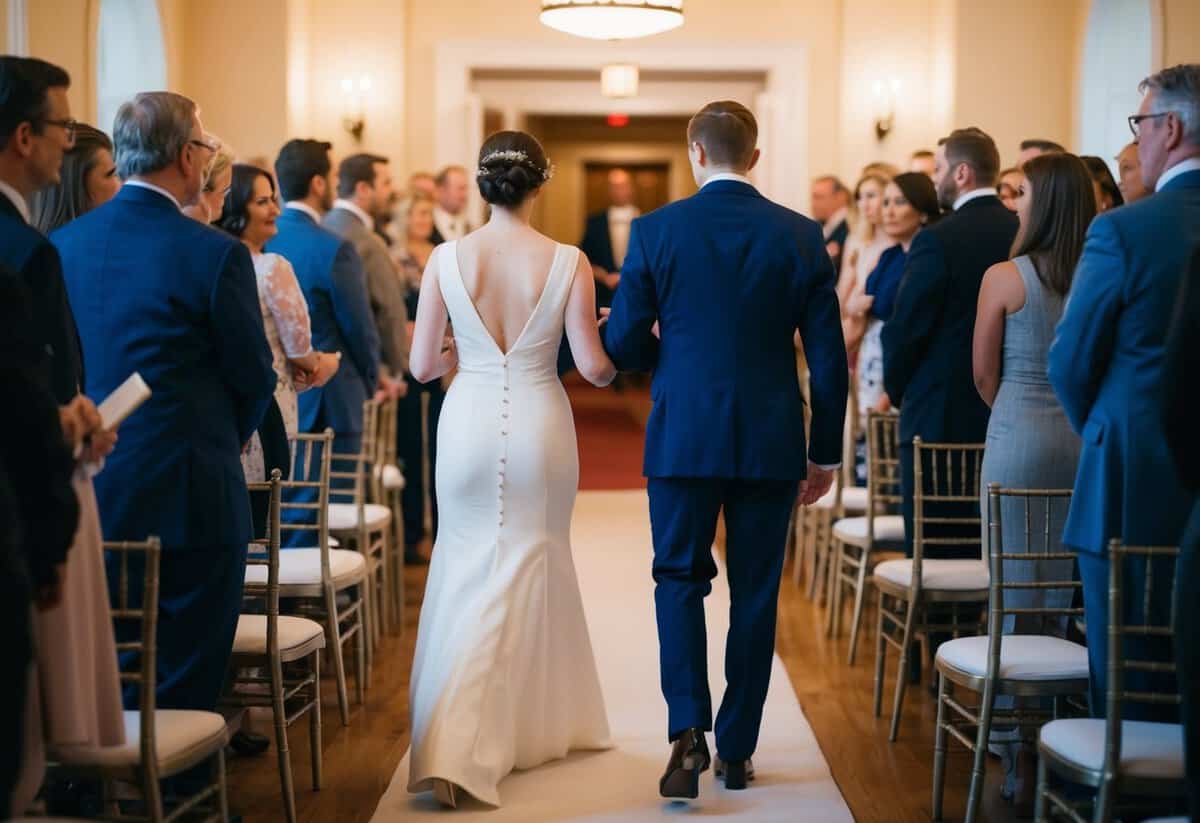
In modern weddings, the choice can vary based on personal preference. Some couples choose to have the groom walk his mother down the aisle himself, which can create an emotional moment that highlights their bond. This approach adds a personal touch and shows the importance of family in the celebration.
No matter who walks her down, this act is a cherished part of the ceremony. It reflects love and respect within the family, making the wedding day even more meaningful for everyone involved.
The Role of the Mother of the Groom
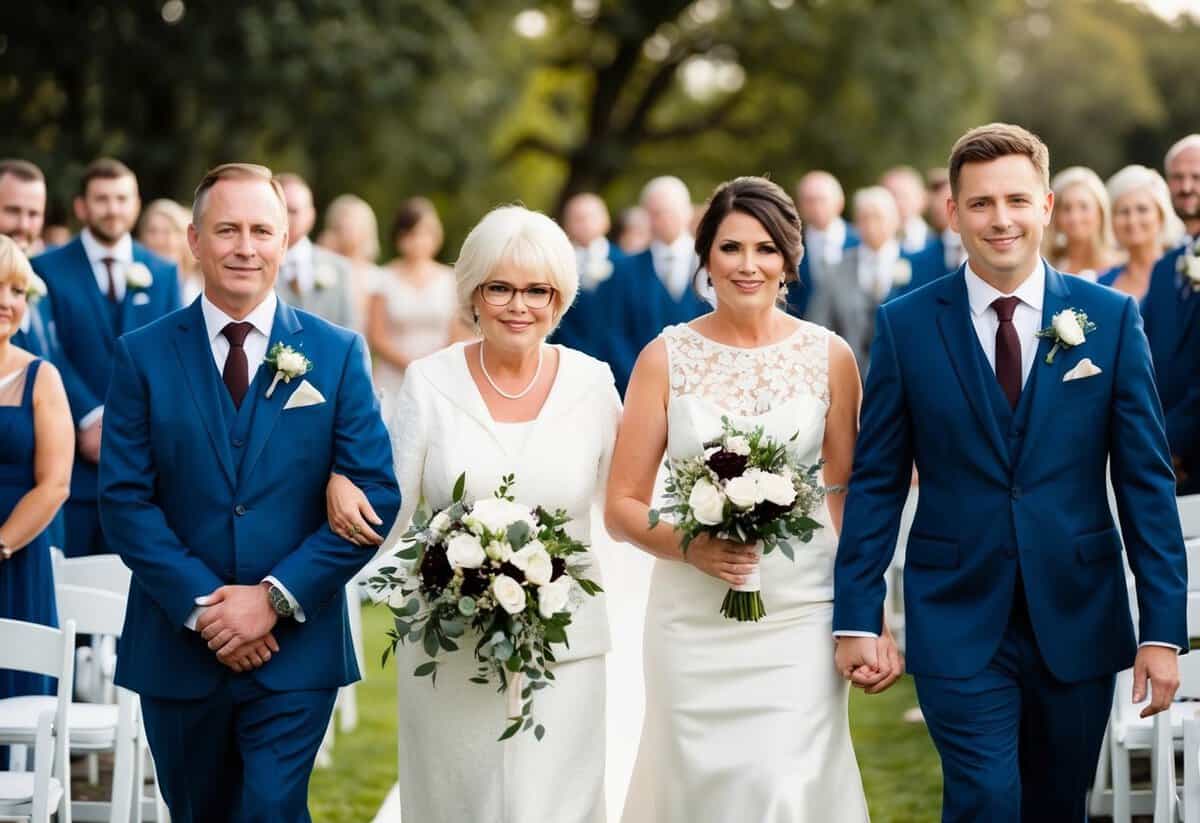
The mother of the groom plays a special part in a wedding. Her duties can vary widely based on tradition and personal preference. Understanding these roles can help everyone navigate through the wedding preparations smoothly.
Traditional Responsibilities
Traditionally, the mother of the groom has several key duties. One of her main roles is to support her son during the planning stages. This might involve helping him choose attire or even picking out gifts for the bride’s family.
She also often coordinates with the mother of the bride to align their plans. This collaboration can help create a united front. During the ceremony, she may walk down the aisle with an escort, like her husband or a close relative, symbolizing family support.
After the ceremony, she usually participates in the reception, greeting guests and often giving a speech. Her presence signifies the importance of family dynamics in the new union.
Modern Approaches
In modern weddings, the role of the mother of the groom can take on a new shape. Many mothers now choose to be more involved in the planning process. They might join in on decisions about decor, themes, and even menu choices.
Some mothers of the groom even take charge of organizing parts of the event, like the rehearsal dinner. This shift reflects changing family dynamics and shared responsibilities.
When it comes to the ceremony, it’s not uncommon for the groom’s mother to walk down the aisle solo or with her son. This approach emphasizes the bond between mother and son and shows support for the couple. As weddings become more personalized, the role of the groom’s mother continues to evolve, often blending traditional and modern elements.
Wedding Ceremony Processional Order
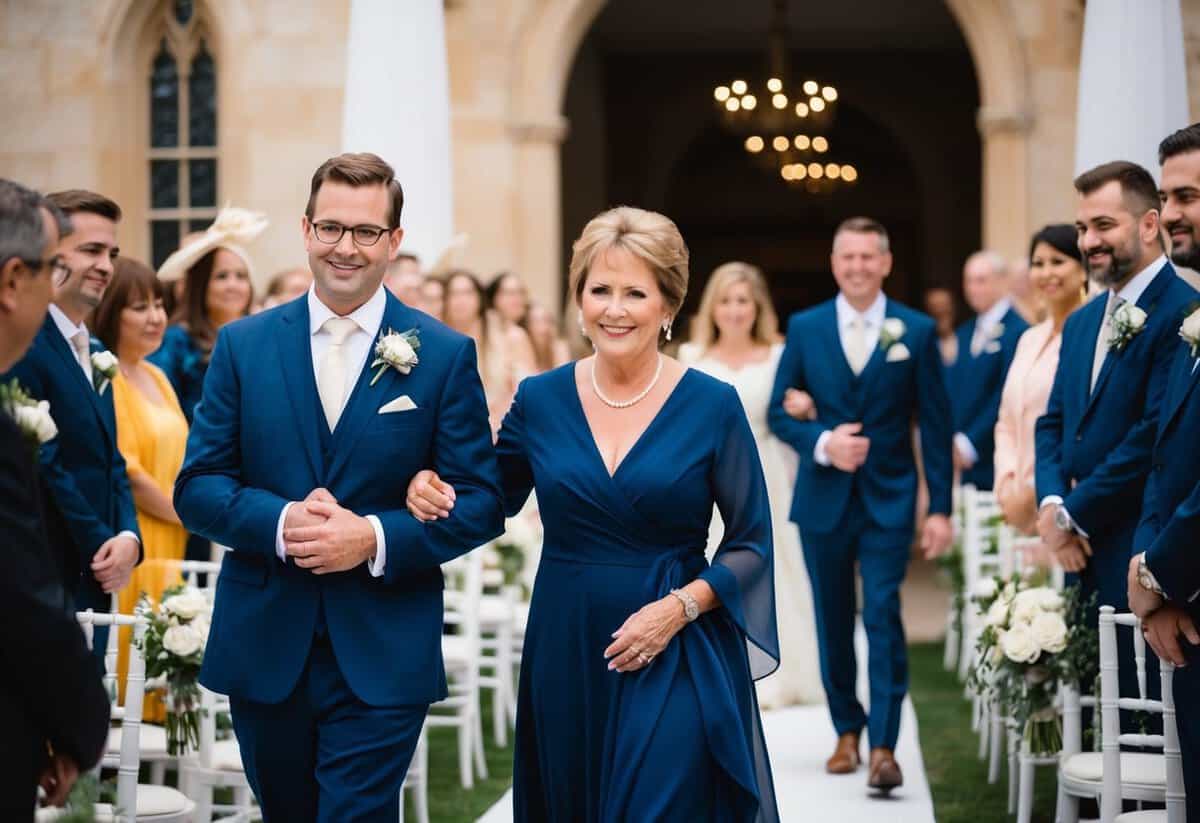
Understanding the wedding ceremony processional order helps create a meaningful start to your special day. The processional varies across different cultures and religions, each adding unique elements to the ceremony. Here’s a closer look at Christian, Jewish, and Hindu wedding processional customs.
Christian Wedding Processional Structure
In a Christian wedding, the processional starts with the seating of guests, often guided by ushers. First, grandparents, followed by parents, walk down the aisle. Typically, the groom and best man enter next.
After that, the bridal party joins, with bridesmaids and groomsmen walking in pairs. The flower girl and ring bearer follow, adding a charming touch. Finally, the moment everyone anticipates arrives—the bride walks down the aisle, usually escorted by her father or a significant family member. This structured order highlights the connection of both families, making it a cherished moment.
Jewish Wedding Processional Custom
In Jewish weddings, the processional order can differ. The ceremony often begins with the grandparents, followed by the groom’s parents. Next, the groom enters, often accompanied by his parents, as he walks toward the chuppah.
The bride typically follows, accompanied by both parents. Some may also choose to have both parents escort the bride, symbolizing unity. The chuppah represents the couple’s new home, making this moment particularly special as they take their places beneath it to begin the ceremony.
Hindu Wedding Processional Rites
In Hindu weddings, the processional order differs greatly and includes vibrant traditions. The groom arrives first, often on a decorated horse or in a car, as part of the baraat.
He is followed by family and friends dancing and celebrating. The bride follows next, usually on a palanquin. Her entrance is grand and symbolizes her journey into a new life.
Once at the mandap, both families participate, strengthening their bonds. Each element in the procession highlights the union of not just the couple but also their families.
Ceremony Participants and Their Roles
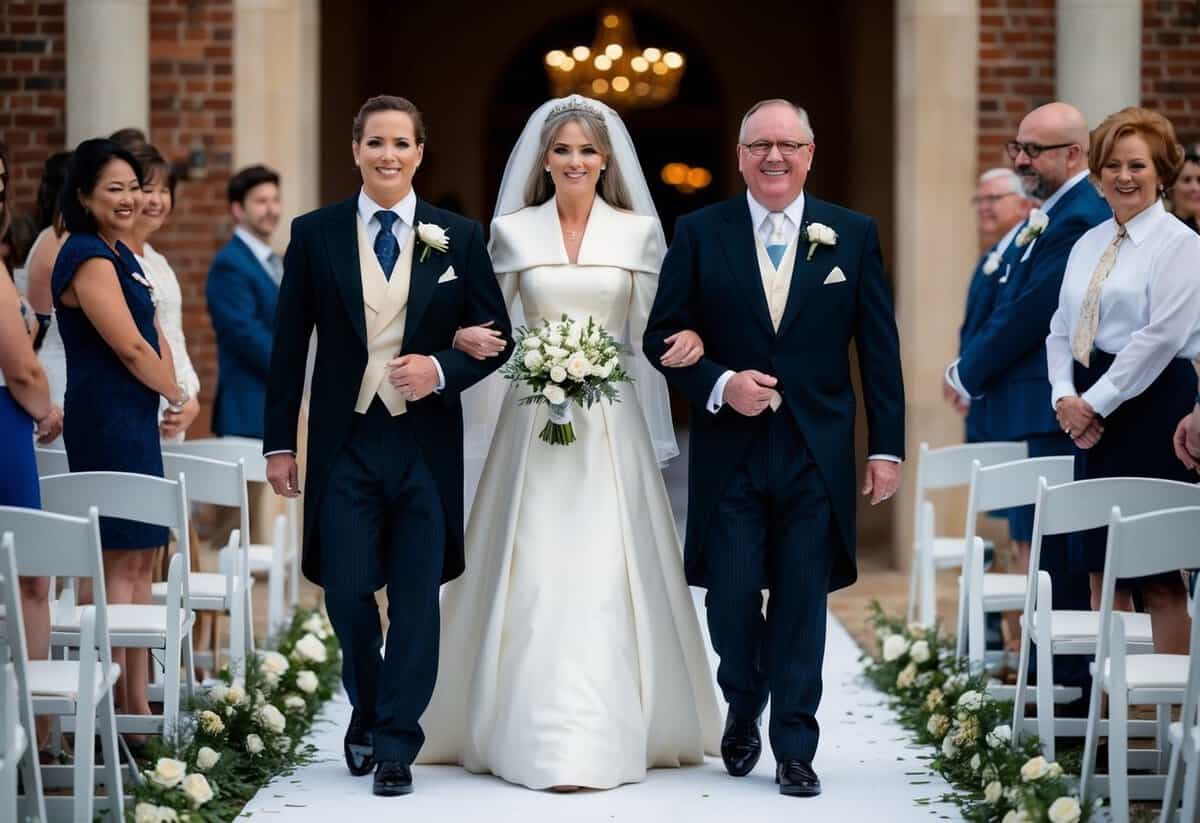
Every person in a wedding ceremony has a special role that adds to the event’s beauty. Understanding these roles helps you appreciate the meaningful connections each participant brings to the day.
Understanding Wedding Party Titles
In the wedding party, you have several key titles. The bride and groom are the main focus, but their friends and family play significant parts too.
The maid of honor supports the bride. She helps with planning and holds the bride’s bouquet during the ceremony. The best man stands by the groom, holding the rings and giving a speech at the reception.
Groomsmen support the groom, while bridesmaids assist the bride. A flower girl adds charm, often scattering petals down the aisle. The ring bearer carries the wedding rings, making a memorable moment in the ceremony. Each of these roles contributes to the support system surrounding the couple.
Significance of the Officiant
The officiant is crucial in the wedding ceremony. This person leads the event, ensuring that everything runs smoothly. The officiant can be a religious leader, a judge, or someone who is legally authorized to perform weddings.
They explain the significance of the vows and guide you through the ceremony. During this time, you and your partner express your love and commitment, making it a truly memorable moment.
The officiant also helps manage the flow of the ceremony, introducing each part and welcoming guests. This role is vital for creating a warm atmosphere and ensuring the day is special for everyone involved.
The Departure: Understanding the Recessional
After the wedding ceremony, the recessional marks a joyful exit for the couple and their guests. It symbolizes the end of the ceremony and the start of a new journey together.
The recessional is usually well planned. The newlyweds walk down the aisle first. Then, the members of the bridal party follow.
Common Recessional Order:
- Bride and Groom: The couple leads the way.
- Maid of Honor and Best Man: They follow closely behind.
- Bridesmaids and Groomsmen: Next in line, they exit as pairs.
- Flower Girl and Ring Bearer: These little ones add charm to the exit.
- Parents of the Couple: They often leave last, representing family bonds.
This order can change based on personal preference. You might want to talk with the couple to ensure it fits their vision for the day.
The recessional is more than just leaving the venue; it’s a moment to celebrate love and unity. Each step down the aisle together reflects shared joy with family and friends.
So, if you’re part of the bridal party or family, remember the importance of your role during this time. Your presence adds to the heartfelt atmosphere of their special day.